Goldendoodle Skin and Coat Disease
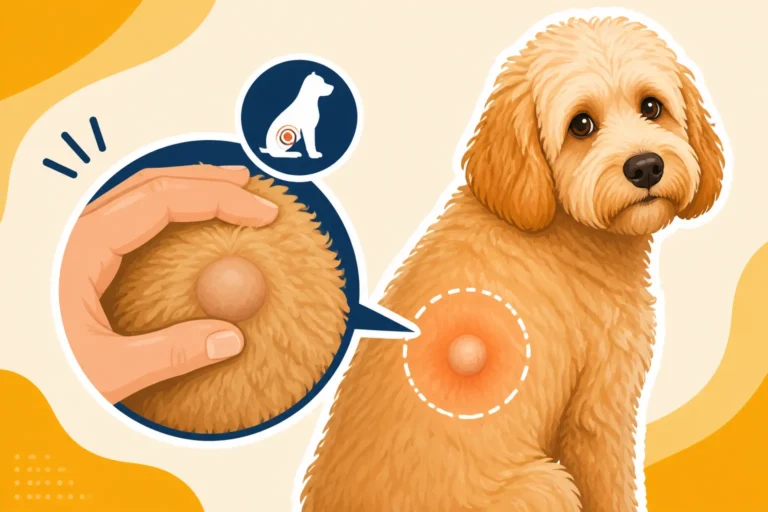
Few things are more disheartening than seeing your beloved Goldendoodle constantly scratching, licking, or developing red, irritated patches under that beautiful, fluffy coat. It's frustrating because their dense fur often hides problems until they're quite advanced, and diagnosing the root cause can feel like a never-ending puzzle. This comprehensive guide will walk you through the most common skin and coat diseases Goldendoodles face, helping you understand the signs, causes, and best approaches to getting your furry friend comfortable again.
The Unique Challenges of Goldendoodle Coats for Skin Health
Goldendoodles are adored for their luscious, low-shedding coats, but this very characteristic can become a double-edged sword when it comes to skin health. The blend of Golden Retriever and Poodle genetics creates a coat that, while beautiful, requires vigilant care to prevent a host of issues.
Why Their Furnishings Trap Moisture and Irritants
One of the defining features of a Goldendoodle is their "furnishings"—the longer hair on their face, beard, eyebrows, and legs. While charming, this dense hair acts like a sponge, readily soaking up moisture from water bowls, drool, rain, and even just humid air. This constant dampness creates a perfect breeding ground for yeast and bacteria, leading to skin infections around the mouth, chin, and between paw pads. Think of how quickly a wet towel can get musty if not dried properly; the same principle applies to your Goldendoodle's beard or floppy ears.
Beyond moisture, these furnishings also act as excellent traps for environmental irritants. Pollen, dust, dirt, burrs, and even tiny seeds can get caught deep within the curls and waves, rubbing against the skin and causing irritation. Imagine walking through a field with sticky burrs – your Goldendoodle's coat just collects them. If not brushed out daily, these trapped particles can lead to localized inflammation, matting that pulls on the skin, and eventually, painful hot spots. This is why regular Brushing a Goldendoodle Often Enough to Stop Matting is not just about aesthetics, but a crucial part of preventative skin health.
The Double Whammy of Golden Retriever and Poodle Skin Sensitivities
When you combine two distinct breeds, you're also combining their genetic predispositions to certain health conditions. Both Golden Retrievers and Poodles, the parent breeds of the Goldendoodle, have their own common skin issues, and Goldendoodles can inherit sensitivities from either side. Golden Retrievers are notorious for allergies, including environmental (atopic dermatitis) and food allergies, often manifesting as itchy skin, ear infections, and paw chewing. Poodles, on the other hand, can be prone to conditions like sebaceous adenitis, a serious inflammatory skin disease.
This genetic cocktail means that Goldendoodles often face a higher likelihood of experiencing allergic reactions or developing more complex skin conditions. It's not uncommon to see a Goldendoodle struggling with seasonal allergies inherited from their Golden Retriever lineage, while also battling the chronic ear infections that are so prevalent in Poodles due to their floppy, fur-lined ears. Understanding this inherited vulnerability helps us appreciate why their skin care often needs to be more proactive and diligent than many other breeds.
Common Allergic Skin Diseases in Goldendoodles
Allergies are, without a doubt, one of the most common and frustrating causes of skin problems in Goldendoodles. It's an immune system overreaction to otherwise harmless substances, and it can make your dog utterly miserable, leading to endless scratching, licking, and secondary infections.
Environmental Allergies Atopic Dermatitis
Environmental allergies, medically known as atopic dermatitis, are incredibly prevalent in Goldendoodles, drawing heavily from their Golden Retriever heritage. These allergies are typically seasonal, flaring up when pollen counts are high (trees in spring, grasses in summer, weeds in fall), but they can also be year-round if your dog is allergic to indoor allergens like dust mites or mold.
The symptoms are classic: relentless itching, especially around the paws, belly, armpits, and face. You might notice your Goldendoodle constantly licking their paws until they're red and raw, rubbing their face on the carpet, or scratching behind their ears. This constant irritation breaks down the skin's natural barrier, making it easier for secondary yeast or bacterial infections to take hold. Imagine having persistent hay fever, but the itch is all over your body and you can't stop scratching. It’s a cyclical nightmare for both dog and owner. Managing these allergies often requires a multi-faceted approach, including anti-itch medications, medicated baths, and sometimes even allergy shots or oral immunotherapy. Early recognition and veterinary intervention can prevent severe discomfort and reduce the risk of secondary infections, which can be even more painful to treat. For a deeper dive, check out our article on Goldendoodle Environmental Allergies by Season.
Food Allergies and Their Skin Manifestations
While less common than environmental allergies, food allergies can also wreak havoc on a Goldendoodle's skin. The tricky part is that symptoms of food allergies often mirror those of environmental allergies, making diagnosis challenging. Instead of seasonal flare-ups, however, food allergies typically cause year-round itching, regardless of pollen counts. Common culprits include proteins like chicken, beef, dairy, wheat, or soy.
Beyond generalized itching, Goldendoodles with food allergies may also experience chronic ear infections, anal gland issues, and gastrointestinal upset like vomiting or diarrhea. Owners often describe a dog that chews their paws incessantly, has red, inflamed ears, or persistently scratches their flanks, even when indoors and away from typical environmental allergens. Diagnosing a food allergy usually involves a strict elimination diet, where your Goldendoodle is fed a novel protein (one they've never eaten before, like duck or venison) or a hydrolyzed protein diet for 8-12 weeks. This takes immense dedication, as even a tiny treat of the offending ingredient can restart the reaction. But for dogs suffering from undiagnosed food sensitivities, finding the right diet can be life-changing. You can learn more about this by reading our piece on Goldendoodle Food Allergies Showing on the Skin.
Contact Dermatitis from Environmental Factors
Contact dermatitis is another type of allergic reaction where the skin reacts directly to something it touches. Unlike inhaled environmental allergens, this is a localized reaction where the skin comes into direct contact with an irritant or allergen. Common culprits can include certain cleaning products on floors, carpet deodorizers, specific types of grass, or even fabrics in bedding.
For Goldendoodles, symptoms often appear on the paws, belly, or chin—any area that makes frequent contact with the ground or other surfaces. You might notice redness, bumps, small blisters, or intense itching only in those specific areas. For example, if your Goldendoodle walks through a freshly fertilized lawn and then gets red, itchy paws, contact dermatitis could be the culprit. Or, if they sleep on a new blanket and develop a rash on their belly, that's another classic sign. The good news is that once the irritant is identified and removed, the symptoms usually resolve quickly. However, finding the specific trigger can sometimes feel like detective work, requiring careful observation of your Goldendoodle's environment and routine.
Infections That Plague Goldendoodle Skin
Due to their dense coats, love for water, and predisposition to allergies, Goldendoodles are unfortunately prime candidates for various skin infections. These aren't always the primary problem; often, they are secondary invaders that take advantage of skin already compromised by allergies or excessive moisture.
Yeast Infections Under That Thick Coat
Yeast infections, primarily caused by the fungus Malassezia pachydermatis, are incredibly common in Goldendoodles, especially in warm, moist areas like ear canals, paw pads, armpits, and skin folds. The furnished Goldendoodle ear, in particular, is an ideal incubator for yeast due to its poor ventilation and tendency to trap moisture. Owners often notice a distinctive musty, Frito-like smell (like corn chips) coming from their dog, along with greasy, red, and itchy skin.
When yeast takes hold, the skin can become thickened, discolored (often brownish or blackish), and even scaly. The constant itching causes the dog to scratch and lick, further irritating the skin and perpetuating the cycle. A Goldendoodle who loves swimming in the lake or playing in the rain is at an even higher risk if their coat isn't dried thoroughly afterwards. Treatment typically involves antifungal shampoos, wipes, and sometimes oral medications, along with addressing any underlying issues like allergies. It's a battle many Goldendoodle owners know all too well, and it emphasizes the importance of consistent grooming and proper drying. This is a common contributor to Goldendoodle Ear Infections Under a Furnished Ear.
Bacterial Skin Infections Pyoderma
Bacterial skin infections, or pyoderma, are another frequent secondary issue that Goldendoodles face. They often arise when the skin's protective barrier is compromised by allergies, parasites (like fleas), trauma from scratching, or underlying hormonal imbalances. The most common culprit is Staphylococcus pseudintermedius, a bacterium normally found on a dog's skin but which overgrows when conditions are right.
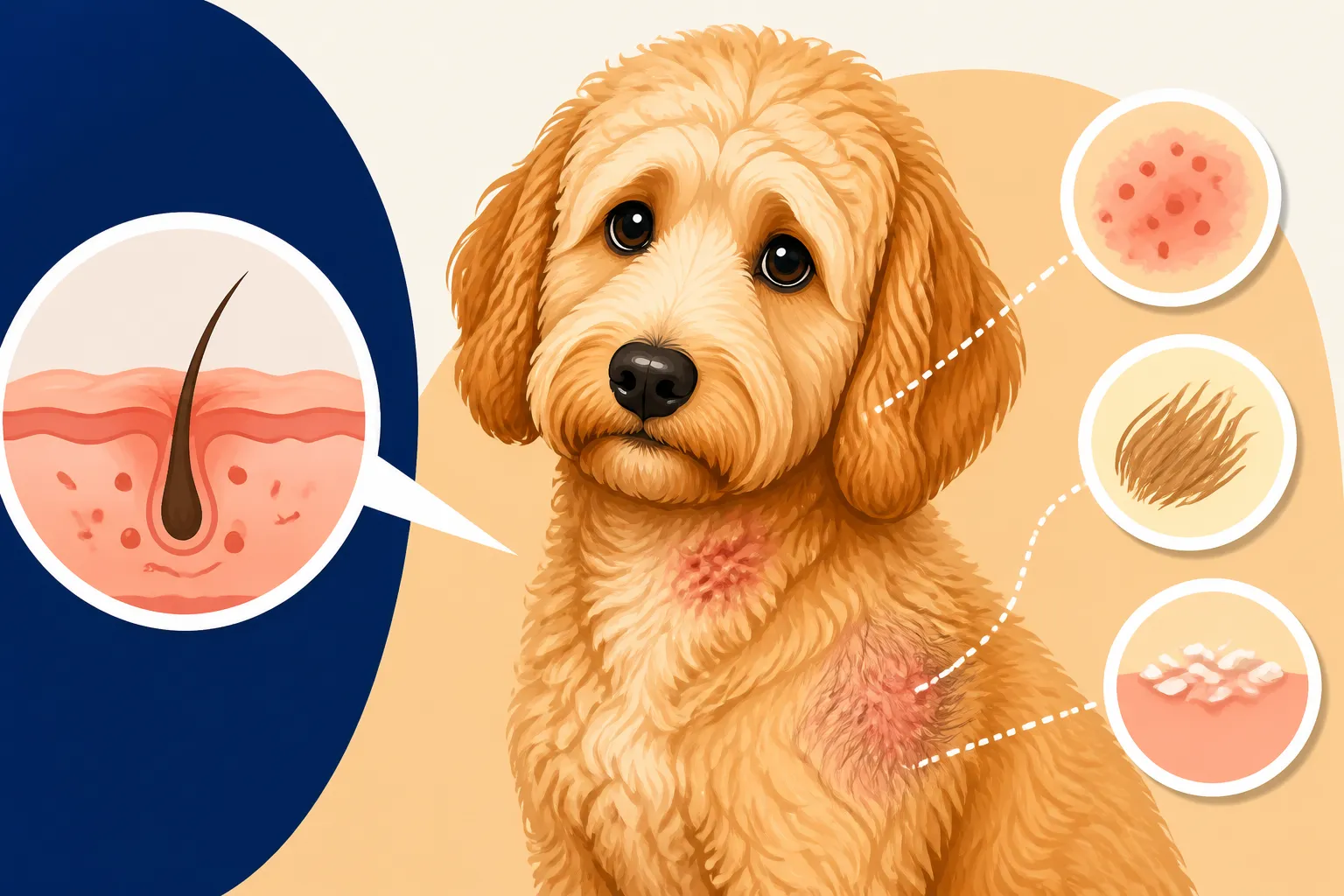
Pyoderma can manifest in several ways: as small red bumps (papules), pus-filled lesions (pustules), crusts, or circular areas of hair loss. In more severe cases, deep pyoderma can lead to painful sores, ulcers, and draining tracts. You might notice your Goldendoodle develops "pimples" or a scaly, itchy rash on their belly, inner thighs, or armpits. The fur, especially if matted, can also trap bacteria against the skin, making infections worse and harder to spot until they are advanced. A visit to the vet for diagnosis, often involving a skin cytology, is crucial. Treatment usually requires antibiotics, either topical or oral, and medicated shampoos to help clear up the infection. Without addressing the underlying cause, pyoderma can become a recurring nightmare.
Persistent Ear Infections from Trapped Moisture
Goldendoodles, with their adorable floppy, heavily-furnished ears, are unfortunately highly prone to ear infections. The long, dense hair inside and around the ear canal traps moisture, warmth, and debris, creating a perfect environment for yeast and bacteria to thrive. Whether your Goldendoodle loves a good swim, gets wet during a walk, or even just has a bath, if those ears aren't thoroughly dried and cleaned, an infection can quickly set in.
Symptoms include head shaking, scratching at the ears, a foul odor, redness, and a discharge (which can be waxy, dark, or pus-like). Your Goldendoodle might even become sensitive to having their ears touched. Chronic ear infections are not only painful for your dog but can also lead to more serious issues if left untreated, like hearing loss or hematomas from vigorous head shaking. Many Goldendoodle owners learn to check and clean their dog's ears weekly as a preventative measure. Regular Cleaning a Goldendoodle Ear Before It Gets Infected is a non-negotiable part of their care routine, often involving specialized ear cleaners. For some Goldendoodles, strategic trimming of the hair around the ear canal can also improve airflow and reduce moisture retention, though plucking ear hair remains a debated topic among professionals.
Hormonal and Autoimmune Skin Conditions
While less common than allergies or infections, certain hormonal imbalances and autoimmune diseases can also manifest as significant skin and coat problems in Goldendoodles. These conditions are often more systemic and require careful diagnosis and long-term management.
Hypothyroidism and Coat Changes
Hypothyroidism, an underactive thyroid gland, is a hormonal condition that can affect Goldendoodles, inherited from both parent lines but notably from the Golden Retriever. The thyroid gland produces hormones vital for metabolism, and when its function is impaired, it can lead to a cascade of symptoms, including significant changes in the skin and coat.
Goldendoodles with hypothyroidism often develop a dull, dry, and brittle coat that may thin out, particularly on the flanks, chest, and tail (giving them a "rat tail" appearance). You might notice increased shedding, patches of hair loss that are symmetrical, and the skin becoming thickened, flaky, or darker. Other signs of hypothyroidism include weight gain despite no change in diet, lethargy, cold intolerance, and sometimes secondary skin infections dueard to a weakened immune system. It’s a classic case where the external appearance signals a deeper internal issue. Diagnosis involves blood tests to measure thyroid hormone levels. Fortunately, hypothyroidism is usually very manageable with daily oral thyroid hormone replacement medication, and owners often see a dramatic improvement in their dog's coat and energy levels once treatment begins. More on this topic can be found in Thyroid Disease and a Goldendoodle Losing Coat.
Sebaceous Adenitis, a Poodle Line Concern
Sebaceous adenitis (SA) is a rare but serious autoimmune skin disease that Goldendoodles can inherit from their Poodle lineage. In SA, the immune system mistakenly attacks and destroys the sebaceous glands in the skin, which are responsible for producing sebum – the natural oils that keep the skin and coat healthy and lubricated. Without these oils, the skin becomes dry, scaly, and prone to secondary infections.
Symptoms often begin with a dull, brittle coat and localized hair loss, particularly along the top of the head, neck, and back. The hair may appear moth-eaten or clumpy. As the disease progresses, the skin becomes flaky, scaly, and thickened, sometimes developing follicular casts (dandruff-like material clinging to the hair shafts). You might notice a characteristic "silvering" of the coat in affected areas. Because the skin barrier is compromised, secondary bacterial or yeast infections are common, leading to further itching and discomfort. Diagnosing SA requires a skin biopsy. While there's no cure, treatment focuses on managing symptoms and improving skin health, often involving special shampoos, conditioners, topical oils, and sometimes oral medications to modulate the immune system. This condition highlights the importance of understanding The Skin Disease a Goldendoodle Gets From the Poodle Line.
Parasitic Skin Issues You Might Encounter
Even with the best preventative care, parasites can sometimes find their way onto your Goldendoodle's skin and coat, leading to intense itching, irritation, and potential secondary infections. Their thick fur can make these tiny invaders particularly difficult to spot.
Fleas, Ticks, and Mites Hiding in the Fur
Fleas are a common bane for many dog owners, and Goldendoodles are no exception. These tiny, reddish-brown insects cause intense itching and can trigger allergic reactions (flea allergy dermatitis) in sensitive dogs. Their dense coat provides ample hiding places, making them hard to see until infestations are significant. You might notice "flea dirt" (black specks, actually flea feces) on your Goldendoodle's skin or bedding, or they might be scratching, licking, and chewing themselves raw, especially around the base of the tail and groin.
Ticks are another concern, especially for Goldendoodles who love to explore grassy or wooded areas. While a tick bite itself can cause localized irritation, the greater danger lies in the diseases they can transmit, such as Lyme disease or anaplasmosis. Their thick coat again makes ticks difficult to find, emphasizing the need for thorough checks after outdoor excursions. Mites, like those causing sarcoptic mange or demodectic mange, are less common but can cause severe itching, hair loss, and crusty skin lesions. While fleas and ticks are often visible, mites require a microscopic skin scrape for diagnosis. Regular use of veterinarian-prescribed flea and tick prevention is absolutely paramount for Goldendoodles, safeguarding both their skin health and overall well-being.
Hot Spots from Constant Licking and Chewing
"Hot spots," medically known as acute moist dermatitis, are intensely red, inflamed, moist, and often painful skin lesions that appear suddenly and can spread rapidly. They are typically caused by a Goldendoodle constantly licking, chewing, or scratching a particular area, often triggered by an underlying itch. This self-trauma creates a perfect warm, moist environment for bacteria to rapidly proliferate, leading to an infection.
The thick Goldendoodle coat acts as a fantastic insulator, trapping moisture and heat against the skin, which significantly exacerbates hot spots. What might start as a minor itch from a flea bite, an allergy flare-up, or even just boredom, quickly escalates into a raw, weeping sore within hours. Common locations include the neck, flank, and base of the tail. Owners often discover hot spots by smell before seeing them, due to the rapid bacterial growth. Treating hot spots involves clipping the hair around the lesion, cleaning it thoroughly, and applying topical or oral antibiotics and anti-inflammatory medications. Preventing hot spots means identifying and addressing the underlying cause of the initial itch. You can read more in Goldendoodle Hot Spots Under a Thick Coat.
| Condition | Common Symptoms | Key Causes | Treatment Approach |
|---|---|---|---|
| Environmental Allergies | Itching (paws, belly, ears, face), redness, paw licking, seasonal flare-ups | Pollen, dust mites, mold, dander | Antihistamines, steroids, Apoquel, Cytopoint, medicated shampoos, immunotherapy |
| Food Allergies | Year-round itching, chronic ear infections, GI upset, anal gland issues | Proteins (chicken, beef), grains (wheat, soy), dairy | Elimination diet, novel/hydrolyzed protein diet |
| Contact Dermatitis | Localized redness, bumps, itching on areas touching irritant | Cleaning products, certain plants, bedding materials | Identify and remove irritant, topical steroids |
| Yeast Infection | Musty odor (Frito smell), greasy skin, redness, itching, thickened skin | Trapped moisture, allergies, compromised skin barrier | Antifungal shampoos, wipes, oral medications (fluconazole, ketoconazole) |
| Bacterial (Pyoderma) | Red bumps, pustules, crusts, hair loss, itching, raw sores | Secondary to allergies, parasites, trauma, hormonal issues | Topical/oral antibiotics, medicated shampoos (chlorhexidine) |
| Hypothyroidism | Symmetrical hair loss (flanks, tail), dull/brittle coat, weight gain, lethargy | Underactive thyroid gland | Lifelong thyroid hormone replacement medication |
| Sebaceous Adenitis (SA) | Dull coat, hair loss (head, neck, back), scaling, follicular casts, secondary infections | Autoimmune destruction of sebaceous glands | Topical oils, immunomodulating drugs, specialized shampoos, cyclosporine |
| Fleas/Ticks/Mites | Intense itching, scratching, visible parasites/flea dirt, hair loss, skin irritation | Exposure to infested animals/environment | Vet-prescribed topical/oral preventatives, environmental treatment for fleas, medicated baths |
| Hot Spots | Red, moist, painful, rapidly spreading sores, localized hair loss, foul odor | Self-tratrauma from licking/chewing (triggered by underlying itch) | Clipping hair, cleaning, topical/oral antibiotics, anti-inflammatories, Elizabethan collar |
Diagnosing Goldendoodle Skin Problems
Pinpointing the exact cause of a Goldendoodle's skin issues can be incredibly challenging, even for experienced veterinarians. Their dense, curly coats can effectively hide early signs, and many conditions present with similar symptoms, requiring a systematic and often lengthy diagnostic process.
The Importance of a Thorough Vet Exam
When your Goldendoodle starts showing signs of skin irritation, the very first step is a thorough examination by your veterinarian. Don't try to self-diagnose or treat with over-the-counter remedies without professional guidance, as you might mask symptoms or worsen the problem. During the exam, your vet will perform a comprehensive physical check, carefully parting the fur to inspect the skin underneath. They'll look for redness, bumps, crusts, scales, hair loss patterns, and any unusual odors. They'll also check ears, paws, and under the tail.
Be prepared to provide a detailed history: when did the symptoms start? Are they seasonal? What have you tried so far? Has there been any change in diet, environment, or grooming routine? Does your Goldendoodle have any other symptoms like coughing, sneezing, or gastrointestinal issues? This information is crucial for your vet to begin forming a diagnostic plan. They might also discuss your Goldendoodle's genetic background, if known, as certain conditions are more prevalent in Poodles or Golden Retrievers. This initial visit is the foundation for solving the puzzle, and a good relationship with your vet is invaluable. Many Goldendoodle owners benefit from pet insurance plans, like those offered by Healthy Paws, which can help cover the costs of these initial diagnostic visits and subsequent treatments.
Diagnostic Tests: From Skin Scrapes to Allergy Panels
To get to the bottom of your Goldendoodle's skin problems, your vet will likely recommend a series of diagnostic tests. These tests help rule out common culprits and narrow down the possibilities.
- Skin Scrapes: This quick and non-invasive test involves gently scraping the surface of the skin with a blade (sometimes after applying mineral oil) and examining the sample under a microscope. It's excellent for identifying external parasites like mites (e.g., Demodex or Sarcoptes), which are often invisible to the naked eye.
- Cytology: This involves taking a direct impression of the skin (using tape or a slide) or swabbing an ear or lesion to look for yeast and bacteria under a microscope. It can quickly confirm the presence of secondary infections that often accompany allergies.
- Fungal Culture: If ringworm (a fungal infection) is suspected, hair and skin samples are cultured in a lab to identify the specific fungus.
- Blood Tests: These can be used to check for underlying systemic issues like hypothyroidism (thyroid panel) or to perform allergy testing. Serum allergy tests measure antibodies in the blood to various environmental allergens.
- Elimination Diet Trials: For suspected food allergies, a strict dietary trial (8-12 weeks) using a novel protein or hydrolyzed protein food is the gold standard. This means no other treats, chews, or human food. It requires immense commitment but is often the only way to definitively diagnose a food allergy.
- Intradermal Skin Testing: Performed by a veterinary dermatologist, this test involves injecting tiny amounts of common allergens under the skin and observing for reactions, similar to human allergy testing. This is often done to formulate specific allergy immunotherapy.
- Skin Biopsy: For more unusual or persistent conditions, especially those suspected to be autoimmune (like sebaceous adenitis) or cancerous, a small piece of skin tissue is surgically removed and sent to a pathologist for microscopic examination.
It's important to understand that diagnosing chronic skin issues in Goldendoodles can take time, patience, and sometimes multiple tests. Don't get discouraged if the first few tests don't provide a definitive answer. Working closely with your vet, and potentially a veterinary dermatologist, is key to developing an effective long-term management plan. This thorough approach is often necessary, and The DNA Panel a Goldendoodle Breeder Should Run can sometimes give insights into genetic predispositions, though it doesn't replace active diagnosis.
Managing and Preventing Goldendoodle Skin and Coat Disease
Living with a Goldendoodle prone to skin issues means adopting a proactive and consistent approach to their care. It's not just about treating flare-ups, but implementing daily and weekly routines designed to keep their skin barrier healthy and robust.
A Consistent Grooming Routine is Key
For Goldendoodles, grooming isn't just about looking pretty; it's a vital component of skin disease prevention and management. Their thick, often curly or wavy coats are notorious for matting, which can pull on the skin, create areas for moisture and bacteria to fester, and make it impossible to properly inspect the skin underneath.
A consistent routine should include:
- Daily Brushing: This is non-negotiable. Use a slicker brush and a metal comb to line-brush your Goldendoodle down to the skin, preventing mats and removing debris, loose hair, and trapped environmental allergens. Pay special attention to areas like behind the ears, armpits, groin, and paw pads. You can find excellent advice in our article on Grooming a Goldendoodle at Home Between Appointments.
- Regular Bathing: Depending on your Goldendoodle's skin condition, your vet might recommend bathing once a week or every two weeks with a medicated or hypoallergenic shampoo. Always follow up with a good conditioner to moisturize the skin and prevent dryness. Crucially, ensure you thoroughly dry the coat afterwards, especially deep down, using a force dryer if possible, to prevent moisture from sitting on the skin.
- Professional Grooming: Schedule professional grooms every 6-8 weeks. A skilled groomer can give your Goldendoodle a practical, shorter cut that's easier to maintain, trim sanitary areas, and check for hidden mats or skin issues you might have missed. They also have specialized tools and drying equipment to prevent issues.
- Ear Cleaning: Goldendoodle ears need weekly attention. Use a vet-approved ear cleaner to gently wipe out debris and excess wax, and ensure the ear canals are dry. If your dog has a lot of hair growing in the canal, discuss with your vet or groomer whether plucking or trimming is appropriate to improve air circulation. This is critical for preventing Goldendoodle Ear Infections That Return Every Month.
Dietary Adjustments and Supplements
What goes into your Goldendoodle's body can significantly impact their skin and coat health. Nutrition plays a crucial role in maintaining a strong skin barrier and modulating the immune system.
- High-Quality Diet: Ensure your Goldendoodle is on a complete and balanced, high-quality dog food appropriate for their life stage and size. For dogs with sensitivities, consider limited ingredient diets or novel protein diets, though these should ideally be discussed with your vet, especially if an elimination trial is needed for food allergies. You'll want to review Feeding a Goldendoodle by Size Category for proper portions.
- Omega-3 Fatty Acids: Supplements containing Omega-3 fatty acids (EPA and DHA), typically derived from fish oil, are often recommended for dogs with skin issues. These powerful anti-inflammatory compounds can help reduce itching, improve skin barrier function, and contribute to a healthier, shinier coat. Look for high-quality supplements with good concentrations of EPA and DHA, and discuss appropriate dosing with your vet.
- Probiotics: A healthy gut microbiome can influence overall immune function, including skin health. Some vets recommend probiotics to support gut health, which can indirectly benefit dogs with allergies and skin sensitivities.
- Antioxidants: Vitamins E, C, and other antioxidants can help reduce inflammation and support cellular health, contributing to a healthier skin barrier. Many quality dog foods include these, but supplements might be considered for dogs with chronic issues.
Always introduce new supplements or make significant dietary changes gradually and under veterinary guidance to avoid upsetting your Goldendoodle's stomach or interfering with existing treatments.
Environmental Controls and Medications
Beyond grooming and diet, managing your Goldendoodle's environment and utilizing appropriate medications are often essential components of a successful skin care plan.
- Reduce Allergen Exposure: If your Goldendoodle suffers from environmental allergies, try to minimize their exposure to known triggers. This might mean wiping their paws and face after walks, bathing them more frequently during high pollen seasons, using air purifiers indoors, and washing their bedding regularly. Using hypoallergenic cleaning products in your home can also help reduce contact allergens.
- Flea and Tick Prevention: This cannot be stressed enough. Regular, veterinarian-prescribed flea and tick prevention is crucial, even for indoor dogs. A single flea bite can trigger a massive allergic reaction in a sensitive Goldendoodle, leading to hot spots and secondary infections.
- Medications: Depending on the diagnosis, your vet might prescribe various medications to control itching, inflammation, and infections. These can include:
- Antihistamines: For mild allergies, but often not strong enough for severe cases.
- Steroids: Oral corticosteroids (like prednisone) or topical steroids can quickly reduce severe itching and inflammation, but long-term use has side effects.
- Immune-modulating drugs: Medications like Apoquel or Cytopoint injections specifically target the itch pathway in allergic dogs, providing significant relief with fewer side effects than long-term steroids.
- Antibiotics/Antifungals: For bacterial or yeast infections, these can be topical (shampoos, sprays, wipes) or oral, depending on the severity and type of infection.
- Allergy Immunotherapy: For severe environmental allergies, a veterinary dermatologist can formulate custom allergy shots or oral drops (sublingual immunotherapy) based on specific test results. This aims to desensitize your Goldendoodle's immune system to the allergens over time.
Effective management is often a dynamic process, adjusting treatments and routines based on your Goldendoodle's response and seasonal changes. Regular check-ups with your vet are important to monitor progress and adapt the plan as needed. A reliable pet insurance provider like Healthy Paws can be instrumental in helping manage the ongoing costs associated with chronic skin conditions, from diagnostics to long-term prescriptions.
When to Seek Professional Veterinary Help
It can be tempting to try to manage mild skin issues at home, but knowing when to call your veterinarian is crucial for your Goldendoodle's comfort and long-term health. Delaying professional care can turn a minor irritation into a severe, painful infection.
Recognizing Serious Symptoms
While a casual scratch or lick is normal for any dog, certain symptoms warrant immediate veterinary attention. Don't wait if you notice:
- Intense, Relentless Itching: If your Goldendoodle is scratching, licking, or chewing themselves constantly, to the point of interrupting their sleep or daily activities, it's a sign they are truly miserable and need help.
- Open Sores, Scabs, or Weeping Lesions: These are often signs of active infection (like a hot spot or severe pyoderma) and can be very painful. They require prompt cleaning and medication.
- Hair Loss: Especially if it's sudden, widespread, or symmetrical, as it can indicate an underlying hormonal issue or severe allergy.
- Foul Odor: A strong, musty, or sickly sweet smell emanating from the skin or ears almost always points to an active yeast or bacterial infection.
- Red, Swollen, or Painful Skin: Any areas that appear severely inflamed, hot to the touch, or cause your Goldendoodle to yelp when touched need urgent assessment.
- Changes in Behavior: If your Goldendoodle becomes lethargic, loses their appetite, or seems unusually withdrawn due to their discomfort, it's a clear signal that the skin issue is significantly impacting their quality of life.
- Chronic Ear Infections: If ear infections keep recurring despite home cleaning, or if you see significant discharge, redness, or swelling, a vet visit is essential to prevent deeper, more serious ear conditions.
Remember, Goldendoodles can be stoic, and their dense coats can hide a lot. If you have any doubt, it's always better to err on the side of caution and get a professional opinion.
The Role of a Veterinary Dermatologist
For Goldendoodles with chronic, severe, or difficult-to-diagnose skin conditions, your regular veterinarian might recommend a referral to a veterinary dermatologist. Just like in human medicine, these specialists have advanced training and expertise specifically in skin, ear, and allergy conditions in animals.
A veterinary dermatologist has access to specialized diagnostic tools and treatments that might not be available at a general practice. They can perform advanced allergy testing (like intradermal skin testing), interpret complex skin biopsies, and formulate tailored treatment plans for conditions like severe atopic dermatitis, resistant infections, or autoimmune skin diseases. They are experts in managing chronic conditions that require long-term, nuanced care. While a referral to a specialist might seem daunting, it often provides answers and effective solutions for Goldendoodles who have suffered for a long time without relief. They can also provide guidance on managing conditions such as Goldendoodle Allergies and Itchy Skin or complex hair follicle issues. Investing in this specialized care, often supported by comprehensive pet insurance like Healthy Paws, can be the turning point for a Goldendoodle struggling with persistent skin and coat disease.
Disclaimer
This article is intended for informational purposes only and does not constitute veterinary advice. Always consult with a qualified veterinarian for any health concerns or before making any decisions about your Goldendoodle's care, diet, or treatment plan.