Senior Goldendoodle Coat Thinning
It's heartbreaking to see our beloved Goldendoodles start showing the subtle, or sometimes not-so-subtle, signs of aging. One common change that can catch us off guard is the thinning of their once-luxurious coat. It’s not just about aesthetics; it can be a sign of normal aging or, sometimes, an underlying health issue. This guide will walk you through what to expect with your senior Goldendoodle's coat, differentiate normal changes from red flags, and offer practical advice to keep them comfortable and looking their best.
The Natural Progression of a Goldendoodle's Aging Coat
Just like us, dogs experience a decline in various bodily functions as they age, and their skin and coat are certainly not immune to this. What was once a thick, often bouncy, and vibrant coat can start to lose some of its luster, density, and even change texture. It's a natural part of the journey, but understanding why it happens can help you manage it better.
What "Coat Thinning" Really Looks Like
When we talk about senior Goldendoodle coat thinning, we're not usually talking about sudden, dramatic bald patches, although those can occur with specific medical conditions which we’ll cover later. Instead, it’s often a more gradual process. You might notice the hair around their flanks becoming sparser, or perhaps the hair on their belly or the base of their tail feeling less dense than before. Sometimes, it’s just an overall reduction in the sheer volume of their coat. When you brush them, you might find more hair coming out, or their signature curls might not be as tight or full. It can feel like their coat is losing its "oomph," becoming a bit wispy in certain areas. This isn't just cosmetic; a thinner coat can offer less protection from the elements, making them more susceptible to temperature changes or even minor skin irritations.
Why Coat Texture Changes with Age
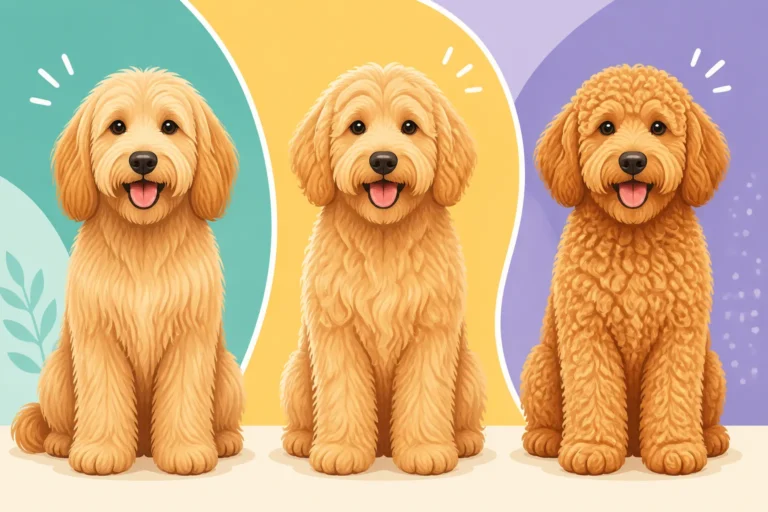
Beyond just thinning, the actual texture of your Goldendoodle's coat can undergo a significant transformation as they get older. The hair follicles themselves age, becoming less efficient at producing strong, healthy strands. You might find that the soft, puppy-like fluff that may have lingered into their adult years gives way to a coarser, more brittle texture. Conversely, some Goldendoodles might experience a softening, where their once-dense curls become finer and less robust. This change is often due to a decrease in the production of natural oils by the sebaceous glands in the skin. These oils are crucial for keeping the coat supple and shiny. Less oil means drier skin, and consequently, drier, more fragile hair that is prone to breakage and feeling less luxurious. It's a bit like our own hair becoming drier or coarser as we get older, needing different care than it did in our youth.
Health Conditions That Mimic Senior Coat Thinning
While some coat thinning is a normal part of aging for your Goldendoodle, it’s absolutely vital to be aware that certain health conditions can present with similar symptoms. These aren't just cosmetic issues; they can be signs of serious underlying problems that require veterinary attention. Don't just dismiss changes in their coat as "just old age" without a professional check-up.
Hormonal Imbalances (Thyroid and Adrenal)
Hormonal issues are a big one, and unfortunately, Goldendoodles can be prone to them due to their parent breeds. One of the most common culprits is hypothyroidism, a condition where the thyroid gland doesn't produce enough thyroid hormone. This hormone is essential for regulating metabolism, and a shortage can manifest in a myriad of ways, including significant coat changes. You might see symmetrical hair loss, often on the flanks or along the tail, sometimes accompanied by a dull, brittle coat that sheds excessively. Their skin might also become dry, flaky, or even thickened. Beyond the coat, a hypothyroid Goldendoodle might seem lethargic, gain weight without an increase in food, or be less tolerant of cold temperatures. If you're noticing these signs, a vet visit for a full thyroid panel is definitely in order. You can learn more about this in Thyroid Disease and a Goldendoodle Losing Coat.
Another less common but serious hormonal issue is Addison's disease, which Goldendoodles can inherit from their Poodle lineage. This condition affects the adrenal glands, leading to an insufficient production of essential hormones. While not always primarily a coat issue, chronic Addison's can lead to a generally poor coat condition, dullness, and sometimes patchy hair loss. The more telling signs, however, are often gastrointestinal upset, lethargy, weakness, and a general "failure to thrive." If your senior Goldendoodle is showing a combination of coat problems with these other, more severe symptoms, it’s crucial to get them checked for Addison's disease right away. More detailed information can be found in Addison's Disease a Goldendoodle Gets From the Poodle.
Skin Issues and Allergies in Older Goldendoodles
Older Goldendoodles, like all aging dogs, can develop or exacerbate existing skin conditions that impact their coat. Just because they didn't have severe allergies as a puppy doesn't mean they won't develop them or have them worsen with age. Environmental allergies, often called atopy, can lead to intense itching, paw licking, and secondary skin infections, all of which contribute to hair loss and a poor coat. The constant scratching and biting can break hair shafts, create bald spots, and damage follicles. Food allergies can also manifest on the skin, causing similar irritation. Exploring Goldendoodle Allergies and Itchy Skin can provide more insight into managing these conditions.
Beyond allergies, certain skin diseases, such as sebaceous adenitis, can sometimes appear or worsen in older dogs. This condition attacks the sebaceous glands, leading to dry, scaly skin, a dull coat, and progressive hair loss. Goldendoodles, particularly those with dense, curly coats, can be susceptible. It's a frustrating condition because it mimics other skin issues, but a vet can often diagnose it with a skin biopsy. For more information on this specific issue, check out Sebaceous Adenitis and a Goldendoodle Losing Coat. It's really about recognizing that constant itching, redness, flakiness, or actual sores on the skin are never "normal" and always warrant a vet visit.
Nutritional Deficiencies and Absorption Problems
As Goldendoodles age, their digestive systems can become less efficient at absorbing vital nutrients from their food. Even if you're feeding them a high-quality senior dog food, they might not be getting the full benefit of the vitamins, minerals, and healthy fats necessary for a healthy coat. Protein, in particular, is crucial for hair growth and strength, and if their body isn't processing protein effectively, the coat will suffer. Essential fatty acids, like Omega-3s and Omega-6s, are also paramount for skin hydration and coat luster, and a deficiency can lead to a dry, flaky skin and a dull, brittle coat.
This reduced absorption can sometimes be due to underlying gastrointestinal issues that might be subtle in their early stages. Conditions like inflammatory bowel disease, while not exclusive to senior dogs, can emerge or worsen with age, making nutrient uptake a challenge. When your Goldendoodle isn't absorbing enough of the good stuff, their body prioritizes essential functions over non-essential ones like maintaining a pristine coat. So, a thinning or poor-quality coat could be a signal that their internal nutritional balance is off, even if their diet seems appropriate. Discussing this with your vet can help determine if a diet change, digestive enzyme supplements, or specialized senior food is needed.
Practical Steps to Support Your Senior Goldendoodle's Coat Health
Seeing your Goldendoodle's coat change can be worrying, but there are many practical steps you can take at home, alongside veterinary guidance, to support their skin and coat health as they age. A little extra care can go a long way in keeping them comfortable and looking their best.
Adapting Your Grooming Routine
Your senior Goldendoodle's grooming needs will likely shift. Their skin may be more delicate, their joints might be achy, and their patience for long grooming sessions might decrease. The goal is gentleness and consistency.
- Gentler Brushing: Instead of vigorous brushing, opt for shorter, more frequent sessions with a softer slicker brush and a wide-toothed comb. Focus on line brushing, working in small sections to ensure you get all the way down to the skin without pulling. Be extra gentle around sensitive areas like ears, armpits, and the belly, which might be prone to matting and discomfort. If your dog has arthritis, consider brushing them while they are lying down in a comfortable position, perhaps on a soft bed. Grooming an Arthritic Goldendoodle Comfortably offers some great tips.
- Appropriate Products: Their aging skin might be drier, so switch to a hydrating, gentle shampoo and conditioner specifically formulated for sensitive or senior dogs. Look for ingredients like colloidal oatmeal or aloe vera. Always ensure you rinse thoroughly to avoid skin irritation. A good quality detangling spray, like those found on Amazon, can make brushing much easier and prevent breakage on fragile hair.
- Frequency: While daily brushing might have been your routine, if their coat is truly thinning, you might adjust to every other day, ensuring you're not over-stressing their skin. However, if matting is still a concern, keep up with daily, gentle sessions. Pay close attention to areas that mat easily, such as behind the ears and in the armpits.
Nutritional Adjustments for the Aging Dog
Diet plays a huge role in skin and coat health, especially for senior dogs whose bodies might not process nutrients as efficiently.
- Senior Formulas: Transitioning to a high-quality senior dog food is often beneficial. These formulas are typically designed with adjusted calorie counts to prevent weight gain (a common issue in less active older dogs, and important for Goldendoodle Weight Gain and the Strain on Joints) and often contain enhanced levels of joint-supporting supplements and antioxidants. Many excellent senior dog foods are available through retailers like Chewy.
- Supplements: Consider adding specific supplements to their diet after discussing with your vet.
- Omega-3 Fatty Acids: Fish oil or krill oil supplements are fantastic for skin hydration and coat luster. They help reduce inflammation, which can be beneficial for both skin health and joint comfort. These can be purchased from pet supply stores or online. Learn more about their benefits in Omega Oils for a Goldendoodle Coat.
- Probiotics/Prebiotics: A healthy gut often means healthy skin. Probiotics can support digestive health, ensuring better nutrient absorption.
- Joint Support: Glucosamine and chondroitin, often found in senior foods, are crucial for aging joints, which can indirectly impact their willingness to be groomed or exercise, both of which affect overall health and coat condition.
- Fresh Food Options: Some owners find success with fresh, human-grade dog food options, such as those offered by Ollie, as they can sometimes be more digestible and nutrient-dense, potentially offering a boost to coat health. Always ensure any new diet is balanced and approved by your veterinarian.
Regular Vet Checks and Early Detection
This is perhaps the most crucial step. You are your Goldendoodle's best advocate, but your vet is their medical expert.
- Annual (or Bi-Annual) Wellness Exams: As your Goldendoodle enters their senior years (typically around age 7-9, depending on size), more frequent vet visits become essential. Instead of just annual checks, consider bi-annual visits to catch any issues early. This aligns with advice in Senior Goldendoodle Vet Visits After Nine.
- Blood Panels: Regular senior blood panels are incredibly important. These tests can reveal a wealth of information about organ function, blood counts, and crucial hormone levels that might be impacting their coat. For instance, a thyroid panel can quickly diagnose hypothyroidism, which often presents with coat thinning. Discussing The Senior Panel a Goldendoodle Should Have at Nine with your vet is a great starting point.
- Discussion with Vet: Don't hesitate to bring up any changes in your Goldendoodle's coat, skin, or behavior with your vet. Even subtle shifts can be meaningful. Describe exactly what you're seeing – is it patchy? Symmetrical? Is there itching involved? Providing detailed observations helps your vet narrow down potential causes and conduct the most appropriate diagnostic tests. They can help you differentiate normal aging from conditions like Goldendoodle Skin and Coat Disease or Goldendoodle Hypothyroidism and Weight Gain.
When to Worry: Red Flags Beyond Normal Aging
While some coat thinning is a natural part of your Goldendoodle gracefully entering their golden years, there are definitely signs that should prompt an immediate call to your veterinarian. Distinguishing between normal age-related changes and something more serious is key to keeping your senior companion healthy and comfortable.
Sudden or Extreme Hair Loss
Normal senior coat thinning tends to be gradual and diffuse – an overall sense of less density. What is not normal, and warrants immediate attention, is sudden or extreme hair loss.
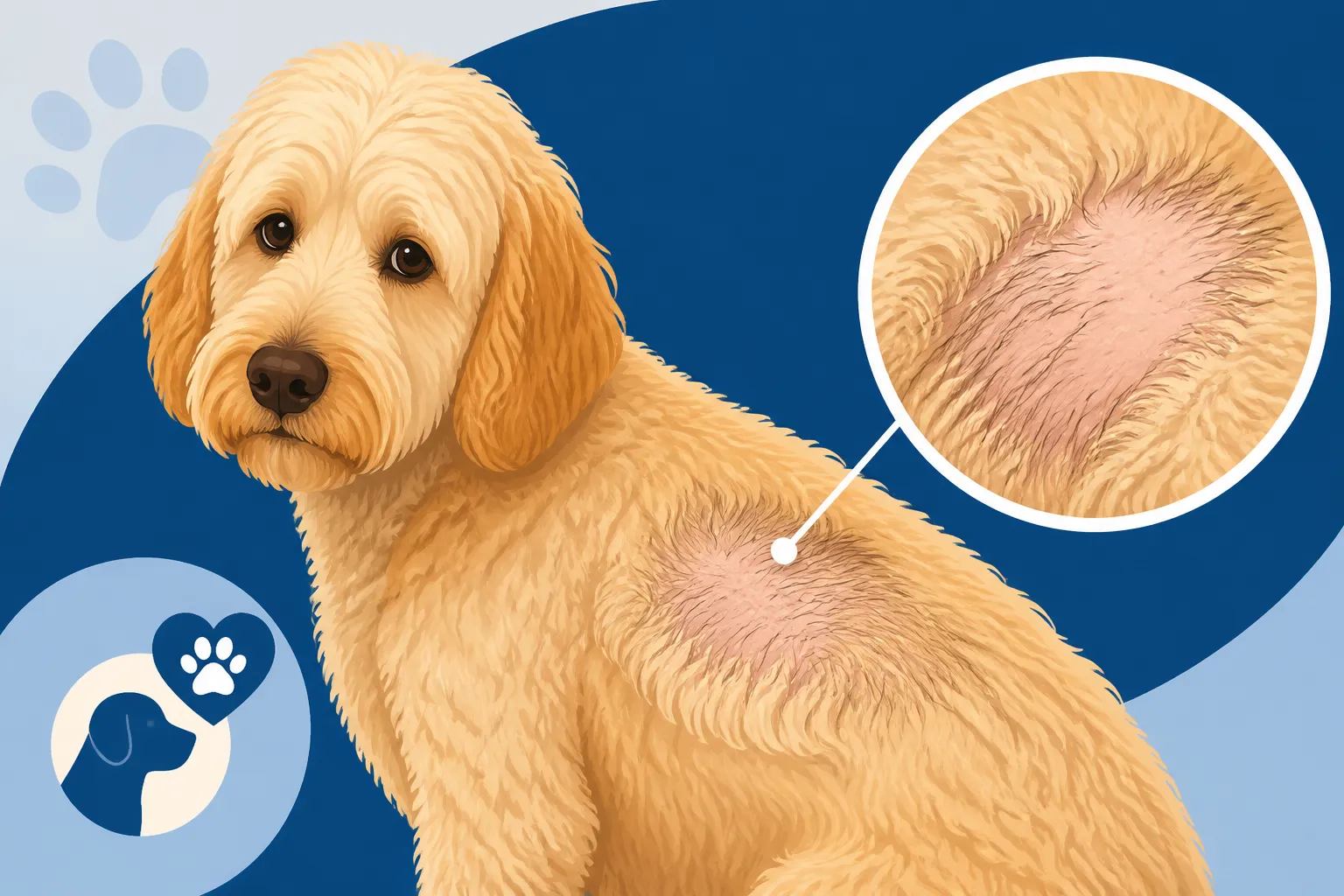
- Patchy Hair Loss: If your Goldendoodle develops distinct, circular, or irregular bald patches, especially if the skin underneath looks red, inflamed, crusty, or scaly, this is a red flag. This kind of loss is often indicative of skin infections (bacterial, fungal like ringworm), parasites (mites, fleas), or even some autoimmune conditions.
- Symmetrical Hair Loss: Hair loss that occurs identically on both sides of the body (e.g., thinning on both flanks, both ear bases) is a classic sign of an underlying hormonal imbalance, such as hypothyroidism or Cushing's disease (another adrenal gland disorder). These conditions affect the entire system, leading to predictable patterns of hair loss.
- Skin Changes: Pay close attention to the skin where the hair is thinning or lost. If it appears darkened (hyperpigmented), thickened, oily, excessively dry, or has any unusual lumps, bumps, or sores, these are strong indicators that something beyond simple aging is at play. A vet might suggest Skin Biopsies for a Goldendoodle With Coat Loss to get to the bottom of these changes.
Accompanying Symptoms That Need Attention
Coat thinning rarely happens in a vacuum when there's an underlying medical issue. Often, other symptoms will accompany the coat changes, providing crucial clues to your vet.
- Lethargy and Weakness: If your Goldendoodle seems unusually tired, less interested in walks or play, or struggles to get up and down, combined with coat changes, this could point to systemic illnesses like thyroid issues, Addison's disease, or other chronic conditions that affect overall energy levels.
- Weight Changes: Unexplained weight gain or loss, especially if their appetite hasn't changed, is a significant symptom. Weight gain with coat thinning might suggest hypothyroidism, while weight loss could indicate poor nutrient absorption or other serious internal diseases.
- Excessive Thirst or Urination: Increased drinking and peeing can be signs of kidney disease, diabetes, or Cushing's disease, all of which can have secondary effects on skin and coat health.
- Intense Itching, Licking, or Chewing: If your Goldendoodle is constantly scratching, licking their paws, or chewing at their body, it's not just an annoyance; it's a sign of discomfort. This can lead to secondary skin infections, hot spots, and self-induced hair loss. This points strongly towards allergies, parasites, or other skin irritations that need to be addressed.
- Changes in Appetite or Digestion: Any significant change in their eating habits, persistent vomiting, or chronic diarrhea, when coupled with coat issues, can indicate digestive problems preventing nutrient absorption or a broader systemic illness.
Remember, your senior Goldendoodle relies on you to notice these changes and seek help. A proactive approach to their health as they age can make a world of difference in their quality of life.
| Symptom Category | Normal Aging Coat Thinning | Concerning Coat Thinning |
|---|---|---|
| Onset | Gradual, over months/years | Sudden, rapid |
| Pattern | Diffuse, overall less dense | Patchy, symmetrical, distinct bald spots |
| Texture | Drier, coarser, or finer | Brittle, dull, very oily or very dry |
| Skin Appearance | Usually healthy, perhaps slightly drier | Red, inflamed, scaly, crusty, darkened, lumps, sores |
| Accompanying Symptoms | Minor decrease in activity (normal for age) | Lethargy, weight changes, excessive thirst, persistent itching, vomiting/diarrhea |
| Action | Adjust grooming/diet, discuss with vet at routine visits | Immediate vet consultation |
Disclaimer
This article is for general informational purposes only and does not constitute professional advice. Laws, prices and regulations vary by location and change over time. Consult a qualified professional for guidance on your specific situation.