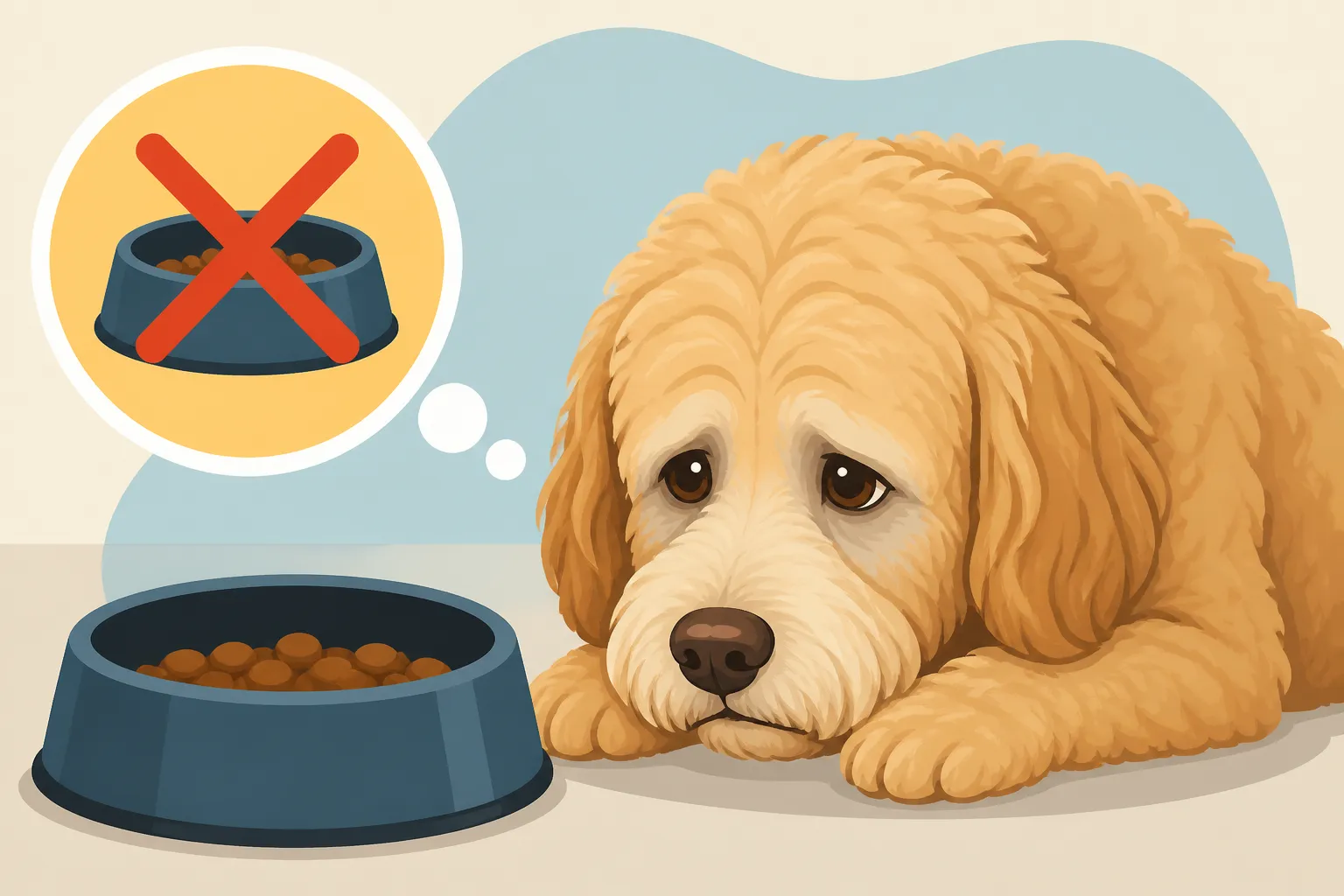
An Old Goldendoodle That Stops Finishing Meals
It's incredibly disheartening, and often quite worrying, when your beloved senior Goldendoodle starts turning up their nose at mealtime. For years, they've probably been a champion eater, gobbling down their kibble with gusto, so when they suddenly stop finishing meals or show a lack of interest, it's a clear sign that something isn't quite right. This guide is here to walk you through the many reasons why your older Goldendoodle might be losing their appetite and, more importantly, what practical, empathetic steps you can take to help them eat happily again.
Understanding Why Appetite Changes in Senior Goldendoodles
As our Goldendoodles transition into their golden years, it's natural for their bodies and routines to change, and their appetite is often one of the first things we notice. What was once a robust, eager eater can become finicky or disinterested, leaving us to wonder if it's just old age or something more serious. It's rarely a simple case of "they don't like their food anymore"; rather, a constellation of factors often contributes to this shift.
Age-Related Physiological Shifts Affecting Hunger
Just like people, dogs experience a slowdown in metabolism as they age. Their energy requirements decrease, meaning they simply don't need as many calories to maintain their body weight and activity levels. This isn't just about moving less; internal processes slow down too. What this often translates to is a genuine reduction in hunger signals. Your Goldendoodle might feel full much faster or not feel hungry for as long between meals. They might take a few bites and then walk away, not because the food is bad, but because their body is telling them they've had enough for now.
Beyond metabolism, the senses that make food appealing can dull. Their sense of smell and taste might not be as sharp as it once was, making their usual kibble less enticing. Think about how a cold affects your own appetite; now imagine a milder, chronic version of that for your dog. Food that once smelled delicious might now seem bland, leading to a lack of enthusiasm. It's a subtle change, but one that can significantly impact their desire to eat a full meal.
Dental Issues Making Eating Painful
One of the most common, yet often overlooked, reasons for an older Goldendoodle to stop eating is pain or discomfort in their mouth. Years of chewing, even on appropriate foods and toys, can take a toll. Senior dogs are highly susceptible to dental disease, including gum inflammation, tooth decay, and loose teeth. Imagine trying to eat your favorite meal with a throbbing toothache or sensitive gums; it quickly turns a pleasant experience into a painful chore.
Your Goldendoodle might approach their bowl, sniff, perhaps even take a piece or two, and then recoil or drop the food. They might chew slowly, favor one side of their mouth, or start drooling excessively. Sometimes, the pain isn't obvious until a professional veterinary dental exam reveals deeply hidden issues. Regular dental check-ups are paramount for older dogs, as even seemingly minor problems can cause significant discomfort and lead to refusal to eat. Goldendoodle Dental Crowding in the Smaller Sizes is a particular concern for some, potentially exacerbating issues in older age.
Organ Decline and Its Impact on Appetite
As Goldendoodles age, their internal organs, particularly the kidneys and liver, can start to function less efficiently. These organs play crucial roles in detoxification, metabolism, and maintaining overall body chemistry. When they begin to fail, waste products can build up in the bloodstream, leading to a condition called uremia (in kidney disease) or other metabolic imbalances (in liver disease). These toxins can cause nausea, vomiting, and a general feeling of malaise, severely reducing appetite.
You might notice more than just a lack of interest in food; your Goldendoodle might also be drinking more water, urinating more frequently, experiencing lethargy, or having episodes of vomiting or diarrhea. These are all critical signs that warrant an immediate veterinary visit. Early diagnosis and management of kidney or liver disease with specialized diets and medications can significantly improve your dog's quality of life and help stimulate their appetite. Discussing The Senior Panel a Goldendoodle Should Have at Nine with your vet is a good idea.
Cognitive Dysfunction and Changes in Routine
Canine Cognitive Dysfunction Syndrome (CCDS), often compared to Alzheimer's in humans, can affect older Goldendoodles. This neurological condition can manifest in various ways, including confusion, anxiety, changes in sleep patterns, and altered interactions. For some dogs, this confusion can extend to mealtime. They might forget where their food bowl is, become disoriented during feeding, or even forget that they've eaten.
The routine itself can become distressing if they're experiencing cognitive decline. A change in location of the food bowl, a new type of bowl, or even the presence of other pets at mealtime might cause anxiety, making them hesitant to eat. Maintaining a consistent, calm feeding routine in a familiar spot can be incredibly helpful for dogs with CCDS. It's about providing stability and comfort in a world that might feel increasingly confusing to them. A Goldendoodle That Stops Recognizing the House often indicates cognitive changes that can impact daily habits like eating.
Medical Reasons for Appetite Loss and When to See the Vet
It's tempting to think that a reduced appetite in an older dog is "just old age," but often, it's a red flag for underlying health issues that need veterinary attention. Ignoring these signs can lead to further decline, so it's vital to be vigilant and proactive. Many conditions can cause a senior Goldendoodle to lose their hunger, and only a veterinarian can properly diagnose and treat them.
Pain and Discomfort from Arthritis or Injuries
Chronic pain is a huge appetite suppressant. Our Goldendoodles are known for their playful nature, and even in their senior years, they might try to keep up with their younger selves, sometimes leading to wear and tear. Goldendoodle Arthritis After the Age of Eight is a common culprit. A dog struggling with sore joints, back pain, or even an old injury might find it uncomfortable to stand at a bowl, bend down to eat, or even lie down comfortably after a meal. The act of eating itself might not be painful, but the general discomfort makes them less interested in engaging with food.
Watch for subtle signs: reluctance to go up or down stairs, stiffness after resting, limping, or a general slowness. Your vet can assess for orthopedic pain and prescribe anti-inflammatory medications, joint supplements, or recommend physical therapy. Sometimes, simply adjusting the height of their food bowl can make a world of difference. A raised feeder can alleviate pressure on their neck and joints, making mealtime a more comfortable experience.
Digestive Upset and Gastrointestinal Issues
Digestive problems can range from mild indigestion to serious inflammatory bowel disease or pancreatitis, all of which can severely impact appetite. An older Goldendoodle might experience chronic nausea, stomach pain, or difficulty digesting their food, making them hesitant to eat. They might vomit, have diarrhea, or simply seem to have an upset stomach. These issues can be particularly insidious because they might come and go, making it hard to pinpoint.
If your Goldendoodle is experiencing persistent digestive symptoms alongside appetite loss, it's crucial to consult your vet. They might recommend diagnostic tests like blood work, fecal analysis, or imaging. Often, a change to a highly digestible, gentle diet, or even a prescription diet, can help settle their stomach and encourage them to eat again. Probiotics or other GI support supplements might also be suggested.
Kidney, Liver, and Heart Disease Manifesting as Poor Appetite
We touched on organ decline, but it's worth reiterating the seriousness of these conditions. Kidney disease, for example, not only causes a buildup of toxins but can also lead to anemia, which further reduces appetite and energy. Liver disease affects metabolism and can cause nausea and lethargy. Heart disease can lead to fluid buildup, difficulty breathing, and a general lack of energy, all of which can suppress hunger.
These conditions often progress slowly, making subtle changes in appetite an early warning sign. Your veterinarian will likely recommend a comprehensive physical exam, blood tests, and urine analysis as part of your Goldendoodle's Senior Goldendoodle Vet Visits After Nine. An echocardiogram might be performed if heart disease is suspected. The good news is that for many of these conditions, dietary management plays a massive role in treatment. Prescription diets specifically formulated for kidney, liver, or heart support can often significantly improve appetite and extend a dog's life.
Cancer and Other Systemic Illnesses
It's the fear every pet owner holds, and unfortunately, cancer is more common in older dogs, including Goldendoodles, due to their Golden Retriever lineage. The Cancers a Goldendoodle Can Inherit can sometimes present with vague symptoms like lethargy and, notably, a loss of appetite. Cancer cells compete for nutrients, and the disease itself can cause inflammation, pain, and a general feeling of unwellness that makes food unappealing.
Beyond cancer, other systemic illnesses like hypothyroidism, diabetes, or even infections can manifest with reduced appetite. A simple ear infection, while not systemic, can be painful enough to distract a dog from eating. Your vet will conduct a thorough examination and recommend appropriate diagnostics to rule out or identify these serious conditions. Early detection is key for many of these illnesses, offering the best chance for successful treatment and improved quality of life.
Medication Side Effects and Recent Vaccinations
Sometimes, the solution to one problem can inadvertently create another. If your senior Goldendoodle has recently started a new medication for arthritis, heart disease, or any other condition, a reduced appetite could be a side effect. Some drugs can cause nausea, stomach upset, or simply alter their perception of hunger. Similarly, after vaccinations, some dogs can feel a bit under the weather for a day or two, which might include a temporary dip in appetite.
Always inform your vet about any new medications your Goldendoodle is taking if you notice an appetite change. They might be able to adjust the dosage, recommend administering the medication with food, or suggest an alternative drug. If it's a temporary reaction to a vaccine, simply offering bland, tempting food for a day or two usually helps them bounce back. Keeping a detailed record of medications and any side effects can be incredibly helpful for your vet.
Dietary Adjustments and Encouraging Eating
Once any underlying medical conditions have been addressed or ruled out, the focus shifts to making food as appealing and comfortable as possible for your senior Goldendoodle. This often involves a bit of trial and error, but a few key strategies can help.
Warming Food and Adding Tempting Toppers
Just like human comfort food, a warm meal can be incredibly enticing. Warming your Goldendoodle's canned food or even dry kibble (mixed with a bit of warm water or broth) can release aromas that stimulate their dulled sense of smell. Think about how much more appetizing a warm soup smells compared to cold leftovers! Be careful not to make it too hot – just lukewarm is perfect.
Tempting toppers can also work wonders. A spoonful of plain canned pumpkin (not pie filling!), unsalted chicken broth, a little bit of cooked, shredded chicken breast, or even a small dollop of plain yogurt can transform a regular meal into a gourmet experience for your senior dog. Companies like Chewy offer a wide array of wet food toppers and broths designed to enhance palatability. Experiment to see what appeals most to your Goldendoodle, remembering to introduce new items slowly to avoid upsetting their sensitive senior stomach.
Offering Different Textures and Novel Proteins
If your Goldendoodle is struggling with chewing or has dental sensitivity, the texture of their food is paramount. Hard, dry kibble might be too uncomfortable. Switching to a high-quality wet food, or even mixing wet food into their dry kibble to soften it, can make eating much easier. Some dogs prefer a stew-like consistency, while others enjoy a pate. Don't be afraid to try different textures to see what they gravitate towards. For dogs with Feeding an Old Goldendoodle With Worn Teeth, softer options are a must.
| Food Type | Pros | Cons |
|---|---|---|
| Dry Kibble | Cost-effective, good for dental health (when teeth are healthy), easy storage. | Can be hard to chew for seniors, less palatable if sense of smell is dull. |
| Wet Food | High moisture content, very palatable, easy to chew, strong aroma. | More expensive, can lead to dental issues if not complemented by brushing. |
| Fresh/Cooked Food | Highly palatable, customizable, good for sensitive stomachs. | Time-consuming to prepare, can be expensive (e.g., Ollie), needs proper balancing. |
| Toppers/Broths | Boosts palatability of existing food, adds moisture and aroma. | Can add extra calories, needs careful ingredient selection. |
Novel proteins can also pique interest. If your Goldendoodle has eaten chicken and beef their whole life, try a limited ingredient diet with lamb, duck, or venison. Sometimes a new, interesting flavor and smell is all it takes to restart their appetite. Just ensure any new protein source is vet-approved, especially if they have allergies or sensitive digestion. Services like Ollie deliver fresh, human-grade food that often comes in novel protein varieties, making it easier to try something new.
Small, Frequent Meals Throughout the Day
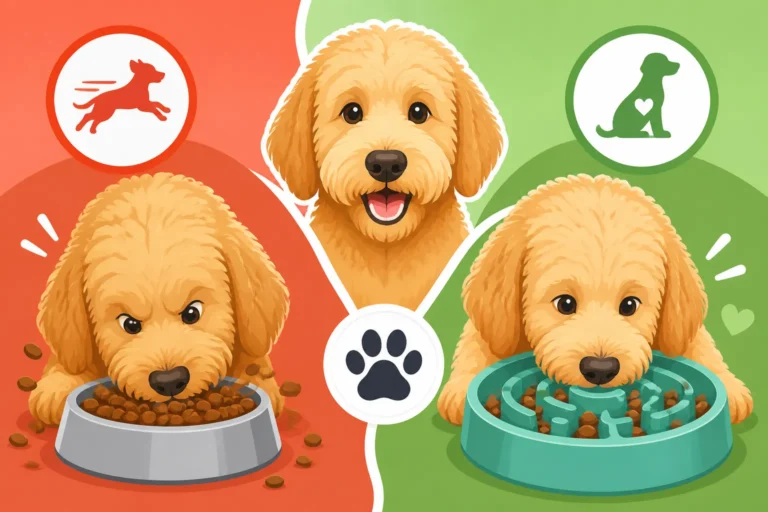
Instead of offering two large meals that might seem overwhelming, try breaking their daily food allowance into three, four, or even five smaller meals. This approach can be less daunting for a dog with a reduced appetite and can help manage any digestive discomfort. Think of it as grazing rather than feasting. Your Goldendoodle might be more inclined to finish a small portion, and these frequent positive interactions with food can help reinforce their desire to eat.
This method also prevents them from feeling overly full or nauseous if they have slower digestion. Leaving food down all day, however, is generally not recommended, as it can attract pests and make it harder to monitor their actual intake. Offer the small meal, give them 15-20 minutes, and then pick it up, even if it's unfinished. You can always offer the next small portion a few hours later. Consistency is key, even with smaller, more frequent offerings.
Creating a Comfortable and Stress-Free Mealtime Environment
Beyond the food itself, the setting and surrounding circumstances of mealtime can significantly influence a senior Goldendoodle's willingness to eat. A calm, safe, and comfortable environment can make all the difference, especially for a dog whose senses might be dulling or who is experiencing some anxiety.
Designating a Quiet, Calm Feeding Spot
For a senior Goldendoodle, a bustling kitchen during dinner prep can be overwhelming. Loud noises, children running around, or other pets vying for attention might deter them from eating. Designate a quiet, out-of-the-way spot where your Goldendoodle can eat undisturbed. This could be a corner of a less-used room, a quiet hallway, or even their crate if they find it a safe haven.
Ensure this spot is easily accessible and free from obstacles. For a Goldendoodle with mobility issues or Senior Goldendoodle Mobility and Arthritis, navigating stairs or tight spaces just to reach their bowl can be exhausting or painful. The goal is to make mealtime a peaceful, predictable ritual that they can look forward to without any external stressors. If you have multiple pets, feeding them separately can also reduce competition and anxiety.
Using Raised Bowls and Non-Slip Mats
Physical comfort plays a huge role in appetite for older dogs. Bending down to eat from a bowl on the floor can put strain on their neck, back, and joints, especially if they suffer from arthritis or Goldendoodle Joint Health by Size Category. A raised food bowl can alleviate this discomfort, allowing them to eat in a more natural, comfortable posture. You can find adjustable raised feeders from retailers like Amazon that can be set to the perfect height for your Goldendoodle.
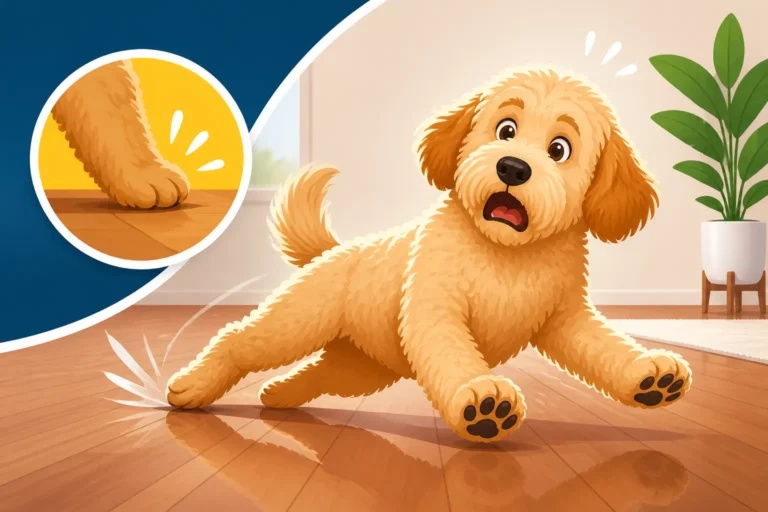
Additionally, a non-slip mat under their bowls can prevent them from sliding around, which can be frustrating or even frightening for an older dog with less stable footing. The last thing you want is for them to associate mealtime with instability or struggle. A simple rubber mat can provide the necessary grip and also catch any spills, making cleanup easier for you. These small ergonomic adjustments can make a big difference in encouraging consistent eating.
Hand Feeding or Offering Encouragement
Sometimes, a little extra attention and encouragement can go a long way. If your Goldendoodle is particularly reluctant, try offering a few bites of their food by hand. This can be a bonding experience and might just be the gentle nudge they need to start eating from their bowl. It helps them feel safe and reassured, especially if they're feeling a bit vulnerable or unwell.
Don't be overly insistent or pushy; gentle coaxing is key. Sit with them, speak in a calm, soothing voice, and offer praise when they take a bite. You might find that once they've had a few hand-fed mouthfuls, they're more willing to finish the rest from their bowl. This technique is often effective for dogs who are anxious or have a strong attachment to their human caregivers, providing comfort through interaction during a potentially stressful time.
Addressing Anxiety or Stress Around Mealtime
Anxiety, whether from separation, noise phobias, or generalized senior dog anxiety, can absolutely suppress appetite. If your Goldendoodle associates mealtime with stress – perhaps you leave for work right after, or they hear loud noises – they might be too anxious to eat. Observe their behavior around mealtime. Are they pacing, panting, cowering, or excessively licking their lips? These are all signs of stress.
Creating a calm pre-meal routine, such as a short, gentle walk or a quiet petting session, can help. Ensure they have a comfortable, safe space to retreat to, and consider calming aids if anxiety is a persistent issue. Sometimes, moving their meal to a different time of day, perhaps when the house is quieter, can alleviate stress. Consulting with your veterinarian or a certified dog behaviorist can provide further strategies for managing anxiety that impacts appetite.
Disclaimer
This article is for general informational purposes only and does not constitute professional advice. Laws, prices and regulations vary by location and change over time. Consult a qualified professional for guidance on your specific situation.