How Long Goldendoodles Usually Live
One of the biggest questions that keeps potential Goldendoodle owners up at night, and a real concern for those already sharing their lives with one, is simply this: how long do these wonderful dogs usually live? It's a completely valid worry because when you welcome a Goldendoodle into your home, you're not just getting a pet; you're getting a beloved family member, and you want as many years with them as possible. This guide is here to shed light on the typical Goldendoodle lifespan, exploring the factors that influence it and what you, as a dedicated owner, can do to maximize your furry friend's health and happiness for years to come.
Understanding Goldendoodle Lifespan Expectations
It's natural to wonder if your Goldendoodle will be with you for a decade or even longer. Generally speaking, Goldendoodles tend to live a good, long life, often falling into a similar range as their parent breeds, the Golden Retriever and the Poodle. But it's not quite as simple as just averaging the two. There are some nuances that come with being a crossbreed that are worth exploring.
The Goldendoodle's Genetic Blueprint
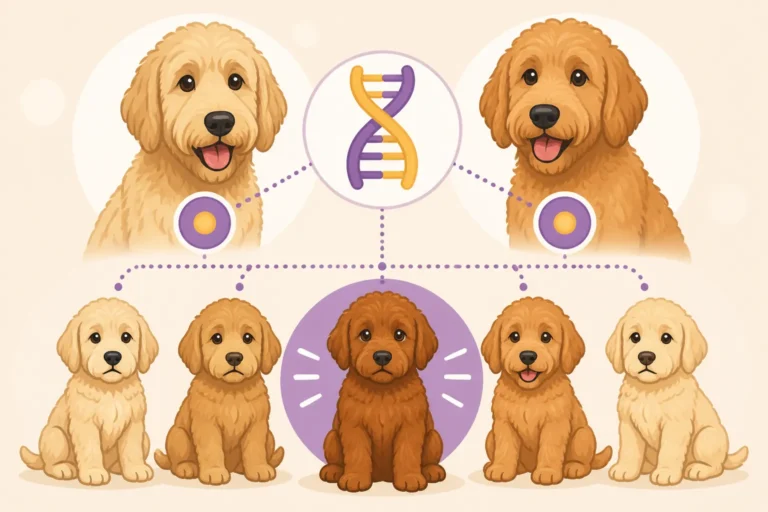
A Goldendoodle is a mix of a Golden Retriever and a Poodle, and their lifespan is often influenced by the genetics inherited from both sides. Golden Retrievers typically live between 10 to 12 years, sometimes a bit longer. They're known for their sweet nature but, unfortunately, also for certain predispositions to health issues that can sometimes shorten their lives. Poodles, on the other hand, especially the Standard Poodle, tend to have a slightly longer average lifespan, often ranging from 12 to 15 years. Their robust health and leaner build contribute to this longevity.
So, when these two breeds combine, the Goldendoodle gets a unique genetic blend. Many breeders and enthusiasts often talk about "hybrid vigor," suggesting that crossbreeds might be inherently healthier and live longer than their purebred parents. While it's true that a wider gene pool can sometimes reduce the incidence of certain recessive genetic diseases, it's not a magic bullet. A Goldendoodle still inherits genes from both parents, meaning they can inherit predispositions to conditions from either side. To truly understand What a Goldendoodle Inherits From Each Parent Breed, it's important to look at the specific health history of the sire and dam. The idea that Whether a Goldendoodle Really Lives Longer Than a Purebred is a complex topic that isn't always a straightforward "yes." Instead, a Goldendoodle's potential lifespan is more about responsible breeding and comprehensive care than just the cross itself.
Average Lifespan by Size Category
Just like with purebred dogs, the size of your Goldendoodle plays a significant role in their expected lifespan. It's a general rule in the canine world that smaller dogs tend to live longer than larger dogs. This trend holds true for Goldendoodles across their various size categories:
- Toy/Mini Goldendoodles: These smaller companions, typically weighing under 30 pounds, often enjoy the longest lifespans, frequently living between 12 to 15 years, and sometimes even a bit beyond that. Their smaller stature puts less strain on their joints and organs over time, which can contribute to greater longevity. However, they can have unique health concerns like patellar luxation or dental crowding.
- Medium Goldendoodles: Falling into the 30-50 pound range, medium Goldendoodles usually have an expected lifespan of 11 to 14 years. They often strike a nice balance between the robust health of the Poodle and the gentle nature of the Golden Retriever, with a slightly reduced risk of some large-breed issues compared to their standard counterparts.
- Standard Goldendoodles: The largest of the bunch, weighing 50 pounds and up, generally have a lifespan of 10 to 13 years. While still respectable, their larger size means they are more prone to certain conditions that can impact longevity, such as orthopedic issues and certain types of cancer. Conditions like Bloat Risk in a Standard Goldendoodle are also a greater concern for larger dogs, which is something owners need to be acutely aware of.
It's crucial to remember that these are averages. A Goldendoodle of any size can live a shorter or longer life depending on a myriad of factors, including genetics, diet, exercise, and the quality of veterinary care they receive throughout their lives.
Key Factors Influencing Your Goldendoodle's Lifespan
While genetics lay the groundwork, many aspects of a Goldendoodle's life are directly influenced by their owners. These factors are incredibly important in determining not just the quality of their years, but also the sheer number of them. Think of yourself as a co-pilot on their journey to a long and healthy life.
Proactive Health Management and Veterinary Care
One of the most impactful things you can do for your Goldendoodle is to embrace proactive health management. This means going beyond just reacting to problems when they arise and instead focusing on prevention and early detection.
Regular veterinary check-ups are non-negotiable. Even when your Goldendoodle seems perfectly healthy, annual (or even semi-annual for seniors) visits allow your vet to catch subtle changes that might indicate an underlying issue. These check-ups typically include a thorough physical examination, blood work, and sometimes urine tests, which can flag things like kidney disease, liver issues, or thyroid problems before they become critical. Staying up-to-date on vaccinations, as recommended by your vet, protects your dog from common and often deadly diseases like distemper, parvovirus, and rabies. Consistent parasite prevention, including heartworm medication and flea/tick control, is also vital, as these parasites can cause serious health complications that compromise overall well-being and shorten lifespan. For instance, chronic issues like Goldendoodle Ear Infections Under a Furnished Ear can become a recurring problem, and while not life-threatening on their own, they indicate a need for consistent care that contributes to overall health. Investing in pet insurance from providers like Healthy Paws early in your Goldendoodle's life can be a game-changer when unexpected health issues arise, ensuring you can afford the best possible care without financial strain.
Nutrition, Exercise, and Weight Management
What you put into your Goldendoodle's bowl and how much they move their body profoundly impacts their health and longevity. It's not just about keeping them happy; it's about keeping their internal systems running optimally.
A high-quality diet appropriate for their age, size, and activity level is foundational. Look for dog foods with real meat as the first ingredient and avoid excessive fillers. Overfeeding is a common pitfall. Many Goldendoodle owners, myself included, have been guilty of letting our lovable companions get a little too fluffy. Obesity in dogs, just like in humans, significantly increases the risk of numerous health problems, including diabetes, heart disease, respiratory issues, and severe strain on their joints. This extra weight can exacerbate conditions like Goldendoodle Hip Dysplasia at 15 to 20 Percent and other joint problems, making life uncomfortable and potentially cutting years off their life. Regular, consistent exercise is also paramount. Goldendoodles are intelligent and active dogs, needing at least 30-60 minutes of vigorous exercise daily, often more for standard sizes. This could be walks, runs, fetch in the park, or even swimming. Exercise helps maintain a healthy weight, builds strong muscles and bones, supports cardiovascular health, and provides crucial mental stimulation. Monitoring their weight closely and adjusting their food intake and exercise routine as needed is an ongoing commitment that pays huge dividends in their long-term health.
Mental Stimulation and Emotional Well-being
It’s easy to focus on physical health, but a Goldendoodle's mental and emotional state also plays a critical role in their overall well-being and, by extension, their lifespan. A happy, engaged dog is often a healthier dog.
Goldendoodles are highly intelligent animals, inheriting brains from both the Poodle and the Golden Retriever. They thrive on mental challenges and interaction. Without enough mental stimulation, they can become bored, anxious, or even destructive, which can manifest as stress-related health issues or behavioral problems. Engaging them in regular training sessions, even simple obedience cues, helps keep their minds sharp. Puzzle toys, scent games, and interactive play sessions are excellent ways to provide enrichment. Furthermore, Goldendoodles are incredibly social dogs; they crave companionship and being part of the family. They are prone to Goldendoodle Separation Anxiety From Both Parent Lines if left alone for long periods without proper training or management. A strong bond with their human family, consistent routines, and a safe, loving environment contribute immensely to their emotional stability. A stressed or anxious dog often has a weakened immune system and is more susceptible to illness, highlighting why a holistic approach to their care, addressing both mind and body, is essential for a long, healthy life.
Common Health Challenges and Their Impact on Lifespan
While Goldendoodles are generally considered healthy dogs, they are not immune to health issues. Because they are a crossbreed, they can inherit predispositions to diseases from both the Golden Retriever and Poodle sides of their family tree. Being aware of these potential challenges is crucial for early detection and management, which can significantly impact their quality of life and longevity.
Orthopedic Issues
Joint problems are unfortunately quite common in Goldendoodles, particularly in the larger sizes. These conditions can cause pain, limit mobility, and if severe, may lead to euthanasia if left unmanaged, thus impacting lifespan.
- Hip and Elbow Dysplasia: These are genetic conditions where the hip or elbow joints don't form properly, leading to arthritis, pain, and lameness. Golden Retrievers are particularly prone to hip dysplasia, and Poodles can also carry genes for both hip and elbow issues. Responsible breeders will perform OFA Clearances on a Goldendoodle Sire and Dam to screen their breeding stock for these conditions. Symptoms often include limping, difficulty getting up, or reluctance to exercise. While often manageable with medication, physical therapy, or even surgery, severe cases can significantly impact a dog's quality of life.
- Patellar Luxation: More common in smaller Poodles and thus in mini or toy Goldendoodles, this is when the kneecap slips out of place. It can range from mild to severe, causing intermittent lameness or chronic pain. Surgical correction is often an option, but lifelong management may be required.
Early diagnosis and appropriate treatment are key to managing these conditions and maintaining a good quality of life. Regular veterinary check-ups are essential for monitoring joint health, especially as your Goldendoodle ages, and considering Goldendoodle Joint Health by Size Category when looking at preventive care like supplements.
Cancers and Other Genetic Conditions
Cancer is a significant concern for many dog breeds, and Goldendoodles, particularly those with a strong Golden Retriever lineage, can be predisposed to certain types.
- Cancer Risk: Golden Retrievers have one of the highest rates of cancer among all dog breeds, with roughly 60% succumbing to the disease. Goldendoodles can inherit this genetic predisposition. Common cancers seen in Goldendoodles include lymphoma, hemangiosarcoma (a highly aggressive cancer of the blood vessel lining), osteosarcoma (bone cancer), and mast cell tumors. While devastating, early detection is often key to successful treatment, so being aware of The Cancer Types Both Goldendoodle Parents Pass Down or The Cancers a Goldendoodle Can Inherit is vital. Regular lumps and bumps checks during grooming are incredibly important.
- Addison's Disease: This endocrine disorder, often inherited from the Poodle side, affects the adrenal glands' ability to produce crucial hormones. Symptoms can be vague and mimic other conditions (lethargy, vomiting, diarrhea), making diagnosis challenging. Untreated, an "Addisonian crisis" can be life-threatening. With lifelong medication, however, dogs with Addison's can live full, normal lives. Early diagnosis of Addison's Disease Signs in a Goldendoodle is paramount.
- Progressive Retinal Atrophy (PRA): Both parent breeds can carry genes for PRA, a degenerative eye disease that eventually leads to blindness. While not directly life-threatening, it significantly impacts a dog's quality of life. Responsible breeders conduct DNA testing for PRA to avoid breeding affected puppies. Learning about Progressive Retinal Atrophy Carried by Both Goldendoodle Lines is important when researching breeders.
For any of these conditions, prompt veterinary care is critical. Pet insurance, such as policies offered by Healthy Paws, can be invaluable for covering the often substantial costs associated with cancer treatments, chronic disease management, and specialized vet visits, easing the burden during difficult times.
Managing Chronic Conditions for Longevity
The good news is that advancements in veterinary medicine mean that many chronic conditions that might have significantly shortened a dog's life in the past are now manageable. This means that a diagnosis of a condition like hip dysplasia or Addison's doesn't necessarily mean a drastically shortened lifespan for your Goldendoodle, but it does mean a commitment to ongoing care.
Managing chronic conditions often involves a multi-faceted approach. For orthopedic issues, this might include anti-inflammatory medications, joint supplements, weight management, and physical therapy. Some dogs benefit from hydrotherapy, acupuncture, or even regenerative medicine. For endocrine disorders like Addison's, daily medication is essential, along with regular monitoring by your veterinarian. Allergy management, for Goldendoodles who suffer from Goldendoodle Allergies and Itchy Skin, can involve special diets, medications, or immunotherapy. The goal is always to control symptoms, reduce pain, and maintain the best possible quality of life. This consistent care can be expensive, and this is where pet insurance, like a comprehensive plan from Healthy Paws, really shines, by helping to cover the long-term veterinary bills for chronic illnesses, ensuring your Goldendoodle receives the best possible care for years to come. Your commitment to managing these conditions diligently is one of the most significant gifts you can give your Goldendoodle, allowing them to thrive despite their health challenges and often reaching their full potential lifespan.
Ensuring a Long and Healthy Life for Your Goldendoodle
Bringing a Goldendoodle into your life is a long-term commitment, and much of their health and longevity rests on the choices you make for them. From where your puppy comes from to how you care for them in their golden years, every decision matters.
Choosing a Reputable Breeder
This is arguably one of the most critical steps in setting your Goldendoodle up for a long and healthy life. A reputable breeder prioritizes health above all else, and they understand the genetic predispositions of both Golden Retrievers and Poodles.
A responsible breeder will be transparent about the health history of their breeding dogs, not just the sire and dam, but often generations back. They will conduct comprehensive health testing on both parent dogs for conditions prevalent in their breeds. This includes OFA (Orthopedic Foundation for Animals) certifications for hips, elbows, and patellas, as well as eye certifications (CERF or CAER) and DNA testing for conditions like Progressive Retinal Atrophy (PRA), Von Willebrand Disease, and Ichthyosis. They should readily provide proof of these clearances. You'll want to ask specifically about Health Testing Both Goldendoodle Parents Should Have. Beware of breeders who claim "hybrid vigor" means they don't need to health test, or those who produce many different "designer breeds." A truly dedicated breeder focuses on improving the health and temperament of their chosen lines. Choosing a breeder who provides these extensive health clearances, rather than simply relying on a verbal promise, is your best defense against many inherited diseases that could shorten your Goldendoodle's life or lead to expensive medical treatments down the line.
Lifestyle Adjustments for Senior Goldendoodles
As your Goldendoodle enters their senior years, typically around age 7-9 for standard sizes and a bit later for minis, their needs will change, and adapting their care is essential for extending their comfortable years. Just like us, older dogs slow down and often face new health challenges.
This period demands a shift in routine and a heightened awareness of their changing physical and cognitive abilities. Regular veterinary check-ups become even more crucial, often twice a year, as seniors are more prone to conditions like arthritis, kidney disease, heart problems, and cancer. Your vet might recommend The Senior Panel a Goldendoodle Should Have at Nine for comprehensive insights. Their diet may need adjustment to a senior-specific formula that supports joint health and is lower in calories to prevent unwanted weight gain, especially as their activity levels decrease. Exercise should remain consistent but perhaps be less intense and shorter in duration, focusing on gentle walks or swimming to maintain mobility without over-straining joints. You may need to look into Senior Goldendoodle Mobility and Arthritis solutions. Comfort is key: provide soft bedding, consider ramps for beds or cars, and ensure easy access to food and water. Keep their minds engaged with gentle puzzle toys or short, familiar training sessions to help with Cognitive Decline in a Goldendoodle Past Ten. Adapting to these changes proactively ensures your Goldendoodle can enjoy their golden years with dignity, comfort, and the best possible health, allowing you to cherish every moment with your aging companion.
| Goldendoodle Size Category | Average Lifespan (Years) | Common Health Considerations Impacting Longevity |
|---|---|---|
| Toy / Mini Goldendoodle | 12 – 15+ | Patellar Luxation, Dental Crowding, Eye issues |
| Medium Goldendoodle | 11 – 14 | Hip/Elbow Dysplasia, Addison's Disease, Allergies |
| Standard Goldendoodle | 10 – 13 | Hip/Elbow Dysplasia, Cancer, Bloat, Heart Issues |
Disclaimer
Please remember that this article provides general information and recommendations. Every Goldendoodle is an individual, and health needs can vary greatly. Always consult with a qualified veterinarian for personalized advice regarding your dog's specific health, care, and treatment plans.