Goldendoodle Environmental Allergies by Season
It's incredibly frustrating when your beloved Goldendoodle starts itching, licking their paws incessantly, or developing recurrent ear infections, and you realize it's not just a fluke but a regular, seasonal occurrence. Many Goldendoodle owners face the challenge of environmental allergies, which can make certain times of the year a nightmare for their furry friends. This guide will walk you through understanding Goldendoodle environmental allergies, identifying seasonal triggers, and exploring effective management strategies to bring your dog much-needed relief.
Understanding Goldendoodle Environmental Allergies
Goldendoodles, much like us, can be susceptible to a range of environmental allergens that pop up with the changing seasons. It’s not just a "fluffy dog" problem; it's a genuine immune response that causes discomfort and can significantly impact their quality of life. The challenge often lies in recognizing these signs amidst their beautiful, sometimes dense, coat.
Common Seasonal Triggers for Goldendoodles
Environmental allergens are substances that, while harmless to most, trigger an allergic reaction in sensitive individuals. For Goldendoodles, these often include pollen from trees, grasses, and weeds, as well as mold spores and dust mites.
- Spring: Tree Pollen's Onslaught: As soon as spring arrives, bringing with it budding trees and blooming flowers, tree pollen becomes a significant culprit. Just like in humans, this fine, yellow dust can settle on your Goldendoodle’s coat, get inhaled, or even absorbed through their skin. Dogs roll in it, walk through it, and then bring it right into your home, perpetuating their exposure. Owners often notice the first signs of itching or paw licking beginning around March or April, depending on your geographic location and local flora.
- Summer: Grass and Weed Pollen Peak: When spring tree pollen starts to wane, grass and weed pollens take center stage during the warmer summer months. Fescue, Bermuda, Ryegrass – all these common grasses can be potent allergens. Weeds like ragweed, particularly in late summer and early fall, are also notorious for causing widespread allergic reactions. Imagine your Goldendoodle romping through a field, picking up these tiny particles on their paws and belly, which then leads to that tell-tale itch.
- Year-Round Culprits: Dust Mites and Mold: While some allergens are distinctly seasonal, dust mites and mold can be a problem any time of year, though their impact might be exacerbated by certain conditions. Dust mites thrive in warm, humid environments, often found in bedding, carpets, and upholstered furniture. Mold, on the other hand, flourishes in damp, dark places – think basements, bathrooms, or even accumulated leaves in your yard. Even in winter, when your Goldendoodle spends more time indoors, exposure to these indoor allergens can be constant.
How Allergies Manifest in Goldendoodles
The frustrating thing about environmental allergies in dogs is that they rarely present as sneezing or watery eyes like in humans. Instead, the primary manifestation is almost always skin-related, a condition known as atopic dermatitis. It's an immune system overreaction that causes inflammation and intense itchiness.
- The Itch Cycle: The most common symptom you’ll notice is incessant itching. This might start as subtle scratching or nibbling at a specific spot but can quickly escalate into frantic scratching, licking, and chewing. Paws are a favorite target; many Goldendoodles will lick their paws raw, leading to red, inflamed skin and often a rusty stain from their saliva. If you've ever seen your Goldendoodle constantly gnawing at their feet, you're likely seeing a sign of environmental allergies, a behavior that often prompts questions about Goldendoodle Paw Licking and What It Means.
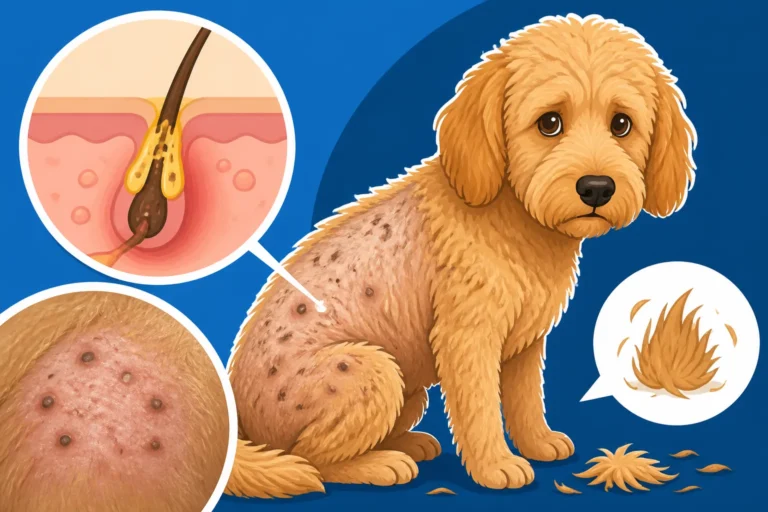
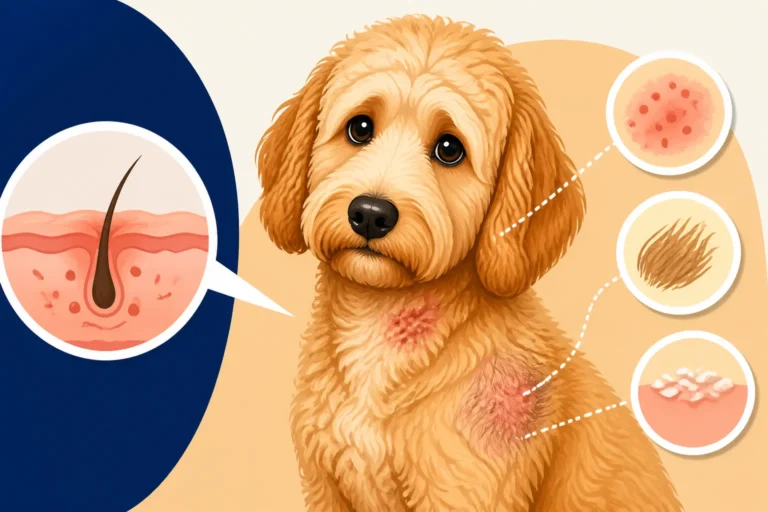
- Skin and Coat Woes: Underneath that beautiful Goldendoodle coat, the skin can tell a different story. You might find redness, rashes, bumps, or even hives. Chronic scratching and licking can lead to skin thickening (lichenification) and hyperpigmentation (darkening of the skin). This constant irritation also makes the skin susceptible to secondary bacterial or yeast infections, which can result in a foul odor and even more intense itching. The dense coat of a Goldendoodle can be a double-edged sword here, as it can hide these issues until they become quite severe, making it harder to spot Goldendoodle Hot Spots Under a Thick Coat early on.
- Ear Infections and Other Signs: Those adorable floppy ears of a Goldendoodle are a prime breeding ground for allergy-related problems. The warm, moist environment under the ear flap, especially if combined with excess hair in the canal, becomes an ideal spot for yeast and bacteria to thrive when allergies are flaring. Recurrent ear infections are a classic sign of underlying allergies, and it's something many owners find themselves dealing with repeatedly. For more on this, you might want to look into Goldendoodle Ear Hair and Chronic Infection. Beyond the skin and ears, some Goldendoodles might also experience scooting due to anal gland irritation, mild eye discharge, or even reverse sneezing. While less common, these can sometimes be subtle indicators of an allergic response.
Seasonal Allergy Management Strategies
Managing Goldendoodle environmental allergies is an ongoing process that often requires a multi-pronged approach. It's about reducing exposure, alleviating symptoms, and working closely with your vet to find the right balance for your specific dog.
Spring and Summer Allergy Protocols
When pollen counts are high, your focus should be on minimizing contact and washing away allergens. Think of it as creating a protective barrier and then diligently cleaning up.
- Frequent Wiping and Bathing: After every walk, especially if your Goldendoodle has been romping in grass or areas with high pollen, make it a habit to wipe down their paws, legs, and belly with a damp cloth or a pet-safe wipe. This simple step can dramatically reduce the amount of pollen they track into your home and absorb through their skin. During peak allergy season, consider more frequent baths using a hypoallergenic, soothing shampoo. Products designed for sensitive skin, often containing oatmeal or aloe, can help calm irritated skin. Just be sure to rinse thoroughly and dry their coat completely to prevent skin issues. This kind of regular care is also important for general Goldendoodle Skin and Coat Disease prevention.
- Environmental Control Indoors: Your home can become a haven for allergens if you're not careful. During spring and summer, keep windows closed during peak pollen hours (typically mid-morning to late afternoon) and rely on air conditioning. Invest in high-efficiency particulate air (HEPA) filters for your HVAC system and consider standalone HEPA air purifiers for the rooms your Goldendoodle spends the most time in. Regularly vacuuming with a HEPA-filtered vacuum can also help trap allergens in carpets and upholstery. Washing your Goldendoodle's bedding frequently in hot water can also remove accumulated pollen and dust mites.
- Strategic Outdoor Time: While you don't want to keep your Goldendoodle cooped up, adjusting their outdoor routine can make a difference. Try to walk them early in the morning or late in the evening when pollen counts are typically lower. Avoid areas with tall grasses or excessive flowering weeds if these are known triggers. Shortening walks on particularly high pollen days can also provide some respite.
Fall and Winter Allergy Challenges
Just because the vibrant blooms of summer are gone doesn't mean allergy season is over. Fall brings its own set of challenges, and winter often means more time indoors with concentrated indoor allergens.
- Tackling Fall Mold and Ragweed: Fall is prime time for mold spores, which thrive in damp, decaying leaves and humid conditions. If your Goldendoodle loves to roll in leaf piles, you might be inadvertently exposing them to a significant mold allergen. Clear decaying leaves from your yard regularly. Ragweed pollen is also a major culprit in late summer and early fall, often continuing until the first hard frost. Continue with the wiping and bathing protocols, especially after outdoor adventures. Indoor humidity can also contribute to mold growth, so ensure good ventilation, especially in bathrooms and basements.
- Indoor Allergens Intensify in Winter: When the weather turns cold, we tend to seal up our homes, turning on the heat and reducing fresh airflow. This creates a perfect storm for dust mites and other indoor allergens to flourish. Your Goldendoodle will likely spend more time snuggled up on furniture, carpets, and their bed, increasing their exposure. Regularly vacuuming carpets and upholstery, washing bedding weekly in hot water, and cleaning dusty surfaces become even more critical. Consider using a hypoallergenic mattress and pillow covers for your dog's bed, similar to what people with allergies might use.
- Maintaining Skin Hydration: Winter air, often dry from indoor heating, can exacerbate dry, itchy skin, making existing allergies feel even worse. A humidifier in key rooms can add moisture back into the air, benefiting both your Goldendoodle's skin and your own. Continue with moisturizing shampoos and conditioners during baths, and discuss with your vet if omega fatty acid supplements might be beneficial for maintaining skin barrier health. Supplements That Actually Help a Goldendoodle Coat can often include these beneficial oils.
Veterinary Interventions and Long-Term Solutions
When environmental management isn't enough to keep your Goldendoodle comfortable, it's time to work closely with your veterinarian. They have a range of diagnostic tools and treatments to help pinpoint and manage your dog's allergies.
Diagnostic Tools and Initial Treatments
Your vet will likely start with a thorough physical examination and a discussion of your Goldendoodle's history and symptoms.
- Ruling Out Other Causes: Before jumping to environmental allergies, your vet will want to rule out other common causes of itching, such as fleas, mites (like sarcoptic mange), and food allergies. A simple flea comb can check for fleas, and skin scrapes or cytology can identify mites or secondary bacterial/yeast infections. If your vet suspects food allergies, they might recommend an elimination diet trial, which can be a commitment but is crucial for accurate diagnosis, especially if you're seeing signs of Goldendoodle Food Allergies Showing on the Skin.
- Allergy Testing: Once other causes are ruled out, your vet might suggest allergy testing to identify specific environmental triggers. There are two main types:
- Blood Tests (Serology): A blood sample is taken and sent to a lab to measure antibodies against various allergens. It's less invasive but can sometimes produce false positives or negatives.
- Intradermal Skin Testing (IDST): This is considered the "gold standard" by many veterinary dermatologists. Small amounts of common allergens are injected just under the skin, and the reaction (or lack thereof) is observed. This usually requires sedation and is performed by a specialist. Knowing the specific allergens allows for targeted management and potentially, immunotherapy.
- Symptomatic Relief Medications: For immediate relief, your vet might prescribe medications to break the itch-scratch cycle:
- Antihistamines: Over-the-counter antihistamines like diphenhydramine (Benadryl) or cetirizine (Zyrtec) can be tried, but they are often not strong enough for severe canine allergies and can cause drowsiness. Always consult your vet for correct dosages.
- Corticosteroids: These powerful anti-inflammatory drugs (e.g., prednisone) can quickly reduce itching and inflammation. However, they come with potential side effects with long-term use, such as increased thirst, urination, appetite, and can lead to more serious issues like diabetes or Cushing's disease. They are generally used for short-term relief during severe flare-ups.
- Medicated Shampoos and Sprays: Hypoallergenic, anti-itch, antimicrobial, or antifungal shampoos can provide topical relief, reduce secondary infections, and help manage the Goldendoodle's irritated skin. These can be particularly effective for conditions like The Skin Disease a Goldendoodle Gets From the Poodle Line, which might overlap with allergy symptoms.
Advanced and Immunotherapy Options
When basic treatments aren't enough, or if long-term steroid use is a concern, advanced therapies offer more targeted solutions.
- Targeted Oral Medications:
- Apoquel (oclacitinib): This medication specifically targets the itch pathway in dogs, providing rapid and effective relief without the broad side effects of steroids. It's often well-tolerated and can be used long-term, making it a game-changer for many allergic dogs.
- Atopica (cyclosporine): An immunosuppressant that works by modifying the immune response, reducing allergic inflammation. It can take a few weeks to show full effect and may have some gastrointestinal side effects initially.
- Biologic Injections (Cytopoint): Cytopoint (lokivetmab) is an injectable antibody therapy that targets and neutralizes a specific protein (IL-31) that triggers itch in dogs. It's a non-drug solution that offers itch relief for 4-8 weeks with very few side effects, as it doesn't affect other immune pathways. This makes it an excellent choice for many Goldendoodles, especially those needing consistent seasonal relief without daily medication.
- Allergen-Specific Immunotherapy (ASIT): Often referred to as "allergy shots," this is the only treatment that can actually cure or significantly reduce the underlying allergy rather than just managing symptoms. Based on the results of allergy testing, a custom vaccine is formulated containing tiny amounts of the specific allergens your Goldendoodle reacts to. These are administered via injections (initially more frequently, then less so) to desensitize the immune system over time. Immunotherapy requires patience, often taking 6-12 months to see full effects, but it can provide lifelong relief and significantly reduce the need for other medications. This is generally a treatment option pursued with a veterinary dermatologist.
Holistic Approaches and Supportive Care
Alongside veterinary treatments, some holistic approaches and supportive care can complement allergy management.
- Omega Fatty Acids: Supplementing with omega-3 and omega-6 fatty acids can help support skin barrier health, reduce inflammation, and improve coat quality. Fish oil is a common source, but always discuss appropriate dosages with your vet based on your Goldendoodle's size and needs.
- Probiotics: A healthy gut microbiome can play a role in overall immune function. While not a direct cure for environmental allergies, probiotics may help support a balanced immune system, potentially lessening allergic reactions.
- Specialized Diets: While the focus here is environmental allergies, some Goldendoodles may have concurrent food sensitivities. Limited ingredient diets or hydrolyzed protein diets, under veterinary guidance, might be explored if food allergies are suspected to be contributing to overall skin irritation. However, a specialized diet alone won't solve environmental allergies.
- Regular Grooming and Skin Care: Beyond professional grooms, maintaining a consistent at-home grooming routine is paramount. Regular brushing, even daily during high pollen season, helps remove loose hair and allergens from the coat. For details on how often this is truly needed, check out How Often a Goldendoodle Actually Needs Brushing. Using specific shampoos and conditioners can soothe and protect the skin. Don't forget that diligent ear cleaning can help prevent Goldendoodle Ear Infections That Return Every Month from allergies.
Living with a Goldendoodle with Chronic Allergies
Having a Goldendoodle with chronic environmental allergies means committing to ongoing management. It's a marathon, not a sprint, but with consistent effort, you can significantly improve your dog's comfort and quality of life.
Creating an Allergy-Friendly Home Environment
Your home is your Goldendoodle's sanctuary, so making it as allergen-free as possible is a critical step in their comfort.
- Regular Cleaning Schedule: Implement a consistent cleaning routine. This means frequent vacuuming, dusting, and washing of pet bedding. Consider using allergen-reducing sprays for carpets and upholstery. If your Goldendoodle is allowed on furniture, cover it with washable throws that can be cleaned weekly. Pay special attention to areas where your Goldendoodle sleeps or spends most of their time.
- Air Quality Matters: Air purifiers with HEPA filters placed in rooms where your Goldendoodle spends the most time can significantly reduce airborne allergens like pollen, dust mites, and mold spores. Regularly changing filters in your HVAC system is also crucial. During dry winter months, a humidifier can help prevent dry, itchy skin by adding moisture to the air.
- Thoughtful Bedding and Materials: Opt for washable pet beds with removable covers. Consider hypoallergenic fillings if dust mites are a major concern. If you have carpet throughout your home, consider area rugs that can be easily cleaned or replaced, or explore hard flooring options which are easier to keep free of allergens.
The Importance of Consistent Grooming and Skin Care
The Goldendoodle's beautiful coat, while a joy, requires diligent care to manage allergies effectively. Without it, allergens get trapped, and skin issues quickly escalate.
- Brushing and Bathing Routine: Establish a consistent brushing schedule, ideally daily or every other day, using a slicker brush and a metal comb to get down to the skin and remove trapped allergens. During peak allergy season, incorporate more frequent baths with a medicated or hypoallergenic shampoo as recommended by your vet. Remember to thoroughly dry your Goldendoodle's coat after bathing, as dampness can encourage yeast growth. For effective allergen removal, line brushing a Goldendoodle Down to the Skin is crucial.
- Targeted Skin Care: Beyond full baths, consider targeted wipes or sprays for quick clean-ups after outdoor excursions, especially for paws and the belly. If your Goldendoodle is prone to ear infections, maintaining a regular cleaning schedule with a vet-approved ear cleaner is vital for Cleaning a Goldendoodle Ear Before It Gets Infected. This proactive approach can prevent minor irritations from escalating into full-blown infections.
- Working with a Professional Groomer: A professional groomer who understands Goldendoodle coats and skin sensitivities can be an invaluable ally. They can provide regular clips to keep the coat manageable, ensuring allergens don't get deeply embedded, and can alert you to any skin issues they find during grooming. Discuss your Goldendoodle's allergies with your groomer so they can use appropriate products and techniques. You might also find it helpful to read about Goldendoodle Allergies and Itchy Skin for more insights into managing these symptoms.
Navigating Goldendoodle environmental allergies can feel overwhelming, but with the right knowledge, consistent care, and strong partnership with your veterinarian, you can help your furry family member live a much more comfortable and itch-free life. It's an investment of time and effort, but the relief your Goldendoodle experiences is priceless. Don't hesitate to lean on your vet for guidance, and consider options like pet insurance from providers such as Healthy Paws to help manage the costs of ongoing diagnostics and treatments. Planning ahead with a provider like Healthy Paws can truly make a difference in accessing the best care for your allergic Goldendoodle.
Seasonal Allergy Triggers & Management Summary
| Season | Common Allergens | Typical Goldendoodle Symptoms | Management Strategies |
|---|---|---|---|
| Spring | Tree Pollen | Paw licking, face rubbing, skin redness, ear infections | Wipe paws/coat after walks, frequent baths, keep windows closed, air purifiers. |
| Summer | Grass/Weed Pollen, Mold | Increased itching, hot spots, skin infections, paw chewing, ear issues | Early/late walks, avoid tall grass, regular grooming, medicated shampoos. |
| Fall | Ragweed Pollen, Mold Spores | Persistent itching, skin flare-ups, ear infections, paw irritation | Clear decaying leaves, reduce outdoor exposure, continue wiping/bathing. |
| Winter | Dust Mites, Indoor Mold | Year-round itching, dry skin, paw licking, secondary infections | Frequent vacuuming, wash bedding, humidifiers, air purifiers. |
Disclaimer
This article is intended for informational purposes only and does not constitute veterinary medical advice. Always consult with a qualified veterinarian for any health concerns or before making any decisions about your Goldendoodle's care or treatment.