Adopting a Goldendoodle From Doodle Rescue
It’s a heartbreaking reality that so many Goldendoodles, those sweet, fluffy companions, end up in rescue. People often imagine a simple "rescue" process, but the truth is, finding and adopting one of these wonderful dogs from a dedicated doodle rescue comes with its own set of complexities, not to mention a significant investment of time, emotion, and money. This comprehensive guide will walk you through everything you need to know about navigating the world of Goldendoodle rescue, from understanding why these dogs need new homes to preparing for their unique needs once they're finally home with you.
The Reality of Goldendoodle Rescue: More Than Just "Saving a Dog"
When you picture "rescue," you might envision a lonely dog waiting in a shelter cage, just needing someone to give it a second chance. While that sentiment is true, the reality of Goldendoodle rescue, especially with breed-specific groups, is far more nuanced. These aren't always dogs with tragic backstories of abuse, though some certainly are. Often, they're simply dogs whose previous families couldn't meet their specific needs, leading to situations that quickly became untenable.
Dispelling the Myth of the "Perfect" Rescue Dog
Let's be honest, we all dream of the perfect dog—one that's house-trained, well-behaved, and instantly bonds with us. While many rescued Goldendoodles are incredibly loving and resilient, it’s a myth to expect every rescue dog to arrive as a blank slate or an angel. Many come with baggage, whether it's related to anxiety, lack of training, or even health issues that were neglected. For instance, a Goldendoodle might come into rescue because its previous owners failed to address its Goldendoodle Jumping and the Impulse Control Problem, leading to a chaotic home environment they couldn't manage. You might inherit a dog that's never been consistently leash-trained, or one that’s anxious when left alone, manifesting as destructive chewing or barking. These aren't flaws in the dog’s character, but rather a reflection of past experiences or lack of proper guidance. Expecting a perfect dog can lead to disappointment and, sadly, can sometimes be another reason a dog ends up back in rescue. It's crucial to approach adoption with an open heart and realistic expectations, understanding that you're signing up to help a dog heal and learn, not just to acquire a ready-made companion.
The Overwhelming Need for Doodle Rescues
It might surprise some people just how many Goldendoodles, and other "doodles," find themselves in need of a new home. With the immense popularity of these breeds, often driven by the desire for a low-shedding or "hypoallergenic" family dog, comes a shadow side: an increase in unplanned litters, backyard breeders, and impulse purchases. When people buy a Goldendoodle without fully understanding the commitment involved, particularly concerning their high-energy nature, grooming demands, and potential for Goldendoodle Separation Anxiety From Both Parent Lines, the dogs often become too much to handle. This leads to an overwhelming number of Goldendoodles being surrendered to local shelters, or specifically sought out by dedicated doodle rescue organizations across the country. These rescues are often run by passionate volunteers who pour their hearts, time, and personal finances into saving and rehabilitating these dogs. They rely heavily on a network of foster homes because they typically don't have physical shelters, which means the demand for foster families is almost as high as the demand for adopters. The sheer volume of doodles needing help underscores the critical role these rescue groups play in ensuring these dogs get the second chance they deserve.
The Unique Challenges of Rescuing a Goldendoodle
Rescuing a Goldendoodle comes with its own particular set of challenges that can differ from adopting other breeds. Firstly, their coats are a big one. Many Goldendoodles arrive at rescue in appalling condition, severely matted from head to paw. This isn't just a cosmetic issue; severe matting can be painful, restricting movement, causing skin infections, and even hiding parasites. A matted Goldendoodle will often need to be shaved down completely, which can be traumatic for the dog and expensive for the rescue. Beyond the coat, their often-sociable and sensitive nature means they can be more prone to anxiety and need careful, patient handling to adjust to new environments. Their energy levels, inherited from both parent breeds, mean they require significant exercise and mental stimulation. If these needs aren't met, you can see common behavioral issues like excessive barking, destructive chewing, or frantic greetings. A rescued Goldendoodle might need extensive Training a Goldendoodle That Wants to Please You to overcome previous neglect, which requires consistency, positive reinforcement, and a deep understanding of their breed traits. You're not just taking in a dog; you're often taking on a project of love, rehabilitation, and patient teaching.
Why Goldendoodles End Up in Rescue: Unrealistic Expectations and Hidden Costs
It's a common misconception that all dogs in rescue have suffered severe trauma. While some certainly have, many Goldendoodles find themselves homeless because their owners simply weren't prepared for the realities of living with such an intelligent, active, and high-maintenance breed. The "designer dog" label sometimes leads people to believe they're getting the best of both worlds with none of the drawbacks, and that couldn't be further from the truth.
Grooming Neglect and the Matted Mess
This is, by far, one of the most common reasons Goldendoodles end up in rescue. Prospective owners fall in love with the cute, fluffy puppy, perhaps enticed by the promise of "hypoallergenic" fur, but they drastically underestimate the grooming commitment. Goldendoodle coats, especially the curlier types, require diligent, daily or at least every-other-day brushing to prevent matting. We're not talking about a quick once-over; we mean thorough Brushing a Goldendoodle Often Enough to Stop Matting down to the skin. When this doesn't happen, mats form quickly, pulling on the skin and causing significant discomfort and pain. Owners then face a choice: pay for costly professional dematting (which can come with Dematting Surcharges on a Goldendoodle on top of the regular groom) or shave the dog down, often leading to shame or frustration. Imagine a Goldendoodle arriving at a rescue, unable to walk properly because of mats under its armpits, or with ears so matted they’re pulling the skin tight. It's a preventable tragedy that speaks volumes about unprepared ownership. This grooming responsibility isn't optional; it's a fundamental part of Goldendoodle care, and failing to understand it is a direct path to the rescue system for many of these dogs.
Temperament Mismatches and Training Gaps
Another significant factor leading to Goldendoodle surrenders is a mismatch between the dog's inherent temperament and the family's lifestyle, often exacerbated by a lack of proper training. Goldendoodles are intelligent, eager-to-please, and often highly social. However, without consistent training and socialization from a young age, these traits can manifest as challenges. For example, their natural exuberance can lead to them A Goldendoodle That Jumps on Every Guest or pulling uncontrollably on the leash. Their intelligence means they need mental stimulation; without it, they can become bored and destructive. If a family wants a calm couch potato but gets a high-energy Goldendoodle puppy, or they don't have the time or resources for consistent training, behavioral issues quickly emerge. These issues aren't the dog's fault but a consequence of unmet needs. A standard Goldendoodle, in particular, can be a lot of dog, requiring structured training and daily activity. When owners don't invest in understanding and shaping their Goldendoodle's behavior, the dog’s natural tendencies become problematic, and the family often feels overwhelmed, leading to the heartbreaking decision to rehome.
Unforeseen Health Issues and Financial Strain
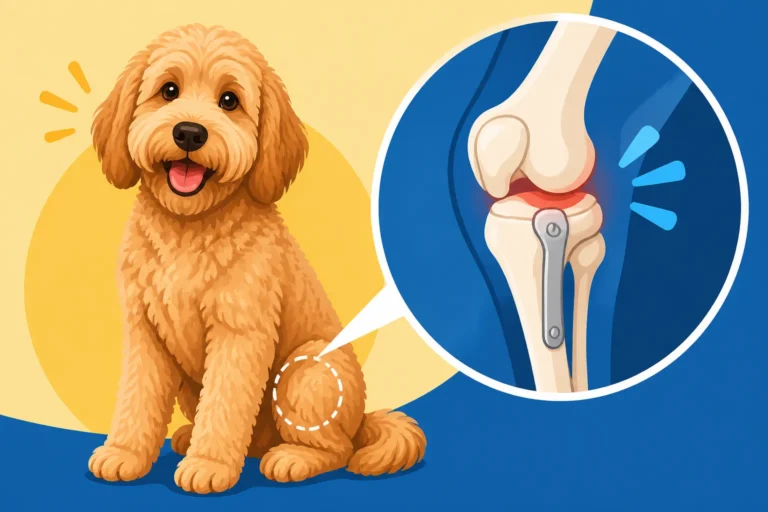
While Goldendoodles are often touted for "hybrid vigor," many still carry risks for genetic conditions from their Golden Retriever and Poodle lineage. Some breeders don't perform adequate health testing on parent dogs, meaning puppies can inherit predispositions to conditions like hip and elbow dysplasia, certain cancers, or eye conditions. When these issues surface, such as the need for Goldendoodle Hip Surgery Costs, the veterinary bills can be astronomical and unexpected. A family might adopt a puppy, only for it to develop a chronic condition like Goldendoodle Ear Infections as a Recurring Claim that requires ongoing medication and vet visits, draining their finances and patience. Pet insurance can certainly help, with providers like Healthy Paws offering robust coverage, but many owners don't sign up early enough, or the policy may not cover pre-existing conditions if the dog is older. The reality is that owning any dog, especially a larger crossbreed, involves a significant financial commitment for routine care, unexpected emergencies, and potential long-term health management. When families haven't budgeted for these "hidden costs," a sick Goldendoodle can become a financial burden too heavy to bear, ultimately pushing them towards surrender.
The Doodle Rescue Process: What to Expect When You Apply
If you've decided to open your home and heart to a rescued Goldendoodle, prepare for a thorough, sometimes lengthy, process. Doodle rescues are incredibly dedicated to finding the right match for their dogs, meaning their application procedures are often more rigorous than those of general shelters. They want to ensure these dogs land in their forever homes this time.
The Application and Vetting Gauntlet
Applying to adopt from a reputable doodle rescue isn't like walking into a pet store. It's often a multi-step process designed to ensure you're a responsible, prepared, and suitable owner. You'll typically start with an extensive online application form. This isn't just asking for your name and address; expect questions about your living situation (do you rent or own? if renting, do you have landlord approval and breed/weight restrictions?), your previous pet experience, your work schedule, how many hours the dog would be alone, your lifestyle, and your experience with Goldendoodle grooming and training needs. They'll likely ask for vet references to ensure your past animals received appropriate care. They might even request personal references. Following the application, there's often a phone interview, where a volunteer will discuss your answers, elaborate on the dog's specific needs, and answer any questions you have. Finally, a home visit is common. This isn't about judging your housekeeping skills, but rather about ensuring your home environment is safe and suitable for a Goldendoodle, checking things like fence security, potential hazards, and how other pets or children interact with visitors. It might feel intrusive, but it's all part of the rescue's commitment to the dog's well-being.
The Importance of Foster Homes
Unlike many traditional shelters, the majority of Goldendoodle rescues operate using a network of foster homes rather than a central facility. This is a huge benefit for the dogs! Instead of being in a stressful kennel environment, a rescued Goldendoodle lives with a foster family, often for several weeks or even months. During this time, the foster parents get to know the dog intimately. They observe its true personality, learn its quirks, understand its energy levels, identify any triggers or fears, assess its house-training status, and begin addressing basic obedience or behavioral issues. For example, a foster parent might discover that a specific Goldendoodle is great with children but displays signs of Goldendoodle Arthritis After the Age of Eight and needs softer bedding. This detailed insight is invaluable for the rescue in making appropriate matches. It helps them provide potential adopters with a much clearer picture of the dog's needs and personality, significantly reducing the chances of a failed adoption. When you interact with a rescue Goldendoodle, you'll likely meet it in its foster home, allowing you to see how it behaves in a real-world setting.
Matching You With the Right Goldendoodle
The goal of any good doodle rescue isn't just to move dogs out, but to place them in the right homes. This means the matching process is incredibly thoughtful and can sometimes take time. After your application is approved, the rescue will work with you to identify Goldendoodles in their care that would be a good fit for your family, lifestyle, and experience level. They consider factors like:
- Size and Energy: Are you looking for a couch potato or an active hiking partner? Do you have space for a standard Goldendoodle or prefer a mini?
- Temperament: Do you want a confident dog, or are you prepared for a more shy or anxious one that needs extra patience?
- Family Composition: Do you have young children, other pets (cats, small dogs), or live in an adult-only home?
- Grooming Commitment: Are you prepared for the extensive coat care, or do you prefer a dog that can stay in a shorter cut?
- Training Experience: Are you a first-time dog owner, or do you have experience with behavior modification?
The rescue will present profiles of suitable dogs, often with photos, videos, and detailed notes from their foster parents. They might encourage you to meet a few different dogs to see who you connect with. This careful, personalized approach is why adopting from a reputable doodle rescue can be so rewarding; they've done the groundwork to ensure you and your new Goldendoodle have the best possible chance at a happy, long life together.
Understanding the Costs of a Rescued Goldendoodle: It's Not "Free"
Adopting a rescue dog is an incredibly noble act, but it’s crucial to understand that "rescue" doesn't mean "free." While you're not paying a breeder's premium, there are still significant costs involved, both upfront and long-term. These fees and expenses are vital for the rescue's operations and for your dog's well-being.
Adoption Fees: What They Cover and Why They Vary
Adoption fees for Goldendoodles from reputable rescues can range anywhere from $300 to $800, and sometimes even higher for puppies or highly sought-after dogs. While this might seem like a lot, it's a fraction of what a Goldendoodle puppy from a breeder costs, and it covers a multitude of essential services that the rescue has already provided. These fees typically include:
- Veterinary Care: Comprehensive vet exams, vaccinations, deworming, microchipping, and often spay/neuter surgery (if not already done). Many rescues also address any immediate medical needs like ear infections, dental cleanings, or urgent treatments.
- Foster Care: While foster parents aren't paid, the rescue covers costs for food, crates, toys, and other supplies during the dog's stay.
- Rehabilitation: For dogs with behavioral issues, the rescue might invest in professional training or behavior modification before adoption.
- Administrative Costs: These cover the operational expenses of the rescue, such as website maintenance, advertising for adoptable dogs, background checks, and transport.
The fees vary based on the dog's age (puppies and young adults often have higher fees), health status, and the specific rescue organization's operational costs. Rescues are non-profits, and every dollar of the adoption fee goes back into saving more dogs.
Initial Vet Care and Hidden Health Costs
Even with a comprehensive adoption fee, your new Goldendoodle will almost certainly require initial veterinary care once it settles into your home. A "post-adoption check-up" with your own trusted vet is highly recommended within the first week or two. This allows your vet to establish a baseline, identify any lingering issues, and set up a preventive care plan tailored to your dog. Be prepared for potential "hidden" health costs. For instance, a rescue might have treated initial ear infections, but Goldendoodles are prone to recurrent issues due to their floppy, hairy ears, meaning you might face ongoing treatments or specialized cleaning regimens. Some dogs arrive with untreated dental disease, particularly if they're older, which can lead to expensive dental procedures like extractions and cleanings. While the rescue does its best, some conditions may not be apparent until the dog has settled and its stress levels decrease. This is where pet insurance, from companies like Healthy Paws or Lemonade, can be a lifesaver, helping to cover unexpected emergencies or chronic conditions once waiting periods are met. It’s always wise to budget an extra few hundred dollars for these initial vet visits and potential follow-up care.
Ongoing Expenses: Food, Grooming, and Training
Beyond the adoption fee and initial vet visits, the long-term costs of owning a Goldendoodle are substantial and ongoing.
- Food: A standard Goldendoodle can eat a considerable amount, and high-quality food, whether kibble or fresh options like Ollie, isn't cheap. Monthly Food Cost for a Standard Goldendoodle can easily run $60-$100 or more.
- Grooming: This is a huge one. As mentioned, Goldendoodles need professional grooming every 6-8 weeks, costing The $80 to $150 Goldendoodle Groom per session. Over a year, this adds up to $700-$1100, easily making it the largest single line item in your Goldendoodle budget. You'll also need quality brushes, combs, and perhaps detangler sprays for at-home maintenance.
- Training: Whether it's puppy classes, private sessions to address specific behavioral issues, or just ongoing enrichment activities, training is a continuous investment. If your rescued Goldendoodle comes with behavioral challenges from its past, like persistent jumping or leash reactivity, professional guidance will be essential.
- Preventative Care: This includes annual vet check-ups, vaccinations, flea/tick prevention, and heartworm medication.
- Miscellaneous: Don't forget toys, beds, leashes, collars, and potential boarding or pet-sitting fees.
In essence, while adopting a Goldendoodle saves a life, it's not a shortcut to "cheap" dog ownership. It requires the same, if not more, financial commitment as purchasing from a breeder, especially if the dog needs extra care.
Preparing for Your Rescued Goldendoodle: Home, Training, and Health
Bringing a rescued Goldendoodle into your home is an exciting time, but it's also a period of major adjustment for everyone involved. Thoughtful preparation can make all the difference in helping your new family member settle in successfully and thrive. Remember, many of these dogs have experienced disruption and uncertainty, so consistency and a clear routine are key.
Creating a Safe and Welcoming Environment
Before your Goldendoodle even walks through the door, you need to set up a secure and comforting space for them. Think of it from their perspective: everything is new, the smells are different, and they don't know the rules.
- Designated Safe Space: Provide a quiet, comfortable area that is their own, such as a crate covered with a blanket, or a dog bed in a low-traffic corner. This gives them a sanctuary where they can retreat when feeling overwhelmed. For a standard Goldendoodle, a large, sturdy crate is essential.
- Puppy-Proofing (Even for Adults): Many Goldendoodles come into rescue without having learned proper house manners. Assume they might chew, dig, or have accidents. Secure anything valuable, toxic, or easily damaged. Block off areas you don't want them in, especially initially.
- Essential Supplies: Have all the basics ready: food and water bowls, a comfortable bed, appropriate chew toys (Chewy has a great selection of durable toys for strong chewers), a leash and harness, ID tags, and grooming tools specific to their coat type.
- Routine: Establish a predictable daily schedule for feeding, potty breaks, walks, and playtime. Consistency helps build confidence and security. For instance, feeding your Goldendoodle at the same time morning and evening, followed by a potty break, helps them learn the rhythms of their new life.
Remember, the first few days and weeks are about decompression. Give them space, avoid overwhelming them with too many new people or experiences, and let them approach you on their terms.
Addressing Behavioral Needs with Patience
Many rescued Goldendoodles come with some behavioral baggage, whether it's mild anxiety, inconsistent house-training, or lack of basic obedience. Addressing these issues requires immense patience, understanding, and often, professional guidance.
- Positive Reinforcement: Goldendoodles respond beautifully to positive reinforcement methods. Use treats, praise, and play to reward desired behaviors. Avoid punishment, which can damage their trust and exacerbate anxiety. If your Goldendoodle is struggling with leash manners, a structured routine of short, positive walks with high-value treats can make a huge difference.
- Common Challenges: Be prepared for things like Goldendoodle Separation Anxiety From Both Parent Lines, which might manifest as barking, chewing, or potty accidents when left alone. Gradual desensitization, a comfortable crate, and puzzle toys filled with treats can help. You might also encounter Goldendoodle Jumping and the Impulse Control Problem with guests; training "four paws on the floor" with consistency will be key. Potty training might need to be reinforced, even for adult dogs, as changes in environment can cause setbacks.
- Professional Help: Don't hesitate to seek help from a certified professional dog trainer or behaviorist if you encounter challenges you can't manage alone. Many rescues offer post-adoption support or can recommend trusted trainers who specialize in rescue dogs. Investing in a trainer early can prevent small issues from becoming major problems down the line. It's an investment in a harmonious future with your Goldendoodle.
Long-Term Health Management and Nutrition
Your commitment to your rescued Goldendoodle's health will span their entire life. This includes not only regular vet care but also thoughtful nutrition and proactive management of potential breed-specific conditions.
- Regular Vet Care: Beyond the initial check-up, schedule annual wellness exams, keep vaccinations up-to-date, and maintain year-round parasite prevention. As your Goldendoodle ages, these check-ups may become more frequent, addressing issues common in Senior Goldendoodle Care After the Age of Nine.
- Nutrition: Choose a high-quality dog food appropriate for their age, size, and activity level. If your Goldendoodle arrived underweight or with a sensitive stomach, your vet can recommend specific diets. Brands like Ollie offer fresh, customized meal plans that can be beneficial for sensitive dogs. Always be mindful of What a Goldendoodle Should Never Eat, and ensure they have access to fresh water at all times.
- Weight Management: Goldendoodles can easily gain weight, especially if their exercise needs aren't met or they're overfed. Monitor their body condition carefully, as their thick coats can hide extra pounds. Goldendoodle Weight and the Load on Its Joints can severely impact their joint health, particularly if they're prone to conditions like hip dysplasia.
- Proactive Care: Understand the health risks associated with Goldendoodles, such as Goldendoodle Joint Health by Size Category, Goldendoodle Ear Infections Under a Furnished Ear, and certain eye conditions. Be vigilant for signs of these issues and discuss preventive measures with your vet. Regular grooming isn't just for aesthetics; it helps you monitor their skin for hot spots, lumps, or other concerns.
By providing consistent care, attention to detail, and a proactive approach to their health and well-being, you are ensuring your rescued Goldendoodle has the best chance at a long, happy, and healthy life with you.
The Joys and Challenges of Adopting an Older Goldendoodle
While many adopters seek out puppies, there's a special kind of magic in opening your home to an older Goldendoodle. These dogs, often past their boisterous puppy phase, come with their own unique set of rewards and, yes, some specific challenges. It's a journey of compassion and understanding, offering a deserving dog a comfortable retirement.
The Unique Rewards of Senior Goldendoodle Adoption
Adopting a senior Goldendoodle (typically considered over 7-8 years old) can be an incredibly enriching experience. You're giving a dog a comfortable, loving home for what might be their last, most cherished years, and they often repay you with profound gratitude.
- What You See Is What You Get: With an older dog, their personality, size, and grooming needs are already established. There are no surprises about how big they'll get or what their adult coat will look like. Their energy levels are often lower, making them perfect companions for quieter households or those who prefer less strenuous exercise.
- Often House-Trained and Basic Manners: Many older Goldendoodles come into rescue already house-trained and with some understanding of basic commands. This can be a huge relief compared to the intense training demands of a puppy, though some reinforcement may still be needed due to environmental changes.
- Deep Capacity for Connection: Senior dogs often form incredibly strong bonds with their new families. They've lived a life, and they seem to understand that they've been given a second chance. The loyalty and affection you receive from an older Goldendoodle can be immense and deeply moving. They often fit seamlessly into a calm household, enjoying cuddles and quiet companionship.
- Less Destructive: Past the puppy chewing phase, older dogs are generally less destructive with household items, making it easier to integrate them into your daily life without constant supervision of your belongings.
Navigating the Unknowns of an Older Dog's Past
While there are many joys, adopting an older Goldendoodle also means navigating some unknowns, particularly concerning their health and previous life experiences.
- Incomplete History: Unless the dog was surrendered directly by its original owners, the rescue might have limited information about its past medical history, diet, or behavioral quirks. This means you might not know if they were socialized as a puppy or if they had any past traumas. Your vet will need to establish a comprehensive health baseline during their initial exams, looking for underlying conditions.
- Potential Health Issues: Older dogs are more prone to age-related conditions like arthritis, dental disease, cataracts, or Goldendoodle Hypothyroidism and Weight Gain. While rescues often address immediate concerns, you'll need to be prepared for potential ongoing medical management. This means regular vet check-ups, and possibly medications or supplements to manage pain or support organ function.
- Behavioral Quirks: While many seniors are well-behaved, some might have ingrained habits or anxieties that require extra patience. They might have separation anxiety if they've been bounced between homes, or exhibit resource guarding if they’ve had to compete for food. It’s important to give them time to decompress and adapt to your routine, and to be ready to work with a trainer if challenging behaviors emerge. For instance, a Goldendoodle that has previously suffered neglect might be anxious about being handled for grooming.
Providing Comfort and Care in Their Golden Years
Bringing an older Goldendoodle home is a commitment to providing them with comfort, dignity, and quality of life in their senior years.
- Comfort is Key: Ensure they have soft, orthopedic bedding to support their aging joints. Ramps or pet stairs can help them access furniture safely if they struggle with jumping. Keep their environment consistent and predictable to reduce stress.
- Tailored Exercise: While their energy levels might be lower, older Goldendoodles still need exercise. Tailor walks to their ability, opting for shorter, more frequent strolls rather than long, strenuous hikes. Mental stimulation through puzzle toys or gentle scent games remains important. Senior Goldendoodle Mobility and Arthritis often requires careful management, including pain medication or physical therapy.
- Dietary Adjustments: Your vet might recommend a senior-specific diet or supplements for joint health. Some older Goldendoodles may have reduced appetites or dental issues, requiring softer food or dietary changes to ensure they get adequate nutrition.
- Observation and Advocacy: Be extra vigilant for any changes in their behavior, appetite, mobility, or bathroom habits. Older dogs can decline quickly, and early intervention from your vet is crucial. You become their advocate, ensuring their comfort and well-being remain paramount. This includes having difficult conversations about The Last Decisions for an Anonymizing Goldendoodle when the time comes.
Adopting a senior Goldendoodle is a beautiful act of compassion, offering a loving final chapter to a dog's life. It's a commitment that comes with its own set of responsibilities, but the love and companionship you receive in return are immeasurable.
Supporting Doodle Rescues: Beyond Adoption
Not everyone is in a position to adopt a Goldendoodle, but that doesn't mean you can't play a vital role in helping these wonderful dogs find their forever homes. Doodle rescues operate on passion, dedication, and the generosity of their communities. There are many ways to contribute, whether through fostering, volunteering, or financial donations.
Fostering: A Lifeline for Doodles in Need
Fostering is arguably one of the most impactful ways you can support a doodle rescue. As mentioned, most doodle rescues don't have physical shelters; they rely entirely on a network of volunteer foster homes to house and care for their dogs.
- Providing a Temporary Home: When you foster, you open your home to a Goldendoodle in need, giving them a safe, loving environment to decompress and rehabilitate before they find their permanent family. This frees up space for the rescue to take in another dog, effectively saving two lives.
- Evaluating and Socializing: Foster parents are crucial in evaluating a dog's true personality, observing their behaviors in a home setting, and providing basic training and socialization. This information helps the rescue make informed decisions about appropriate placements. For example, a foster family might teach a Goldendoodle basic obedience, or help it become comfortable with other dogs, providing invaluable insight for future adopters.
- The Emotional Rollercoaster (and Reward): Fostering is not without its challenges. You get attached, and saying goodbye can be hard – it’s often called "foster failure" when a foster family decides to adopt their foster dog! However, the reward of seeing a dog blossom under your care and then move into a loving forever home is immense. Rescues provide support, cover veterinary costs, and often supply food (sometimes with help from places like Chewy or your local pet store), so your primary contribution is your time, love, and space.
Volunteering Your Time and Skills
Even if you can't foster, rescues always need volunteers to help with a myriad of tasks. No matter your skills, there's likely a way you can contribute.
- Transportation: Many rescued Goldendoodles need transport from shelters, vet appointments, or between foster homes. Volunteers with reliable vehicles and a bit of time can make a huge difference in getting dogs where they need to go.
- Event Support: Rescues often hold adoption events, fundraisers, and public outreach programs. Volunteers are needed to help set up, staff booths, walk dogs, answer questions, and generally ensure the events run smoothly.
- Administrative Tasks: Behind every successful rescue are countless hours of administrative work. This could include processing applications, contacting references, managing social media, updating websites, or organizing paperwork. If you have office skills or are comfortable with technology, your help would be invaluable.
- Grooming and Training: If you have professional experience as a groomer or trainer, offering your services pro bono or at a reduced rate can directly benefit the dogs. A matted Goldendoodle needing a shave-down is a common scenario where a skilled groomer's help is critical. Even just helping to maintain a foster dog's coat can lighten the load for foster families.
Donations: Keeping Rescue Operations Running
Financial contributions are the lifeblood of any rescue organization. Running a doodle rescue is incredibly expensive, covering vet bills, food, supplies, and administrative costs.
- Monetary Donations: Even small, regular donations add up. These funds go directly towards medical treatments, food, and ensuring the dogs receive the best possible care. You can make one-time donations, or set up recurring contributions. Many rescues are 501(c)(3) non-profits, meaning your donations are tax-deductible.
- Supply Donations: Rescues constantly need supplies such as quality dog food, treats, leashes, harnesses, crates, blankets, and cleaning supplies. Check their websites for wish lists, or organize a drive within your community. Sometimes, purchasing these items through online retailers like Chewy allows for direct shipping to the rescue, making it incredibly convenient.
- Fundraising: Get creative! You can organize your own fundraisers, such as bake sales, car washes, or online campaigns, and direct the proceeds to your favorite doodle rescue. Spreading awareness and encouraging others to donate also makes a significant impact.
Every little bit helps. By supporting doodle rescues in any capacity, you are directly contributing to saving lives and giving these intelligent, loving Goldendoodles the chance for a happier, healthier future in a family that truly understands and cherishes them.
Disclaimer
This article is for general informational purposes only and does not constitute professional advice. Laws, prices and regulations vary by location and change over time. Consult a qualified professional for guidance on your specific situation.