Goldendoodle Knee Surgery Costs by Size
That sudden limp, the painful yelp after a jump, or the heartbreaking sight of your usually boisterous Goldendoodle favoring a leg – these moments can send a wave of panic through any dog parent. Knee problems are unfortunately not uncommon in our beloved Doodles, combining genetic predispositions from both Golden Retrievers and Poodles, and when they strike, the financial implications of surgery can be a huge source of stress. This guide will walk you through the various knee conditions Goldendoodles face, the diagnostic process, and a detailed breakdown of what you can expect in terms of surgery costs, broken down by your Goldendoodle's size, so you can be prepared for every step of their journey back to health.
Understanding Common Goldendoodle Knee Problems
When your Goldendoodle starts showing signs of lameness or discomfort in their hind leg, it's often linked to one of two primary knee issues: patellar luxation or cruciate ligament tears. Both can be incredibly painful and, if left untreated, can lead to chronic arthritis and a significantly reduced quality of life for your furry friend. Understanding these conditions is the first step in addressing them effectively.
Patellar Luxation in Smaller Goldendoodles
Patellar luxation, or a "slipping kneecap," is particularly prevalent in smaller Goldendoodles, like Mini and Toy varieties. This condition occurs when the patella (kneecap) dislocates or moves out of its normal groove in the thigh bone (femur). It can slip either to the inside (medial luxation, which is more common) or to the outside (lateral luxation) of the leg. When the kneecap slips, it can cause the dog to suddenly skip or limp for a few steps before it pops back into place. Over time, this constant slipping wears down the cartilage and bone, leading to inflammation, pain, and eventually, degenerative joint disease or arthritis.
While some dogs can live with low-grade patellar luxation for years with minimal discomfort, more severe cases require surgical intervention to correct the alignment and prevent further damage. The underlying causes are often genetic, a trait passed down from their Poodle lineage, which is known for this particular orthopedic issue. Understanding Why Small Goldendoodles Slip Kneecaps can help you recognize early signs and discuss preventative care with your vet.
Cruciate Ligament Tears in Active Goldendoodles
Cruciate ligament tears are another common and often debilitating knee injury, especially in active Goldendoodles, regardless of their size, though they tend to be more prevalent in larger, more athletic breeds. The cranial cruciate ligament (CCL), often referred to as the anterior cruciate ligament (ACL) in humans, is a critical stabilizing structure in the knee. When it tears, either partially or completely, the knee joint becomes unstable, leading to pain and lameness. This instability causes the femur and tibia to rub together abnormally, which can quickly lead to painful arthritis.
A sudden tear might happen during an awkward jump, a quick turn, or a misstep during vigorous play, especially if your Goldendoodle is prone to Cruciate Ligament Tears in a Jumping Goldendoodle. However, many tears are degenerative, meaning the ligament weakens over time due to chronic stress or underlying joint issues, eventually rupturing with minimal trauma. Symptoms usually include sudden onset lameness, holding the leg up, and difficulty bearing weight. Unlike patellar luxation, which might see intermittent limping, a significant CCL tear typically results in persistent lameness that worsens with activity.
Diagnosing Knee Issues in Your Goldendoodle
When your Goldendoodle starts limping or showing signs of knee pain, the first step is always a visit to your trusted veterinarian. They'll conduct a thorough examination and likely recommend some diagnostic tests to pinpoint the exact problem. This initial phase is crucial, as an accurate diagnosis dictates the most effective treatment plan and, of course, the associated costs.
Initial Vet Visit and X-rays
Your primary care veterinarian will start with a physical examination, carefully manipulating your Goldendoodle's leg and knee joint to check for instability, swelling, and pain response. For patellar luxation, they'll attempt to manually dislocate the kneecap to assess the grade of luxation (ranging from Grade 1, where it slips out and back in easily, to Grade 4, where it's permanently dislocated). For a suspected cruciate ligament tear, they’ll perform specific tests like the "cranial drawer test" and the "tibial compression test" to feel for abnormal forward movement of the shin bone relative to the thigh bone, indicating instability.
X-rays are almost always part of the diagnostic process. While X-rays don't directly show soft tissues like ligaments, they are invaluable for evaluating bone structure, identifying signs of arthritis, ruling out other bone conditions, and assessing the overall alignment of the joint. They can also help determine the long-term changes that have occurred due to chronic instability. The cost for an initial vet visit, including the examination and standard X-rays, can range from $150 to $500, depending on your location and the clinic's pricing structure. This cost is a necessary investment to understand what's truly going on inside your Goldendoodle's knee.
Advanced Diagnostics and Specialist Consultations
In some cases, the initial examination and X-rays might not provide a definitive diagnosis, or the complexity of the injury might warrant a specialist's opinion. This is when your vet might recommend advanced diagnostics or a consultation with a board-certified veterinary orthopedic surgeon. An orthopedic specialist has extensive training and experience in bone and joint conditions and can offer a more nuanced assessment and surgical plan.
Advanced imaging techniques such as an MRI (Magnetic Resonance Imaging) or CT (Computed Tomography) scan may be suggested, especially for complex or partial cruciate tears that aren't clear on X-rays, or to rule out other soft tissue injuries. These scans provide detailed images of soft tissues, allowing the surgeon to see the extent of ligament damage, meniscal tears (cartilage pads within the knee), and other subtle issues. These advanced diagnostics come with a significantly higher price tag, often ranging from $1,500 to $3,000 or more, depending on the type of scan, anesthesia required, and the facility. A specialist consultation alone might cost between $100 to $300 before any advanced imaging is performed. While these costs can seem daunting, they provide the clearest picture for the best possible outcome.
Overview of Knee Surgery Options and Costs
Once a clear diagnosis is made, your veterinary orthopedic surgeon will discuss the various surgical options available. The choice of procedure depends largely on the specific condition, the severity of the injury, your Goldendoodle's size and activity level, and the surgeon's preference and expertise. Each surgical method aims to stabilize the knee joint, alleviate pain, and prevent further degenerative changes.
Patellar Luxation Repair (MPL)
For patellar luxation, the most common surgical procedure is Medial Patellar Luxation (MPL) repair. The goal of this surgery is to deepen the trochlear groove (the groove in the femur where the kneecap sits), realign the patellar tendon, and tighten or loosen the soft tissues around the kneecap to keep it in place. There are several techniques a surgeon might use, often in combination:
- Trochleoplasty: Deepening the groove in the femur so the kneecap has a more stable track to slide in. This is often done by removing a wedge or block of bone and re-setting it deeper.
- Tibial Tuberosity Transposition: Moving the insertion point of the patellar ligament on the tibia (shin bone) to realign the quadriceps mechanism. This involves cutting a piece of bone, moving it, and reattaching it with pins.
- Fascial Release/Imbrication: Adjusting the soft tissues surrounding the kneecap – releasing tight tissues on one side and tightening loose tissues on the other – to help it stay centered.
The cost for patellar luxation repair varies significantly based on the grade of luxation, the size of your Goldendoodle, and the complexity of the techniques required. For a Toy or Mini Goldendoodle, you might expect to pay between $1,800 and $4,000 per knee. For a larger Standard Goldendoodle, if they were to have this issue, the cost could be slightly higher due to increased anesthetic and material requirements. These figures generally include the surgery, anesthesia, hospitalization for a day or two, and post-operative medications.
Cruciate Ligament Repair (TPLO/TTA)
For cruciate ligament tears, particularly in larger or active Goldendoodles, surgical intervention is almost always recommended to prevent debilitating arthritis and restore stability. The two most common and highly effective procedures are Tibial Plateau Leveling Osteotomy (TPLO) and Tibial Tuberosity Advancement (TTA). Both surgeries aim to change the biomechanics of the knee joint so that the cranial cruciate ligament is no longer necessary for stability.
- Tibial Plateau Leveling Osteotomy (TPLO): This involves making a curved cut in the top of the tibia (shin bone), rotating the bone segment, and then securing it with a bone plate and screws. This rotation changes the angle of the tibial plateau, eliminating the "cranial drawer" effect and making the joint stable during weight-bearing. TPLO is widely considered the gold standard for many large and active dogs.
- Tibial Tuberosity Advancement (TTA): In this procedure, the front part of the tibia (tibial tuberosity) is cut and advanced forward, and a titanium cage and plate are used to hold it in its new position. This changes the angle of the patellar tendon, which then neutralizes the forces that cause instability.
The costs for these advanced cruciate repair surgeries are typically higher than for patellar luxation repair due to their complexity, the specialized equipment and implants (like titanium plates and screws), and the longer surgical time. For a Goldendoodle, you can expect a TPLO or TTA procedure to range from $3,500 to $7,000 per knee. This price usually covers the surgery, anesthesia, necessary implants, overnight hospitalization, and initial post-operative care and medications. Given the complexity and potential for both Goldendoodle Hip Dysplasia at 15 to 20 Percent and knee issues, discussing potential issues with your vet early can be a good proactive measure.
Factors Influencing Surgery Cost
It's important to remember that these costs are estimates, and the final bill can be influenced by several factors:
- Geographic Location: Veterinary costs vary significantly by region. Major metropolitan areas like New York City or Los Angeles typically have higher prices than rural areas in the Midwest.
- Veterinary Specialist vs. General Practitioner: While some general practitioners perform simpler orthopedic surgeries, complex procedures like TPLO are usually performed by board-certified veterinary orthopedic surgeons, who command higher fees due to their specialized training and expertise.
- Severity of the Injury and Complications: A more severe tear or luxation, especially if accompanied by a meniscal tear (which requires an additional procedure called a meniscectomy), will increase surgical time and cost. Any unexpected complications during or after surgery can also add to the bill.
- Pre-Anesthetic Blood Work and IV Fluids: These are standard safety measures for any surgery, especially for Goldendoodles who might carry genetic predispositions for certain conditions, and are factored into the overall cost.
- Post-Operative Care and Rehabilitation: While initial post-op meds are included, extensive physical therapy, follow-up X-rays, and ongoing pain management will be additional expenses.
Breaking Down Knee Surgery Costs by Goldendoodle Size
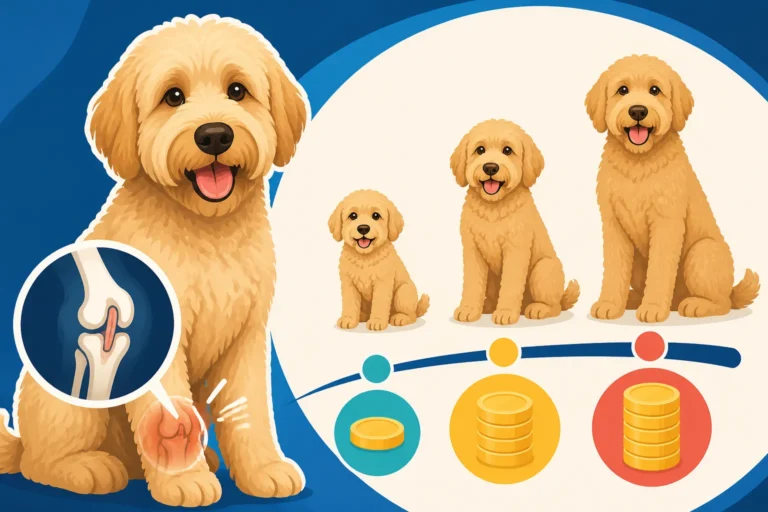
The size of your Goldendoodle is one of the most significant factors influencing the cost of knee surgery. Larger dogs require more anesthesia, larger implants, and often have a more strenuous recovery, which can impact the overall expense. Let's delve into what you might expect based on your Goldendoodle's size category.
Toy and Mini Goldendoodle Costs
Toy Goldendoodles, usually weighing under 25 pounds, and Mini Goldendoodles, typically between 25-35 pounds, are most commonly affected by patellar luxation. Their smaller size can make the surgery itself less invasive in terms of tissue dissection compared to a giant breed, but the precision required for such small joints is immense.
For patellar luxation repair in a Toy or Mini Goldendoodle, you're generally looking at costs in the range of $1,800 to $3,500 per knee. This might be on the lower end if the luxation is a Grade 1 or 2 and only requires one or two corrective techniques. If it's a Grade 3 or 4, or if there's significant existing arthritis, the cost could creep towards the higher end of this range or even slightly beyond, as more extensive work, such as a full tibial tuberosity transposition, might be necessary. Anesthesia for smaller dogs requires very careful monitoring and dosage, which is reflected in the cost. Follow-up appointments and physical therapy might be less intensive than for a standard Goldendoodle, but still crucial for a full recovery.
Standard Goldendoodle Costs
Standard Goldendoodles, weighing anywhere from 50 to 90 pounds, primarily face cruciate ligament tears, though they can also suffer from patellar luxation, especially if they have some mini or toy Poodle ancestry in their lineage. Their larger body mass, higher activity levels, and the significant stress placed on their knee joints make surgical stabilization imperative for a good outcome after a CCL tear.
For a TPLO or TTA procedure on a Standard Goldendoodle, the costs typically range from $4,000 to $7,000 per knee. The larger bone size means larger implants (plates and screws), which are more expensive. Anesthesia for a larger dog is also more involved, often requiring higher dosages and longer administration. The recovery period can also be more challenging; controlling a large, active dog's movement during the critical post-operative weeks requires significant commitment. Additionally, if the tear is accompanied by a meniscal injury, that will add to the surgical complexity and cost. Consider the importance of Goldendoodle Weight and the Load on Its Joints when evaluating these procedures.
Here's a simplified table illustrating the typical cost ranges for common Goldendoodle knee surgeries by size:
| Goldendoodle Size Category | Common Knee Issue | Typical Surgical Procedure | Estimated Cost Range (Per Knee) |
|---|---|---|---|
| Toy (under 25 lbs) | Patellar Luxation | MPL Repair | $1,800 – $3,500 |
| Mini (25-35 lbs) | Patellar Luxation | MPL Repair | $2,000 – $4,000 |
| Medium (35-50 lbs) | Patellar Luxation, CCL Tear | MPL Repair, TPLO/TTA | $2,500 – $5,500 |
| Standard (50-90+ lbs) | CCL Tear | TPLO/TTA | $4,000 – $7,000 |
It's important to understand that these figures are broad estimates. Your specific veterinary clinic, the surgeon's experience, and the precise nature of your Goldendoodle's injury will dictate the final price. Always ask for a detailed estimate from your veterinary surgeon before committing to any procedure.
Post-Operative Care and Rehabilitation Expenses
Surgery is only one piece of the puzzle when it comes to knee issues. The post-operative period and subsequent rehabilitation are equally, if not more, critical for a successful outcome. Neglecting this phase can lead to complications, incomplete recovery, or even re-injury. These aspects also come with their own set of costs that you need to factor into your overall budget.
Immediate Aftercare and Follow-up Visits
Immediately after surgery, your Goldendoodle will need careful management at home. This includes strict confinement, often to a crate or a small, enclosed space, to prevent excessive movement and protect the surgical site. You'll be sent home with pain medication, anti-inflammatories, and sometimes antibiotics. The cost of these initial medications is often included in the surgical package, but refills will be an extra expense, typically ranging from $30 to $100 per month.
You'll also have several follow-up appointments with your vet or surgeon. The first might be a week or two after surgery to check the incision and remove sutures. Subsequent visits, often at 6-8 weeks, will include X-rays to ensure proper bone healing, especially after procedures like TPLO or TTA where bone cuts are made. These follow-up consultations and X-rays can add another $100 to $300 per visit. These are vital to monitor progress and catch any potential issues early. Making sure your Goldendoodle is comfortable during these checks is key; some might even need gentle handling, particularly if they are generally sensitive, which relates to A Goldendoodle That Flinches at the Brush.
Physical Therapy and Long-Term Recovery
This is where the real work begins for many Goldendoodles and their dedicated owners. Physical therapy (PT) is highly recommended, and often essential, after knee surgery to regain strength, improve range of motion, and prevent muscle atrophy. A certified canine rehabilitation therapist can design a tailored program that may include:
- Therapeutic Exercises: Controlled movements to build strength and flexibility.
- Underwater Treadmill (Hydrotherapy): Excellent for low-impact exercise, reducing pressure on the healing joint while building muscle.
- Laser Therapy: To reduce pain and inflammation and accelerate tissue healing.
- Massage and Stretching: To improve circulation and muscle suppleness.
The cost of physical therapy can vary widely based on the intensity and duration of the program. A typical course might involve 2-3 sessions per week for 6-12 weeks, with each session costing $50 to $150. Over a full course, this can easily add up to $600 to $2,000 or more. Some of this rehabilitation can be done at home with guidance, but professional supervision is often invaluable. Read more about Physical Therapy After Goldendoodle Knee Surgery to prepare for what's involved.
Long-term, your Goldendoodle might benefit from ongoing joint support supplements. Products like glucosamine, chondroitin, and omega-3 fatty acids can help maintain cartilage health and reduce inflammation, especially as they age. Brands like Chewy offer a wide array of high-quality joint supplements. Even specialized diets from companies like Ollie can be formulated to support joint health with ingredients like green-lipped mussels and flaxseed. These supplements can cost $20 to $60 per month, depending on the brand and your dog's size.
Financial Planning and Support for Goldendoodle Knee Surgery
The unexpected cost of knee surgery can be a significant burden for any family. However, with proper planning and understanding of available resources, you can better manage these expenses and ensure your Goldendoodle receives the care they need.
The Role of Pet Insurance
Pet insurance can be an absolute lifesaver when faced with major veterinary bills like knee surgery. If you enroll your Goldendoodle early, before any signs of lameness or knee issues appear, a comprehensive policy can cover a significant portion of the surgical costs, often 70-90% of eligible expenses after your deductible is met. It's crucial to understand that pet insurance typically has waiting periods for orthopedic conditions, so you cannot purchase a policy today and expect it to cover surgery next week. Most plans have a 6-12 month waiting period for conditions like patellar luxation or cruciate tears.
Companies like Healthy Paws are well-regarded for their comprehensive accident and illness plans. A policy for your Goldendoodle could cost anywhere from $40 to $100 per month, depending on factors like your dog's age, breed, your location, and the deductible and reimbursement percentage you choose. Over your dog's lifetime, especially considering the potential for issues like Goldendoodle Arthritis After the Age of Eight or Goldendoodle Hip Dysplasia and the OFA Numbers, pet insurance can lead to substantial savings. It's always wise to research various providers and read the fine print, especially regarding orthopedic exclusions and waiting periods, since Goldendoodles are a crossbreed and sometimes fall into specific categories for insurers, as detailed in Goldendoodle Pet Insurance for a Dog With No Breed Papers.
Budgeting and Payment Options
Even with pet insurance, you'll still be responsible for deductibles, co-pays, and any expenses not covered by your plan. Without insurance, the entire cost falls on you. Here are some strategies for managing the financial aspect:
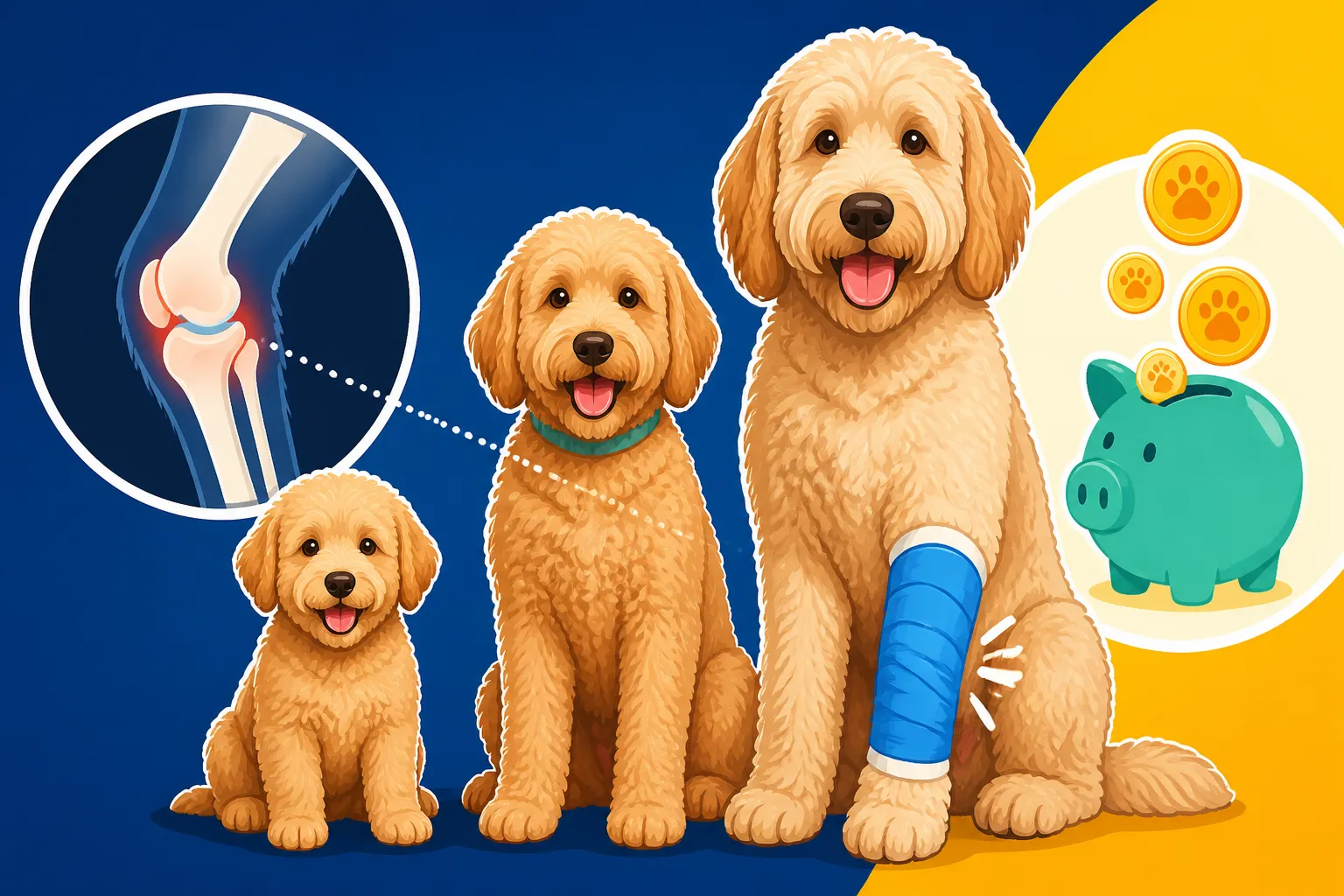
- Savings Account: Ideally, having a dedicated emergency fund for your Goldendoodle's health needs is the best preparation. Aim to set aside enough to cover at least the upper range of a potential surgery.
- Veterinary Payment Plans: Many veterinary clinics and specialist hospitals understand the financial strain of large procedures and offer in-house payment plans or work with third-party financing options like CareCredit. These typically allow you to pay off the balance in monthly installments, sometimes with deferred interest for a set period.
- Crowdfunding and Fundraising: For truly unexpected and high-cost emergencies, platforms like GoFundMe can sometimes provide relief from generous friends, family, and even strangers.
- Charitable Organizations: In some instances, there are veterinary assistance programs or breed-specific rescues that offer financial aid for owners who cannot afford critical surgeries. While rare for Goldendoodles specifically, general animal welfare charities might have programs.
- Discussion with Your Vet: Don't hesitate to have an open conversation with your veterinarian about costs. They can often provide a detailed breakdown of the estimate, explain what's essential versus optional, and help you explore all available options. They might also suggest Joint Support Dosed to Goldendoodle Size Category pre-emptively, which can be purchased from retailers like Chewy.
Preparing for the possibility of knee surgery, both emotionally and financially, is a crucial part of responsible Goldendoodle ownership. By understanding the common conditions, diagnostic steps, surgical options, and rehabilitation needs, you can ensure your beloved companion gets the best possible chance at a full and active life.
Disclaimer
The information provided in this article is for general informational purposes only and does not constitute veterinary advice. Always consult with a qualified and licensed veterinarian for any medical concerns or before making any decisions about your Goldendoodle's health or treatment. Surgical costs are estimates and can vary significantly based on location, individual veterinary practices, and the specific needs of your pet.