Goldendoodle Puppy Nipping at Hands
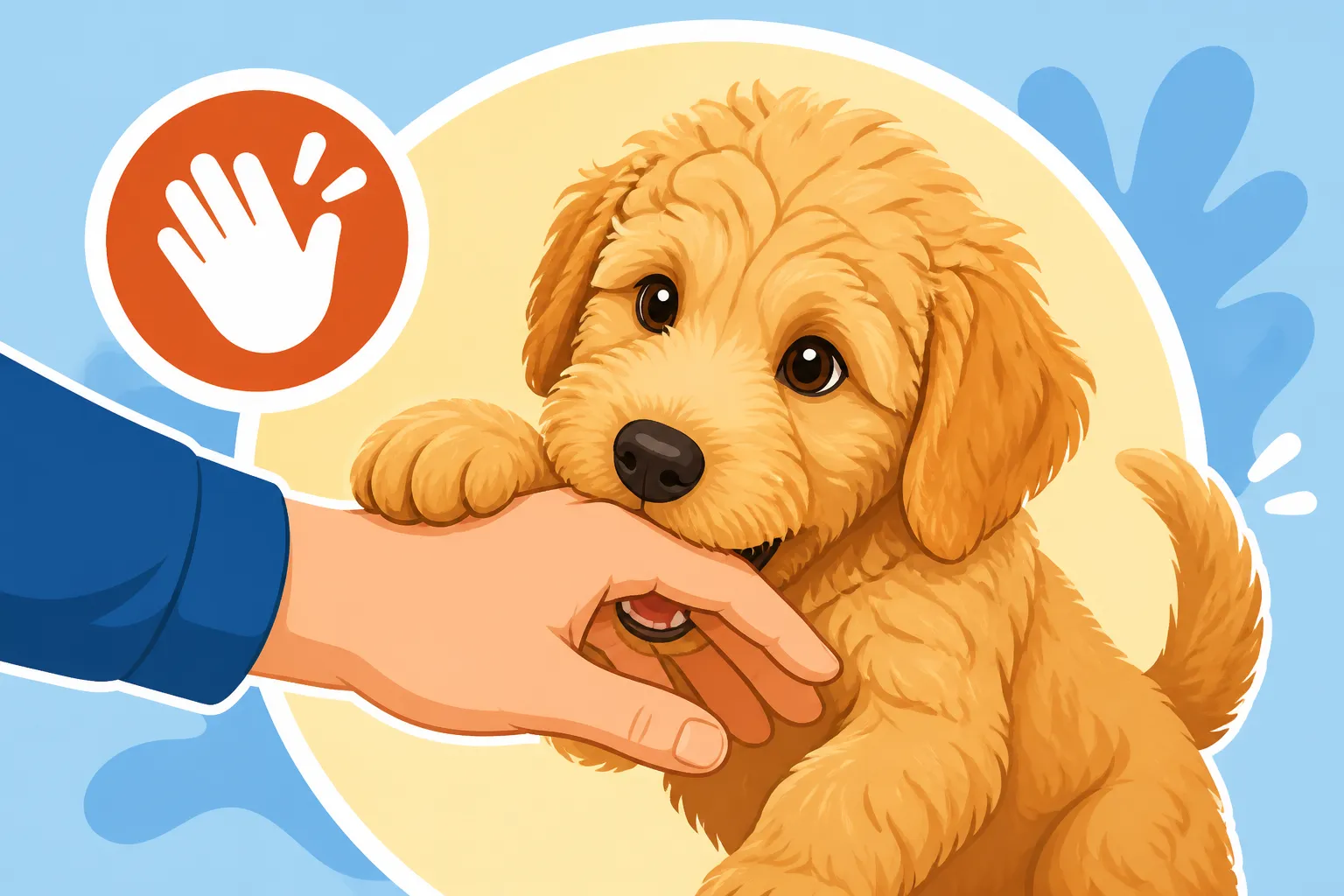
Bringing home a Goldendoodle puppy is often a whirlwind of joy, fluffy cuddles, and boundless energy. But for many new owners, that initial delight can quickly be met with the sharp reality of tiny, needle-like teeth constantly nipping at their hands, ankles, and clothes. This guide is designed to help you understand why your Goldendoodle puppy is nipping and, more importantly, to provide clear, actionable strategies to gently and effectively teach them proper mouth manners, ensuring a peaceful future for both of you.
Understanding Why Your Goldendoodle Puppy Nips
It's easy to take puppy nipping personally, or even to worry that your Goldendoodle puppy is destined to be aggressive. But the truth is, this behavior is entirely normal for puppies. They aren't trying to be mean; they're simply communicating and exploring the world in the only way they know how, combined with some specific developmental stages. Understanding these underlying reasons is the first step toward addressing the behavior with patience and empathy.
Natural Puppy Exploration
Just like human babies put everything in their mouths to learn about textures, tastes, and shapes, Goldendoodle puppies use their mouths as their primary tool for exploration. Their paws aren't as dexterous as our hands, so their mouths become their sensory organ. When your hand comes near, it's a new object to investigate. They'll mouth, chew, and yes, nip, to understand what it is. This is a crucial phase of learning for them, and it’s up to us to guide them on what is and isn't appropriate to put their mouths on.
Teething Pains and Relief Seeking
Those tiny, sharp puppy teeth aren't just for show. Your Goldendoodle puppy is going through a significant developmental phase involving teething. From about 3 weeks to 6 months of age, they'll lose their baby teeth and grow in their adult teeth. This process can be uncomfortable, even painful, for them. Just like a human baby, they're looking for anything to chew on to soothe their aching gums. Your hands, being readily available and often moving, become prime targets for this relief-seeking behavior. Providing plenty of appropriate chew items is vital during this time.
Play Behavior and Bite Inhibition
In a litter, puppies learn critical social skills from their siblings and mother. When puppies play together, they nip and wrestle. If one puppy bites another too hard, the bitten puppy will yelp, and play will stop. This immediate feedback teaches the nipper "bite inhibition"—how much pressure their jaws can exert before causing pain. Without this crucial learning period, a puppy might grow up not understanding the force of their bite. When your Goldendoodle puppy comes home, you become their new "littermate," and it's your job to continue this education. They need to learn that human skin is far more delicate than a sibling's fur. This developmental window for learning bite inhibition is strongest between 8 and 16 weeks, so it's important to address Goldendoodle Puppy Biting and Mouthing effectively and early.
Over-tiredness or Over-excitement
Sometimes, a Goldendoodle puppy's nipping isn't about aggression or exploration, but rather a sign that they're simply overtired or over-stimulated. Imagine a toddler having a tantrum because they're past their bedtime—puppies can be very similar. An overtired Goldendoodle puppy might become frenetic, zoomy, and particularly mouthy. They might not know how to self-regulate, and nipping becomes their outlet. Similarly, excessive excitement can lead to a puppy losing control of their mouth. Recognizing the signs of a puppy that needs a nap, or a calm-down session, can significantly reduce unwanted nipping. This is often linked to Goldendoodle Puppy Sleep and Night Waking, as insufficient rest can exacerbate the problem. Ensuring your Goldendoodle puppy gets adequate structured rest throughout the day, rather than constant stimulation, can work wonders.
Inherited Breed Tendencies
Goldendoodles are a mix of Golden Retriever and Poodle, and they inherit traits from both. Golden Retrievers are known for being "mouthy" dogs, often carrying items around gently in their mouths. This strong retrieving instinct can translate into a natural tendency to use their mouths. Poodles are highly intelligent and sensitive, meaning they can become easily frustrated or over-stimulated if their needs aren't met, which might manifest as nipping. Your Goldendoodle is a blend of these characteristics, so they might have a higher propensity for mouthing behavior than some other breeds. Understanding this helps you tailor your training approach.
Essential Strategies to Curb Goldendoodle Puppy Nipping
Addressing Goldendoodle puppy nipping requires patience, consistency, and a multi-faceted approach. There isn't a magic bullet, but by implementing these strategies, you'll teach your puppy appropriate ways to interact with you and their environment.
Teaching Bite Inhibition with the "Ouch" Method
This is a cornerstone of puppy training. When your Goldendoodle puppy nips your hand, let out a high-pitched "ouch!" or "yipe!" immediately. The goal is to mimic the sound a littermate would make. Then, immediately withdraw your hand and your attention. Turn away, fold your arms, or even step out of the room for 10-20 seconds. This teaches them that hard bites make the fun stop. When you return, if they nip gently, praise them. If they nip hard again, repeat the "ouch" and withdrawal. The key is consistency. Every person who interacts with the puppy must do this every time.
Redirection is Key
One of the most powerful tools in your arsenal against nipping is redirection. Your Goldendoodle puppy needs an outlet for their natural chewing and mouthing instincts, especially during teething. Always have an appropriate chew toy readily available. The moment your puppy’s teeth touch your skin, gently but firmly remove your hand and immediately offer a suitable toy. Praise them enthusiastically when they take the toy in their mouth instead of your hand. This positive reinforcement reinforces the desired behavior. Think about stocking up on a variety of textures and shapes; many popular online retailers like Amazon offer a wide selection of puppy-safe chew toys, from rubber and nylon to rope toys. Having several options on hand helps keep things interesting for your pup and increases the chances of successful redirection. Learning to effectively redirect your puppy onto a toy is a skill you'll use constantly.
Providing Appropriate Chew Items
Beyond just redirection, proactively offering a variety of engaging chew items is vital. This isn't just a temporary solution; it's a lifelong habit for many Goldendoodles, especially given their retriever lineage.
Consider:
- Frozen Kongs: These are fantastic. Fill them with peanut butter (xylitol-free!), plain yogurt, or canned pumpkin, then freeze them. The cold soothes sore gums, and the challenge keeps them occupied.
- Durable Rubber Chews: Brands like KONG, Nylabone, and Goughnuts make resilient chews designed for strong chewers.
- Safe Natural Chews: Check with your vet about safe options like bully sticks or appropriate dental chews. Always supervise to prevent choking hazards.
- Snuffle Mats & Puzzle Feeders: These aren't chews, but they provide mental stimulation that can reduce nipping by tiring out their brains. Many are available on Amazon.
Remember, a bored puppy is often a destructive puppy, so providing these outlets helps prevent them from Goldendoodle Puppy Chewing Through Furniture.
Structured Play and Exercise
A tired Goldendoodle puppy is a good Goldendoodle puppy. But it's not just about physical exercise; mental stimulation is equally important. Goldendoodles are intelligent dogs and need their brains worked.
Incorporate:
- Short Training Sessions: Even 5-10 minute sessions a few times a day teaching basic cues like "sit," "stay," and "come" can be incredibly mentally tiring for a puppy.
- Interactive Play: Games like fetch (with a toy, not your hands!) or hide-and-seek with treats can channel their energy.
- Sniffing Games: Hiding treats around the house or in the yard uses their natural scenting abilities and is wonderfully enriching.
- Adequate Physical Exercise: Depending on their age and size, your Goldendoodle puppy needs appropriate amounts of physical activity. Over-exercising a young puppy can be harmful to their developing joints, so consult your vet. However, generally, The Hour or Two a Goldendoodle Needs Each Day can be broken up into several shorter play sessions and walks.
Consistency and Timing are Crucial
This can't be stressed enough: everyone in the household needs to be on the same page. If one person allows the puppy to mouth their hands, and another strictly enforces the "no nipping" rule, your Goldendoodle puppy will become confused and inconsistent in their behavior. Hold a family meeting to ensure everyone uses the same cues, the same redirection methods, and the same "ouch" sound. Timing is also critical; the consequence (or redirection) must happen immediately after the nip for the puppy to make the connection. If there's a delay, they won't understand what they're being corrected for.
Starting Early with Handling
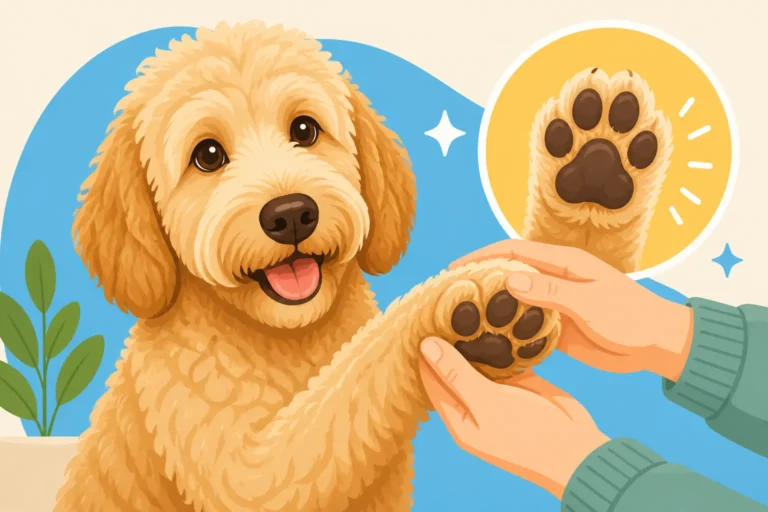
Another crucial, often overlooked, aspect of curbing nipping is desensitization to handling. From day one, gently handle your Goldendoodle puppy's paws, ears, tail, and mouth. Make it a positive experience with treats and praise. This not only prepares them for future grooming and vet visits but also teaches them that human hands are safe and gentle, not playthings to be nipped. This is why Why Goldendoodle Grooming Training Starts Week One is so important. Make it a daily ritual to practice Handling a Goldendoodle's Paws Every Single Day and touching their faces. This can significantly reduce the likelihood of them instinctively nipping hands during interactions.
| Redirection Tool Category | Examples | Benefits |
|---|---|---|
| Durable Chews | KONG rubber toys, Nylabones, Goughnuts | Long-lasting, satisfying resistance, good for teething. |
| Interactive Play Toys | Rope tugs, Chuckit! balls, plush squeaky toys | Engages play drive, allows you to play with them without using hands for biting. |
| Mental Stimulation Toys | Puzzle feeders, snuffle mats, slow feeders | Tires out their brain, reduces boredom, provides appropriate chewing/sniffing outlet. |
| Edible Chews | Bully sticks, dental chews (vet-approved) | High-value, provides natural chewing satisfaction, but supervise closely. |
| Frozen Treats | Frozen Kongs, ice cubes, frozen carrots | Soothes teething gums, occupies for longer periods, low calorie (for veggies). |
Common Mistakes Goldendoodle Owners Make When Dealing with Nipping
Even with the best intentions, it's easy to fall into certain traps when trying to train a Goldendoodle puppy out of nipping. Avoiding these common mistakes can accelerate your progress and prevent frustration for both you and your pup.
Using Hands as Toys
This is perhaps the most common mistake new puppy owners make. It starts innocently enough: wiggling your fingers in front of your Goldendoodle puppy, wrestling with them using your hands, or letting them mouth your fingers during play. While it might seem cute at first, it inadvertently teaches your puppy that hands are acceptable targets for their teeth. They don't differentiate between "play biting" and "serious biting" in this context; they just learn that human hands are part of the game. Always use appropriate toys for interactive play and keep your hands out of the fray. If your hands get involved, immediately stop play and redirect to a toy.
Punishing Too Harshly
It can be incredibly frustrating when those sharp little teeth sink into your skin, especially if it happens repeatedly. However, responding with harsh verbal scolding, physical punishment, or yelling can backfire spectacularly. Goldendoodles, like Poodles, can be quite sensitive. Harsh punishment can make your puppy fearful of your hands, leading to a breakdown in trust. It might also cause them to become "hand-shy" or, worse, teach them to hide their nips (meaning they might bite without warning) or even nip harder out of fear or defensiveness. Stick to the "ouch" and withdrawal method, which is a natural, clear, and effective consequence without being scary or painful.
Inconsistency in Training
As mentioned earlier, consistency is absolutely paramount. If one family member allows a puppy to chew on their hair, another allows nipping during rough play, and a third strictly adheres to the "ouch" method, your Goldendoodle puppy will be utterly confused. Dogs learn through clear patterns and consequences. Inconsistency prolongs the nipping phase, makes training harder, and can lead to a Goldendoodle puppy that struggles with boundaries. Ensure every person who interacts with the puppy (family members, guests, children) understands and applies the same rules. This includes children; Introducing a Goldendoodle Puppy to Children requires careful supervision and teaching kids how to interact appropriately.
Not Providing Enough Outlets
A Goldendoodle puppy that isn't getting enough physical exercise or mental stimulation will find its own ways to entertain itself, and often that involves nipping, chewing, or other undesirable behaviors. Puppies have a lot of energy and an innate need to chew. If they don't have enough appropriate chew toys, engaging puzzle feeders, or structured play sessions, your hands (or your furniture) become the next best thing. Regularly rotating toys, offering new challenges like Puzzle Toys That Occupy a Goldendoodle for an Hour, and ensuring they have dedicated playtime can prevent nipping born out of boredom or pent-up energy.
Ignoring Early Warning Signs or Body Language
Sometimes, nipping can escalate because owners miss subtle cues from their puppy. A Goldendoodle puppy might become overstimulated, overtired, or frustrated, and these states often precede a burst of nipping. Look for signs like frantic zoomies, excessive panting, stiff body language, or a sudden increase in energy after a long play session. These can indicate a puppy heading towards an uncontrolled state. Learning to recognize these signals allows you to intervene before the nipping starts, perhaps by initiating a calm-down period, a quiet chew session, or even a nap. Being proactive is always better than being reactive.
When to Seek Professional Help for Persistent Goldendoodle Nipping
For most Goldendoodle puppies, consistent application of the strategies above will lead to a significant reduction in nipping as they mature and learn. However, there are times when puppy nipping transcends normal developmental behavior and warrants professional intervention. Knowing when to call in the cavalry can save you a lot of stress and prevent the behavior from escalating.
When Nipping Becomes Aggression
Normal puppy nipping, while painful, is generally an exploratory or play behavior. It usually doesn't come with malicious intent. However, if your Goldendoodle puppy's nipping is accompanied by stiff body language, growling, snarling, prolonged intense stares, or if they are actively trying to cause harm and drawing blood consistently, you might be dealing with something more serious than typical puppy nipping. This could be a sign of early aggression or resource guarding, and it requires immediate professional attention. Never try to tackle aggressive behavior on your own.
Lack of Progress Despite Consistent Training
You’ve been diligent. You've used the "ouch" method, redirected consistently, provided plenty of chews, and everyone in the household is on board. Yet, after several weeks, you see little to no improvement, or perhaps the nipping is even getting worse. This is a clear indicator that you might need a professional to observe your Goldendoodle puppy's behavior, identify any underlying issues you might be missing, and tailor a specific training plan. Sometimes, a fresh pair of eyes from an experienced trainer can make all the difference. An online puppy school, such as BAXTER & Bella, offers guidance and direct access to trainers who can help analyze specific behaviors through video calls and provide personalized strategies for your puppy's unique situation.
Nipping at Children or Vulnerable Individuals
Puppy nipping can be particularly concerning when young children, elderly family members, or individuals with mobility issues are involved. Their skin is more delicate, they may not react consistently, or they might be less able to protect themselves. If your Goldendoodle puppy is persistently nipping at these individuals, and your efforts to manage it aren't proving effective, seeking professional help is crucial for safety. A professional trainer can help implement management strategies and teach both the puppy and the vulnerable family members how to interact safely. The safety of all household members, especially the youngest ones, is paramount. If you're struggling with Introducing a Goldendoodle Puppy to Children, a trainer can provide invaluable, practical advice.
Nipping Beyond Normal Puppy Behavior
While all puppies nip, some individuals might exhibit nipping behavior that seems excessive, obsessive, or completely out of sync with typical puppy development. This could manifest as non-stop nipping, an inability to be redirected, or intense reactions to being handled. If the nipping is causing genuine fear or significant injuries, or if you simply feel overwhelmed and unsure how to proceed, don't hesitate. Many Goldendoodle Behavior Problems That Start in Puppyhood can be resolved with early intervention, but left unaddressed, they can become ingrained habits.
Consulting a Veterinarian First
Before engaging a trainer for behavioral issues, it's always a good idea to schedule a vet check-up. Sometimes, a sudden increase in nipping or a change in behavior can be due to an underlying medical condition, such as pain from teething, an injury, or another health issue. Rule out any physical discomfort first. Once your veterinarian gives a clean bill of health, you can confidently pursue behavioral training, knowing you’re addressing the root cause. This also covers any concerns related to their early health checks, such as those related to Goldendoodle Vaccination and Puppy Health Checks.
A Goldendoodle puppy nipping at hands is a common hurdle, but it's one that you can absolutely overcome with the right tools, knowledge, and consistency. Remember to stay patient, understand their natural instincts, and guide them with positive reinforcement. Your efforts now will lead to a wonderfully well-mannered companion for years to come.
Disclaimer
This article is for general informational purposes only and does not constitute professional advice. Laws, prices and regulations vary by location and change over time. Consult a qualified professional for guidance on your specific situation.