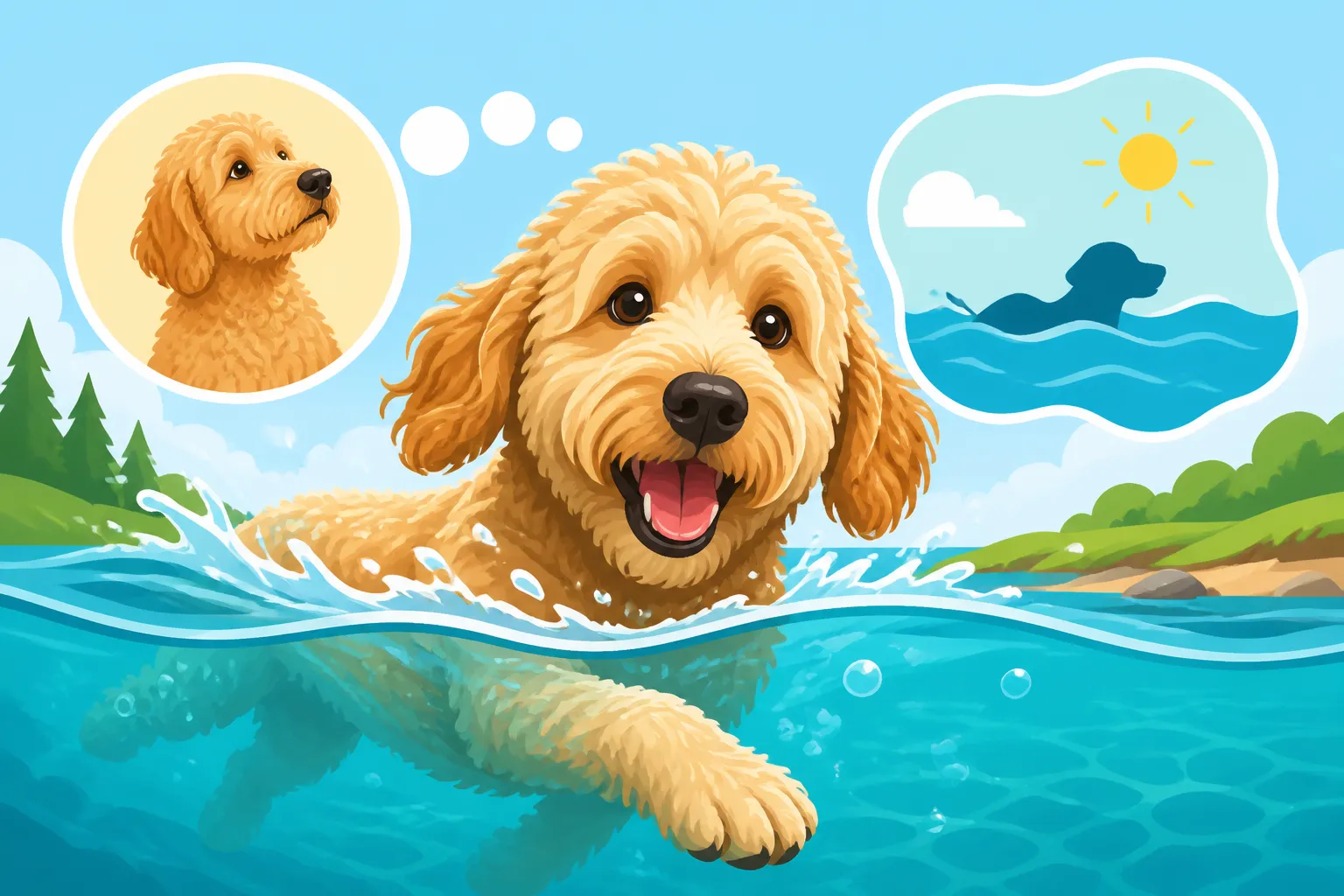
Whether a Goldendoodle Enjoys Swimming
Many Goldendoodle owners wonder if their furry companions will instinctively take to the water, especially when they see other dogs splashing around with abandon. It’s a common misconception that all dogs are natural swimmers, and while Goldendoodles often have a strong inclination towards water thanks to their heritage, it's not a given that every single one will dive right in. This guide will explore the factors that shape a Goldendoodle's relationship with water, how to safely introduce them to swimming, and the incredible benefits it can offer for their well-being.
Understanding the Goldendoodle's Water Heritage
When you look at a Goldendoodle, you're looking at a wonderful blend of two breeds renowned for their intelligence and often, their love for water. It’s easy to assume this means your fluffy friend will be a natural-born water dog, but the reality is a little more nuanced. Understanding where your Goldendoodle comes from can shed a lot of light on their potential aquatic prowess.
The Golden Retriever's Love for Water
The Golden Retriever, one half of the Goldendoodle equation, was originally bred as a retrieving gun dog, specifically designed to fetch downed fowl from both land and water. This is why you often see Golden Retrievers enthusiastically leaping into lakes and rivers without a second thought. They have a double coat that offers insulation, strong muscular bodies built for swimming, and webbed feet that act like paddles. More than just physical traits, Goldens possess an innate drive to retrieve, which often extends to objects thrown into water. Their joyful, eager-to-please nature means they often associate water with fun and positive experiences with their human companions. It’s in their DNA to enjoy a good swim, and this strong genetic predisposition certainly carries over to many Goldendoodles.
The Poodle's Aquatic Background
On the other side of the family tree, we have the Poodle, a breed that many mistakenly associate only with fancy show clips and delicate dispositions. In reality, the Poodle is a highly intelligent, athletic, and robust working dog, originally bred in Germany as a water retriever. Yes, a water retriever! Their name, "Pudel," is derived from the German word "pudeln," meaning "to splash." Poodles were used to retrieve waterfowl, much like the Golden Retriever. Their dense, curly coats, far from being just for aesthetics, are actually water-resistant and provide insulation, allowing them to work in cold water without getting chilled. The distinctive Poodle clip, with its shaved hindquarters and pom-poms on the joints, actually originated from practical considerations – it reduced drag in the water while protecting vital organs and joints from the cold. So, your Goldendoodle gets a double dose of water-loving genes!
How the Mix Influences Water Enthusiasm
Given that both parent breeds are accomplished water dogs, it stands to reason that most Goldendoodles will inherit at least some degree of water enthusiasm. However, the exact combination of traits is never a guarantee. Some Goldendoodles will be absolute water fanatics, taking after their Golden Retriever side with boundless joy for splashing. Others might display the Poodle's more calculated and elegant approach, enjoying a good swim but perhaps not with the same exuberant dive. Then there are those who, despite their lineage, might be more hesitant or even indifferent to water.
The Goldendoodle's coat type can also play a role. While Poodle coats are water-resistant, and Golden coats are insulating, some Goldendoodle coats might be less efficient for swimming, or simply become very heavy when wet, which can be a bit off-putting for some dogs. Ultimately, while the genetic predisposition is strong, individual personality, early experiences, and even the specific generation of your Goldendoodle (F1, F1b, Multigen) can influence how much they truly enjoy taking a dip. It’s a bit of a lottery, but one with generally good odds!
Factors Influencing a Goldendoodle's Swimming Enjoyment
Even with such strong water-dog genetics, not every Goldendoodle is going to be a canine Michael Phelps. Several factors come into play that can either encourage a lifelong love of swimming or lead to a more cautious approach to the water. It’s important to recognize these so you can tailor your approach to your unique dog.
Early Exposure and Positive Experiences
One of the biggest predictors of a Goldendoodle's comfort in water is their early life experiences. A puppy introduced to water in a positive, gentle way from a young age is much more likely to develop a fondness for it. This doesn't mean tossing them into the deep end! It means gradual exposure: a kiddie pool in the backyard with shallow water and toys, or a gentle stream where they can wade. If their first experiences are scary or forced, it can create a lasting aversion. Imagine being pushed into a cold pool when you're little; you'd probably be pretty wary of swimming for a long time. The same goes for your Goldendoodle. Positive reinforcement, gentle encouragement, and making it a fun, low-pressure activity are key. Think about using tasty treats and enthusiastic praise to build a positive association. What a Goldendoodle Puppy Must Meet Before Sixteen Weeks highlights the importance of early positive socialization, and this absolutely extends to water exposure.
Coat Type and Buoyancy Challenges
Goldendoodles come in a variety of coat types: straight, wavy, and curly. While Poodle coats are dense and somewhat water-resistant, and Golden Retriever coats provide insulation, a Goldendoodle's specific coat can sometimes present challenges in the water. A very dense, woolly, or even fluffy coat can absorb a lot of water, becoming incredibly heavy and making it harder for the dog to stay buoyant and move efficiently. This can be particularly true for the curlier "wool" coats, which can feel like carrying a wet blanket. Dogs with these heavier coats might tire more quickly or feel weighed down, making swimming less enjoyable.
Conversely, a Goldendoodle with a flatter, wavier coat might find swimming easier as it sheds water more readily. While no Goldendoodle coat is entirely non-shedding, the texture and density can certainly impact their hydrodynamics. It's not just about the swim, either. A soaking wet, dense Goldendoodle coat takes a long time to dry and can lead to skin issues if not properly managed. This is where Drying a Goldendoodle Coat Properly becomes crucial.
Individual Temperament and Confidence
Just like people, every Goldendoodle has a unique personality. While the breeds generally lean towards friendly and adventurous, individual temperaments vary greatly. Some Goldendoodles are naturally bold and curious, eager to try new things, including a splash in the lake. Others might be more cautious, reserved, or even a little anxious. A shy or nervous Goldendoodle might need a lot more time and gentle coaxing to feel comfortable around water.
Their confidence level plays a huge role. A confident dog, even if initially unsure, is more likely to overcome apprehension with encouragement. A less confident dog might perceive the water as a threat. Pay close attention to your Goldendoodle's body language. Are they approaching tentatively with a wagging tail, or are their ears back and tail tucked? Respect their cues and never force them into a situation that clearly causes distress. Building a strong bond and trust through consistent, positive training methods, like those often discussed by trainers such as BAXTER & Bella, can significantly boost their overall confidence, which then translates to new experiences like swimming.
Here's a quick look at factors that might encourage or discourage a Goldendoodle's enjoyment of swimming:
| Factor | Encourages Swimming | Discourages Swimming |
|---|---|---|
| Parental Influence | Strong Golden Retriever & Poodle water dog heritage | Minimal influence, more individual variation |
| Early Exposure | Gradual, positive, playful introductions to shallow water | Forced, frightening, or sudden immersion experiences |
| Coat Type | Wavy, less dense coat; sheds water easily | Very dense, woolly, heavy coat; holds water, reduces buoyancy |
| Temperament | Curious, confident, adventurous, eager-to-please | Shy, anxious, cautious, easily overwhelmed |
| Human Interaction | Enthusiastic, patient, positive reinforcement, play | Impatient, forceful, lack of positive association |
| Safety Gear | Properly fitted life vest for confidence and buoyancy | No safety gear, struggling to stay afloat |
Introducing Your Goldendoodle to Water Safely
So, you've got a Goldendoodle, and you're hoping they'll be your next beach buddy or lake companion. That's fantastic! But remember, safety and positive experiences are paramount, especially when introducing them to water. It’s a process, not a sprint.
Starting Small and Making it Fun
The key to a successful introduction is gentle, gradual exposure. Don't just take your Goldendoodle to the ocean and expect them to brave the waves on day one. Start with something simple, like a kiddie pool in your backyard. Fill it with just a few inches of lukewarm water – enough for them to wade in, but not so deep that they feel out of control. Toss some of their favorite floating toys in there and make it a game. Get in with them if you can, showing them it's safe and fun. Praise them lavishly when they step in, even if it's just a paw. Goldendoodle Training Sessions and How Long to Run Them principles apply here – keep it short, positive, and end on a good note.
Once they're comfortable with the kiddie pool, you can progress to natural, calm water bodies. A shallow, slow-moving creek or a quiet edge of a lake are ideal. Avoid strong currents, steep drop-offs, or extremely cold water for their first few outings. Let them explore at their own pace. Throw a stick or a floating toy a short distance into the water and encourage them to retrieve it, tapping into their natural retriever instincts. If they only wade, that's perfectly fine! Celebrate every step they take towards the water.
Essential Safety Gear and Supervision
Even if your Goldendoodle seems to be a natural in the water, a well-fitting dog life vest is a non-negotiable safety item, especially for beginners or when in open water. A life vest provides crucial buoyancy, helps them conserve energy, and often includes a handle on the back, which is incredibly useful for guiding them or lifting them out of the water if needed. You can find excellent options on Amazon. Make sure it's snug but not restrictive, allowing for full range of motion.
Constant supervision is also critical. Never leave your Goldendoodle unattended near water, even for a moment. Accidents can happen quickly. Be aware of the water conditions – currents, depth, temperature, and potential hazards like sharp rocks, broken glass, or marine life. If you're near a pool, ensure they know how to get out easily. Teaching them where the steps or shallow exit point is by guiding them repeatedly can be a lifesaver. This proactive approach to safety is as important as their physical exercise, which you can read more about in Goldendoodle Exercise and Mental Work Every Day.
Overcoming Fear and Building Confidence
If your Goldendoodle is hesitant or shows signs of fear, patience is your best friend. Forcing them into the water will only make the fear worse. Instead, try these gentle strategies:
- Lead by Example: If you're comfortable in the water, wade in yourself and invite your Goldendoodle to join you. Your calm demeanor can be very reassuring.
- Use a More Confident Dog: If you have another dog that loves water, they can be a great role model. Peer pressure, in a good way, can sometimes work wonders!
- Positive Association: Make the area near the water a super fun place. Play fetch on the shore, offer high-value treats near the water's edge, and gradually move closer to the water.
- Gradual Progression: Start with getting their paws wet, then their belly, then a little swim. Break it down into tiny, achievable steps.
- Life Vest as a Tool: A life vest can give a fearful dog more confidence by making them feel lighter and more secure in the water.
- Professional Help: If your Goldendoodle has extreme anxiety around water, consider consulting with a professional dog trainer. Programs like BAXTER & Bella offer online resources that can help with building confidence in general, which might indirectly help with water aversion.
Remember, the goal is for your Goldendoodle to enjoy swimming, not just tolerate it. If after repeated, gentle attempts they still show strong aversion, it's okay. Some dogs simply aren't swimmers, and that's perfectly fine. There are plenty of other ways to keep them active and engaged!
Benefits and Precautions of Goldendoodle Swimming
Once your Goldendoodle is comfortable and enjoys splashing around, swimming can become an incredibly beneficial activity for them. However, it's also important to be aware of the necessary precautions and post-swim care to ensure their continued health and happiness.
Physical and Mental Health Benefits
Swimming is often hailed as one of the best forms of exercise for dogs, and Goldendoodles are no exception. Here’s why:
- Low-Impact Exercise: For active breeds like Goldendoodles, swimming provides an excellent full-body workout without putting stress on their joints. This is especially beneficial for puppies whose growth plates are still developing, senior Goldendoodles with arthritis, or dogs recovering from injuries. It helps build muscle mass and improves cardiovascular health gently. For more on joint health, check out Goldendoodle Joint Health by Size Category.
- Weight Management: If your Goldendoodle needs to shed a few pounds, swimming is a fantastic calorie-burner. The resistance of the water makes muscles work harder than on land, leading to more efficient fat burning.
- Mental Stimulation: Beyond the physical, swimming is mentally stimulating. Retrieving toys from the water, navigating different currents, and interacting with their environment in a new way keeps their intelligent minds engaged. It can be a great way to relieve boredom and prevent destructive behaviors that stem from a lack of mental exercise.
- Cooling Down: On hot summer days, swimming offers a safe and enjoyable way for your Goldendoodle to cool down and prevent overheating, especially those with thicker coats. This is crucial for their well-being when temperatures rise.
Post-Swim Care for Goldendoodles
While swimming is wonderful, it does require diligent aftercare, particularly for Goldendoodles with their unique coats and ear structure. Neglecting post-swim care can lead to health issues.
- Thorough Rinsing: Always rinse your Goldendoodle thoroughly with fresh, clean water immediately after swimming, especially if they've been in saltwater, chlorinated pools, or murky lake water. This helps remove salt, chlorine, bacteria, and any debris that could irritate their skin or coat.
- Drying the Coat Completely: Goldendoodles, especially those with denser or curlier coats, can take a long time to dry. A damp coat, particularly near the skin, creates a perfect breeding ground for bacteria and yeast, leading to hot spots or skin infections. Use absorbent towels and, ideally, a dog-specific force dryer to ensure their coat is dry right down to the skin. Pay special attention to the underbelly, armpits, and groin. Why a Damp Goldendoodle Coat Mats Faster cannot be stressed enough – mats can quickly form and tighten in a wet coat, leading to discomfort and skin problems.
- Ear Care: Goldendoodles often have those adorable floppy ears (furnished ears) that cover the ear canal, trapping moisture. This, combined with hair growing inside the ear, makes them highly susceptible to ear infections. After every swim, you must clean and dry their ears meticulously. Use a vet-approved ear cleaning solution and cotton balls to gently wipe out the ear canal. Dry the visible parts thoroughly with a soft towel. You can even use a small piece of cotton to absorb moisture deeper inside, being careful not to push anything too far. For persistent issues, Goldendoodle Ear Infections Under a Furnished Ear offers valuable insights, and Cleaning a Goldendoodle Ear Before It Gets Infected provides a step-by-step guide.
- Paw Pad Check: Inspect their paw pads for any cuts, abrasions, or trapped debris from the water environment.
Recognizing When Swimming Isn't the Right Fit
Even with all the benefits, swimming isn't for every Goldendoodle, and it's essential to respect their individual needs and comfort levels.
- Persistent Fear or Anxiety: If your Goldendoodle consistently shows signs of fear, stress, or extreme reluctance around water, even with gentle introductions, it’s okay to let go of the idea. Forcing them will only create negative associations and potentially psychological harm.
- Health Conditions: Dogs with certain health conditions, like severe heart problems, advanced arthritis, or certain neurological issues, might not be suitable for swimming. Always consult your veterinarian before introducing a new strenuous activity, especially for older dogs or those with known health concerns.
- Skin or Ear Sensitivities: Some Goldendoodles are particularly prone to chronic ear infections or skin issues. Even with the best post-swim care, the increased moisture exposure might exacerbate these problems, making swimming a less ideal activity for them.
- Lack of Access to Safe Water: If you don't have access to clean, safe, and supervised water sources, it's better to avoid swimming altogether. Unsafe water can expose your dog to harmful bacteria, parasites, or dangerous chemicals.
Ultimately, your Goldendoodle's enjoyment and safety are paramount. If they love the water, swimming can be a fantastic addition to their active life, providing excellent exercise and mental enrichment. Just be prepared for the extra grooming and care that comes with it!
Disclaimer
This article is for general informational purposes only and does not constitute professional advice. Laws, prices and regulations vary by location and change over time. Consult a qualified professional for guidance on your specific situation.