What a DNA Test Shows on a Goldendoodle
Bringing home a Goldendoodle puppy or even an adult rescue often comes with a whirlwind of questions, especially when it comes to their health and traits. Because they aren't a purebred dog, there isn't a singular, official registry to confirm their lineage or predict their future. This lack of clear-cut pedigree can leave many owners wondering about their dog's true genetic makeup, specific health risks they might carry, and even what their adult coat will truly be like. This guide is here to shed light on exactly what a DNA test can reveal about your beloved Goldendoodle, offering answers and peace of mind where traditional breed information falls short.
The Basics of Goldendoodle DNA and Why It Matters
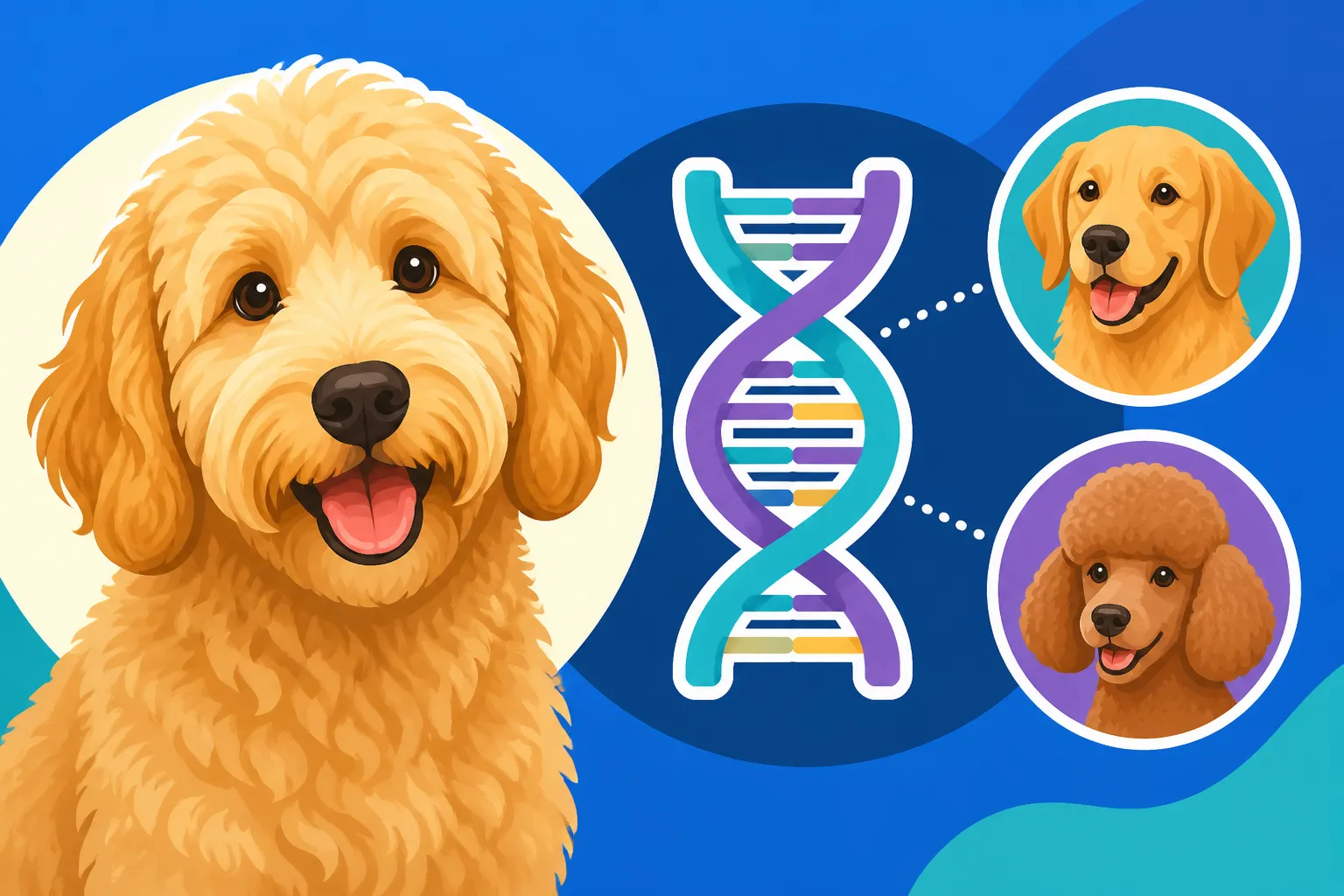
When you welcome a Goldendoodle into your life, you're embracing a wonderful mix of two distinct and beloved breeds: the Golden Retriever and the Poodle. Unlike purebreds, whose genetic lineage can be traced back through generations of breed-specific records, Goldendoodles are a crossbreed. This unique status means that while we know their parent breeds, the specific genetic hand they're dealt can vary wildly from litter to litter, and even pup to pup within the same litter. A DNA test provides a fascinating window into that genetic blueprint, giving you concrete information that simply isn't available through traditional channels.
Understanding Goldendoodle Heritage (Golden Retriever + Poodle)
At its heart, a Goldendoodle is typically a 50/50 split of Golden Retriever and Poodle genes, especially in the first-generation (F1) crosses. However, with subsequent generations like F1b (a Goldendoodle bred back to a Poodle) or multigen Goldendoodles, that ratio shifts. You might have a dog that's 75% Poodle and 25% Golden Retriever, or any number of variations. Without a DNA test, especially if you adopted a rescue or aren't entirely sure of your dog's breeding, confirming this heritage can feel like guesswork. A DNA test removes that uncertainty, providing a clear breakdown of the parentage.
This isn't just about satisfying curiosity; it's about understanding the foundational traits your dog carries. Both Golden Retrievers and Poodles bring distinct characteristics to the table. Goldens are known for their biddability, friendly nature, and strong retrieving instincts, while Poodles contribute intelligence, a keen problem-solving ability, and often a more sensitive disposition. Knowing the precise ratio of these influences can help you understand your dog's natural inclinations, potential training aptitudes, and even their energy levels. For example, a Goldendoodle with a higher percentage of Poodle might exhibit more of that quick, agile intelligence, while one leaning more Golden could have an unshakeable desire to carry things in their mouth. Understanding this genetic background is the first step in truly knowing your unique companion.
Beyond Breed Confirmation: What DNA Tests Can Reveal
While confirming the Golden Retriever and Poodle mix is certainly a primary benefit for Goldendoodle owners, modern DNA tests go far beyond a simple breed percentage. They delve into the very building blocks of your dog's health, physical appearance, and even some behavioral predispositions. Because Goldendoodles don't have a single breed club overseeing health standards or genetics, these tests become an incredibly valuable tool for owners and responsible breeders alike. They offer a personalized health profile, essentially filling the void that a purebred registry would typically provide.
These comprehensive tests can help you proactively prepare for potential health issues that are common in either parent breed, predict what kind of coat maintenance you're truly in for, and even give you insights into your dog's unique physical characteristics. It’s like getting a detailed owner's manual for your specific dog, rather than a generic one for "a dog." For many, this level of detail offers immense peace of mind and empowers them to make more informed decisions about their Goldendoodle's care, from diet and exercise to regular veterinary check-ups. It's truly a way to understand your dog on a deeper, more scientific level.
Unpacking Health Insights from a Goldendoodle DNA Test
One of the most compelling reasons Goldendoodle owners opt for DNA testing is the health information it provides. Both Golden Retrievers and Poodles, like all purebreds, are predisposed to certain genetic conditions. When these two breeds are crossed, their offspring can inherit these conditions from either side of the family tree. A DNA test can identify these risks, allowing you to work proactively with your veterinarian.
Identifying Inherited Genetic Conditions
A comprehensive DNA test can screen for a wide array of inherited diseases specific to the Golden Retriever and Poodle breeds. For instance, from the Golden Retriever side, a Goldendoodle could be at risk for certain types of cancer like osteosarcoma or hemangiosarcoma, or genetic eye conditions. They might also carry genes for conditions like Ichthyosis, a skin condition that can cause dry, flaky skin. On the Poodle side, risks include Progressive Retinal Atrophy Carried by Both Goldendoodle Lines (though often a different genetic mutation than in Goldens), Addison's Disease a Goldendoodle Gets From the Poodle (a serious adrenal gland disorder), Von Willebrand's Disease (a bleeding disorder), or Sebaceous Adenitis (another skin condition affecting the glands). The test will typically look for the specific genetic markers associated with these and many other conditions.
Receiving these results means you gain invaluable foresight. If your Goldendoodle tests as a carrier or, more rarely, as being affected by a particular condition, you can discuss early screening protocols, lifestyle adjustments, or specific dietary recommendations with your vet. This proactive approach can significantly impact your dog's quality of life and potentially extend their healthy years. It’s about being prepared, rather than being caught off guard, and ensuring you're providing the most tailored care possible for your furry family member.
The Importance of Knowing Carrier Status
Many genetic tests will return results indicating whether your dog is "clear," a "carrier," or "affected" for a particular disease. A "clear" result means your dog doesn't have the gene for that condition. An "affected" result means they have two copies of the problematic gene and are likely to develop the disease, or already have it. The "carrier" status is particularly significant for Goldendoodle owners and especially for breeders. A carrier dog has one copy of the problematic gene but typically will not show symptoms themselves. They are, however, able to pass that gene on to their offspring.
Knowing your Goldendoodle's carrier status means you and your vet can make informed decisions. For an owner, it might mean more vigilant monitoring for early signs of disease, even if your dog is unlikely to develop it. For breeders, this information is absolutely critical for ethical breeding practices. Breeding two carriers of the same recessive gene together dramatically increases the risk of producing affected puppies. By understanding which genes their breeding dogs carry, responsible Goldendoodle breeders can make pairing choices that reduce the incidence of genetic diseases in future generations. This helps to ensure the continued health and well-being of the Goldendoodle population as a whole. You can find many of these DNA testing kits, along with advice on what they cover, on sites like Chewy, helping you start this important investigative journey. Many reputable Goldendoodle breeders will provide results from The DNA Panel a Goldendoodle Breeder Should Run for their parent dogs, showcasing their commitment to health.
Decoding Goldendoodle Coat and Physical Traits
Beyond health, the physical appearance of a Goldendoodle is a huge draw for many prospective owners. People are often looking for that specific "doodle look" and, crucially, a low-shedding coat. DNA tests offer remarkable insight into the genetic factors that determine your dog's fur, colors, and even size.
Predicting Coat Type and Shedding
The "hypoallergenic" and low-shedding claims are often what draw people to Goldendoodles, but the reality can be more complex. A DNA test can provide a much clearer picture by identifying the presence of key genes. The most important of these is the "furnishings" (F) gene. Furnishings are the genes responsible for the longer hair on a Goldendoodle's face (the beard and eyebrows) and legs, which is characteristic of the Poodle and is what prevents excessive shedding. A Goldendoodle without at least one copy of the dominant F allele (often seen as F/f or F/F) will likely have a "flat coat" or "unfurnished" look, more resembling a Golden Retriever, and will shed. The other crucial gene is the curl (Cu) gene, which dictates the waviness or curliness of the coat.
By analyzing these genes, a DNA test can predict if your Goldendoodle will have a straight, wavy, or curly coat, and whether it will be low-shedding or shed more like a Golden Retriever. This is invaluable information for managing grooming expectations. A dog with a curly coat and furnishings will require intensive brushing to prevent matting, while a dog with a flatter, unfurnished coat will shed more but may be easier to groom. Understanding these genetic indicators early on can save you a lot of surprise and frustration down the line, especially when your Goldendoodle goes through The Goldendoodle Coat Change at Eight to Twelve Months. To dive deeper into what these coats look like, you might want to read The Three Goldendoodle Coat Types and How to Tell Them, and also understand Why a Goldendoodle Curl Gene Is Not a Shedding Gene doesn't necessarily mean no shedding.
Unraveling Coat Color and Pattern Genetics
Goldendoodles come in a stunning array of colors and patterns, from creamy whites and rich reds to chocolate browns and deep blacks. Sometimes you even see fascinating patterns like parti, phantom, or merle. While a dog's coat color is usually obvious visually, a DNA test can tell you the precise genetic blueprint behind those colors and even predict colors they might carry but not express. For example, a cream Goldendoodle might genetically carry the gene for chocolate, meaning they could produce chocolate puppies if bred with another dog carrying the same gene. The test identifies genes on various loci (like E, B, K, A, S, M) that control these expressions.
For breeders, this information is crucial for planning litters and understanding the genetic potential of their dogs. For owners, it's a fun peek into the science behind their dog's beautiful exterior. However, it's particularly important to note the merle gene. Merle Goldendoodles have a marbled, mottled coat pattern. While striking, breeding two merle dogs together (known as "double merle") can lead to severe health issues, including blindness and deafness. A DNA test can identify the merle gene, which is absolutely vital for breeders to prevent such detrimental pairings. This highlights why ethical Goldendoodle breeding relies heavily on genetic testing, and understanding Merle Goldendoodles and the Health Warning is paramount. Brands like Chewy often provide educational resources alongside DNA kits, helping owners decode these fascinating genetic insights.
Behavioral Tendencies and Other Genetic Markers
While genetics aren't the sole determinant of behavior—environment, training, and socialization play enormous roles—a DNA test can offer insights into certain inherent predispositions. It can also uncover other fascinating genetic markers that provide a fuller picture of your individual Goldendoodle.
Exploring Genetic Predispositions to Behavior
Both Golden Retrievers and Poodles contribute their unique temperaments to the Goldendoodle. Golden Retrievers are famously eager to please, highly biddable, and possess a strong retrieving drive, making them excellent family dogs and working companions. Poodles are renowned for their sharp intelligence, sensitivity, and often a playful, sometimes mischievous, streak. A DNA test won't tell you if your dog will definitely be a counter-surfer or a couch potato, but it can shed light on the genetic likelihood of certain traits that influence behavior. For example, a high percentage of Golden Retriever in your dog's genetic makeup might predispose them to that strong desire to retrieve toys or a natural inclination to follow commands, which can be seen in What a Goldendoodle Takes From the Golden Retriever. Conversely, a stronger Poodle influence might mean a dog that excels in problem-solving games or might be more prone to separation anxiety due to their intelligent and sensitive nature, as discussed in What a Goldendoodle Takes From the Poodle.
Understanding these predispositions can help owners tailor their training and enrichment activities. If your Goldendoodle has a strong retrieving drive, engaging them in fetch or scent work can be incredibly satisfying for them. If they have a more sensitive Poodle temperament, positive reinforcement methods and avoiding harsh corrections will be even more crucial. While it’s not a crystal ball for specific behaviors, genetic insights can help you appreciate and work with your Goldendoodle’s innate personality more effectively.
Other Interesting Markers and Their Implications
Beyond health and coat, DNA tests often include a range of other genetic markers that can be quite informative. Some tests can provide a prediction of adult size, although for a crossbreed like the Goldendoodle, this can be less precise than for a purebred. However, it can give you a general idea, especially if you have a puppy and are curious about their final stature. Another important marker often tested is the MDR1 gene (Multidrug Resistance 1). Dogs with a mutation in this gene can have adverse reactions to certain common medications, including some parasite preventatives and anesthetics. Knowing your dog's MDR1 status is crucial information to share with your veterinarian to ensure they avoid potentially harmful drugs.
These additional markers contribute to a truly holistic understanding of your Goldendoodle. They empower you, as an owner, to provide care that is not just general but deeply personalized to your dog's specific genetic profile. It turns the mystery of a crossbreed into a story told by science, giving you a comprehensive roadmap for their health, well-being, and even behavioral tendencies. Remember, while a DNA test offers a wealth of data, it’s always best to combine these insights with regular veterinary care and a deep understanding of your individual dog’s personality and needs. You can even explore how Whether a DNA Test Helps a Goldendoodle Policy might influence your pet insurance options.
DNA Test Insights: Can vs. Cannot
While DNA tests offer a remarkable amount of information for Goldendoodle owners, it's important to have realistic expectations about what they can and cannot definitively tell you. They are powerful tools, but they aren't magic wands that predict every aspect of your dog's life.
| Feature | What a DNA Test Can Show on a Goldendoodle | What a DNA Test Cannot Show on a Goldendoodle (Directly) |
|---|---|---|
| Breed Composition | Exact percentages of Golden Retriever and Poodle, and other breeds if present. | How much your dog loves to swim or hates baths. |
| Genetic Health | Carrier or affected status for various breed-specific genetic diseases (e.g., PRA, vWD, Addison's, specific cancers). | When a specific health condition will manifest, or its severity. |
| Coat Type | Presence of furnishings (beard/eyebrows) gene, curl genes (wavy/curly). | How often your dog will need professional grooming; only gives genetic potential. |
| Coat Color/Pattern | Genes for specific colors (e.g., red, black, chocolate) and patterns (e.g., parti, merle). | The exact shade of apricot, or if a red coat will fade. |
| Adult Size | General genetic markers associated with size; can provide a rough prediction. | The precise adult weight or height your dog will reach. |
| Drug Sensitivities | Presence of the MDR1 gene mutation, indicating sensitivity to certain medications. | If your dog will have an allergic reaction to a specific food or environmental trigger. |
| Behavior Traits | Genetic predispositions that influence behavior (e.g., biddability, drive, intelligence). | Whether your dog will be aggressive, anxious, or perfectly behaved. Behavioral genetics are complex. |
| Fertility | Certain genetic markers related to reproductive health for breeding purposes. | Whether your dog is actually fertile or capable of breeding. |
This table helps illustrate that while DNA tests are incredibly insightful, they offer a genetic blueprint, not a complete life story. They provide probabilities and potentials, empowering you to make informed decisions and better understand your unique Goldendoodle. For example, Which Embark Results Matter on a Goldendoodle Parent can help you interpret the raw data from a specific test.
Disclaimer
This article is for general informational purposes only and does not constitute professional advice. Laws, prices and regulations vary by location and change over time. Consult a qualified professional for guidance on your specific situation.