The Goldendoodle Coat Change at Eight to Twelve Months
Oh, the Goldendoodle coat change! If you’ve got a fluffy, adorable puppy who is suddenly turning into a tangled mess of static and mats, you are definitely not alone. This confusing, frustrating phase often hits between eight and twelve months, transforming that soft puppy fluff into something entirely different, and usually far more challenging. This guide is here to walk you through what to expect during this notorious period, why it happens, and how you can manage your Goldendoodle’s changing coat without losing your mind (or spending a fortune at the groomer every other week).
The Goldendoodle Coat You Thought You Knew
When you first bring home that sweet, cuddly Goldendoodle puppy, their coat is often a dream. It’s soft, it’s fluffy, it might have a gentle wave, and you can brush right through it with minimal effort. You might even think to yourself, "This is easy! All those warnings about grooming must be for other doodles." Well, darling, prepare for a plot twist. That angelic puppy coat is, more often than not, a temporary illusion, a lovely phase before the real work begins.
Why a Goldendoodle Puppy Coat Predicts Nothing
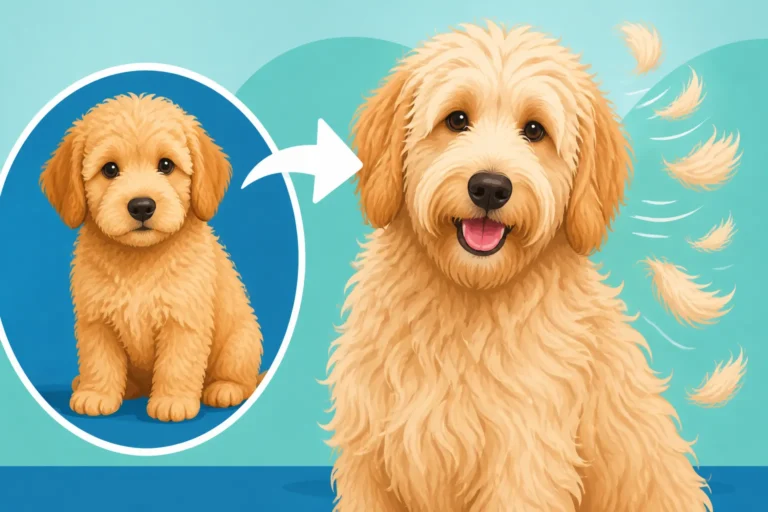
It’s completely understandable to assume that the coat your Goldendoodle puppy has at eight weeks is a preview of their adult coat. Many new owners, myself included, have fallen into this trap. You see a certain curl or waviness and project that onto their future. The reality, though, is that a Goldendoodle puppy's coat is often much softer and thinner than what will eventually grow in. It's a bit like a baby's wispy hair compared to an adult's thicker strands. This early coat is not genetically indicative of the adult texture or shedding propensity, which can lead to quite a shock down the line. Why a Goldendoodle Puppy Coat Predicts Nothing
What you're feeling and seeing in those early months is largely the "baby" hair. It's designed to keep them warm and cute, but it lacks the density and structure of their adult coat. Breeders might give you an educated guess based on the parents' coats and the puppy's early fur, but even they can't predict it with 100% certainty. Many a Goldendoodle owner has watched their seemingly straight-coated puppy develop significant waves or curls, and vice-versa, as they mature. This unpredictability is part of the crossbreed charm, but it's also where the grooming challenges often begin, as the new coat pushes through the old.
This is why, if you’re trying to pick a puppy based on an assumed adult coat type – say, hoping for a very curly, low-shedding dog because the puppy has a little wave – you might be in for a surprise. The genes for curl, wave, and shed are complex, and what presents in a young puppy is not always the final form. The true character of their adult coat often doesn't reveal itself until well past their first birthday, and the transition period is where the most dramatic changes (and potential headaches) occur. So, try to enjoy that easy puppy fluff while it lasts, because a revolution is coming!
The Furnishings Gene and the Goldendoodle Beard
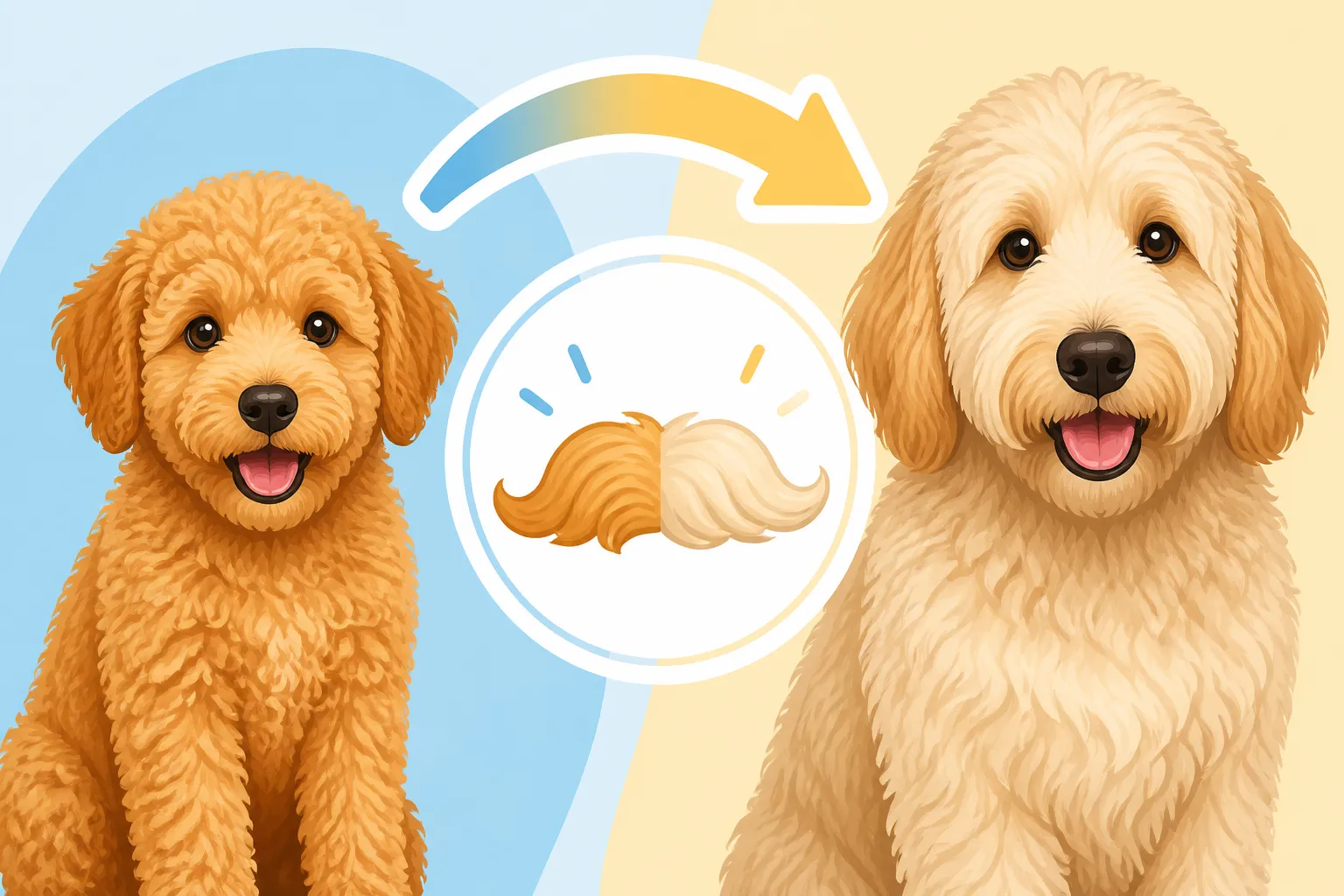
One of the defining characteristics of a Goldendoodle, the look that gives them that adorable, teddy bear face, is what we call "furnishings." This refers to the longer hair on their face, eyebrows, and mustache/beard area. Without furnishings, a Goldendoodle would look more like a Golden Retriever, with a smoother face and shorter facial hair. The presence of furnishings is determined by a specific gene, and it plays a huge role in how their coat develops and how it needs to be cared for. The Furnishings Gene and the Goldendoodle Beard
The furnishings gene is dominant, which is why most Goldendoodles have that classic "doodle" look. However, the type of furnishings can vary, from very pronounced and dense to more sparse. This gene also influences the texture of the coat on their body, often leading to the wavy or curly textures we associate with the breed. A Goldendoodle without furnishings, sometimes called an "improper coat," will have a more Retriever-like face and body coat, which often sheds more and requires less intricate grooming than their furnished counterparts.
During the coat change, the longer, coarser hair of the furnishings will start to become more apparent and can be a prime area for matting, especially around the mouth where food and water collect, and around the eyes where tears can cause irritation and tangles. It's critical to understand that these furnishings, while cute, are also a major factor in the grooming demands of your Goldendoodle. If you loved the idea of a Goldendoodle for that specific bearded look, you're signing up for diligent daily care in those areas, especially through the coat transition.
When a Goldendoodle Coat Turns at Nine Months
The "big change" often sneaks up on owners, transforming their easy-to-manage puppy into a grooming challenge seemingly overnight. You might wake up one morning, brush your dog, and suddenly hit a wall of tangled fur, wondering what in the world happened. This isn't just a bad hair day; it's a fundamental shift in their coat’s structure, and it requires a fundamental shift in your grooming routine.
The Timeline: Eight to Twelve Months
While every Goldendoodle is unique, the dreaded coat change typically begins somewhere between eight and twelve months of age, with some variations pushing it a little earlier or later. It's a developmental milestone, much like a human teenager hitting a growth spurt. During this period, your Goldendoodle’s soft, fluffy puppy coat gradually starts to give way to their denser, coarser adult coat. This isn't a quick shedding event like with a double-coated breed; instead, the new adult hair grows in among the remaining puppy hair.
This transition period can last for several weeks or even a few months, depending on the individual dog and their specific genetic makeup. For some, it's a relatively mild increase in tangles, easily managed with a bit more brushing. For others, it can feel like a daily battle against a coat that seems to mat just by looking at it. Hormonal changes as they approach maturity can also play a role, influencing the strength and texture of the new hair. Understanding this timeline helps you mentally prepare and adjust your grooming expectations and efforts accordingly.
If you have an F1 Goldendoodle (a direct cross between a Golden Retriever and a Poodle), their coat can be particularly unpredictable, sometimes showing traits from both parents more distinctly during this transition. F1b Goldendoodles (75% Poodle, 25% Golden Retriever) tend to have more consistent, curlier, and denser coats, but this doesn't exempt them from the coat change challenges; in fact, a denser, curlier coat can mean more matting during this phase if not managed meticulously. The key is to be proactive, starting your intensive grooming routine even before you notice the first major tangles.
Why a Goldendoodle Suddenly Mats at Nine Months
This is the central mystery for many Goldendoodle owners: why the sudden, seemingly inexplicable matting? The answer lies in the dynamic interaction between the puppy coat and the incoming adult coat. Imagine trying to comb through two completely different textures of hair that are growing in simultaneously and intertwined. That's essentially what's happening on your Goldendoodle's body. The finer, softer puppy fur gets caught up with the stronger, sometimes coarser strands of the adult coat. Why a Goldendoodle Suddenly Mats at Nine Months
As the adult coat grows, it pushes out the puppy coat. However, instead of simply falling away, the shed puppy hair becomes trapped within the emerging adult coat. This creates a dense, felt-like layer close to the skin, which quickly forms mats. These mats aren't just unsightly; they can be incredibly uncomfortable, pulling on the skin, restricting movement, and creating a breeding ground for skin infections if left untended. This is why a dog that once only needed a brush once or twice a week suddenly seems to require daily attention.
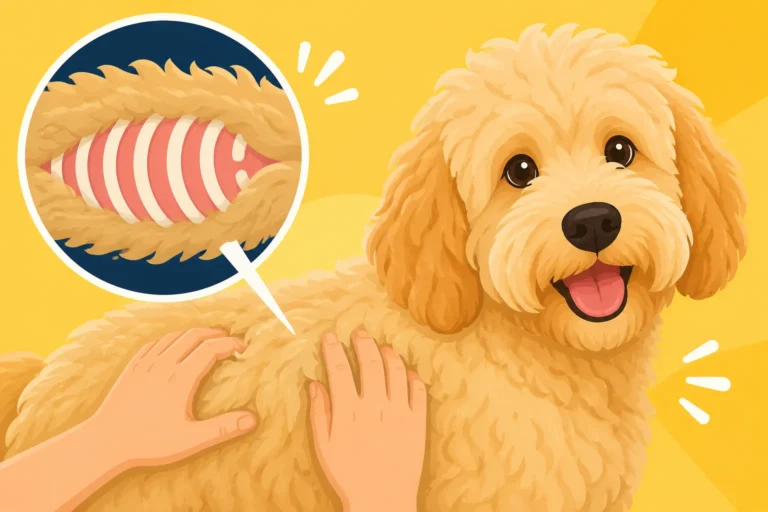
The matting can appear almost overnight, and it's especially prevalent in areas of friction, such as behind the ears, under the collar, in the armpits, and around the legs and tail. These areas move constantly, exacerbating the intertwining of hairs. If you're not brushing all the way down to the skin, you might be brushing only the top layer of the coat, leaving a dense layer of mats forming underneath, like felted wool. This "under-matting" is a common and frustrating discovery for many owners, often caught by a professional groomer during their first visit for the coat change.
Understanding the "Ugly Doodles" Phase
Let's be honest: while we adore our Goldendoodles through thick and thin (pun intended!), the coat change period isn't always their most aesthetically pleasing. Sometimes, we affectionately call it the "ugly doodles" phase. Their coat can look uneven, frizzy, dull, and just generally unkempt, no matter how much you brush. It's a temporary visual challenge, but it's important to understand why it happens and what it means for their long-term coat health.
The Texture Transformation
The most noticeable aspect of the coat change, beyond the matting, is the profound shift in texture. That baby-soft puppy fur gives way to an adult coat that can range from wavy (often called "fleece") to curly (often called "wool"). Some Goldendoodles even develop a straighter coat, though this is less common for the furnished types. The new hair is typically denser, coarser, and often feels more resilient to the touch than the puppy coat. This change in texture directly impacts how you need to groom them.
A wavy or fleece coat might feel soft but has a tendency to tangle easily, especially if it’s long. A curly or wool coat, on the other hand, is dense and tight, and while it might appear to shed less (because shed hairs get trapped in the curls), it requires incredibly diligent line brushing to prevent mats from forming at the skin. This texture transformation can sometimes be a bit disheartening if you had a specific vision for your Goldendoodle's look. Suddenly, their fluffy, flowing locks are turning into something much more robust, and sometimes, a bit unruly.
The unevenness in the coat during this time is also a common complaint. You might find patches of the old, fine puppy hair alongside new, denser adult hair, creating a rather haphazard appearance. This isn't anything you're doing wrong; it's just part of the natural process. The key is to remember that this phase is temporary. With consistent grooming and perhaps a professional trim to reset the coat, your Goldendoodle will eventually settle into their mature, beautiful adult coat.
Why a Goldendoodle Curl Says Nothing About Shedding
There's a persistent myth in the doodle world that the curlier a Goldendoodle's coat, the less it will shed, thus making it "hypoallergenic." While it's true that Poodles, known for their tight curls, are considered low-shedding, simply having a curly Goldendoodle doesn't automatically guarantee a non-shedding dog. This misconception often leads to frustration for owners who bought a curly puppy expecting no shedding, only to find their house still has dog hair. Why a Goldendoodle Curl Says Nothing About Shedding
Shedding is determined by specific genes, primarily the shedding locus, separate from the genes that dictate coat curl or wave. A Goldendoodle can inherit a curly coat from their Poodle parent but still carry shedding genes from their Golden Retriever parent. What often happens with a curly doodle is that any shed hair gets trapped within the tight curls rather than falling out onto your floor or furniture. This appears like less shedding, but it actually means the shed hair is still there, forming mats if not brushed out diligently.
So, while a curly Goldendoodle might be better for some allergy sufferers (though no dog is truly 100% hypoallergenic, as allergens are in dander and saliva, not just hair), it does not mean you can skip brushing. In fact, a curly coat often requires more diligent and frequent brushing to prevent those trapped shed hairs from forming painful mats. Always prioritize consistent grooming over assumptions based on curl pattern alone when it comes to Goldendoodle care.
Surviving the Goldendoodle Coat Change (and Your Sanity)
Alright, now that we've established the "why" and "what" of the coat change, let's talk about the "how." This is where the rubber meets the road, or rather, where the slicker brush meets the tangled fur. Surviving this phase requires commitment, the right tools, and a healthy dose of patience. It’s a temporary hike in your grooming workload, but it's absolutely essential for your dog's comfort and coat health.
Daily Brushing Through a Goldendoodle Coat Change
During the coat change, daily brushing isn't just a recommendation; for many Goldendoodles, it becomes an absolute necessity. If you skip even a day or two, you might find yourself facing a mat that takes twice as long to remove. The goal isn’t just to make the top layer look neat, but to effectively separate the old puppy hair from the new adult hair, getting right down to the skin to prevent the felt-like matting that forms at the base of the hair shaft. Daily Brushing Through a Goldendoodle Coat Change
To brush effectively, you need to use a technique called "line brushing." This involves parting the coat, either with your hand or a comb, and brushing in small sections, from the skin outwards. You start at the bottom of a leg or flank, hold the hair above your brushing line, and work your way up. As you brush each section, you ensure your slicker brush and comb can glide smoothly through the hair from root to tip. Then, you release a small amount of hair from the section above and repeat the process. This meticulous method ensures no mats are left hiding underneath the surface.
This process can be time-consuming, especially for a larger Goldendoodle, but it's critical. Think of it as an investment in your dog's comfort and your future grooming budget. If you neglect daily brushing during this period, you will almost certainly end up with severe matting that will require professional intervention, often resulting in a full shave-down. Establishing a consistent, positive brushing routine early will also help your Goldendoodle tolerate and even enjoy grooming sessions for the rest of their lives.
The Slicker Brush and Comb a Goldendoodle Needs
Having the right tools is half the battle when it comes to managing a Goldendoodle coat, especially during the coat change. You simply cannot get by with a cheap wire brush or a deshedding tool that’s designed for a double-coated dog. Goldendoodles, with their Poodle lineage, require specific grooming tools to prevent and manage matting. Investing in high-quality tools now will save you countless headaches and potential vet bills down the line. The Slicker Brush and Comb a Goldendoodle Needs
The two absolute must-haves are a good quality slicker brush and a sturdy metal greyhound comb. The slicker brush, with its fine, angled wire pins, is designed to separate individual hairs and work through tangles gently. You want one with a comfortable handle and pins that are firm enough to penetrate the dense coat but not so stiff that they scratch your dog’s skin. For example, brands often recommended by professional groomers are readily available on platforms like Chewy or Amazon, offering a range of options for different budgets and coat densities.
The metal greyhound comb is your mat detector and finishing tool. After using the slicker brush on a section, you should be able to run the comb all the way through the coat, from the skin to the tip, without snagging. If the comb gets stuck, you know there’s still a mat or tangle that the slicker brush missed, and you need to go back and work on that area. The comb is also invaluable for working through delicate areas like the ears, tail, and furnishings. It's often the comb that finds mats a brush misses. Why a Comb Finds Goldendoodle Mats a Brush Misses
Detangler Sprays That Help a Goldendoodle
Even with diligent brushing, sometimes you'll encounter a stubborn tangle or a small mat that just won't budge. This is where a good quality detangling spray can become your best friend. These sprays are designed to lubricate the hair strands, making them slicker and easier to separate without causing pain or breakage. They can significantly reduce the amount of pulling and tugging required, making the grooming experience much more pleasant for your Goldendoodle. Detangler Sprays That Help a Goldendoodle
When using a detangler, don't just spritz it on the surface. You need to saturate the mat or tangle thoroughly. Gently work the spray into the mat with your fingers, allowing it a minute or two to penetrate. Then, using your slicker brush or the wide-toothed end of your metal comb, start at the very end of the tangle and gradually work your way in towards the skin, loosening small sections at a time. Never try to pull through a large mat from the root; this will only cause pain and likely make the mat tighter.
Many excellent detangling sprays are formulated specifically for dogs and can be found at your local pet store or through online retailers like Amazon. Some brands even offer leave-in conditioners or coat sprays that can be used daily to help keep the coat smooth and less prone to matting. Think of these products as your secret weapon against the inevitable tangles that arise during the coat change, helping you maintain that beautiful Goldendoodle coat with less stress for both you and your furry companion.
When Professional Help is Essential
Despite your best efforts with daily brushing and the right tools, there are times when professional help becomes not just an option, but a necessity. Goldendoodle coats are complex, and groomers are equipped with specialized knowledge, tools, and techniques to handle even the most challenging situations. Don't feel like a failure if you need to call in the pros; it's a smart decision for your dog's comfort and your peace of mind.
Booking a Goldendoodle Groom Every Six Weeks Adds Up
Consistency is key with Goldendoodle grooming, and during the coat change, you might find that your usual grooming schedule needs to be significantly accelerated. Many Goldendoodle owners discover that booking a professional groom every six to eight weeks is the sweet spot for maintaining a healthy, mat-free coat. During the coat change, however, you might even need to bring your pup in every four weeks for a professional bath, blow-dry, and tidy-up to prevent serious matting. Booking a Goldendoodle Groom Six Weeks Out
This frequent grooming, naturally, adds up financially. It's a significant line item in the budget of a Goldendoodle owner, and it's one that often surprises new owners. However, consider the alternative: letting mats form can lead to painful skin issues, infections, and necessitate a full shave-down, which many owners try to avoid. A good groomer can also spot potential skin problems, ear infections, or other issues that might be hiding under that dense coat, providing early detection that can save on vet bills in the long run.
Having a regular groomer who understands Goldendoodle coats is invaluable. They can offer advice, demonstrate proper brushing techniques, and help you navigate the tricky coat change period. Don't wait until your Goldendoodle is a matted mess; call your groomer as soon as you notice the coat starting to change. Establishing a relationship with a skilled professional early on can make a world of difference in managing your Goldendoodle's coat throughout their life.
Whether to Shave a Goldendoodle During the Coat Change
The question of whether to shave your Goldendoodle during the coat change is a common dilemma, and one that many owners wrestle with. On one hand, it feels drastic to remove all that lovely fluff. On the other, if you're battling severe matting daily, a shave-down can feel like a huge relief, a clean slate for both you and your dog. There are pros and cons to consider, and the best decision often depends on the severity of the matting and your capacity for consistent home grooming.
A full shave can certainly reset the coat, making it much easier to manage for a few weeks or months. It eliminates existing mats instantly, relieving your dog of any discomfort, and allows you to start fresh with a diligent home grooming routine as the new hair grows in. This can be particularly appealing if you're feeling overwhelmed and the matting is causing your Goldendoodle distress. It also buys you time to really commit to the daily line brushing that will be needed to prevent future matting.
However, shaving down too frequently or too short can have some drawbacks. While it's largely a myth that shaving permanently "ruins" a Goldendoodle's coat, it can temporarily alter the texture, sometimes making it grow back softer and more prone to matting, or even slightly coarser. It also exposes their skin to the sun, increasing the risk of sunburn, and can make them more susceptible to cold. Ultimately, it’s a decision best made in consultation with your groomer, who can assess your dog's coat condition and help you weigh the benefits against the potential downsides.
Why a Groomer Shaves a Matted Goldendoodle
It can be heartbreaking to drop off your fluffy Goldendoodle at the groomer, only to pick them up looking entirely different with a very short shave. However, it's important to understand why a groomer makes the decision to shave a severely matted Goldendoodle, and it's almost always out of a deep concern for the dog's welfare. Groomers prioritize the comfort and safety of your pet, and attempting to de-mat a severely tangled coat can be an incredibly painful and traumatic experience for the dog. Why a Groomer Shaves a Matted Goldendoodle
De-matting involves pulling and tearing at the dog's skin, which can cause bruising, skin irritation, and even open wounds. It takes a tremendous amount of time, can be incredibly stressful for the dog, and often results in a poor-quality, damaged coat anyway. A professional groomer knows that a dog who endures a painful de-matting session is much less likely to tolerate future grooming, making their ongoing care even more difficult. They would rather give your dog a fresh start, even if it means a shorter cut than you initially envisioned.
Furthermore, severe matting can hide underlying skin conditions, parasites, or injuries that only become visible once the coat is removed. Many groomers will add a "dematting surcharge" to your bill if they do attempt to work through tangles, due to the extra time, effort, and specialized tools required. However, if the matting is too extensive or too close to the skin, a humane shave-down is often the only responsible and kind option. It truly comes from a place of caring for your Goldendoodle's physical and emotional well-being. Goldendoodle Dematting Surcharges Between $20 and $60
Long-Term Coat Care After the Change
Once your Goldendoodle has successfully navigated the challenging coat change, you can breathe a sigh of relief. While the intensive daily brushing might ease up slightly, consistent long-term coat care remains crucial for their comfort and health. Establishing a routine now will serve you well for the rest of your Goldendoodle's life, keeping them looking their best and feeling great.
Choosing a Goldendoodle Haircut Length
After the coat change, you'll have more flexibility in choosing a haircut length that suits both your Goldendoodle and your lifestyle. This is where you can truly embrace the "doodle style" you envision, whether that's a classic teddy bear cut, a shorter sporty look, or a longer, shaggier style. Discuss your preferences with your groomer, keeping in mind that longer coats, while beautiful, require more diligent home maintenance. Blade Lengths for a Goldendoodle Haircut
A common choice is the "teddy bear cut," which typically leaves the body hair at around 1 to 2 inches, with the face, ears, and tail shaped to maintain that adorable, rounded appearance. This length is manageable for many owners, providing enough fluff to look cute without becoming a matting nightmare with regular brushing. For those who are very active with their Goldendoodle or who prefer less home grooming, a shorter "summer cut" (often under an inch) can be practical, but remember to protect their skin from sunburn.
When you communicate with your groomer, it's helpful to be specific with blade lengths if you know them, or to bring photos of the look you want. Don't be afraid to experiment a little to find what works best for your dog's specific coat type and your commitment to maintenance. The key is finding a balance that keeps your Goldendoodle comfortable, clean, and mat-free between professional grooming appointments.
Bathing a Goldendoodle Between Grooms
While professional groomers do an amazing job, you’ll likely need to bathe your Goldendoodle at home between appointments, especially if they love to roll in mud or swim. Proper bathing technique is crucial for Goldendoodles to prevent matting, as an improperly washed or, more importantly, improperly dried coat can quickly become a tangled mess.
Before any bath, make sure your Goldendoodle’s coat is completely free of mats and tangles. If you wet a matted coat, those mats will tighten and become nearly impossible to remove without shaving. Use a good quality dog shampoo and conditioner. I like to keep a few options on hand, perhaps a gentle oatmeal shampoo, a whitening one for lighter coats, and a really good conditioner. You can find excellent choices from brands like Ollie, or other specialty lines, all available conveniently on Chewy or Amazon. Apply the shampoo thoroughly, ensuring it penetrates down to the skin, but be gentle – don’t scrub vigorously in circles, which can encourage matting. Rinse absolutely completely; any residual shampoo can irritate the skin and leave the coat sticky.
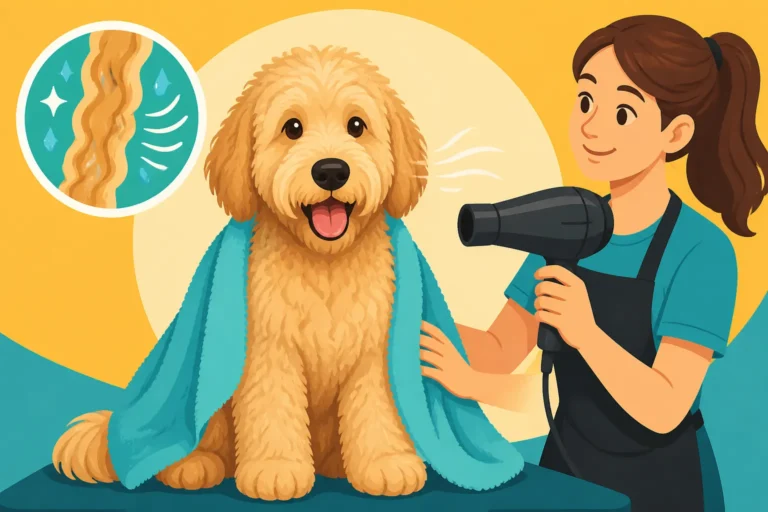
The most critical step after bathing is thorough drying. You absolutely cannot let a Goldendoodle’s coat air dry. The longer it stays damp, the more prone it is to matting. Use a high-velocity force dryer if you have one (or even a powerful human hairdryer on a cool setting, held at a distance). Direct the air at the skin while brushing the coat to ensure it dries straight and smooth. This process can take time, but it’s non-negotiable for a Goldendoodle. If you only brush the top layer or let it air dry, you're practically inviting mats to form.
How Often a Goldendoodle Actually Needs Brushing
After the coat change has settled, the frequency of brushing can sometimes be reduced from the daily marathon, but it should still be consistent. For most Goldendoodles, especially those with wavy or curly coats, brushing at least 3-4 times a week is generally recommended to prevent matting and keep their skin healthy. If your Goldendoodle has a very dense or tightly curled coat, or if you prefer to keep their coat longer, you might still need to brush daily.
Think of brushing as preventive maintenance. Each session is an opportunity to remove loose hair, stimulate the skin, and check for any new tangles or skin issues. It also strengthens your bond with your dog and gets them comfortable with being handled, which makes future vet visits or grooming appointments much smoother. The exact frequency will depend on your individual dog’s coat type, length, and activity level. A dog who romps in the woods will collect more debris and tangles than one who mostly stays indoors.
The golden rule remains: you should always be able to run a metal comb through your Goldendoodle’s coat from root to tip, without encountering any snags. If you can't, it means you're not brushing often enough or effectively enough. Don't underestimate the power of regular, thorough brushing. It’s the single most important thing you can do at home to keep your Goldendoodle comfortable and avoid expensive, painful mat removal.
Common Pitfalls and Misconceptions
The Goldendoodle coat change is rife with misunderstandings, and falling prey to common pitfalls can make an already tricky situation even more challenging. Let's clear up some of these common misconceptions to empower you with the right knowledge and set realistic expectations.
Why Goldendoodle Matting Is Almost Always Preventable
Many Goldendoodle owners come to me feeling defeated, thinking matting is an unavoidable curse of the breed. While it's true that Goldendoodles are highly prone to matting due to their unique coat structure, severe matting is almost always preventable with consistent, diligent home grooming. This isn't to blame owners, but rather to empower them with the knowledge that they can keep their Goldendoodle mat-free. It just requires understanding the coat and committing to a routine. Why Goldendoodle Matting Is Almost Always Preventable
The most common reason for severe matting isn't a "bad" coat, but a lack of understanding about line brushing and the importance of getting down to the skin. Many owners brush only the top layer of hair, giving a false sense of security while a dense layer of felt forms close to the body. Once mats form at the skin level, they pull and constrict, becoming incredibly uncomfortable for the dog. They can also hide skin infections, parasites, and hot spots.
Preventing matting means investing the time every day or every other day, especially during the coat change. It means using the right tools—a good slicker brush and a metal comb—and knowing how to use them effectively. It means regular professional grooming appointments, not just as a fix for existing mats, but as a proactive measure. If you commit to this routine, your Goldendoodle can absolutely live a mat-free, comfortable life, even with their challenging coat type.
Whether Shaving Ruins a Goldendoodle Coat
It's a common fear among Goldendoodle owners: "If I shave my dog, will it ruin their coat forever?" This concern is widespread, and while there can be temporary changes, the idea that shaving permanently ruins a Goldendoodle's coat is largely a myth. The texture might change slightly after a very short shave, sometimes coming back softer, sometimes coarser, but it doesn't fundamentally alter the genetic makeup of their hair growth. Whether Shaving Ruins a Goldendoodle Coat
What often happens is that the new growth, especially after a full shave-down due to severe matting, appears different. Sometimes it comes back a bit wavier or curlier, or occasionally a bit thicker. This is often just the coat returning to its natural adult state without the interference of matted puppy hair. However, if the skin underneath was irritated or damaged by severe matting, the regrowth might be compromised, leading to uneven patches or a slightly altered texture. This is a consequence of the matting, not the shaving itself.
For the vast majority of Goldendoodles, a shave is a temporary reset. The coat will grow back, and with proper, consistent grooming, it will return to its healthy, natural state. The focus should always be on the dog's comfort and skin health. If shaving is the kindest option to relieve severe matting, it's a responsible choice. Don't let the fear of "ruining" the coat cause your dog unnecessary pain or discomfort.
Understanding Goldendoodle Grooming Contracts
When you book a professional groomer for your Goldendoodle, particularly if your dog is prone to matting or is going through the coat change, you might encounter specific clauses in their grooming contract. Understanding these terms is crucial to avoid misunderstandings and ensure a smooth experience for both you and your dog. Most reputable groomers will have policies in place regarding matted coats, and it's always best to be informed.
Many grooming contracts will explicitly state that a severely matted dog will be shaved for humane reasons. They'll outline potential de-matting surcharges if they can safely work through some tangles, and they'll clearly communicate that the dog's welfare takes precedence over maintaining a specific haircut length. This is not meant to be punitive but rather to protect your dog from pain and protect the groomer from liability if the de-matting process causes unforeseen skin irritation or reveals hidden problems.
Before your appointment, especially if you know your Goldendoodle has some tangles, be honest with your groomer about their coat condition. This allows them to allocate appropriate time, prepare for potential challenges, and discuss options with you upfront. A good groomer will educate you on home grooming techniques and help you set realistic expectations for your Goldendoodle's coat. By understanding and respecting these contracts, you ensure a better, safer, and more positive grooming experience for your beloved Goldendoodle.
| Grooming Tool | Purpose | How to Use It | When to Use It |
|---|---|---|---|
| Slicker Brush | Detangles, removes loose hair, works through mats. | Brush in small sections, from skin outwards, ensuring pins reach the skin. | Daily during coat change; 3-4 times/week normally. |
| Metal Comb | Finds hidden mats, finishes brushing, detangles. | After slicker brushing, run through coat from root to tip. Use wide teeth for mats, fine teeth for finish. | Daily after slicker brushing; for delicate areas like ears and beard. |
| Detangling Spray | Lubricates hair, eases mat removal, prevents tangles. | Spray directly on mats or tangles, allow to soak, then brush gently. | As needed for tangles; can be used as a preventive spray before brushing. |
| Force Dryer | Quickly dries coat, prevents matting after bath. | Direct air at skin while brushing. Ensure coat is completely dry, not just surface-dry. | Essential after every bath; helps fluff coat and prevent mats. |
| Blunt-Tip Scissors | Trims around eyes/pads, small snips of matting. | Use with extreme caution. Only for small, isolated mats or quick trims. | Rarely, for urgent, minor trims; avoid for large mats. |
Disclaimer
This article is for general informational purposes only and does not constitute professional advice. Laws, prices and regulations vary by location and change over time. Consult a qualified professional for guidance on your specific situation.