Choosing a Goldendoodle Haircut Length
One of the biggest struggles Goldendoodle owners face is standing in front of their groomer, feeling a bit lost, and trying to explain exactly what kind of haircut they want for their furry companion. You know you don't want your beloved doodle to come home looking like a completely different dog, or worse, shaved down to the skin without good reason! It’s a common frustration, trying to translate your vision into grooming language. This guide is here to demystify the world of Goldendoodle haircuts, helping you understand your dog's coat, the popular styles, and how to communicate effectively with your groomer so your Goldendoodle always looks their best.
Understanding Your Goldendoodle's Coat Type and Why It Matters
Before you even start thinking about scissors and clippers, you've got to understand the canvas you're working with: your Goldendoodle's unique coat. Unlike purebreds where coat type is fairly consistent, Goldendoodles can vary wildly, and that variation hugely impacts how a haircut will look and, more importantly, how much maintenance it will require. Getting this right is the first step to a happy groomer and a comfortable doodle.
The Straight, Wavy, and Curly Goldendoodle Coats
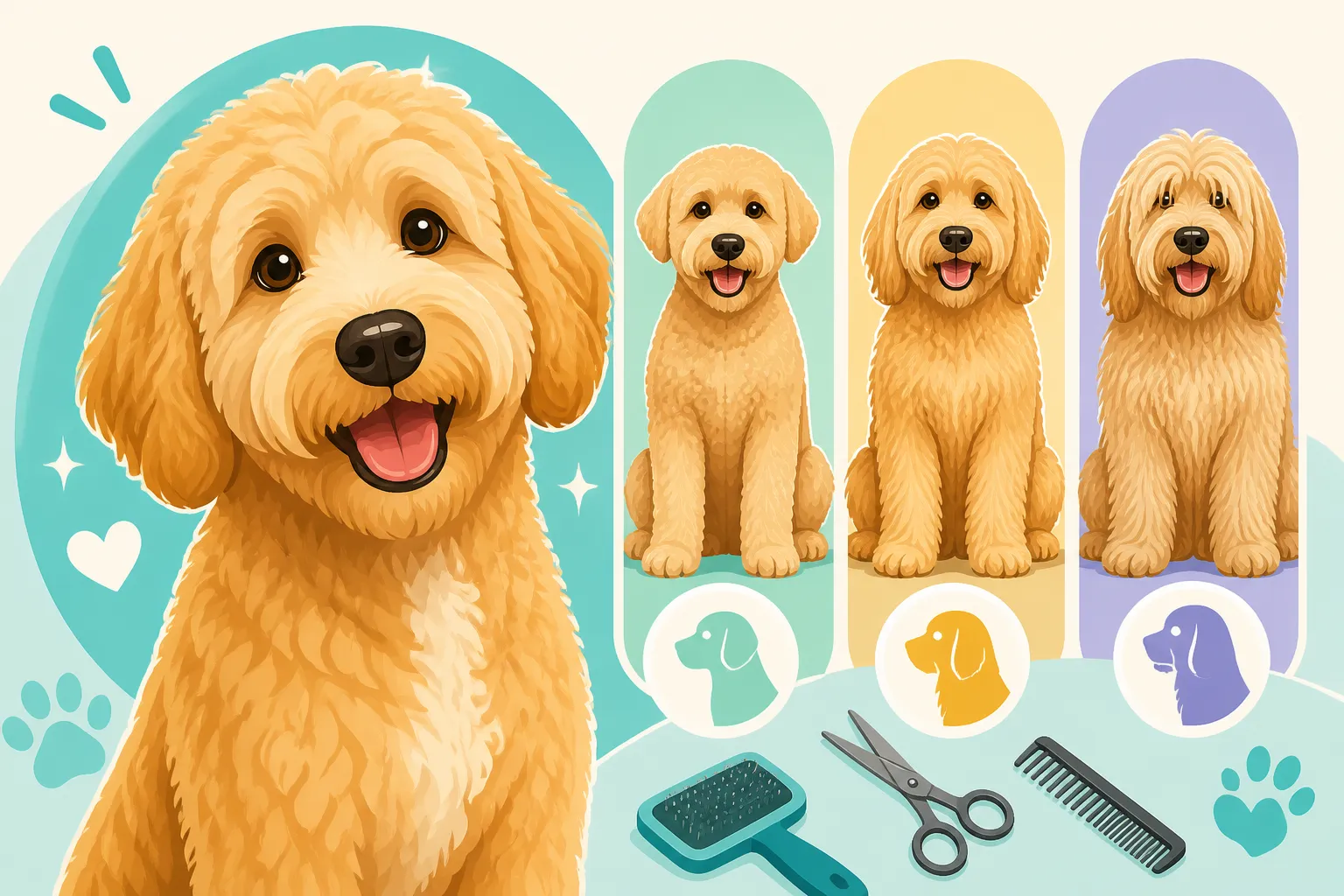
The Goldendoodle's coat is a delightful genetic lottery, a blend of the Golden Retriever's straight or wavy fur and the Poodle's tight curls. You might hear these referred to as "flat," "fleece," or "wool" coats, and each has its own set of characteristics and grooming needs. Knowing which type your dog has will drastically change your approach to choosing a haircut length.
A straight coat, sometimes called a "flat" coat, is the least common among Goldendoodles and often looks very similar to a Golden Retriever's fur. It's typically smooth, lies flat against the body, and might have some feathering. While it usually sheds more than the other types, which might be a surprise if you were promised a "non-shedding" doodle, it's generally the easiest to maintain in terms of matting. Brushing is still necessary to prevent tangles and remove loose hair, but you won't typically battle the dense mats found in curlier coats. Owners of these coats often find they can keep a slightly longer look with less effort.
The wavy coat, often called a "fleece" coat, is probably the most common and what many people picture when they think of a Goldendoodle. It's a lovely, flowing texture with loose, soft waves that fall gracefully. This coat type offers a wonderful balance – it sheds less than a straight coat but isn't as prone to tight matting as a curly coat, though it certainly can still mat if neglected. It's soft to the touch and provides that quintessential fluffy, teddy bear Goldendoodle look. Because it's so popular, groomers are usually very familiar with how to work with it, allowing for a variety of medium-length styles that look fantastic.
Finally, there's the curly coat, also known as a "wool" coat, which strongly resembles the Poodle parent's fur. These are tight, dense curls that are often low-shedding, making them ideal for allergy sufferers. However, this is also the most high-maintenance coat type when it comes to grooming. The dense curls act like velcro, easily trapping dirt, debris, and, most notably, each other, leading to rapid and severe matting if not meticulously maintained. If your Goldendoodle has a curly coat, keeping it longer means a daily commitment to brushing and more frequent professional grooming appointments. The Three Goldendoodle Coat Types and How to Tell Them will give you more insights into identifying your dog's specific texture.
The Goldendoodle Coat Change and Its Impact on Length Choices
Just when you think you've got a handle on your Goldendoodle's grooming needs, they hit adolescence, and everything changes. This phase, often called the "coat change" or "blowing coat," typically occurs between eight and twelve months of age, and it can be a real headache for even the most diligent owners. Suddenly, the soft, easy-to-manage puppy coat starts to shed out and intertwine with the incoming adult coat, creating a perfect storm for matting.
During this period, your Goldendoodle's coat, regardless of its ultimate adult texture, will feel thicker and more prone to tangling than ever before. It's like having two layers of hair trying to grow and shed at the same time, leading to a fuzzy, dense undercoat that grabs onto the longer guard hairs. What might have been an easy-to-brush puppy coat quickly becomes a matted mess, sometimes within a day or two of neglect. Many owners are genuinely shocked by how quickly their dog can go from fluffy to felted, and it's a frustration that many groomers hear about regularly.
The biggest impact of the coat change on haircut length choices is often the necessity of going much shorter than you might prefer. Trying to keep a long, flowing style during this transitional period is incredibly difficult, often painful for the dog, and can lead to expensive dematting fees or, more commonly, a full shave-down. Many groomers will recommend a very short "puppy cut" during these months to help you and your Goldendoodle get through this challenging phase with minimal stress. This isn't just about aesthetics; it's about comfort and preventing skin issues that can arise under severe matting. The Goldendoodle Coat Change at Eight to Twelve Months delves deeper into this fascinating, if frustrating, developmental stage.
This intense matting period can last for several weeks or even a few months, gradually subsiding as the adult coat fully emerges. If you decide to keep your dog's coat longer during this time, you must be prepared for daily, thorough line brushing down to the skin, which can be time-consuming and requires patience from both you and your Goldendoodle. Without this consistent effort, mats will form close to the skin, pulling and causing discomfort, potentially leading to hot spots or skin infections. Many first-time Goldendoodle owners find this period the most challenging aspect of their dog's care. Consider reading Surviving the Goldendoodle Coat Change for more practical tips to navigate this phase successfully.
Common Goldendoodle Haircut Lengths and What They Look Like
Once you understand your Goldendoodle's coat type and are past the challenging puppy coat change, you can start exploring the vast world of haircut styles. The good news is there's a look for every preference and lifestyle! However, clear communication with your groomer about length is paramount to getting the result you envision.
The "Puppy Cut" or Short All Over
The "puppy cut" is a universally popular option for Goldendoodles, and despite its name, it's not just for puppies. This style involves trimming your Goldendoodle's coat to a uniform, short length all over their body, typically between 1/2 inch to 1 inch. The goal is a neat, tidy appearance that emphasizes practicality and ease of maintenance. Think of it as a low-fuss, high-comfort haircut that keeps your doodle looking fresh without the intense daily brushing commitment of longer styles.
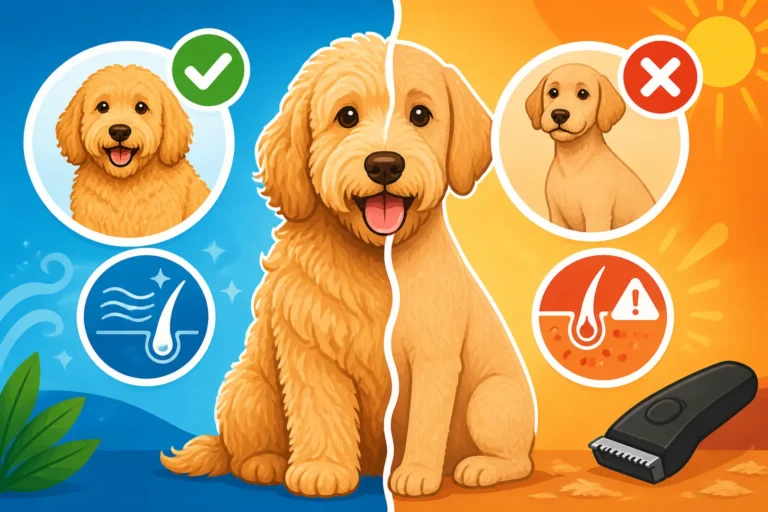
The benefits of a shorter haircut are numerous and often appeal to busy owners or those with active dogs. Firstly, it dramatically reduces the risk of matting, which is a major concern for most Goldendoodle owners. A shorter coat also means less dirt, fewer burrs, and quicker drying times after baths or swims, leading to a cleaner dog and a cleaner home. During warmer months, a shorter coat can help your dog feel more comfortable, although it’s important to remember that a dog's coat also provides insulation from heat and protection from the sun, so extreme shaving isn't always the best approach without proper precautions.
Of course, there are some downsides to consider. A very short cut means you lose some of that iconic fluffy Goldendoodle look that many owners adore. Your dog might look less "doodle-like" and more like a Poodle or even a generic scruffy terrier, depending on their facial furnishings and body structure. Additionally, while the coat still provides some protection, a very short length means your dog's skin is more exposed to the sun, increasing the risk of sunburn, especially on lighter-colored dogs. Always discuss sun protection with your groomer if opting for a very short style in sunny climates.
Overall, the puppy cut is an ideal choice for Goldendoodles who are very active outdoors, those prone to matting despite regular brushing, or for owners who simply prefer a lower-maintenance grooming routine. It's a great practical option that keeps your dog comfortable and healthy. If you’re communicating this to a groomer, you might ask for a "short all over," specifying a blade length like "1/2 inch" or "3/4 inch" with a guard comb, ensuring the length is consistent across the body, face, and legs.
The "Teddy Bear Cut" and Medium Lengths
Ah, the "teddy bear cut" – this is often the dream Goldendoodle look, the one that sells calendars and makes everyone "aww." It aims to achieve a soft, fluffy appearance, making your dog look like a perpetually cute, cuddly teddy bear. This style typically involves keeping the body hair at a medium length (perhaps 1.5 to 3 inches), while leaving the hair on the face, ears, and tail a bit longer to enhance that rounded, plush aesthetic. It's truly the quintessential Goldendoodle image, and it’s no wonder it’s so sought after.
Achieving and maintaining this fluffy, medium-length look requires a significant commitment to grooming, both at home and professionally. Because the hair is long enough to tangle but not so long that it lies flat, it tends to curl and mat easily, particularly in friction areas like behind the ears, armpits, and under the collar. You'll need to brush your Goldendoodle thoroughly at home most days, using a slicker brush and a metal comb to ensure you're getting through the entire coat down to the skin. Missing even a few days can result in mats that are difficult to remove without causing discomfort to your dog.
The pros of the teddy bear cut are obvious: it’s incredibly adorable, showcases the Goldendoodle's charm, and provides a decent layer of protection from both cold and sun. It’s the perfect compromise for many owners who want their dog to look like a doodle without the extreme demands of a very long coat. However, the cons revolve heavily around the potential for matting and the increased need for professional grooming. Groomers will typically recommend a professional groom every 4-6 weeks to maintain this length and prevent serious tangles. The Goldendoodle Teddy Bear Cut provides more specific details on achieving and keeping this charming style.
To get this look, you’ll need to clearly communicate with your groomer. Simply asking for a "teddy bear cut" might not be enough, as groomers’ interpretations can vary. It’s best to bring photos of Goldendoodles with the exact look you want and be prepared to discuss specific lengths for the body, legs, and head. You might say something like, "I'd like about two inches on the body, with a fluffy, rounded face, and full, natural ears." The more specific you are, the better the chances your Goldendoodle will come home looking just like the picture in your head.
Longer, Flowing Styles: Challenges and Rewards
For some Goldendoodle owners, the ultimate dream is a magnificent, long, flowing coat, reminiscent of a show Golden Retriever, but with that added doodle texture. While undeniably stunning, maintaining a very long Goldendoodle coat is an undertaking that few are truly prepared for. It moves beyond regular grooming and into the realm of daily, dedicated coat care, demanding a level of commitment that most casual pet owners simply don't have.
The reality of a long Goldendoodle coat is that it's a magnet for everything. Dirt, leaves, burrs, mud, food, and anything else your dog encounters will become instantly entangled in the long strands. This means that a walk in the park can necessitate a full bath and brushing session afterwards. Furthermore, the longer the hair, the more prone it is to massive matting, especially in high-friction areas or if it gets wet and isn't thoroughly dried and brushed out immediately. You might envision your dog running through a field with their majestic coat flowing behind them, but the reality is often closer to them picking up half the field in their fur.
If you are determined to keep your Goldendoodle's coat long, you'll need to invest in a serious arsenal of grooming tools. This includes multiple types of slicker brushes, various metal combs (fine and wide-toothed), high-quality detangling sprays, and, most importantly, a powerful force dryer. Air drying a long Goldendoodle coat is a recipe for matting disaster, as the hair will clump and knot as it dries. You'll need to thoroughly line brush your dog every single day to prevent mats from forming close to the skin. Many dedicated owners source their grooming supplies from reliable retailers like Chewy or Amazon, ensuring they have professional-grade tools.
This style is truly only for the most dedicated owners who have ample time, patience, and a Goldendoodle who tolerates extensive grooming sessions. It’s also often easier to manage in cooler, drier climates, and for dogs with a relatively sedentary, indoor lifestyle. If your dog loves to swim, roll in dirt, or explore brush, a long coat will quickly become a source of frustration and discomfort. The reward is a truly beautiful coat, but the challenge is immense, and it’s critical to be realistic about whether you can truly commit to the required maintenance.
Factors Influencing Your Goldendoodle's Ideal Haircut Length
Choosing the perfect haircut for your Goldendoodle isn't just about what looks cute; it's a practical decision that should factor in your dog's daily life, the environment they live in, and your own capabilities as a pet parent. Ignoring these crucial elements can lead to a dog that's uncomfortable, or an owner who's constantly battling mats and dirt.
Lifestyle and Activity Level
Your Goldendoodle's daily routine and activity level should play a huge role in determining their haircut length. Let's be honest, a dog that spends its days hiking mountain trails, swimming in lakes, or romping through muddy fields will have vastly different grooming needs than a pampered couch potato who only ventures into the meticulously manicured backyard. It's about practicality and your dog's comfort.
For the adventurous Goldendoodle who loves the great outdoors, a shorter haircut, like a practical puppy cut, is almost always the best choice. Imagine trying to untangle burrs from a long, fluffy coat after a hike, or cleaning mud that has caked deep into several inches of fur. It's a nightmare! Shorter coats are simply easier to clean, dry faster, and dramatically reduce the chances of picking up debris that can quickly turn into painful mats. Dogs that regularly swim also benefit immensely from a shorter coat, as long, wet hair takes ages to dry thoroughly and is highly prone to matting as it air-dries. If you have an active family and your Goldendoodle is right there with you, exploring every puddle and bush, don't feel guilty about keeping their coat short – you're doing them a favor.
On the flip side, if your Goldendoodle is more of an indoor companion, enjoying leisurely walks around the block and plenty of snuggle time on the sofa, you might have more flexibility with a medium or even longer coat. While still requiring regular brushing, they won't be subjected to the constant challenges of outdoor elements. However, even indoor dogs can pick up dust, shed hair, and develop mats from friction points like collars, harnesses, or simply lying down. The key is to be realistic about your dog's exposure to the elements and how willing you are to clean up after them and maintain their coat. It's about finding that sweet spot where their coat looks good, stays healthy, and suits both your lives.
Climate and Seasonal Considerations
The weather outside absolutely impacts the best haircut length for your Goldendoodle. While there's a common misconception that shaving a dog completely bald in summer will "cool them off," it's often not the best approach, as a dog's coat actually provides natural insulation and protection. However, adjusting the length with the seasons can certainly help with comfort and maintenance.
In warmer climates or during the scorching summer months, a medium to short length is generally preferred by many owners. A shorter coat can help air circulate closer to the skin, which can make your Goldendoodle feel less bogged down by their fur in the heat. It also helps prevent potential skin issues like hot spots that can develop when moisture gets trapped in a dense, long coat, especially after swimming or humid weather. However, it's crucial not to go too short. If your Goldendoodle's coat is cut extremely short (e.g., less than 1/2 inch), their skin becomes highly susceptible to sunburn, especially for light-colored dogs. Just like humans, dogs can get skin cancer, so leaving some length for sun protection is vital. Always ensure they have shade and fresh water, regardless of their haircut.
Conversely, in colder climates or during winter, a slightly longer coat might offer more protection from the elements. A bit more fur can act as an extra layer of warmth, which can be beneficial when your Goldendoodle is out for walks in chilly weather. However, even in winter, extreme length can be problematic. Wet snow can clump and freeze into painful "snowballs" in a long, fluffy coat, and if the coat gets thoroughly wet and isn't dried properly, it can lead to uncomfortable matting. Many owners opt for a slightly longer teddy bear cut in winter, perhaps 1.5 to 2 inches, which offers both warmth and manageability. For active dogs, it's often more practical to maintain a consistent, manageable shorter length year-round, adding a doggy coat for extra warmth on very cold days, rather than dealing with the seasonal coat changes.
Your Grooming Commitment and Budget
Let's talk frankly about the real cost of that adorable Goldendoodle look: your time and your money. Your willingness to commit to regular at-home grooming and your budget for professional services are perhaps the two most significant factors in deciding an appropriate haircut length. Many people underestimate the sheer amount of work involved in maintaining a Goldendoodle's coat, and this often leads to frustrated owners and painfully matted dogs.
If you dream of a fluffy, medium to long Goldendoodle coat, you must be prepared for a daily brushing routine. This isn't just a quick once-over; it means dedicating 15-30 minutes every single day to line brush your dog, ensuring you get down to the skin to prevent mats. If your schedule is packed and you can barely squeeze in a walk, adding an intensive daily grooming session might be unrealistic. An honest self-assessment of your available time and patience is crucial. Overestimating your commitment can lead to severe matting, which is uncomfortable for your dog and much more expensive to rectify at the groomer's.
Beyond your time, there's the financial investment. Longer haircuts, while beautiful, require more frequent professional grooming appointments. A Goldendoodle with a medium-length coat might need to see the groomer every 4 to 6 weeks to keep it tidy and mat-free. If you opt for an even longer style, you might be looking at appointments every 3-4 weeks. Each of these visits carries a cost, and these expenses can quickly add up, easily becoming one of the largest ongoing costs of Goldendoodle ownership. You can explore Goldendoodle Grooming Every Six Weeks Adds Up to get a clearer picture of these expenses. Neglecting professional grooms to save money often backfires, as severe matting will result in a dematting surcharge or the need for a full shave, both of which can be more expensive than regular maintenance grooms.
Consider also the cost of quality home grooming tools. While you might try to save money by grooming exclusively at home, even short-coated Goldendoodles need good brushes, combs, and a reliable force dryer. Investing in these tools can be a significant upfront cost, but they are essential for any coat length. Some owners even consider feeding their Goldendoodle high-quality food, like that offered by Ollie, as good nutrition can contribute to a healthier coat, potentially reducing dryness and making it slightly less prone to breakage and matting. Ultimately, the longer the desired haircut, the greater your commitment, both in time and money, needs to be.
Communicating Your Desired Haircut to Your Groomer
You've done your homework: you understand your Goldendoodle's coat, you've considered your lifestyle, and you have a general idea of the look you want. Now comes the critical step: clearly communicating this to your groomer. This can feel daunting, especially if you're new to Goldendoodle grooming, but with a few strategies, you can minimize misunderstandings and ensure your dog gets the perfect trim.
The Importance of Clear Communication
The phrase "just a trim" is probably a groomer's least favorite instruction because it means something different to almost everyone. To one owner, it might mean tidying up the face and paws; to another, it might mean taking off an inch all over. This ambiguity is the source of many client-groomer misunderstandings and can lead to disappointment or frustration. Your groomer isn't a mind-reader, and Goldendoodle coats are incredibly diverse, so vague requests are simply not going to cut it (pun intended!).
Instead of vague terms, try to use specific measurements or descriptions. When discussing body length, ask for a specific blade length or guard comb number. For example, "I'd like a 1/2-inch length on the body" or "please use a #3F blade" gives the groomer a concrete instruction. Most professional groomers are familiar with these terms and can translate them into the exact tools needed to achieve that length. If you're unsure what specific length you want, look at photos of Goldendoodles with different coat lengths and point to what you like.
Bringing clear, multiple photos is arguably the single best way to communicate your desired haircut. Don't just bring one picture; bring several from different angles (front, side, rear) of a Goldendoodle with the coat length and style you admire. Even better, bring a picture of a Goldendoodle cut that you don't like, to help clarify your preferences. When showing photos, remember that a Goldendoodle's unique coat, genetics, and even the angle of the photo can make a haircut look slightly different. Be prepared to discuss how your dog's specific coat might adapt to that style. Bringing Photos to a Goldendoodle Groomer offers excellent advice on how to use visuals effectively. Remember, you're asking for a Goldendoodle style, not a purebred Golden Retriever or a Poodle, as the coat texture will always create a different final look.
Specific Areas: Face, Ears, and Tail
While discussing the overall body length is crucial, don't forget the details! The way your Goldendoodle's face, ears, and tail are groomed significantly contributes to their overall appearance and, in some cases, their health and comfort. These areas often require specific instructions to achieve that signature doodle look.
The face is where much of the Goldendoodle's personality shines through. Many owners adore the fluffy, rounded "teddy bear" face, with a longer beard and expressive eyebrows. To achieve this, you might ask for the face to be "scissored" rather than clipped, which allows for a softer, more natural look. However, it's essential that the hair around the eyes is kept trimmed short enough to prevent irritation and allow your dog to see clearly. You can request "clean eyes" or ask for the groomer to trim the visor and eyebrows to a comfortable length without losing the overall fluffy appearance. Keeping Hair Out of a Goldendoodle's Eyes is a great resource for managing this delicate area.
Goldendoodle ears, with their luxurious furnishings, are prone to matting and require special attention. The long hair on the outside of the ear flap can be left long for a beautiful, flowing look, but be prepared for diligent daily brushing. Many owners prefer to have the ear hair trimmed to match the body length for easier maintenance, especially if their dog is prone to ear infections. Inside the ear canal, hair can grow quite thickly, trapping moisture and debris, which creates a perfect breeding ground for infections. While some groomers pluck this hair, others prefer to trim it with clippers to avoid irritating the delicate skin. Discuss your preference and your dog's history with ear infections with your groomer. Goldendoodle Ear Hair and Chronic Infection highlights the importance of ear care.
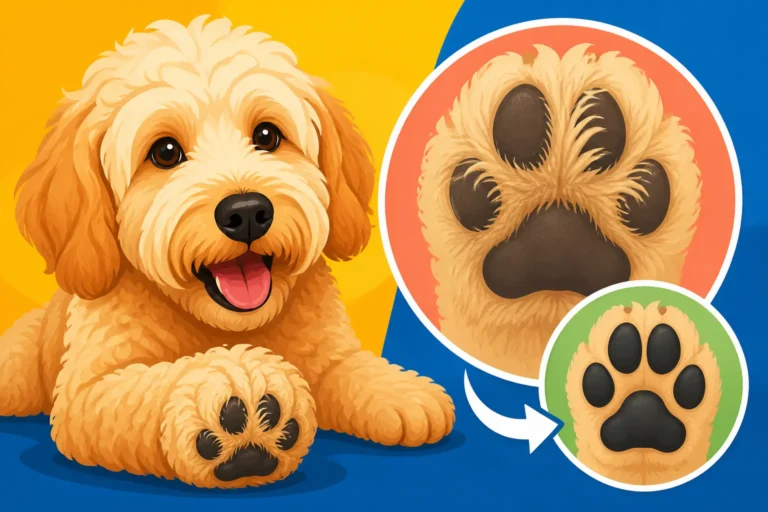
Finally, the tail and paws complete the picture. Most Goldendoodle owners prefer to keep the tail with a natural, flowing plume, often just tidying up the end or thinning it slightly. A "flag" tail, where the hair is left long and feathery, is quite popular. For the paws, the hair between the paw pads should always be trimmed short to prevent slipping on hard floors, reduce tracking dirt into the house, and prevent matting between the toes. This also makes it easier to inspect for foreign objects or injuries. Discussing these specific areas ensures your Goldendoodle not only looks great but is also comfortable and hygienic.
Maintaining Your Chosen Haircut Length at Home
Getting a fantastic haircut from a professional groomer is only half the battle; the other half is maintaining that look at home. Without consistent at-home care, even the best groom will quickly devolve into a matted mess, necessitating another trip to the groomer much sooner than planned, or worse, a full shave-down. Establishing a regular home grooming routine is non-negotiable for a Goldendoodle, regardless of their haircut length.
Essential Home Grooming Tools for Every Goldendoodle Owner
Don't let the sheer volume of grooming products overwhelm you; a few key tools are absolutely essential for any Goldendoodle owner. Think of these as your basic toolkit for keeping your dog's coat healthy and tangle-free between professional appointments. Trying to maintain a Goldendoodle coat with inadequate tools is like trying to build a house with a butter knife – frustrating and ineffective.
First and foremost, you need a high-quality slicker brush and a sturdy metal comb. The slicker brush is your primary weapon against tangles and loose hair, while the metal comb is crucial for finding and working out smaller mats that the brush might miss. Remember, if you can't get a metal comb through the coat down to the skin, your dog has mats, even if they're not visible to the naked eye. Invest in durable, comfortable tools that fit your hand well, as you'll be using them often. Many great options are available from retailers like Chewy or Amazon, where you can read reviews to find what works best. For more on these vital tools, check out The Slicker Brush and Comb a Goldendoodle Needs.
Next up is a good detangling spray. This is your secret weapon for making brushing sessions easier and more comfortable for your Goldendoodle. A spritz of detangler can help loosen knots and protect the hair from breakage as you brush. You'll also want to invest in a dog-specific shampoo and conditioner, particularly one formulated for curly or long coats, to keep the fur soft and manageable during baths. Finally, a high-velocity force dryer is a game-changer. Air drying a Goldendoodle's coat, especially medium to long lengths, is a recipe for matting. A force dryer quickly blasts water out of the coat, helping to straighten it and prevent mats from forming as it dries, and making your brushing much more effective. While an initial investment, it saves countless hours and prevents painful matting.
Daily and Weekly Brushing Routines
The frequency of your brushing routine depends heavily on your Goldendoodle's coat type and haircut length. There's no one-size-fits-all answer, but generally, the longer the coat, the more often you'll need to brush. However, even short-coated Goldendoodles benefit from regular brushing to keep their skin healthy and prevent any minor tangles.
For Goldendoodles with medium to long coats, daily brushing is often a necessity. This might sound like a lot, but it can be done in short, manageable sessions, perhaps 10-15 minutes, if you're consistent. The key is "line brushing," a technique where you systematically brush small sections of hair, starting from the skin and working your way outwards. This ensures you're getting through the entire coat and not just skimming the surface. If you only brush the top layer, mats will form underneath, close to the skin, making them much harder and more painful to remove later. You can learn more about this technique in Line Brushing a Goldendoodle Section by Section.
Even if your Goldendoodle has a shorter "puppy cut" or a relatively easy-to-manage wavy coat, a thorough brushing session 2-3 times a week is still highly recommended. This helps to remove loose hair, distribute natural oils, and check for any developing mats, especially in those notorious trouble spots. Pay particular attention to areas where mats love to hide: behind the ears, in the armpits, under the collar or harness, and at the base of the tail. These friction points are often where mats start, and catching them early makes a huge difference. For specific guidance on frequency, consider Brushing a Goldendoodle Often Enough to Stop Matting.
Making grooming a positive experience for your Goldendoodle from puppyhood is vital. Introduce tools gradually, use plenty of praise and high-value treats (perhaps some healthy ones from Ollie), and keep sessions short and positive. If brushing becomes a struggle, it will only get harder. Remember, a well-maintained coat isn't just about aesthetics; it's about your Goldendoodle's comfort and health.
Troubleshooting Common Haircut Issues
Even with the best intentions and clear communication, things can sometimes go awry with Goldendoodle haircuts. Whether it's the dreaded matting monster or a haircut that just isn't what you envisioned, knowing how to troubleshoot these common issues can save you a lot of stress and keep your doodle comfortable.
Dealing with Matting and Tangled Coats
Matting is, without a doubt, the number one coat-related frustration for Goldendoodle owners. It happens, sometimes despite your best efforts, and it can feel incredibly overwhelming. Mats are essentially clumps of tangled hair that become dense and matted together, pulling on the skin and causing pain, discomfort, and potentially serious skin issues like hot spots or infections if left untreated.
If you find a small, isolated mat, you can often work it out at home with patience and the right tools. First, spray the mat liberally with a good detangling spray. Then, using your fingers, try to gently pull the mat apart into smaller sections. Once it's somewhat loosened, use the end teeth of a metal comb to gently tease out the tangles, working from the outside edges of the mat inwards, and from the tip of the hair towards the skin. Never pull or rip through a mat, as this is painful for your dog. For very stubborn but small mats, you might use a blunt-nosed scissor to carefully snip into the mat (never across the skin!), creating channels that make it easier to comb out. You can find more detailed advice on Working a Mat Out of a Goldendoodle Coat.
However, if your Goldendoodle has extensive or severe matting – meaning mats that are large, tight, close to the skin, or widespread across their body – the kindest and safest course of action is usually a full shave-down. Professional groomers will almost always recommend this because attempting to brush out severe matting is incredibly painful, stressful, and can even cause skin damage to the dog. It's not a punishment; it's a humane intervention to relieve your dog from discomfort. While it might be heartbreaking to see your fluffy Goldendoodle shaved short, remember that their comfort and health come first, and their beautiful coat will grow back. For situations where shaving might be necessary, refer to When a Goldendoodle Mat Has to Be Shaved.
It's also important to be aware that groomers often charge a dematting fee, which can be substantial, if they spend extra time attempting to brush out mats. This is because dematting is time-consuming, labor-intensive, and requires specialized skills and tools. Prevention truly is the best medicine here: regular home brushing and professional grooming appointments are far less costly, both financially and in terms of your dog's comfort, than dealing with severe matting.
When Your Haircut Doesn't Look Right
You've picked up your Goldendoodle from the groomer, and… it's just not quite right. Maybe it's shorter than you expected, or the face isn't fluffy enough, or perhaps it looks uneven. It’s a common scenario, and it’s okay to feel disappointed. The first step is to calmly assess what you don't like and consider how to address it constructively.
Your first course of action should be to politely discuss your concerns with the groomer. Many reputable groomers want their clients and their dogs to be happy and are willing to make minor adjustments if they’ve misunderstood your request. When you speak with them, be specific about what you're unhappy with. Instead of saying, "I don't like it," try, "I was hoping for the body to be a little longer, perhaps another half-inch, and the face to be more rounded." Bringing in photos of what you wanted versus what you got can be very helpful for this discussion. Sometimes, a quick tidy-up can resolve the issue, or the groomer can offer advice for the next appointment.
However, if you find yourself repeatedly dissatisfied with the results, or if there's a significant communication breakdown, it might be time to consider finding a new groomer. It's a relationship that takes time to build, and finding someone who understands Goldendoodle coats and your preferences is invaluable. Look for groomers who specialize in doodles or who come highly recommended by other Goldendoodle owners in your area. Don't be afraid to ask for a consultation before booking a full groom, where you can discuss your dog's coat, temperament, and your desired style. While a specific post on finding a Goldendoodle groomer isn't available, the advice in Finding a Trainer Who Works With Goldendoodles regarding finding a specialist for your dog can apply to groomers too – look for expertise and good communication.
Building a good relationship with your groomer is paramount for a Goldendoodle owner. These dogs require consistent, skilled care, and having a professional who knows your dog's coat, temperament, and your preferences can make life so much easier. Don't give up if the first or second haircut isn't perfect; persistent communication and, if necessary, exploring other groomers will eventually lead you to the right fit for your beloved Goldendoodle.
Disclaimer
This article is for general informational purposes only and does not constitute professional advice. Laws, prices and regulations vary by location and change over time. Consult a qualified professional for guidance on your specific situation.