When a Goldendoodle Starts Blowing Its Puppy Coat
That adorable, fluffy Goldendoodle puppy coat? It’s not going to last forever, and when it starts to transition into their adult coat, many owners are caught completely off guard, finding themselves wrestling with a matting nightmare. This guide is here to prepare you, walking you through exactly when to expect your Goldendoodle's puppy coat to "blow," what’s truly happening beneath all that fluff, and how to effectively manage this challenging phase to prevent painful mats and keep your beloved companion comfortable and happy.
The Timeline of the Goldendoodle Puppy Coat Transformation
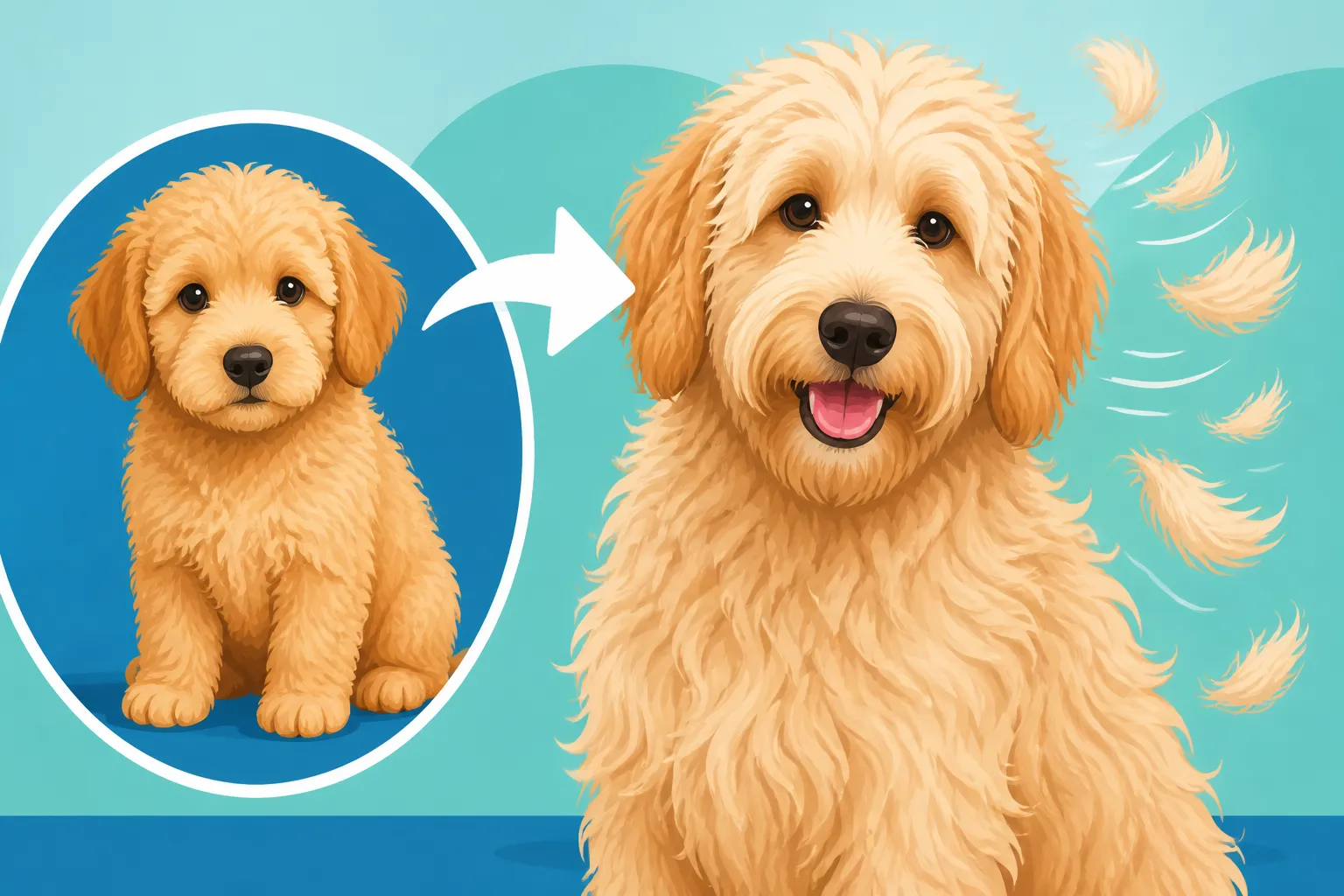
Many Goldendoodle owners cherish those first few months of soft, easy-to-manage puppy fluff. It's often so delightful that it lulls us into a false sense of security about grooming. Then, seemingly out of nowhere, things change. Your Goldendoodle’s puppy coat will begin to "blow" or transition into their adult coat, typically somewhere between 8 and 12 months of age. Sometimes it starts a little earlier, around six months, and for others, it might hold off until they're closer to 14 or 18 months. Just like teenagers hitting growth spurts at different times, every Goldendoodle is an individual.
This isn't a sudden, overnight event where they shed copious amounts of hair like a Golden Retriever blowing its summer coat. Instead, it’s a more insidious process that can sneak up on you. You might notice the texture of their fur changing first, perhaps becoming a bit coarser or more wavy, even if they had a relatively straight puppy coat. One day, you'll be brushing them and find the comb just stops in what feels like a solid wall of fluff, especially in areas you didn't think were a problem before. This is the new adult hair pushing through the old puppy fur, creating a perfect storm for tangles and mats that can quickly become severe if not addressed. It's crucial to understand that this phase is temporary, but the intensity of daily grooming required during this period can be quite a shock. Being prepared for it can save you and your Goldendoodle a lot of discomfort and a potentially costly shave-down at the groomer. You can get a general idea of your dog's development by looking at a Goldendoodle Puppy Growth Chart by Size.
What "Blowing Coat" Actually Means for a Goldendoodle
The term "blowing coat" can be a little misleading for Goldendoodles because it doesn't involve the massive seasonal shedding you'd see in double-coated breeds. For our furry friends, it’s more about the significant difference between their puppy fur and their developing adult coat, and how these two distinct textures interact.
Imagine your Goldendoodle puppy's coat: it's incredibly soft, often quite fine, and generally has less density than what will become their adult fur. This puppy fluff is relatively easy to brush through, and unless you're truly neglecting it, serious matting isn't usually a huge concern in those early months. However, as they mature, their adult coat starts to emerge. This new hair is typically thicker, often coarser, and can have a more pronounced wave or curl pattern, depending on the genetic lottery your Goldendoodle won. This is a great time to really observe their coat and try to identify The Three Goldendoodle Coat Types and How to Tell Them.
The problem arises because the softer, finer puppy hair doesn't just fall out neatly as the adult hair grows in. Instead, it gets tightly interwoven and trapped within the emerging, denser adult coat. Think of it like trying to comb through a tangled mess where two different types of string are hopelessly intertwined. Every time your Goldendoodle moves, lies down, or plays, these two coat types rub against each other, fusing into dense knots and mats. These mats start small, close to the skin, and can grow rapidly, becoming painful and pulling on their sensitive skin. This is precisely Why a Goldendoodle Suddenly Mats at Nine Months. If left unchecked, they can restrict movement, create skin irritation, and even lead to skin infections due if moisture gets trapped underneath. It's a critical period where proactive grooming isn't just about aesthetics; it's about their health and comfort.
Navigating the Goldendoodle Coat Change: Your Grooming Battle Plan
When your Goldendoodle starts blowing their puppy coat, your grooming routine needs to shift dramatically. What once was a casual weekly brush-through must now become a diligent, almost daily ritual. This isn't just a suggestion; it’s a necessity to prevent painful matting and costly trips to the groomer for a complete shave-down.
Stepping Up Your Brushing Game
The single most important thing you can do during this coat change is increase your brushing frequency. We’re talking daily brushing, without fail. This isn't just a quick once-over; you need to thoroughly line brush your Goldendoodle down to the skin. Daily Brushing Through a Goldendoodle Coat Change is non-negotiable. If you're not familiar with line brushing, it involves parting the hair in small sections and brushing from the skin outwards, systematically working your way across their entire body. This ensures you're getting through both the puppy and adult coats, rather than just skimming the top layer. You can learn how to effectively perform Line Brushing a Goldendoodle Section by Section.
You’ll need the right tools for this job. A good quality slicker brush is essential for working through tangles and removing loose hair. Follow up with a sturdy metal comb (sometimes called a greyhound comb) that has both wide and narrow teeth. This comb is your mat detector; if the comb can’t glide smoothly through the coat down to the skin, you’ve got mats forming. Many reliable options for these tools can be found on online retailers like Amazon or pet supply stores like Chewy. Don't underestimate the power of a good comb – it's often the best indicator of true matting, as a slicker brush can sometimes just brush over the top of a forming mat. The Slicker Brush and Comb a Goldendoodle Needs are simple but vital.
Pay special attention to the areas where mats tend to form first and most aggressively: behind the ears, in the armpits, under the collar or harness, and around their hindquarters. These are friction points where hair is constantly rubbing, accelerating mat formation. Behind the Ears and the First Goldendoodle Mats are often the trickiest to detect until they're already quite dense. Make these spots a priority during every brushing session.
Professional Grooming During the Transition
Even with diligent home brushing, professional grooming is more critical than ever during the coat change. You might find you need to take your Goldendoodle to the groomer more frequently than your usual schedule – perhaps every 4-6 weeks instead of 6-8. Communicate openly with your groomer. Let them know your dog is going through the coat change, and ask for their advice. They are experts at navigating this phase and can recommend appropriate lengths or special conditioning treatments. Sometimes, a slightly shorter haircut might be necessary temporarily to help manage the coat and get ahead of matting. Don't be afraid to ask for a "puppy cut" that keeps the length manageable. Regular appointments are key, so don't skip Booking a Goldendoodle Groom Every Six to Eight Weeks.
The Importance of Proper Bathing and Drying
Bathing a Goldendoodle, especially one blowing its coat, requires careful attention. Water can cause mats to tighten and felt together, making them much harder, if not impossible, to brush out. If your Goldendoodle has any significant mats, do not bathe them until those mats have been removed or shaved out. It’s always best to thoroughly brush and detangle before a bath.
When you do bathe your Goldendoodle at home, use a high-quality shampoo and conditioner specifically designed for dogs. Rinse thoroughly, and then the drying process is paramount. Air-drying is a recipe for disaster; it guarantees matting. You need to dry your Goldendoodle down to the skin, ideally using a high-velocity force dryer. This powerful airflow helps separate the hairs and ensures they are completely dry, preventing new mats from forming as the coat dries. As you dry, continue to brush through the coat to keep it smooth and tangle-free. This meticulous Drying a Goldendoodle Coat Properly is crucial for maintaining a healthy coat.
Detangling Sprays: Your Secret Weapon
Detangling sprays can be incredibly helpful during this period. Applied before brushing, they can lubricate the hair, making it easier to work through minor tangles and prevent static, which can also contribute to matting. Look for sprays that are dog-safe and alcohol-free. Some popular options are readily available from online pet suppliers. While they won't magically eliminate severe mats, they can certainly make your daily brushing sessions more effective and less stressful for both you and your Goldendoodle. Using Detangler Sprays That Help a Goldendoodle can significantly reduce pulling and discomfort.
| Grooming Task | Puppy Coat Phase (0-8 months) | Coat Change Phase (8-18 months) | Adult Coat Phase (18+ months) |
|---|---|---|---|
| Brushing Frequency | 2-3 times/week | DAILY – non-negotiable | 3-5 times/week (depending on coat type) |
| Tools Needed | Slicker brush, wide-tooth comb | Slicker brush, metal comb, detangler | Slicker brush, metal comb, detangler |
| Focus Areas | General brushing, gentle introduction | All over, especially friction points | All over, consistent line brushing |
| Professional Grooms | Every 8-12 weeks for introduction | Every 4-6 weeks (or as needed) | Every 6-8 weeks |
| Bathing Protocol | Brush before, careful drying | Brush meticulously BEFORE bath, force dry thoroughly | Brush before, force dry thoroughly |
| Key Challenge | Getting puppy used to grooming | Severe matting | Maintaining coat health |
Life After the Goldendoodle Coat Change: A New Normal
Once your Goldendoodle has successfully navigated the "blowing coat" phase, usually by around 18 months to two years of age, their adult coat will have fully established itself. You'll notice a more consistent texture and density, which should be much more predictable and, thankfully, easier to manage than the chaotic transition period. This doesn't mean you can throw your brush in the closet, though! Goldendoodles, with their Poodle lineage and often dense, curly, or wavy coats, still require consistent and dedicated grooming throughout their lives.
At this point, you'll have a much clearer understanding of your Goldendoodle's specific adult coat type – whether it's a shaggier, wavier coat inherited more from the Golden Retriever side, or a tighter, wool-like curl closer to a Poodle. This knowledge will guide your ongoing grooming routine and choices for haircuts. Even after the coat change is over, maintaining a regular brushing schedule (typically 3-5 times a week for most coat types, more for very curly coats) and sticking to professional grooming appointments every 6-8 weeks is essential. Neglecting the coat for even a few weeks can quickly lead to matting, especially in high-friction areas. You'll find that Goldendoodle Grooming Every Six Weeks Adds Up, but it's an investment in your dog's comfort and health. The lessons you learned during the coat change phase, particularly the importance of thorough line brushing and using a metal comb as your mat detector, will serve you well for the rest of your Goldendoodle's life. Embrace the new normal, and enjoy a coat that is hopefully much more predictable than it was during The Goldendoodle Coat Change at Eight to Twelve Months.
Disclaimer
This article is for general informational purposes only and does not constitute professional advice. Laws, prices and regulations vary by location and change over time. Consult a qualified professional for guidance on your specific situation.