How a Groomer Removes Goldendoodle Ear Hair
One of the most common headaches Goldendoodle owners face isn't just brushing the magnificent coat on their dog's body, but wrestling with the hair that seems to grow everywhere – especially inside those floppy, adorable ears. It's a constant battle to keep them clean and healthy, and many of us wonder exactly what happens when our Goldendoodle goes to the professional groomer for ear care. This guide is going to walk you through the process, demystify the techniques, and help you understand what your groomer does to keep those furry ears in tip-top shape.
The Challenge of Goldendoodle Ear Hair
Let's be real, those cute, floppy Goldendoodle ears are a magnet for trouble if not properly cared for. The combination of their shape, the way they lie flat against the head, and the sheer volume of hair that grows both on the outside and inside the ear canal creates a perfect storm for potential issues. It's a frustration many of us know all too well, especially when you can almost feel an ear infection brewing.
Why Goldendoodle Ears Get So Hairy
It all comes down to their lineage, specifically the Poodle side of the family. Poodles are known for their continuous hair growth, which means their coat doesn't "shed" in the traditional sense like a Golden Retriever's does. Instead, the hair just keeps growing, and this trait is often passed down to Goldendoodles, especially in generations like the F1b or Multigen where Poodle genetics are more dominant. This continuous growth isn't just limited to the body; it extends right into the ear canal itself.
Imagine fine, soft hair growing deep inside a dark, warm, and often moist environment. It's like a tiny, furry jungle in there. This dense hair growth can trap moisture, debris, and earwax, creating an ideal breeding ground for bacteria and yeast. If you've ever peered into your Goldendoodle's ear and seen a thick mat of hair, you know exactly what I'm talking about. It can feel overwhelming, and it’s a big reason why many Goldendoodle owners rely on professional groomers for this specific, delicate task. You can read more about Goldendoodle Ear Hair and Chronic Infection in another one of our articles.
The Problems This Hair Causes
That excessive ear hair isn't just an aesthetic concern; it’s a major health hazard for your Goldendoodle. Firstly, as mentioned, it traps moisture. Whether it's from swimming, baths, or even just humidity in the air, moisture gets locked in, leading to a damp, humid environment. This is exactly what yeast and bacteria love, paving the way for those dreaded ear infections that cause so much discomfort for our pups. You might find yourself constantly cleaning your Goldendoodle's ears, but if the hair is still dense, it can feel like you're fighting a losing battle.
Secondly, the hair itself can prevent proper airflow. Good airflow is crucial for keeping the ear canal dry and healthy. When it's blocked by a thick thatch of hair, the air can't circulate, exacerbating the moisture issue. Furthermore, debris like dirt, dust, and even parasites can get caught in the hair, building up over time and irritating the delicate skin of the ear canal. This chronic irritation can lead to inflammation, itching, and pain, making your Goldendoodle miserable. It's no wonder many dogs with hairy ears become prone to head shaking and scratching, which can then lead to secondary injuries like aural hematomas. Groomers are well aware of these issues and approach ear care with the goal of not just cleanliness, but long-term health.
Common Grooming Approaches to Ear Hair Removal
When you take your Goldendoodle to a professional groomer, they have a couple of primary methods for dealing with that troublesome ear hair. It's not a one-size-fits-all approach, and a good groomer will assess your individual dog's needs and sensitivities. They understand that what works for one Goldendoodle might not be best for another, and that trust is paramount when handling such a sensitive area.
Plucking: The Traditional Method
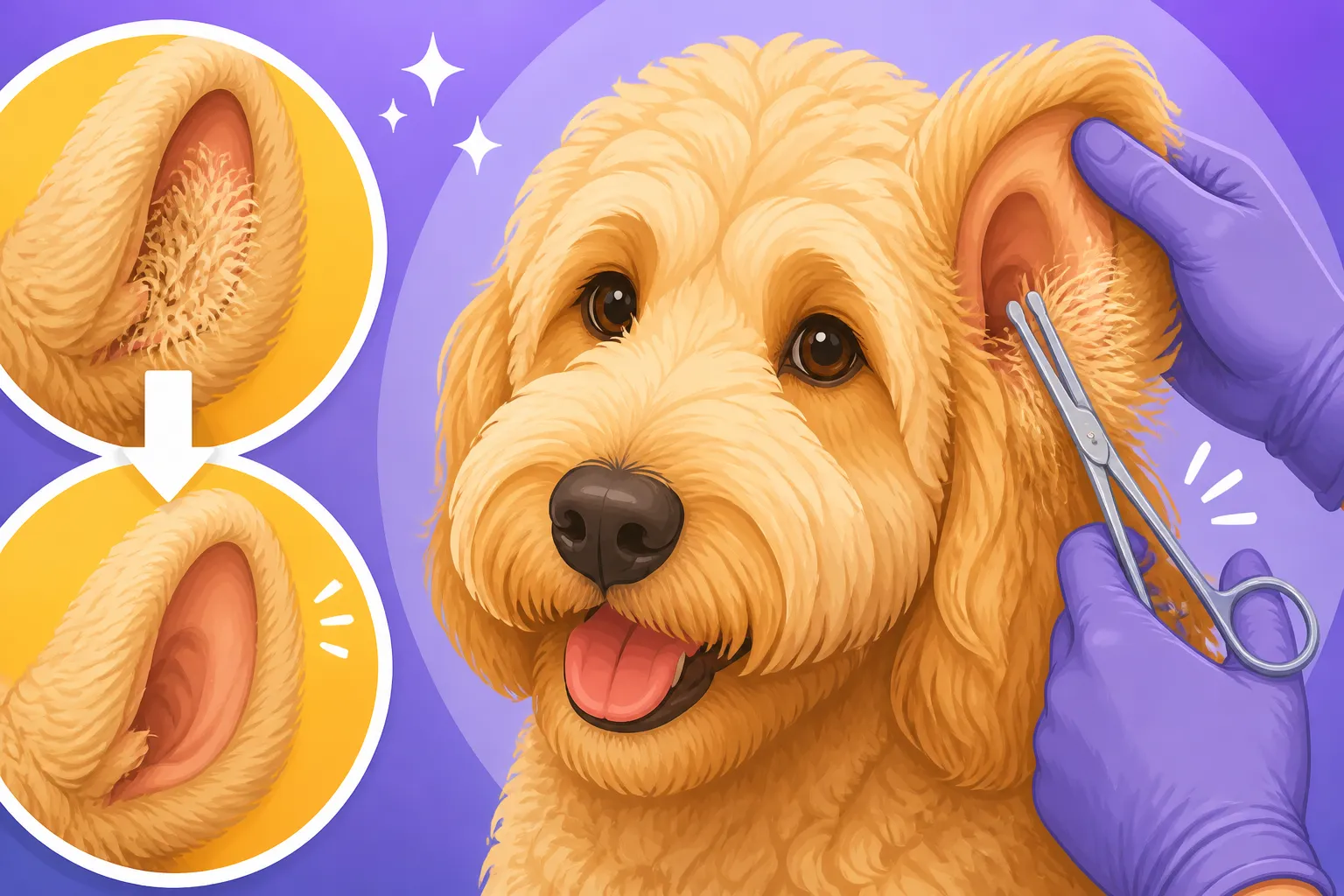
For many years, and still commonly practiced, plucking (or stripping) the hair from inside the ear canal has been the go-to method. This involves using specialized ear hemostats or forceps to gently pull out small tufts of hair at a time. The idea is to clear the ear canal completely, allowing for maximum airflow and reducing the chances of moisture and debris buildup. Groomers are trained to do this quickly and efficiently, often using ear powder beforehand to help grip the hair and make the process a bit less slippery.
While effective, plucking can be uncomfortable or even painful for some dogs, especially if the hair is thick, matted, or if the dog isn't accustomed to it. Some Goldendoodles have very sensitive ears, and this procedure can be quite a shock. It's also a point of contention among veterinarians and groomers, with some advocating for it to prevent infections, while others argue it can irritate the ear canal lining, potentially leading to inflammation or even introducing bacteria if not done perfectly. Your groomer will usually start gently and gauge your dog's reaction, but if your Goldendoodle really struggles with plucking, it's worth discussing alternatives. Many groomers now consider this method only for dogs with excessive, dense hair causing issues, or for those who tolerate it well.
Trimming: A Gentler Alternative
As the debate around plucking continues, many groomers are leaning towards trimming the ear hair as a gentler alternative, particularly for dogs who are sensitive or who don't have extremely dense growth. This method involves using small, curved scissors or specialized clippers to carefully trim the hair from the outer edges of the ear canal and just inside, rather than pulling it out from the root. The goal isn't to clear the canal completely but to significantly reduce the bulk of the hair, allowing for better airflow and easier cleaning.
Trimming is generally less stressful for the dog, as it avoids the pulling sensation associated with plucking. It's also less likely to cause irritation or inflammation to the delicate inner ear skin. However, it's important that this is done by a professional, as improper trimming with sharp tools can be very dangerous in such a confined and sensitive area. The downside is that trimming might not achieve the same level of openness in the ear canal as plucking, and the hair will grow back faster, potentially requiring more frequent maintenance. For Goldendoodles prone to severe matting deep inside the ear, trimming might not be sufficient to address the root cause of recurrent infections. It's a balance, and your groomer will help you decide what's best for your dog's specific situation.
Professional Groomer's Assessment and Technique
Before any ear hair removal begins, a professional groomer will perform a thorough visual inspection of your Goldendoodle's ears. They're looking for signs of existing problems, such as redness, swelling, discharge, or a strong odor – all red flags that indicate an infection might already be present. If they spot any of these issues, a responsible groomer will often advise you to consult with your veterinarian before they proceed with any hair removal. They don't want to cause further irritation or pain to an already inflamed ear. This is a critical step, as attempting to pluck or trim an infected ear can be incredibly painful and worsen the condition.
Once the ears are deemed healthy enough for grooming, the groomer will consider your dog's history and temperament. Do they squirm or snap during ear handling? Have they had issues with plucking before? This assessment helps them decide whether to go with careful plucking for dense hair or a more conservative trimming approach. They will also use a proper ear cleaner, often one you might find on Amazon or Chewy, to flush out loose debris and excess wax before or after hair removal. The actual technique involves working slowly and carefully, often with the dog's head gently cradled to prevent sudden movements. It's a testament to their skill and patience that they can perform such a precise task on a wiggly Goldendoodle.
What to Expect During a Professional Ear Grooming
Bringing your Goldendoodle to the groomer means entrusting them with a very sensitive part of your dog's anatomy. Understanding their process can alleviate your worries and help you prepare your pup for a more positive experience. It's not just about getting the hair out; it's about making the whole event as stress-free and effective as possible for your furry friend.
Tools and Techniques a Groomer Uses
A professional groomer comes equipped with a specific set of tools for ear care. For plucking, they'll use hemostats or forceps, which are small, scissor-like clamps with blunt ends that help grip small tufts of hair without cutting the skin. They might also use ear powder, often containing a drying agent and sometimes a mild astringent, which helps improve grip on fine hair and can reduce discomfort slightly. For trimming, very small, blunt-tipped scissors or specialized grooming clippers (with a fine blade) are used to carefully shorten hair around the ear canal opening.
Beyond the tools for hair removal, groomers will also use a professional ear cleaning solution. These solutions are formulated to gently break down wax and debris, as well as dry out the ear canal. After any hair removal, they will typically apply this cleaner, often massaging the base of the ear to help the solution penetrate, and then wipe away any loosened gunk with cotton balls. They are meticulous in ensuring the ear is as clean and dry as possible, which is essential for preventing future issues. It's a comprehensive approach, not just a quick pluck and rinse.
Post-Grooming Ear Care and Maintenance
The groomer’s job doesn’t end when your Goldendoodle leaves the salon. They'll often provide you with advice on at-home ear care, because consistency is key. Even with professional hair removal, your Goldendoodle's ears will still produce wax and can still accumulate moisture. Your groomer might recommend a weekly or bi-weekly cleaning routine, especially if your dog loves to swim or is prone to getting their ears wet. Brands like Virbac Epi-Otic or Zymox are often recommended by professionals, and you can usually find them on sites like Chewy or your local pet store.
They’ll also tell you what to look out for between visits: any redness, swelling, discharge, or an unusual smell. These are all signs that an ear infection might be brewing, and early detection can save your dog a lot of discomfort and prevent a more serious problem. Regular at-home checks, perhaps during a cuddle session or when you're brushing their coat, are invaluable. Consistency with brushing and regular professional grooming, roughly every Booking a Goldendoodle Groom Six Weeks Out, helps immensely. Remember that keeping the outer ear clean and dry is just as important as keeping the inner canal clear.
Discussing Your Goldendoodle's Needs with the Groomer
This is perhaps the most crucial part of professional ear care: open communication with your groomer. Don't be shy! Before your appointment, or at drop-off, make sure to chat with them about your Goldendoodle's specific ear history. Have they had infections before? Are they sensitive to having their ears touched? Do they squirm a lot? The more information you provide, the better equipped your groomer will be to tailor their approach.
For instance, if your Goldendoodle absolutely hates plucking, you can specifically request trimming instead, or a minimal plucking only if absolutely necessary. You can also ask them to show you how much hair they removed, or how they clean the ears. A good groomer values your input and wants to work with you to ensure your Goldendoodle has a positive and healthy grooming experience. They're partners in your dog's well-being, so don't hesitate to ask questions and express your concerns. It’s also a great opportunity to get tips on how to get your Goldendoodle used to ear handling at home. In fact, training your Goldendoodle puppy to accept grooming from an early age is vital, as discussed in Training a Goldendoodle Puppy for the Grooming Table.
Weighing the Pros and Cons of Ear Hair Removal
Deciding how to manage your Goldendoodle's ear hair often feels like a balancing act. On one hand, you want to prevent painful infections; on the other, you want to avoid causing your dog unnecessary discomfort during grooming. It’s a common dilemma for doodle owners, and understanding the full picture can help you make informed choices alongside your groomer and vet.
Benefits of Keeping Ear Canals Clear
The primary benefit of removing excess hair from your Goldendoodle's ear canals is vastly improved ventilation. When air can circulate freely, the ear canal stays drier, significantly reducing the warm, moist environment that yeast and bacteria thrive in. This, in turn, helps to prevent those persistent ear infections that can plague Goldendoodles. A clear ear canal also allows for much easier and more effective cleaning, whether you're doing it at home or your groomer is doing a deeper clean. Cleaning a Goldendoodle Ear Before It Gets Infected is a crucial step that becomes much simpler when the hair isn't in the way.
Furthermore, with less hair, it's easier for you and your veterinarian to spot early signs of irritation or infection. You can see redness or discharge more clearly, allowing for quicker intervention before a minor issue escalates into a major, painful problem requiring extensive veterinary treatment. For dogs that frequently get Yeast in a Goldendoodle Ear After Swimming, a clear ear canal can make a world of difference in preventing recurrence and maintaining overall ear health.
Potential Risks and Discomforts
While the benefits are clear, there are indeed potential downsides to ear hair removal, particularly with plucking. As we discussed, plucking can be uncomfortable or painful for some dogs, especially if they have sensitive skin or if the hair is pulled roughly. This discomfort can create a negative association with ear handling and grooming, making future appointments stressful for both your dog and the groomer. In some cases, repeated plucking can irritate the delicate lining of the ear canal, leading to micro-traumas that might, paradoxically, make the ear more susceptible to inflammation or infection.
For this reason, a growing number of veterinarians and groomers advocate for a more conservative approach, especially for Goldendoodles who don't have extremely thick ear hair or aren't prone to infections. Some argue that the trauma of plucking outweighs the potential benefits for certain dogs. It's a conversation you should definitely have with your veterinarian and groomer to decide what's truly best for your Goldendoodle's individual ear health and comfort. Every dog is different, and what works for one may not work for another.
When to Opt for Minimal Intervention
So, how do you know if minimal intervention is right for your Goldendoodle? The answer largely lies in observation and consultation with professionals. If your Goldendoodle rarely gets ear infections, has relatively sparse hair inside their ear canals, and tolerates ear cleaning well, then aggressive hair removal might not be necessary. Some groomers and vets suggest that only the hair that is clearly blocking the ear canal or causing matting should be removed. For these dogs, a gentle trimming of the hair around the opening and just inside might be sufficient to maintain good airflow without the potential irritation of full plucking.
You might also consider minimal intervention if your Goldendoodle has a history of extreme pain or fear during plucking, or if they develop inflammation after the procedure. In such cases, the stress and potential irritation caused by aggressive hair removal might be doing more harm than good. Instead, focus on regular cleaning with a vet-approved solution, thorough drying after baths or swims, and vigilant monitoring for any signs of trouble. It's about finding the balance that keeps your Goldendoodle comfortable, healthy, and happy. Many Goldendoodles who suffer from Goldendoodle Ear Infections That Return Every Month might benefit from a change in their ear hair management strategy, shifting from plucking to trimming, or even a different type of cleaning solution. It's a journey of finding what works best for your unique companion.
| Method | Description | Pros | Cons | Ideal For |
|---|---|---|---|---|
| Plucking | Using hemostats to pull hair from the ear canal root. | Maximizes airflow; full clearance of debris. | Can be painful/stressful; potential for irritation/inflammation. | Goldendoodles with dense, infection-prone ear hair who tolerate it well. |
| Trimming | Using small scissors/clippers to shorten hair at the canal opening. | Less painful/stressful; reduces irritation risk; quicker. | Less thorough clearance; hair grows back faster; potential for ingrown hairs if not done correctly. | Sensitive Goldendoodles; those with less dense ear hair; preventative maintenance. |
Ultimately, whether your groomer plucks or trims your Goldendoodle's ear hair, their primary goal is to ensure the health and comfort of your beloved companion. By understanding their methods and communicating your dog's needs, you can work together to keep those Goldendoodle ears happy and healthy.
Disclaimer
This article is for general informational purposes only and does not constitute professional advice. Laws, prices and regulations vary by location and change over time. Consult a qualified professional for guidance on your specific situation.