What a Goldendoodle Actually Is and Is Not
Oh, the Goldendoodle! So many of us are utterly smitten with these adorable, fluffy companions, and it's easy to see why. Their sunny dispositions and charming looks have captured hearts across the globe. But with all that popularity comes a lot of misinformation and some truly widespread misunderstandings about what a Goldendoodle actually is, and perhaps more importantly, what it is not. If you're considering bringing one of these delightful dogs into your life, or if you already have one and are just trying to make sense of all the conflicting advice out there, you've landed in the right place. This guide is dedicated to cutting through the fluff (pun intended!) and giving you a realistic, no-nonsense look at the true nature of the Goldendoodle.
The Goldendoodle's True Identity: A Crossbreed, Not a Purebred
It’s easy to get caught up in the excitement surrounding Goldendoodles and hear terms like "designer dog" or even "Goldendoodle breed" thrown around. But let's be super clear from the start: a Goldendoodle is a crossbreed, not a purebred dog breed. This isn't a knock on them at all, but it's a fundamental distinction that impacts everything from their genetic predictability to how they're recognized (or not recognized!) in the official dog world. Understanding this difference is absolutely crucial for any prospective owner.
Why "Designer Dog" Doesn't Mean "Breed"
When we talk about a "breed," we're not just talking about a type of dog that looks a certain way. A true breed, recognized by major kennel clubs like the AKC, has a consistent, verifiable lineage that goes back many generations. These dogs breed true, meaning that when you breed two purebred Golden Retrievers, you get Golden Retriever puppies that share a very predictable set of physical traits, temperaments, and even health predispositions. Their gene pool is closed, meticulously documented, and standards are maintained over decades, sometimes centuries.
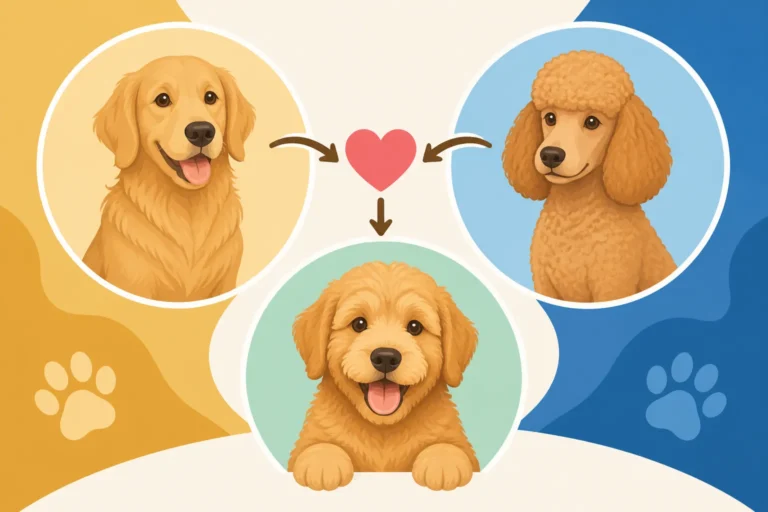
The term "designer dog," while catchy and certainly contributing to their appeal, simply means a purposeful cross between two different purebred dogs. In the Goldendoodle's case, it's a Golden Retriever and a Poodle. The intention behind these crosses is often to combine desirable traits from both parents, such as the Golden Retriever's friendly disposition and the Poodle's low-shedding coat. However, the genetic lottery is very much in play with a first-generation cross, and even in later generations, the outcomes are far less predictable than with a purebred dog. You might desire specific traits, and a good breeder will aim for them, but there's no guarantee every puppy will inherit the desired blend.
The Story Behind the Cross: Golden Retriever Meets Poodle
The Goldendoodle didn't just appear out of nowhere; it's the result of crossing two incredibly popular and distinct purebred dogs: the Golden Retriever and the Poodle. Each of these parent breeds brings its own rich history, unique characteristics, and even specific health concerns to the genetic table. The Golden Retriever, famous for its luscious coat, gentle nature, and eager-to-please attitude, was originally bred as a retrieving gun dog in Scotland. They are renowned for their patience, making them fantastic family pets and therapy dogs. However, they do shed quite a bit, and they have known predispositions to certain cancers and joint issues.
Then you have the Poodle, a dog often misunderstood as simply a fancy show dog, but actually a highly intelligent, athletic, and water-loving retriever in its own right, originating from Germany. Poodles come in various sizes (Standard, Miniature, and Toy), boast a distinctive curly, non-shedding coat, and are incredibly smart and trainable. They, too, have their own set of health considerations, including certain endocrine diseases and eye conditions. The initial idea behind the Goldendoodle was often to combine the Golden's beloved temperament with the Poodle's low-shedding coat, aiming for a family-friendly dog that might be more suitable for allergy sufferers. Many also credit Wally Conron, who first crossed the Poodle and Labrador for guide dog purposes in the late 1980s, for inspiring the wider "doodle" trend. You can read more about The 1989 Guide Dog Cross Behind Every Goldendoodle and even The Novelist Who Crossed a Golden With a Poodle for a deeper dive into their origins.
Understanding Goldendoodle Generations: F1, F1b, F2, and Multigen
If you've spent any time looking into Goldendoodles, you've undoubtedly stumbled upon terms like F1, F1b, F2, and multigen. These aren't just fancy marketing terms; they refer to the generation of the cross and, crucially, they give you some clues about the genetic makeup and potential predictability of a Goldendoodle puppy. Understanding these generations is key to setting realistic expectations for your dog's appearance, temperament, and even its coat characteristics, especially if low shedding is a priority for your family.
Decoding the "F" System (F1 and F1b)
The "F" in F1 stands for "filial hybrid," essentially meaning "first generation." An F1 Goldendoodle is the direct offspring of a purebred Golden Retriever and a purebred Poodle. This means they are approximately 50% Golden Retriever and 50% Poodle genetically. F1s are often praised for potentially exhibiting "hybrid vigor," a concept we'll explore later, where the mixing of two distinct gene pools can sometimes result in healthier, more robust offspring than either parent purebred line alone. However, the F1 generation is also the least predictable in terms of individual traits. Some F1 puppies might lean more towards the Golden Retriever side in appearance and coat, while others might favor the Poodle. You can expect a wide range of coat types, from straight to wavy, and shedding levels can vary significantly, even within the same litter. This makes finding a truly low-shedding F1 a bit of a gamble. For a closer look, check out The F1 Goldendoodle at Fifty Fifty.
The F1b Goldendoodle (often pronounced "F1-BEE") is the result of breeding an F1 Goldendoodle back to one of its purebred parent breeds, almost always a Poodle. This makes an F1b Goldendoodle approximately 75% Poodle and 25% Golden Retriever. The primary motivation for this "backcross" is typically to increase the likelihood of a non-shedding or very low-shedding coat, which is highly desirable for people with allergies. Because of the higher Poodle percentage, F1b Goldendoodles generally have curlier, more Poodle-like coats, which tend to shed less. However, this also means they usually require more intensive grooming. They may also exhibit more Poodle-like traits in temperament, though they still retain that wonderful Goldendoodle charm. Learning about The F1b Goldendoodle at Three Quarters Poodle can really help clarify this generation.
The Complexities of F2 and Multigenerational Goldendoodles
Moving beyond the first and first-backcross generations, things can get a little more intricate. An F2 Goldendoodle is the result of breeding two F1 Goldendoodles together. While mathematically they should still be 50/50 Golden and Poodle, the genetic expression becomes far less predictable. Think of it like this: an F1 generation is a direct mix, but when you breed two F1s, all sorts of recessive genes that were hidden in the first generation can now pair up and express themselves. This means an F2 litter can produce a wide variety of puppies, some looking very Golden-like with heavy shedding, others very Poodle-like with curly, low-shedding coats, and everything in between. It's a true genetic roll of the dice, and it's why ethical breeders often move towards multigen breeding to achieve greater consistency. You can see just how varied they can be in Why F2 Goldendoodle Litters Vary So Much.
Multigenerational (or "Multigen") Goldendoodles are the result of breeding Goldendoodle to Goldendoodle for several generations (typically F3 or beyond). The goal of multigen breeding is to create a more consistent Goldendoodle "type" – meaning more predictable coats, temperaments, and appearances. Reputable multigen breeders are carefully selecting their breeding dogs for desirable traits and health clearances, trying to stabilize the Goldendoodle's characteristics over time. This ongoing selection process helps to ensure that puppies consistently inherit the desired traits. While they are still not a recognized purebred, multigen Goldendoodles often represent the breeder's attempt to refine the cross and produce dogs with more uniform characteristics, especially regarding the low-shedding coats many people seek. For more on this, check out Multigen Goldendoodles and Why Breeders Prefer Them.
Goldendoodle Sizes: More Than Just "Standard"
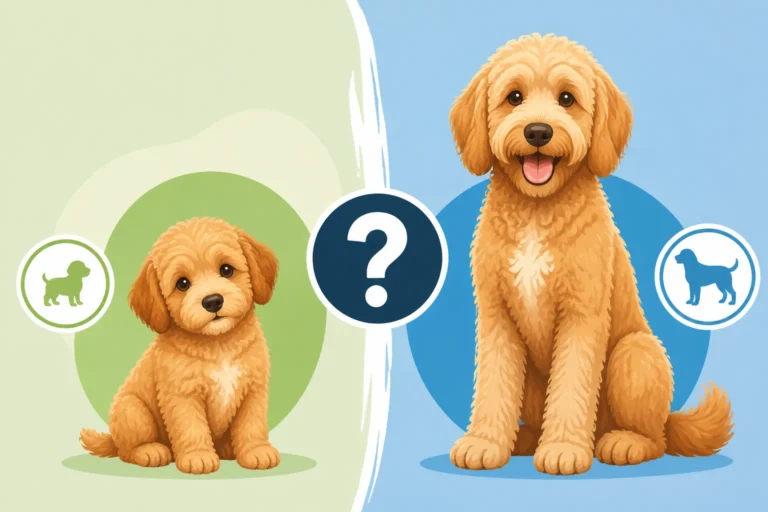
When people envision a Goldendoodle, a fluffy, medium-to-large dog often comes to mind. And while that's certainly a common size, the truth is, Goldendoodles come in a surprisingly broad range of sizes, from tiny pups suitable for apartment living to substantial dogs that need plenty of room to roam. This diversity is largely due to the varying sizes of Poodles used in the cross, as Golden Retrievers are typically a fairly consistent size. Understanding the different size categories is important for choosing a Goldendoodle that fits your living situation and lifestyle.
From Toy to Standard: A Spectrum of Sizes
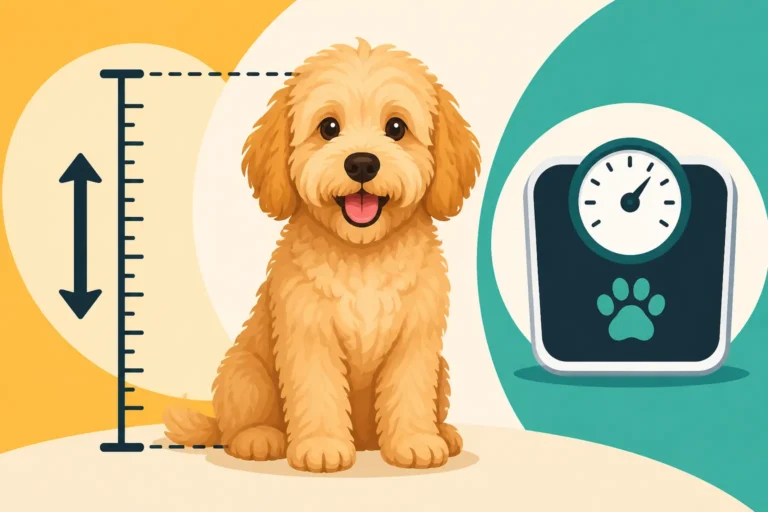
Goldendoodles are generally categorized into four main size groups: Toy, Miniature, Medium, and Standard. Each category has a general weight and height range, though these can sometimes overlap, and different breeders might use slightly different classifications.
- Toy Goldendoodle: These are the smallest of the bunch, typically weighing between 10-25 pounds and standing under 15 inches tall at the shoulder. They are usually the result of crossing a Golden Retriever with a Toy Poodle, or through several generations of miniature Goldendoodles. They're perfect for those seeking a smaller companion who still embodies the Goldendoodle's charm.
- Miniature (or Mini) Goldendoodle: Stepping up slightly, Miniature Goldendoodles generally weigh 25-35 pounds and stand 15-18 inches tall. These are often bred from a Golden Retriever and a Miniature Poodle. They hit a sweet spot for many families, being small enough to be manageable but robust enough for active play. You can look at Mini and Toy Goldendoodle Puppy Prices to see how their smaller size can sometimes influence cost.
- Medium Goldendoodle: This category sometimes gets combined with Mini or Standard, but generally, Medium Goldendoodles fall between 35-50 pounds and stand 18-21 inches tall. They're often the product of a Golden Retriever and a smaller Standard Poodle or a larger Miniature Poodle. They offer a good balance of size without being overwhelmingly large.
- Standard Goldendoodle: These are the largest Goldendoodles, typically weighing 50-90 pounds (and sometimes even more!) and standing over 21 inches tall. They are the result of breeding a Golden Retriever with a Standard Poodle. These are substantial dogs that need ample space, regular exercise, and can certainly hold their own during playtime.
It's important to remember that these are general guidelines, and individual dogs can vary. The Poodle parent's size is usually the biggest determinant in the eventual size of the Goldendoodle offspring.
Predicting Adult Size: A Breeder's Best Guess
One of the most common questions prospective Goldendoodle owners have is, "How big will my puppy get?" And honestly, it's one of the trickiest questions to answer with absolute certainty, especially in the earlier generations. While a reputable breeder can give you their best estimate based on the size of the parent dogs and the specific generation, it's not an exact science. Puppies in the same litter can have noticeable size differences, and some can even grow larger or smaller than their parents might suggest.
Breeders often look at factors like the size of the puppy's paws, the growth rates of previous litters from the same parents, and genetic tendencies. However, these are just indicators. The most reliable way to gauge potential adult size is by looking at the average size of the parents. If you're getting an F1 Goldendoodle, the size will generally fall somewhere between the Golden Retriever parent and the Poodle parent. For an F1b, the higher Poodle percentage might nudge them closer to the Poodle's size. Always discuss expected adult size with your breeder and understand that while they do their best, nature always has the final say.
Here's a general table summarizing the Goldendoodle size categories:
| Size Category | Approximate Weight Range | Approximate Height Range (at shoulder) | Common Poodle Parent Size |
|---|---|---|---|
| Toy | 10-25 lbs | Under 15 inches | Toy Poodle |
| Miniature | 25-35 lbs | 15-18 inches | Miniature Poodle |
| Medium | 35-50 lbs | 18-21 inches | Miniature/Standard Poodle |
| Standard | 50-90+ lbs | Over 21 inches | Standard Poodle |
The Hypoallergenic Myth: What Goldendoodle Owners Need to Know
This is perhaps one of the most persistent and deeply ingrained misconceptions about Goldendoodles: that they are truly "hypoallergenic." It's a huge selling point for many, especially families dealing with allergies, and it's often a primary reason people choose a Goldendoodle over a purebred Golden Retriever. However, understanding the reality of dog allergies and what "hypoallergenic" truly means (and doesn't mean) is vital for avoiding disappointment and potential health issues for family members.
Why "Hypoallergenic" is Misleading
Let's get this out of the way: no dog is 100% hypoallergenic. Period. The term "hypoallergenic" simply means "less allergenic," implying a reduced likelihood of triggering an allergic reaction, not an elimination of it. The common belief is that dog allergies are caused by hair, and therefore, a dog that doesn't shed much won't cause allergies. This is only part of the story, and frankly, it's the less important part. The primary culprits for dog allergies are proteins found in a dog's dander (dead skin cells), saliva, and urine. These microscopic allergens become airborne and can stick to furniture, carpets, and yes, dog hair.
While a Goldendoodle's Poodle-derived coat often sheds significantly less than a Golden Retriever's, it still produces dander and saliva, and thus, allergens. A low-shedding coat means less hair circulating the house, which can help keep allergen levels down, but it doesn't mean your Goldendoodle produces no allergens. Many people with severe dog allergies will still react to a Goldendoodle, regardless of its coat type or generation. This is a hard truth to hear for many hopeful families, but it's essential for realistic expectations. For a deeper dive, check out Why No Goldendoodle Is Truly Hypoallergenic to understand the science behind it.
Managing Allergies in a Goldendoodle Household
If you or a family member has dog allergies and you're still determined to bring a Goldendoodle home, there are steps you can take to manage allergen exposure, but they require consistent effort. First and foremost, the absolute best way to test if a Goldendoodle will trigger allergies is to spend significant time with the specific adult dog or puppy you are considering, and even with its parents, if possible. Allergy reactions can build over time, so a quick visit might not be enough. If a breeder isn't willing to let you do this, that's a red flag.
Beyond that, frequent grooming is paramount. Even a low-shedding Goldendoodle needs regular brushing to remove loose dander and prevent matting. Regular professional grooming, perhaps every 6-8 weeks, will also help. Consider using specialized shampoos that help reduce dander. Within the home, invest in high-efficiency particulate air (HEPA) filters for your HVAC system and standalone air purifiers for main living areas. Vacuum frequently with a HEPA-filtered vacuum and wash pet bedding weekly. Some people even create "allergy-free zones" in their homes, such as bedrooms, where the dog is not allowed. These measures can help, but they don't guarantee an allergy-free environment. Consulting with an allergist before making a decision is always recommended, and you can learn more about what they typically say by reading What Allergists Say About Goldendoodles. Many Goldendoodle owners find products like specific brushes or dander wipes helpful, and you can often find a great selection of these on sites like Chewy.
Goldendoodle Temperament: A Blend of Two Beloved Breeds
Beyond the adorable looks and the coat promises, what truly captures the hearts of Goldendoodle owners is their wonderful temperament. These dogs are consistently described as friendly, intelligent, and eager to please, making them fantastic family companions. Their personality is a delightful combination of the best traits inherited from their Golden Retriever and Poodle parents, but like any dog, understanding their predispositions and meeting their needs is crucial for a happy, well-adjusted companion.
The Best of Both Worlds: Retriever Biddability and Poodle Intelligence
The Goldendoodle's temperament is truly a testament to the strengths of its parent breeds. From the Golden Retriever, they typically inherit a profound biddability – that strong desire to please their humans. This makes them highly trainable and incredibly devoted. They're often described as "velcro dogs" because they love to be near their people, participating in whatever the family is doing. This trait also contributes to their renowned friendliness; most Goldendoodles adore meeting new people and other animals, rarely showing aggression. They often have that gentle, patient demeanor that Golden Retrievers are famous for, making them wonderful with children and other pets.
From the Poodle side, Goldendoodles inherit keen intelligence and an athletic spirit. Poodles are among the smartest dog breeds, known for their problem-solving abilities and quick learning. This intelligence, combined with the Golden's eagerness, means Goldendoodles often excel in training and enjoy mental stimulation as much as physical exercise. They thrive on having a "job" to do, whether it's learning new tricks, participating in dog sports like agility, or simply being a diligent companion. This blend often results in a dog that is not only smart but also highly attuned to its owner's emotions, making them excellent candidates for therapy work. Owners frequently talk about The Goldendoodle Traits Owners Mention Most and it's clear their affectionate nature is high on the list.
Temperament Variability and Training Needs
While the general temperament of a Goldendoodle is overwhelmingly positive, it's vital to remember that, especially in earlier generations, there can be significant variability. Just as coat types can differ within a litter, so can personalities. Some Goldendoodles might lean more towards the Golden's mellow nature, while others might inherit more of the Poodle's energetic and sometimes sensitive traits. Puppyhood and adolescence are particularly crucial times for shaping temperament, and consistent training and socialization are non-negotiable for any Goldendoodle.
Without proper guidance, their intelligence can sometimes lead to mischievousness, and their friendly enthusiasm can manifest as jumping on guests or excessive greeting behaviors. Goldendoodles are social animals and can be prone to separation anxiety if not taught to cope with being alone from a young age. Their "velcro" nature means they truly desire companionship. Early and ongoing positive reinforcement training is key to channeling their intelligence and energy productively. Puppy classes, consistent commands, and plenty of mental enrichment will help your Goldendoodle grow into a well-behaved adult. If you're seeing signs of distress when alone, it might be worth exploring Goldendoodle Separation Anxiety From Both Parent Lines.
Goldendoodle Health and Lifespan: What to Expect
When you choose a Goldendoodle, you're not just getting a cute, fluffy face; you're also inheriting the potential health predispositions from both parent breeds. This is where the concept of a crossbreed really comes into play, as it's not always a straightforward "healthier than purebred" equation, despite what some may claim. Understanding the common health concerns from Golden Retrievers and Poodles, and what "hybrid vigor" truly means, will help you be a more informed and prepared owner.
Common Health Concerns from Parent Breeds
Unfortunately, neither Golden Retrievers nor Poodles are immune to genetic health issues, and a Goldendoodle can potentially inherit any of these. From the Golden Retriever side, some of the most concerning predispositions include various types of cancer (like hemangiosarcoma and lymphoma), hip and elbow dysplasia, subvalvular aortic stenosis (a heart condition), and certain eye conditions. Golden Retrievers have a sadly high incidence of cancer, which is a significant factor to consider.
From the Poodle side, concerns often include Addison's disease (an adrenal gland disorder), sebaceous adenitis (a skin condition), progressive retinal atrophy (PRA, an eye disease that can lead to blindness), epilepsy, von Willebrand's disease (a blood clotting disorder), and bloat (gastric dilatation-volvulus), especially in Standard Poodles. This isn't to say every Goldendoodle will get these conditions, but the risk is there. This is why it's absolutely paramount that Health Testing Both Goldendoodle Parents Should Have been done by any responsible breeder you consider. These tests help ensure that parents are not passing on known genetic markers for these serious conditions to their offspring.
Hybrid Vigor: A Double-Edged Sword
"Hybrid vigor," also known as heterosis, is often cited as a major health benefit of crossbreeds like the Goldendoodle. The theory is that by breeding two genetically distinct purebreds, you reduce the chances of recessive genetic diseases appearing, because it's less likely that both parents will carry the same recessive gene for a specific condition. For example, if Golden Retrievers are prone to Condition A (recessive) and Poodles are prone to Condition B (recessive), a Goldendoodle might be less likely to develop either of those specific recessive conditions compared to a purebred from a closed gene pool where those genes are more prevalent.
However, hybrid vigor is often overstated and misunderstood. It primarily offers protection against recessive disorders where both parent lines don't share the same genetic flaw. It does not offer protection against conditions caused by dominant genes, nor does it guarantee overall superior health. A Goldendoodle can still inherit common conditions where both parent breeds are predisposed, or where the condition isn't purely genetic. Furthermore, the supposed benefits of hybrid vigor can significantly diminish in later generations (F2, F3, multigen) if breeders are simply breeding Goldendoodle to Goldendoodle without careful selection and health testing, as the gene pool effectively starts to close again. It's crucial not to rely solely on the "hybrid" label for health assurance; always prioritize thorough health testing of the parent dogs. Understanding The Goldendoodle Hybrid Vigor Claim and Where It Breaks is critical for any owner.
The Goldendoodle Coat: Types, Care, and the Shedding Question
The Goldendoodle's coat is often its most defining feature and, for many, the primary reason for choosing the cross. From the fluffy teddy bear look to the curly mop, their coats are undeniably appealing. However, this beauty comes with a significant responsibility: rigorous grooming. Without proper care, a Goldendoodle's coat can quickly become a matted mess, leading to discomfort for the dog and costly trips to the groomer. Understanding the different coat types and their specific care needs is crucial for any owner.
Understanding Goldendoodle Coat Types
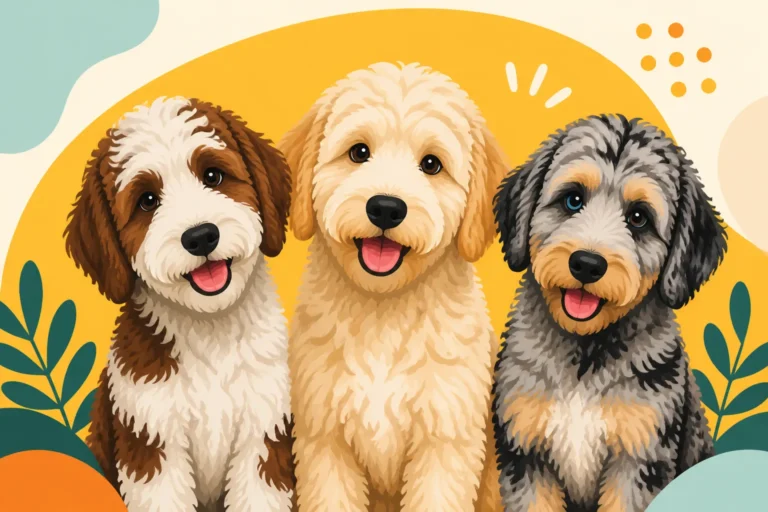
Goldendoodle coats aren't one-size-fits-all; they typically come in three main varieties, which are largely determined by the genetics inherited from the Golden Retriever and Poodle parents, especially the "furnishings" gene.
- Straight/Flat Coat: This coat type looks most like a Golden Retriever's, with straight or slightly wavy hair. Dogs with this coat type often have less facial hair (lack "furnishings," meaning no beard or eyebrows) and tend to shed the most among Goldendoodles, sometimes shedding as much as a Golden Retriever. If low shedding is a priority, this coat type might not be the best fit.
- Wavy/Fleece Coat: This is the most common and often desired coat type, characterized by soft, flowing waves. It's often referred to as the "fleece" coat and gives the Goldendoodle its classic "teddy bear" look, complete with furnishings (beard and eyebrows). These coats are typically low-shedding and are usually soft to the touch.
- Curly/Wool Coat: This coat is very Poodle-like, with tight curls that resemble sheep's wool. Dogs with this coat type usually have prominent furnishings and are generally the least shedding of all Goldendoodles, making them a popular choice for allergy sufferers. However, this coat type is also the most prone to matting and requires the most intensive grooming.
The presence of "furnishings" is a key indicator. Furnishings are the longer hair on the face, beard, and eyebrows that give Goldendoodles their distinctive doodle look. Dogs without furnishings, often called "flat-coated" or "unfurnished" Goldendoodles, look more like a Golden Retriever and typically shed more. You can dive deeper into The Three Goldendoodle Coat Types and How to Tell Them. The coat can also change significantly as a puppy grows, sometimes becoming curlier or denser around 8-12 months of age.
Essential Grooming for a Goldendoodle Coat
Regardless of the coat type, all Goldendoodles require consistent and thorough grooming. This isn't a dog you can brush once a week and expect to stay mat-free, especially if you want to keep their coat long.
- Daily or Every-Other-Day Brushing: For wavy and curly coats, brushing almost daily is often necessary to prevent mats from forming. This isn't just a quick once-over; you need to line brush down to the skin, using a slicker brush and a metal comb to ensure no tangles are left behind. Neglecting this will almost certainly lead to painful matting. For tips on this, check out Brushing a Goldendoodle Often Enough to Stop Matting.
- Professional Grooming: Goldendoodles need professional grooming every 6-8 weeks, without fail. This includes bathing, drying, trimming, and often shaving down problem areas. A professional groomer has the tools and expertise to handle their unique coats. Expect this to be a significant ongoing expense; in fact, Goldendoodle Grooming as the Biggest Line in the Budget for most owners.
- The Coat Change: Around 8-12 months of age, many Goldendoodles go through a "coat change" or "blowing their puppy coat." During this period, the softer puppy hair mixes with the coarser adult hair, creating a matting nightmare. Daily, intensive brushing is absolutely essential during this time to prevent severe matting that might require a full shave-down.
Mats are not just a cosmetic issue; they can pull on a dog's skin, causing pain, irritation, and even skin infections. Prevention is always easier (and much kinder) than trying to detangle or shave out severe matting. Regular grooming also helps manage shedding even in flat-coated Goldendoodles, by removing loose hair before it falls out around your home.
Why No Kennel Club Recognition: The Goldendoodle's Place in the Dog World
It's common for aspiring Goldendoodle owners to wonder why such a popular and seemingly established "breed" isn't recognized by major kennel clubs like the American Kennel Club (AKC) or The Kennel Club (UK). This lack of official recognition isn't a slight against Goldendoodles themselves, but rather a reflection of the stringent criteria these organizations have for what constitutes a true purebred dog breed. Understanding this distinction is important for appreciating the Goldendoodle's unique status in the canine world.
The Strict Criteria for Breed Recognition
For a dog to be recognized as a distinct breed by a major kennel club, it must meet very specific and rigorous criteria, typically over many generations. These criteria include:
- Consistent Traits: The breed must consistently produce offspring with predictable physical characteristics, temperament, and health predispositions. This requires a stable gene pool.
- Generational Breeding: There must be many generations of documented breeding, showing that the dogs breed true (i.e., Golden Retriever x Golden Retriever always produces Golden Retrievers).
- Closed Studbook: Once a breed is recognized, its studbook typically becomes "closed," meaning only dogs from registered parents of that specific breed can be registered as part of that breed.
- Breed Standard: A detailed breed standard must be established, outlining the ideal appearance, temperament, and movement of the dog.
- Dedicated Breed Club: A national breed club must exist, dedicated to the preservation, protection, and promotion of the breed, maintaining health standards, and organizing events.
The Goldendoodle, as a first- or second-generation crossbreed (or even an early multigen cross), simply doesn't meet these criteria. There isn't yet a consistent "Goldendoodle type" that breeds true across all lines. As discussed earlier, coat types, sizes, and even temperaments can vary significantly, even within the same litter. Until a crossbreed has been selectively bred for many, many generations to achieve genetic consistency and predictable outcomes, it will not be recognized as a distinct purebred breed. This fundamental difference is why Why No Kennel Club Recognizes the Goldendoodle is a question frequently asked by those new to the world of designer dogs.
What This Means for Owners and Breeders
The lack of kennel club recognition has several implications. For owners, it means you won't receive AKC registration papers or be able to compete in conformation events (dog shows that judge a dog against its breed standard). However, Goldendoodles can often participate in performance events like obedience, agility, and rally, as these typically have less restrictive registration requirements. Many owners actually prefer this, as their focus is on companionship and activities rather than show rings.
For breeders, it means there's no overarching breed club to dictate health testing requirements, ethical breeding practices, or a unified breed standard. This puts a greater onus on individual breeders to be transparent, responsible, and committed to the health and welfare of their dogs. Reputable Goldendoodle breeders will still conduct extensive health testing on their parent dogs, often following the recommendations for both Golden Retrievers and Poodles, and will be transparent with those results. They will also provide detailed contracts and support to new owners. While there are organizations like the Goldendoodle Association of North America (GANA) that provide registration services and set standards for breeders, these are not the same as official kennel club recognition. GANA aims to promote responsible breeding and provide a registry for Goldendoodles, offering some peace of mind for buyers, but it doesn't change their crossbreed status. To understand what this type of registration offers, consider reading What GANA Does for Goldendoodle Buyers. Ultimately, the quality of a Goldendoodle comes down to the integrity and practices of the individual breeder, not an official paper trail from a centuries-old institution.
Disclaimer
This article is for general informational purposes only and does not constitute professional advice. Laws, prices and regulations vary by location and change over time. Consult a qualified professional for guidance on your specific situation.