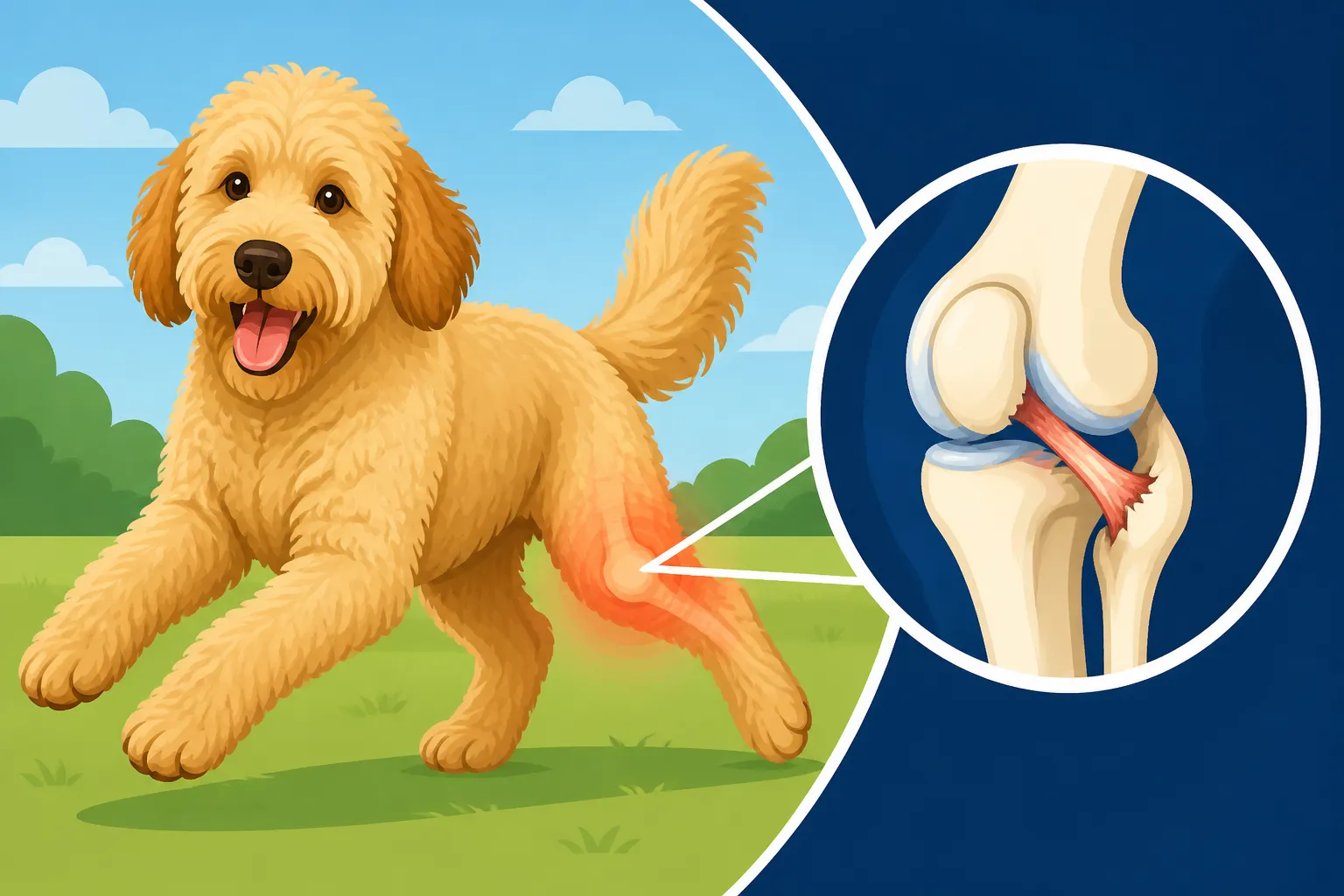
Cruciate Tears in an Active Goldendoodle
One of the most heart-wrenching sights for any Goldendoodle parent is seeing their typically bouncy, exuberant companion suddenly reluctant to put weight on a leg. It’s a moment that fills you with dread, especially when you know how active and full of life these dogs usually are. This comprehensive guide is here to shed light on cruciate tears in active Goldendoodles, covering everything from understanding the injury to diagnosis, treatment options, and long-term management to help your furry friend get back on all fours.
Understanding Cruciate Tears in Goldendoodles
Cruciate ligament tears are one of the most common orthopedic injuries in dogs, and unfortunately, active breeds like Goldendoodles can be particularly susceptible. It’s not just a "senior dog" problem; even young, athletic Goldendoodles can experience this debilitating injury. When it happens, it feels like your world stops.
Anatomy of the Cruciate Ligament
To really grasp what’s going on, it helps to understand a little about the anatomy involved. Inside your Goldendoodle’s knee, or stifle joint, there are two crucial ligaments that cross over each other – hence "cruciate" – connecting the thigh bone (femur) to the shin bone (tibia). These are the cranial (anterior) cruciate ligament (CCL) and the caudal (posterior) cruciate ligament (PCL). They work together to stabilize the joint, preventing the tibia from sliding forward relative to the femur and limiting internal rotation of the joint.
When we talk about a "cruciate tear" in dogs, we are almost always referring to the cranial cruciate ligament (CCL) – it’s the most commonly injured of the two. Think of it like a key rope in a pulley system; if that rope frays or snaps, the whole system becomes unstable. For your Goldendoodle, this instability causes pain, inflammation, and can lead to significant lameness.
Why Goldendoodles Are Prone to This Injury
While any dog can suffer a cruciate injury, Goldendoodles, with their mix of Golden Retriever and Poodle genetics, do carry some predispositions. Both parent breeds are known for being active, often high-energy dogs, which can put a lot of stress on their joints. The Golden Retriever side, in particular, can bring a propensity for certain orthopedic issues. You might have heard discussions about Goldendoodle Hip Dysplasia and the OFA Numbers, or even Goldendoodle Elbow Dysplasia From Both Parent Breeds, and while cruciate tears aren't always directly linked to these, a general genetic predisposition to joint laxity can certainly play a role.
Beyond genetics, their lifestyle plays a huge part. Goldendoodles love to run, jump, and twist. Think about the way they often launch themselves off the sofa, or make sharp turns during a spirited game of fetch in the backyard. These rapid, twisting motions, especially when combined with a sudden stop or misstep, place immense strain on the CCL. It’s not always a single, traumatic event. Often, it's a degenerative process where the ligament weakens over time, a little tear here, a little fraying there, until a seemingly innocuous jump or pivot causes the full rupture. Understanding that active lifestyle helps us appreciate why preventing Cruciate Ligament Tears in a Jumping Goldendoodle is so important.
The Sudden Versus Gradual Onset of Tears
The way a cruciate tear manifests can vary, and it’s important to recognize both scenarios. Sometimes, it’s dramatic: your Goldendoodle is running full tilt, lets out a yelp, and suddenly can’t put weight on a leg. This is an acute, complete rupture, often caused by a sudden misstep, twist, or jump, much like an athlete tearing an ACL on the field. The pain is immediate and severe, and the lameness is usually profound.
More often, however, it’s a more insidious, gradual process. Your Goldendoodle might have a partial tear, or the ligament might be slowly degenerating. You might notice a subtle lameness that comes and goes, a slight stiffness after rest, or a reluctance to put full weight on the leg. This might be dismissed as "just a sprain" or "arthritis" initially. But over weeks or months, the tear progresses until the ligament eventually gives way completely. This degenerative process is more common and can be frustratingly hard to pinpoint in its early stages because the signs are so vague. It highlights why paying close attention to any changes in your Goldendoodle’s gait or activity level is so vital.
Recognizing the Signs and Getting a Diagnosis
You know your Goldendoodle best. Any subtle shift in their usual exuberance or movement could be a clue. Catching the signs early can make a big difference in how you approach treatment and recovery.
Spotting the Limp and Other Early Indicators
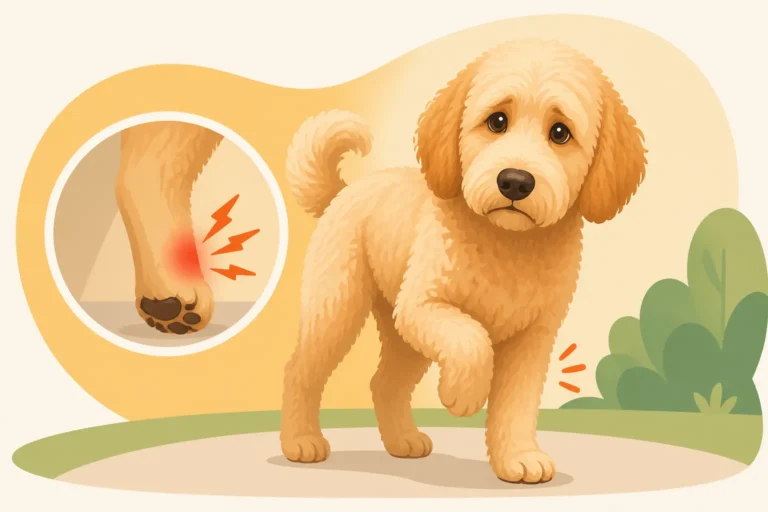
The most obvious sign of a cruciate tear is a limp, or lameness, in one of the hind legs. This might be mild at first, perhaps just a slight hop or an unwillingness to bear full weight on the affected leg. You might notice your Goldendoodle "toe-touching" – just lightly touching their paw to the ground without putting significant pressure on it. In acute cases, the leg might be held up completely, making it clear something is very wrong.
Beyond the immediate limp, look for other behavioral changes. Is your Goldendoodle hesitant to jump into the car, onto the sofa, or climb stairs? Are they slower on walks, or do they tire out more quickly? You might observe muscle atrophy (wasting) in the affected leg over time because they’re not using it as much. Some dogs will develop a "stiff-legged" gait, carrying the leg slightly differently. If you gently feel around their knee, you might notice swelling, warmth, or an audible click as they move. It’s crucial not to dismiss these subtle changes; they're often the first whisper of a problem. Keeping an eye on their overall Goldendoodle Joint Health by Size Category is paramount.
The "Cranial Drawer Test" and Tibial Compression Test
Once you suspect a cruciate tear, a trip to your veterinarian is the next step. Your vet will perform a thorough orthopedic examination. The hallmark diagnostic tests for a cruciate tear are the cranial drawer test and the tibial compression test. These tests are designed to check for instability in the knee joint.
During the cranial drawer test, your vet will gently try to move the tibia (shin bone) forward relative to the femur (thigh bone), much like opening a drawer. If the CCL is ruptured, there will be abnormal forward movement (the "drawer sign"), indicating instability. This test requires a relaxed dog, so sometimes sedation is necessary, especially if your Goldendoodle is in pain or naturally tense. The tibial compression test involves bending the ankle joint while applying pressure on the shin, again looking for that abnormal forward movement.
These tests are often definitive, but in cases of partial tears, the instability might be subtle. Your vet may also recommend X-rays to assess for signs of arthritis in the joint, identify any bone fragments, or rule out other orthopedic issues. While X-rays don't directly show the ligament, they can provide strong indirect evidence of a tear and help plan for surgery if needed.
Why a Vet Visit is Non-Negotiable
Delaying a vet visit when you suspect a cruciate tear is never a good idea. Firstly, the pain your Goldendoodle is experiencing needs to be managed. Vets can prescribe appropriate pain relief and anti-inflammatory medication to keep your dog comfortable. Secondly, an undiagnosed and untreated cruciate tear can lead to significant secondary problems. The instability in the joint causes chronic inflammation and cartilage damage, rapidly accelerating the development of osteoarthritis. Over time, the meniscus (a shock-absorbing cartilage pad within the knee) can also tear, making the pain and lameness even worse.
Furthermore, statistics show that if one CCL tears, there's a very high chance (around 50-60%) that the other CCL will tear within 1-2 years. Early diagnosis and appropriate management can sometimes help mitigate these secondary issues, even if it doesn't prevent a subsequent tear in the other leg. A prompt vet visit isn't just about immediate pain relief; it’s about preserving your Goldendoodle's long-term mobility and quality of life.
Treatment Options for Goldendoodle Cruciate Tears
Once a cruciate tear is confirmed, you'll be faced with decisions about treatment. This can feel overwhelming, but your vet will guide you through the options. Generally, surgical intervention is recommended for most Goldendoodles, especially active ones.
Surgical Interventions: TPLO and TTA
For Goldendoodles, particularly those of standard or medium size, surgical repair is usually the most effective long-term solution. The goal of surgery isn't to repair the ligament itself (it often can't be effectively sewn back together once torn), but to stabilize the joint in a new way. The two most common and successful surgical techniques are Tibial Plateau Leveling Osteotomy (TPLO) and Tibial Tuberosity Advancement (TTA).
- Tibial Plateau Leveling Osteotomy (TPLO): This is one of the most widely performed and highly successful procedures. The surgeon makes a curved cut in the tibia (shin bone), rotates the top part (the tibial plateau) to change the angle, and then fixes it in place with a bone plate and screws. This effectively neutralizes the "cranial drawer" effect, making the joint stable without needing the CCL. It's a major orthopedic surgery, but many dogs recover excellent function.
- Tibial Tuberosity Advancement (TTA): In TTA, the surgeon cuts the front part of the tibia (the tibial tuberosity), moves it forward, and secures it with a plate and screws. This changes the angle of the patellar ligament, which in turn alters the forces on the knee joint to prevent the tibia from thrusting forward. While slightly different in approach, both TPLO and TTA aim to achieve similar functional stability.
Both TPLO and TTA are complex, requiring a board-certified veterinary surgeon or a highly experienced general practitioner. The choice between TPLO and TTA often depends on the individual dog's anatomy, the surgeon's preference and expertise, and sometimes the extent of additional damage (like meniscal tears). Recovery involves a strict, prolonged period of restricted activity, followed by a gradual return to exercise and often physical therapy. Remember, these surgeries can be costly. It’s a good idea to consider Goldendoodle Pet Insurance for a Dog With No Breed Papers early on, as it can be a lifesaver for unexpected costs like these. Many pet insurance providers, like Healthy Paws, offer coverage for these types of orthopedic procedures, though waiting periods and exclusions might apply.
Conservative Management: When It's an Option
While surgery is generally recommended for active Goldendoodles, conservative management might be considered in very specific circumstances. This typically includes:
- Very small, toy-sized Goldendoodles (under 15-20 pounds): In these tiny dogs, conservative management might sometimes be more successful, as their smaller body weight puts less strain on the healing ligament. However, this is not a given, and careful veterinary assessment is still needed.
- Dogs with other severe health conditions that make anesthesia or surgery too risky.
- Financial constraints: While less ideal, sometimes owners simply cannot afford surgery. In such cases, the vet will discuss conservative options, managing expectations about recovery.
Conservative management involves strict rest and activity restriction for 6-12 weeks, pain medication, anti-inflammatory drugs, and sometimes joint supplements. Braces or wraps might be used, but their effectiveness is debated and they aren't a substitute for internal stabilization. The goal is to allow scar tissue to form and provide some stability. However, it's important to be realistic: without surgical stabilization, the joint remains unstable, leading to a much higher risk of progressive osteoarthritis, long-term pain, and poor limb function. Most larger, active Goldendoodles will not regain full function with conservative management alone.
Navigating the Recovery: Post-Surgery Care
The surgery itself is only half the battle. Post-operative care is critical for a successful outcome and will demand a significant commitment from you. The first 6-8 weeks are the most crucial.
Initially, your Goldendoodle will need strict crate rest or confinement to a small area. No jumping, running, or stair climbing. Leash walks will be short and controlled, only for potty breaks. This is often the hardest part for an active Goldendoodle, and it’s where their wonderful desire to please is really tested. Pain medication, anti-inflammatories, and sometimes sedatives will be prescribed. You’ll need to monitor the incision site daily for signs of infection or swelling. Many owners find cameras that show what a Goldendoodle does alone useful during this time.
As recovery progresses, your vet will guide you on a gradual increase in activity. This usually involves controlled leash walks, progressing from short strolls to longer ones. Physical therapy is highly recommended and can significantly improve recovery speed and quality. This might include passive range of motion exercises, gentle massage, balance exercises, and eventually controlled swimming or treadmill work. Professional Physical Therapy After Goldendoodle Knee Surgery can make a world of difference, helping to rebuild muscle, improve joint flexibility, and prevent compensatory issues in other limbs. It's a long road, often 4-6 months, but consistency and patience are key. Many pet owners appreciate the support and reassurance that providers like Healthy Paws can offer during such a challenging and expensive recovery period.
| Surgical Option | Primary Method of Stabilization | Typical Recovery Time (Full Function) | Pros | Cons | Estimated Cost (US) |
|---|---|---|---|---|---|
| TPLO | Reshapes tibial plateau | 4-6 months | High success rate, good long-term function | Major bone cut, longer initial healing, expensive | $3,500 – $6,500+ (per knee) |
| TTA | Advances tibial tuberosity | 4-6 months | Good success rate, preserves meniscal integrity | Minor bone cut but still complex, can be expensive | $3,000 – $6,000+ (per knee) |
| Lateral Suture | External suture mimics CCL function | 3-5 months | Less invasive, lower cost, good for smaller dogs | Less stable for larger/active dogs, higher re-tear risk | $1,500 – $3,000+ (per knee) |
| Conservative | Rest, medication, physical therapy | 6-12 months (limited function) | No surgery, no anesthesia risk | High risk of chronic pain, arthritis, poor function | Variable (meds, therapy, but no surgery fee) |
Note: Costs are estimates and can vary widely based on location, vet, and complexity.
Preventative Measures and Long-Term Management
While you can't completely eliminate the risk of a cruciate tear, especially if your Goldendoodle is naturally very active, there are significant steps you can take to minimize the chances and support their joint health. Prevention is always better than treatment.
Maintaining a Healthy Weight and Condition
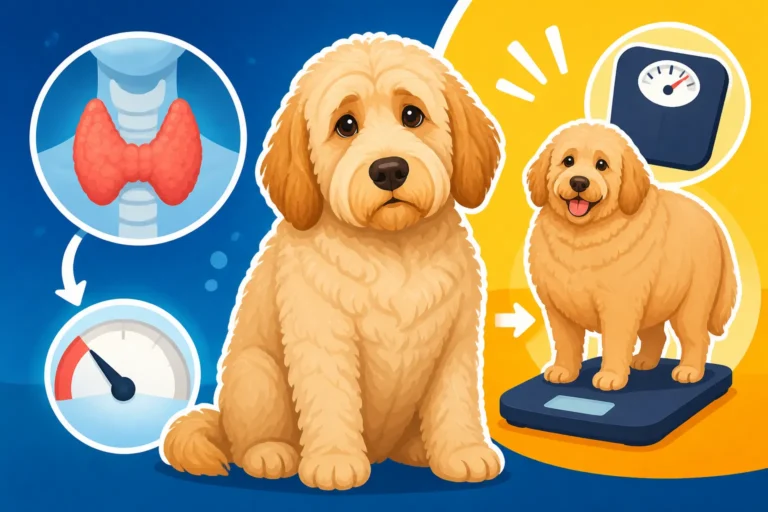
This is arguably the single most important preventative measure you can take. Every extra pound your Goldendoodle carries puts increased stress on all their joints, including their knees. Think of it like a backpack: a few extra books don't seem like much, but carrying them all day, every day, eventually takes its toll. An overweight Goldendoodle is at a significantly higher risk for CCL tears and other orthopedic issues like Goldendoodle Arthritis After the Age of Eight.
It’s often hard to tell if a Goldendoodle is overweight because their fluffy coats can hide a lot. You should be able to easily feel your Goldendoodle's ribs without pressing hard, and they should have a discernible waist when viewed from above. Regularly checking your Goldendoodle's Body Condition Under a Thick Coat is crucial. If you're unsure, ask your vet for an honest assessment. Adjust their daily calories for a standard Goldendoodle or mini, and focus on high-quality, balanced nutrition. Keeping your Goldendoodle lean when the coat hides it will pay dividends in joint health for years to come.
Safe Exercise and Activity Levels
Goldendoodles are typically high-energy dogs that need regular exercise, but how they exercise can make a difference. Avoiding high-impact, sudden twisting motions is key, especially for puppies whose growth plates are still open. While they love a good game of fetch, try to keep it on softer surfaces like grass and avoid hard turns on concrete. Teach your Goldendoodle to sit before entering and exiting doors, and gently discourage them from launching themselves off furniture or out of the car. Remember that Why a Goldendoodle Should Not Jump Off Furniture isn't just about good manners, it's about protecting their joints.
Vary their exercise routine. Instead of just frantic fetch sessions, incorporate controlled leash walks, swimming (which is low-impact and excellent for muscle building), and mental enrichment activities like puzzle toys or scent work. These provide physical and mental stimulation without excessive strain on joints. For adult Goldendoodles, a good goal is Goldendoodle Exercise at Thirty to Sixty Minutes per day, split into a couple of sessions, with some of that time dedicated to mental work.
Supplements and Lifestyle Adjustments
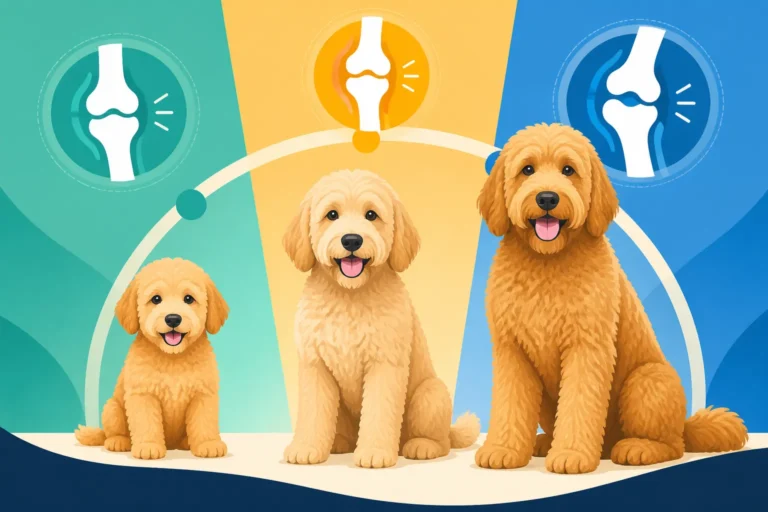
While not a magic bullet, certain supplements can support joint health, especially as your Goldendoodle ages or if they have a known predisposition to joint issues. Glucosamine, chondroitin, and Omega-3 fatty acids are common ingredients in joint supplements. These can help support cartilage health and reduce inflammation. Talk to your vet about appropriate Joint Support Dosed to Goldendoodle Size Category, as dosages vary significantly based on your dog’s weight and individual needs.
Consider simple lifestyle adjustments:
- Ramps or steps: For getting into cars or onto furniture (if allowed), ramps can reduce repetitive stress on joints.
- Supportive bedding: A comfortable, orthopedic bed can alleviate pressure on joints, especially important for older Goldendoodles or those recovering from injury.
- Paw traction: For Goldendoodles on slippery floors, consider trimming the hair between their paw pads or using paw grippers to prevent accidental slips and twists. You can also explore Goldendoodle Paw Pad Hair and Slipping.
- Regular vet check-ups: These are vital for early detection of any subtle lameness or changes in gait that might indicate a developing problem.
By proactively managing weight, promoting safe exercise habits, and considering supportive supplements, you’re creating the best possible environment for your Goldendoodle’s long-term joint health.
Life After a Cruciate Tear: What to Expect
While the journey through a cruciate tear can be daunting, many Goldendoodles go on to live full, happy lives after appropriate treatment. However, it's important to understand the potential long-term implications and what to expect in the years following the injury.
Managing Arthritis and Future Joint Health
Even with successful surgical repair, some degree of osteoarthritis is inevitable after a cruciate tear. The initial injury and the subsequent inflammation, even with stabilization, kickstart degenerative changes in the joint. This means that your Goldendoodle might experience stiffness, particularly after rest or in cold weather, and may develop a mild limp over time as they age.
Managing this long-term arthritis is crucial for maintaining their comfort and mobility. This typically involves a multi-modal approach:
- Weight management: Continue to keep your Goldendoodle at an ideal weight.
- Regular, controlled exercise: Avoid strenuous activity, but gentle, consistent exercise like walking and swimming keeps joints mobile and muscles strong.
- Joint supplements: Continue with glucosamine, chondroitin, and Omega-3s as recommended by your vet.
- Pain management: Your vet might prescribe NSAIDs (non-steroidal anti-inflammatory drugs) or other pain medications on an as-needed basis, or for chronic daily use.
- Physical therapy: Ongoing physical therapy, even just maintenance exercises at home, can be beneficial.
- Newer treatments: Your vet might discuss options like Adequan injections, Librela injections, or even PRP (platelet-rich plasma) therapy for managing arthritis pain and inflammation.
It's a marathon, not a sprint, and your commitment to ongoing joint care will significantly impact your Goldendoodle's comfort as they age.
The Risk of Tearing the Other Knee
One of the hardest realities of a CCL tear is the high likelihood of the other knee experiencing the same injury. As mentioned earlier, roughly 50-60% of dogs who tear one CCL will tear the other within 1-2 years. There are several reasons for this:
- Underlying genetic predisposition: If one CCL was weak due to genetics, the other one likely is too.
- Increased strain: After surgery on one leg, the "good" leg naturally takes on more weight and stress, especially during the recovery period. This compensatory loading can accelerate degeneration in the contralateral ligament.
- Altered gait: Even with successful surgery, a dog's gait might subtly change, putting different stresses on the remaining joints.
This doesn't mean it will happen, but it’s something to be aware of and proactively try to prevent with all the measures discussed above. Continue vigilant observation for any signs of lameness in the other leg, and don't hesitate to contact your vet at the first suspicion. Proactive management of both knees, not just the surgically repaired one, is vital. This is another area where pet insurance like Healthy Paws can provide significant peace of mind, knowing that if a second surgery is needed, you’ll have support with the substantial Goldendoodle Knee Surgery Costs by Size.
Quality of Life and Long-Term Outlook
Despite the challenges, the long-term outlook for Goldendoodles who receive appropriate treatment for cruciate tears is generally very positive. Most dogs regain excellent function, return to a good quality of life, and enjoy their favorite activities, albeit sometimes with modifications. Many owners report their Goldendoodles are "better than ever" after a successful surgery and rehabilitation program.
Your Goldendoodle may not be able to compete in agility trials or jump over tall obstacles anymore, but they can still enjoy walks, play in the yard, and cuddle on the couch. The key is setting realistic expectations and committing to the recommended post-operative care and long-term joint management. With your dedication and your vet’s expertise, your Goldendoodle can continue to be the loving, happy companion you’ve always known, even after facing a cruciate tear.
Disclaimer
Please remember that the information provided in this guide is for educational purposes only and should not be considered a substitute for professional veterinary advice. Always consult with your veterinarian for any health concerns or before making any decisions about your Goldendoodle’s medical care.