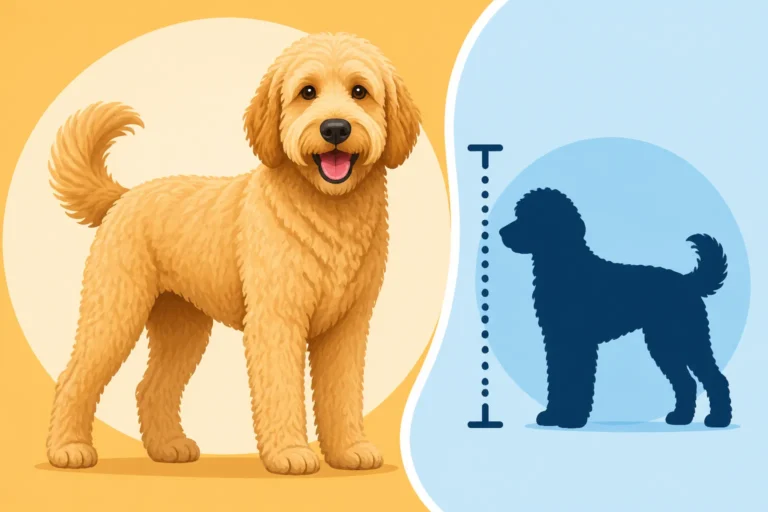
The Goldendoodle Against a Bernedoodle
Deciding between a Goldendoodle and a Bernedoodle can feel like navigating a charming but confusing forest of fluffy coats and wagging tails. Both crosses are incredibly popular, and for good reason—they’re both known for their friendly dispositions and undeniable cuteness. But beneath those adorable exteriors lie distinct differences in temperament, exercise needs, grooming demands, and potential health considerations that can dramatically impact your daily life. This guide will help you understand these nuances so you can confidently choose the best furry companion for your family and lifestyle.
Temperament and Personality Differences
When you're looking for a family dog, temperament is usually at the top of the list, and rightly so. You want a dog that fits seamlessly into your home life, and while both Goldendoodles and Bernedoodles are generally sweet-natured, they draw from very different ancestral wells, which translates into some pretty noticeable personality quirks. It's not just about what they look like, but how they think and interact with the world around them.
The Goldendoodle's Eager-to-Please Nature
Goldendoodles are often described as sunshine on four legs, and honestly, it’s not far off. They inherit their bright, eager-to-please attitude from both the Golden Retriever and the Poodle. Goldens are famous for their friendly, outgoing nature and their desire to be involved in everything their human is doing. Poodles, on the other hand, are highly intelligent and often enjoy problem-solving and training. Combine these, and you get a dog that's not only smart but genuinely enthusiastic about learning and making you happy.
This means a Goldendoodle is typically very biddable, responding well to positive reinforcement training and excelling in activities where they can work with you. They thrive on companionship and can sometimes develop Goldendoodle Separation Anxiety From Both Parent Lines if left alone for extended periods without proper training. They tend to be very social, often greeting strangers with enthusiasm and generally getting along well with children and other pets. This isn't to say every Goldendoodle is identical; genetics are a roll of the dice, but the general predisposition is toward an affectionate, joyful, and highly social demeanor. They want to be your best friend, and they'll try hard to earn that title.
The Bernedoodle's Affectionate and Laid-Back Vibe
Bernedoodles bring a different kind of charm to the table, largely thanks to their Bernese Mountain Dog heritage. While they also get the Poodle's intelligence, the Bernese side introduces a more laid-back, gentle giant quality. Bernese Mountain Dogs are known for being incredibly loyal, affectionate, and wonderfully patient, especially with children. They have a strong desire to be close to their families, often described as "velcro dogs," but they tend to express this loyalty with a calm presence rather than the Goldendoodle's boundless energy.
This means a Bernedoodle might be less overtly exuberant in their greetings and a bit more reserved with strangers initially, though they warm up quickly. They are often less intense in their need for constant activity, preferring a good cuddle session on the couch after a moderate walk rather than endless games of fetch. They still possess the Poodle's smarts, making them quite trainable, but they might have a touch more stubbornness than a Goldendoodle due to the Bernese influence. This isn't stubbornness in a defiant way, but rather a strong sense of "what's in it for me?" before complying. They’re loving and protective, often forming deep bonds with their immediate family members, and their patience makes them excellent companions for homes with young kids or those looking for a slightly less high-octane dog.
Size, Appearance, and Grooming Needs
When picturing your future furry family member, their physical characteristics and the maintenance required to keep them looking (and feeling) their best are big considerations. Both Goldendoodles and Bernedoodles come in a delightful array of sizes and coat types, but there are some fundamental differences that you’ll want to understand before committing. What you see isn't always what you get, and the "doodle" coat, while often appealing, comes with its own set of responsibilities.
Goldendoodle Size Variations and Coat Types
Goldendoodles come in a pretty wide range of sizes, largely determined by the size of their Poodle parent. You'll find them in Toy, Mini, Medium, and Standard varieties. A The Standard Goldendoodle at Fifty to Ninety Pounds is a significant commitment compared to a Toy, which might be under 15 inches tall and weigh less than 20 pounds. This size variation means you can often find a Goldendoodle to fit different living situations, from apartments to houses with large yards.
Their coats are also diverse, ranging from straight (often called "flat-coated" or "shedding") to wavy, and then to curly, sometimes described as a "wool" coat. Many people seek out the wavy or curly coats because they are often associated with less shedding, which can be a huge draw for allergy sufferers. However, it's crucial to understand that even low-shedding coats still require significant upkeep. You might fall in love with a fluffy puppy, but that fluff will undergo The Goldendoodle Coat Change at Eight to Twelve Months, often becoming denser and more prone to matting as it transitions to an adult coat. This isn't a simple brush-out; it requires dedicated attention. For a deeper dive, check out The Three Goldendoodle Coat Types and How to Tell Them.
Bernedoodle Size and Distinctive Tri-Color Coats
Bernedoodles also come in Standard, Medium, and Miniature sizes, though their overall size range tends to be slightly larger on average than Goldendoodles. A Standard Bernedoodle can easily top 100 pounds, reflecting their Bernese Mountain Dog ancestry. Even their Mini versions can be quite substantial, often weighing 25-50 pounds. This generally means they are a larger presence in the home than many Goldendoodle varieties, which is something to consider if space is at a premium.
One of the most distinguishing features of a Bernedoodle is their stunning coat coloring. While Goldendoodles come in various solid colors and patterns, Bernedoodles often inherit the striking tri-color pattern from the Bernese Mountain Dog: black, white, and rust markings. This unique look is a significant draw for many. Their coats can also be straight, wavy, or curly, similar to Goldendoodles. However, due to the Bernese shedding nature, even a wavy Bernedoodle might shed more than a wavy Goldendoodle, particularly in the F1 generation (a direct cross between a Bernese and a Poodle).
Grooming Realities for Both Doodle Crosses
No matter which doodle you choose, understand this: if it has a doodle coat, it will require regular, consistent grooming. This is not a low-maintenance hair situation. Both breeds can inherit coats that are prone to matting, especially in high-friction areas like behind the ears, armpits, and under collars. Daily or every-other-day brushing is often necessary to prevent painful mats from forming. For a thorough understanding of what this entails, you might want to read Brushing a Goldendoodle Often Enough to Stop Matting.
Professional grooming appointments every 6-8 weeks are non-negotiable for most doodle owners. These sessions typically involve bathing, brushing, clipping, and sanitary trims. The cost of these regular grooms can quickly add up, often becoming one of the largest ongoing expenses. You'll need quality tools at home too, like a good slicker brush and a metal comb (which you can find readily on sites like Chewy). Learning to groom at home can save money, but it's a significant time commitment and learning curve. Don't underestimate Goldendoodle Grooming as the Biggest Line in the Budget – it's a critical aspect of doodle ownership for both Goldendoodles and Bernedoodles.
| Feature | Goldendoodle | Bernedoodle |
|---|---|---|
| Parent Breeds | Golden Retriever & Poodle | Bernese Mountain Dog & Poodle |
| Typical Temperament | Joyful, eager-to-please, social, energetic, intelligent | Loyal, affectionate, calm, patient, intelligent, can be stubborn |
| Size Range | Toy, Mini, Medium, Standard (Smaller range overall) | Mini, Medium, Standard (Larger range overall) |
| Coat Types | Straight, Wavy, Curly | Straight, Wavy, Curly |
| Common Colors | Cream, apricot, red, chocolate, black, parti | Often tri-color (black, white, rust), also solid black, sable |
| Shedding | Low to moderate (wavy/curly are lower) | Low to moderate (wavy/curly are lower, but Bernese influence can increase) |
| Grooming Needs | High: Daily brushing, professional grooms every 6-8 weeks | High: Daily brushing, professional grooms every 6-8 weeks |
| Energy Level | Moderate to High | Moderate |
| Adaptability | Highly adaptable to various lifestyles | Adaptable, but prefers family presence and moderate activity |
Health and Lifespan Considerations
One of the biggest questions people have when considering any dog, especially a crossbreed, is about their health and how long they might be by their side. Both Goldendoodles and Bernedoodles come from parent breeds with their own predispositions to certain conditions, and understanding these is key. The idea of "hybrid vigor" often floats around with crossbreeds, but it's not a magic bullet, and responsible breeders are vital for ensuring the healthiest start.
Common Health Concerns in Goldendoodles
Goldendoodles inherit potential health issues from both the Golden Retriever and the Poodle. From the Golden Retriever side, we commonly see concerns like various types of cancer (lymphoma, hemangiosarcoma, mast cell tumors), Goldendoodle Hip Dysplasia at 15 to 20 Percent, and elbow dysplasia. Golden Retrievers are also known for certain heart conditions. From the Poodle side, Goldendoodles can inherit conditions such as Addison's Disease, Progressive Retinal Atrophy (PRA), sebaceous adenitis (a skin condition), and bloat, particularly in the larger standard sizes.
It's a long list, and it can feel overwhelming, but a responsible breeder will perform extensive health testing on both parent dogs to minimize the risk of passing these conditions down. Tests like OFA (Orthopedic Foundation for Animals) clearances for hips and elbows, eye certifications by a veterinary ophthalmologist, and DNA tests for conditions like PRA and Von Willebrand Disease are crucial. Without these screenings, you're essentially rolling the dice, and while a Goldendoodle can be wonderfully healthy, they're not immune to these inherited problems. What a Goldendoodle Inherits From Each Parent Breed offers a more detailed look into this.
Bernedoodle Health Challenges from Their Parent Breeds
Bernedoodles face a similar situation, inheriting potential health concerns from the Bernese Mountain Dog and the Poodle. Bernese Mountain Dogs, while incredibly sweet, are sadly known for shorter lifespans and a high incidence of cancer, particularly histiocytic sarcoma and lymphoma. They are also prone to hip and elbow dysplasia, Von Willebrand Disease (a bleeding disorder), and certain heart conditions. The Poodle side, as mentioned, can contribute to Addison's Disease, bloat, and eye conditions like PRA.
Just like with Goldendoodles, selecting a Bernedoodle from a breeder who conducts comprehensive health testing on both parent dogs is paramount. This includes OFA certifications for hips and elbows, cardiac exams, and DNA tests for conditions prevalent in Bernese, such as Von Willebrand Disease and degenerative myelopathy (DM), alongside the Poodle-specific tests. The larger size of Bernedoodles, especially the Standard variety, also means they share the higher risk of bloat (gastric dilatation-volvulus) that affects many large, deep-chested breeds. Understanding these risks helps you prepare for the possibility of specialized care and potential costs.
Understanding Hybrid Vigor (or Lack Thereof) in Both
You’ve likely heard the term "hybrid vigor" thrown around when discussing crossbreeds like Goldendoodles and Bernedoodles. The theory is that by crossing two unrelated purebreds, you introduce genetic diversity, which can lead to a stronger, healthier offspring with fewer inherited diseases and a longer lifespan. And in some cases, this can absolutely be true.
However, hybrid vigor isn't a guarantee, especially when breeders aren't careful. If both parent breeds share a common genetic predisposition (for example, hip dysplasia is found in both Golden Retrievers and Bernese Mountain Dogs, as well as some Poodle lines), then crossing them doesn't necessarily reduce the risk; it might even combine the risks. Furthermore, if a breeder is cutting corners and not performing health testing on their parent dogs, then all bets are off. The "hybrid" label itself doesn't confer health immunity. What truly contributes to a healthy Goldendoodle or Bernedoodle is careful, responsible breeding practices that include extensive genetic health screenings and selecting parents with excellent health clearances. Don't be swayed by the term "hybrid" alone; always ask for proof of parent health testing. For more on this, check out What Hybrid Vigor Means for a Goldendoodle.
Activity Levels and Training Suitability
Bringing a dog into your home means factoring them into your daily routine, especially when it comes to how much exercise they need and how easily they'll pick up on household rules. Both Goldendoodles and Bernedoodles are intelligent dogs, but their energy levels and natural inclinations differ, which directly impacts their training journey and how well they'll integrate into different family dynamics.
Goldendoodle Energy and Trainability
Goldendoodles are typically active and intelligent dogs. They inherit a love for activity from the Golden Retriever and a sharp mind from the Poodle, making them highly trainable and eager to please. This combination means they often pick up new commands quickly and enjoy engaging in various activities. However, their intelligence and energy mean they thrive on having a "job" to do, whether it's learning new tricks, participating in dog sports like agility, or simply engaging in stimulating play sessions.
An under-exercised Goldendoodle can become a bored Goldendoodle, and a bored Goldendoodle might develop unwanted behaviors like excessive barking, chewing, or even destructive tendencies. They generally need a good 30-60 minutes of vigorous exercise daily, which could be a brisk walk, a run in a secure yard, or a game of fetch (a favorite, thanks to their retriever genes). Beyond physical exercise, they also benefit immensely from mental stimulation like puzzle toys or training sessions. Training a Goldendoodle That Wants to Please You highlights their natural biddability. Their enthusiasm can sometimes manifest as exuberant jumping, so early impulse control training is beneficial to teach them Four Paws on the Floor for a Goldendoodle. They are often excellent candidates for therapy work, given their friendly and outgoing nature, and their desire to connect with people.
Bernedoodle Exercise Requirements and Patience
Bernedoodles generally have a more moderate energy level compared to Goldendoodles. The Bernese Mountain Dog brings a calm, stoic presence, meaning while they enjoy daily activity, they aren't typically as perpetually "on the go" as some Goldendoodles can be. They still need consistent exercise to stay healthy and happy—think a couple of good walks a day, or some playtime in the yard. Roughly 30-45 minutes of moderate exercise spread across the day usually suffices for a Bernedoodle. They often enjoy hiking or being active with their family but are equally content to lounge at your feet afterward.
In terms of trainability, Bernedoodles are intelligent, thanks to the Poodle, but the Bernese side can introduce a streak of independence or "what's in it for me?" attitude. This isn't defiance, but rather a need for patient, consistent, and reward-based training. They respond wonderfully to positive reinforcement, but you might find they take a bit longer to grasp concepts or require more repetition than a Goldendoodle. Their loyalty means they want to please you, but their inner "Bernese" might need a moment to process why a particular command is important. Early socialization and consistent training from puppyhood are crucial to shaping them into well-mannered companions.
Which Dog Fits Your Lifestyle?
Ultimately, the choice between a Goldendoodle and a Bernedoodle comes down to aligning their needs with your lifestyle.
A Goldendoodle might be a better fit if:
- You have an active household that enjoys daily walks, runs, or dog sports.
- You're looking for a highly social dog that greets everyone with boundless enthusiasm.
- You're committed to consistent training that keeps a smart dog mentally engaged.
- You don't mind a dog that is often "in your business" and wants to be part of every activity.
- You prefer a wider range of size options, from Toy to Standard.
- You can dedicate time to Goldendoodle Exercise and Mental Work Every Day.
A Bernedoodle might be a better fit if:
- You prefer a calmer, more laid-back companion after a moderate amount of daily exercise.
- You appreciate a deeply loyal and protective dog that bonds strongly with its family.
- You have a household with young children where a patient, gentle temperament is a priority.
- You're prepared for the potential for a larger dog and a slightly more deliberate training approach.
- You are drawn to their distinctive tri-color coats.
Both breeds demand a significant commitment to grooming, socialization, and positive training. They both thrive on companionship and being an integral part of their family. There's no "better" breed, only the right fit for you.
Disclaimer
This article is for general informational purposes only and does not constitute professional advice. Laws, prices and regulations vary by location and change over time. Consult a qualified professional for guidance on your specific situation.