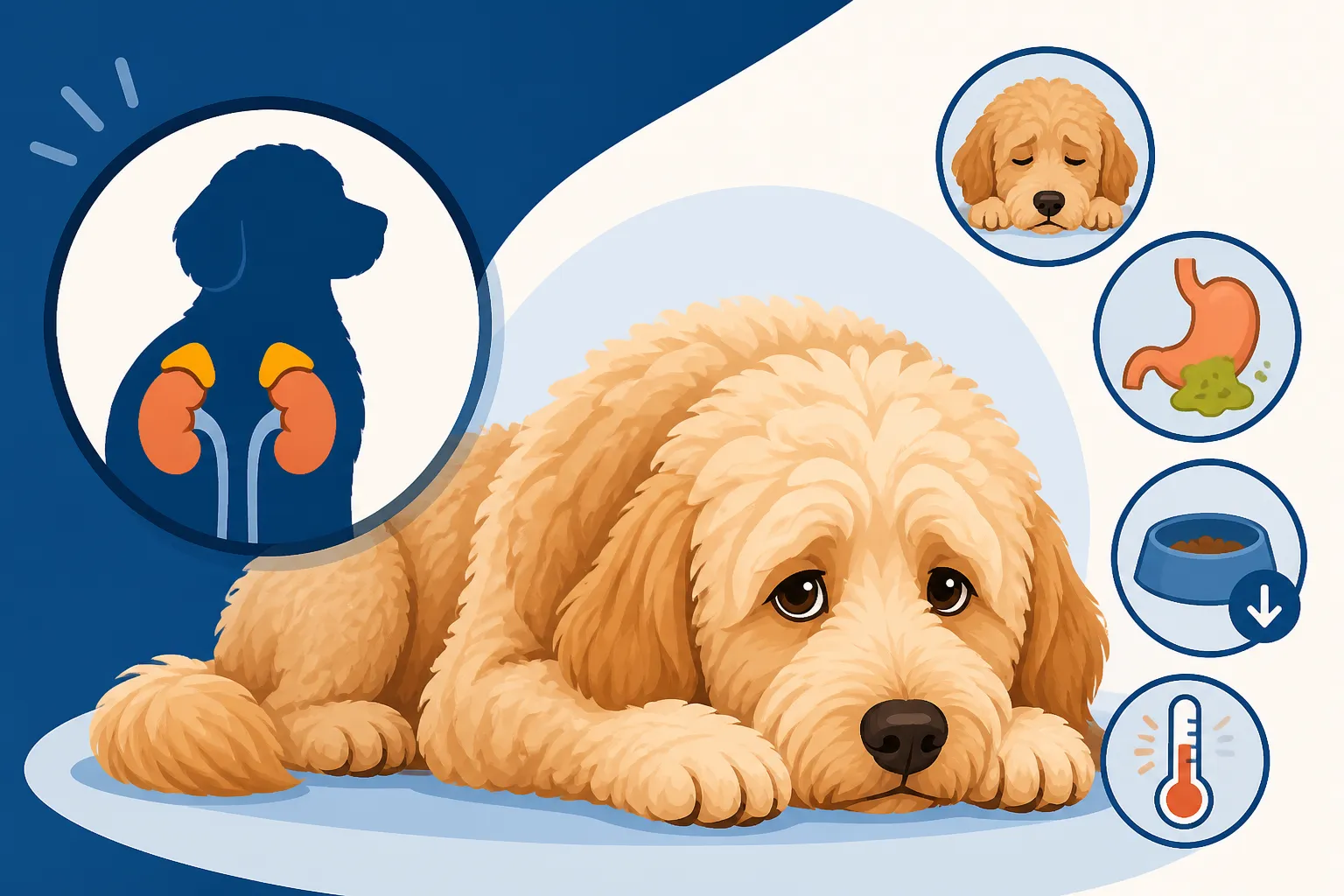
Addison’s Disease Signs in a Goldendoodle
It’s truly unnerving when your Goldendoodle starts acting “off” but you can’t quite put your finger on what’s wrong. They might seem a little tired, have an upset stomach that comes and goes, or just not be their usual joyful self. Many Goldendoodle owners brush these subtle changes off as a passing bug or an off day, but sometimes, these vague symptoms can be the early whispers of a serious condition like Addison's disease. This guide is here to walk you through both the subtle and critical signs of Addison's disease, helping you understand what to look for, when to worry, and how to navigate a diagnosis for your beloved Goldendoodle.
Understanding Addison's Disease in Goldendoodles
Addison's disease, also known as hypoadrenocorticism, is a tricky one because it often mimics so many other common ailments. It’s a chronic condition where your dog’s adrenal glands, which are tiny but mighty glands near their kidneys, just don't produce enough of certain crucial hormones. Imagine your body trying to run a marathon without enough fuel – that's a bit like what happens to a dog with Addison's. Recognizing this can be tough, especially when symptoms are mild or intermittent.
The Endocrine System and Adrenal Glands
To truly grasp Addison's, it helps to know a little about these crucial adrenal glands. They’re part of the endocrine system, a complex network of glands that produce hormones to regulate nearly every bodily function. Specifically, the adrenal glands churn out two main types of hormones vital for stress response, electrolyte balance, and metabolism: glucocorticoids (like cortisol) and mineralocorticoids (like aldosterone). Cortisol helps the body respond to stress, reduce inflammation, and regulate metabolism, while aldosterone controls the balance of sodium and potassium, which are critical for blood pressure and kidney function.
When a Goldendoodle has Addison's, these glands essentially go on strike, failing to produce adequate amounts of these hormones. This can lead to a cascade of problems throughout their body, affecting everything from their energy levels to their heart function. The absence of sufficient cortisol means they can't handle stress effectively, whether it's the stress of an illness, a new environment, or even just daily life. The lack of aldosterone throws their electrolytes completely out of whack, leading to serious consequences for their heart and kidneys.
Why Goldendoodles Are at Risk
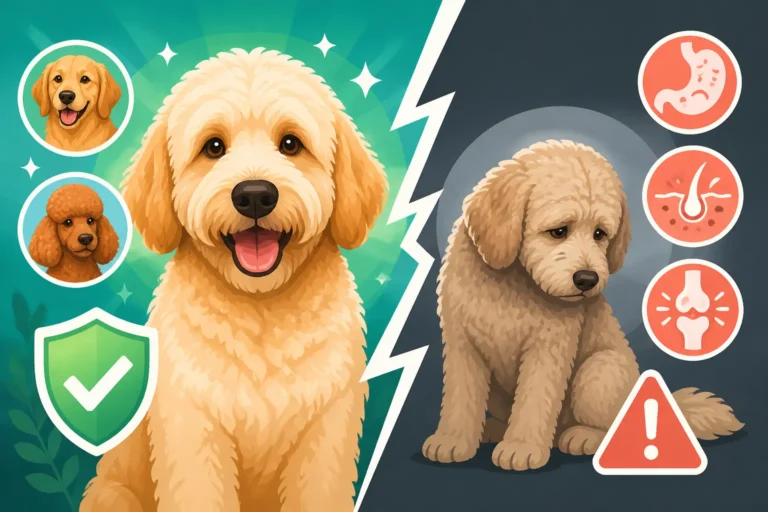
It’s heartbreaking to think your furry friend could be predisposed to such a complex illness, but unfortunately, Goldendoodles do carry a higher risk for Addison's disease. This predisposition largely comes from their Poodle heritage. Standard Poodles, in particular, are known to have a genetic susceptibility to Addison's, and this trait can certainly be passed down to their Goldendoodle offspring. While it's not guaranteed that every Goldendoodle will inherit it, the genetic link is strong enough that it's always on the radar for responsible breeders and vigilant owners.
This genetic component means that even if a Goldendoodle's parents appeared perfectly healthy, they could still be carriers of the genes associated with Addison's. This is why thorough DNA Panel a Goldendoodle Breeder Should Run on parent dogs is so important. Without proper health screening, the risk of passing on these inherited conditions goes up. It's not about blaming the breed; it's about being informed and proactive, especially since this disease can be so difficult to spot in its early stages. Knowing that your Goldendoodle might have a higher likelihood of developing Addison’s can make you a more observant owner, poised to catch those subtle signs before they escalate. You can learn more about this specific lineage risk in our article, Addison's Disease a Goldendoodle Gets From the Poodle.
The Subtle, Chronic Signs of Addison's Disease
This is where Addison’s disease earns its reputation as "the great imitator." The initial signs are often so vague and intermittent that they can easily be mistaken for other, less serious issues. It's like a whisper rather than a shout, making it incredibly frustrating for owners who know something is off but can't get a clear diagnosis right away. These chronic signs can wax and wane for months, or even years, before a crisis hits.
Vague Gastrointestinal Upset
One of the most common early indicators of Addison's disease in Goldendoodles is a recurring, yet mild, upset stomach. We’re talking about intermittent vomiting, which might just be once every few weeks, or occasional bouts of diarrhea that clear up on their own, only to return later. It's rarely severe enough at first to send you rushing to the emergency vet, but it's enough to make you scratch your head. You might notice your Goldendoodle having Goldendoodle Vomiting and When It Matters or Goldendoodle Diarrhea Lasting More Than Two Days without any clear cause like a change in diet or scavenging something from the trash.
This persistent, low-grade GI distress is often due to the imbalance of electrolytes and the disruption of normal metabolic processes that Addison's causes. It's easy to assume your Goldendoodle just ate something weird or has a sensitive stomach, especially with their keen retriever-side tendency to explore with their mouths. However, if these symptoms are happening repeatedly, without an obvious trigger, it's a huge red flag that something more systemic might be at play. Keeping a detailed log of these occurrences, even if they seem minor, can be invaluable for your vet.
Lethargy and Weakness That Comes and Goes
Another hallmark of early Addison’s is a general lack of energy or weakness that isn't constant. Your usually bouncy Goldendoodle might have days where they just seem less enthusiastic about walks, slower to get up, or content to snooze more than usual. Then, the next day, they might be back to their old selves, full of pep and ready to play fetch. This "good day, bad day" pattern is incredibly deceptive and is precisely why Addison’s can fly under the radar for so long.
Owners often chalk this up to a growth spurt, a change in weather, or simply an off day for their dog. But for a Goldendoodle, a breed generally known for its robust energy and playful nature, persistent periods of lethargy, even if intermittent, warrant attention. This fatigue is often a direct result of low cortisol, which impairs the body's ability to cope with normal physiological stress and maintain energy levels. If you notice your Goldendoodle having less stamina during playtime or appearing generally subdued more often than not, even if they perk up sporadically, it's worth a conversation with your veterinarian. This ebb and flow of symptoms is a major reason Why Addison's Hides in a Goldendoodle for Months.
Unexplained Weight Loss or Poor Appetite
While not always present in the early stages, a subtle and unexplained weight loss, or simply a consistently poor appetite, can be another sign. Your Goldendoodle might start turning their nose up at meals more often, or take a long time to finish their food, which is unusual for a breed typically enthusiastic about mealtime. This isn't usually a dramatic, sudden drop in weight, but a gradual thinning that you might only notice when you run your hands along their ribs or spine, or when their collar seems a bit looser.
The lack of appetite and subsequent weight loss are tied to the systemic disruption caused by insufficient adrenal hormones. Digestion can be impacted, and the dog may just feel generally unwell, leading to a reduced interest in food. It’s vital to distinguish this from fussiness or dietary changes. If your Goldendoodle, who previously devoured their meals, suddenly becomes a picky eater or you notice them slowly losing condition despite receiving adequate food, it's a sign that their body isn't processing nutrients effectively, which is a classic Addisonian symptom.
Recognizing an Addisonian Crisis (Acute Signs)
While the chronic signs are sneaky, an Addisonian crisis is anything but subtle. This is a life-threatening emergency, often triggered by a stressful event, infection, or even just progression of the disease. In a crisis, the body completely runs out of its ability to produce the vital stress-response hormones, leading to a severe physiological collapse. If your Goldendoodle exhibits any of these acute signs, it’s imperative to seek immediate veterinary attention. This is not something that can wait until morning.
Sudden Collapse and Severe Weakness
In an Addisonian crisis, your Goldendoodle might experience a sudden and profound collapse. This isn't just being a little tired; it's a complete loss of energy and inability to stand or move. They might stagger, fall over, and be unresponsive or minimally responsive to your calls. Their muscles can feel incredibly weak, and they may struggle to even lift their head. This dramatic onset of weakness is often accompanied by an inability to cope with any physical exertion, even simple movements.
This sudden collapse is a direct result of extremely low blood pressure, severe electrolyte imbalances (especially high potassium), and a complete lack of cortisol to maintain normal bodily functions. It's a terrifying experience for any owner, seeing their vibrant Goldendoodle suddenly become so fragile. If you witness your dog suddenly lose all strength or collapse, do not delay. Every minute counts in getting them to an emergency veterinary clinic. This is a critical sign of a major system failure.
Profound Vomiting and Diarrhea
Unlike the mild, intermittent gastrointestinal upset seen in chronic Addison's, an Addisonian crisis often presents with severe, unrelenting vomiting and diarrhea. This isn't just a single episode; it can be continuous, leading to rapid dehydration and further electrolyte imbalance. The vomit might be bile, or even contain blood, and the diarrhea can be explosive and bloody, indicative of severe internal distress.
The profound GI signs are a result of the body’s inability to regulate its internal environment. The disruption to the digestive system is severe, leading to rapid fluid loss and further exacerbating the life-threatening electrolyte disturbances. If your Goldendoodle is experiencing uncontrolled vomiting and diarrhea, becoming progressively weaker, and possibly even losing consciousness, it's a clear signal of a dire emergency. These symptoms, when acute and severe, necessitate immediate medical intervention to stabilize your dog.
Pale Gums and Slow Capillary Refill Time
When a dog goes into an Addisonian crisis, their circulatory system is severely compromised. A critical indicator of this is examining their gums. Healthy dog gums are typically a vibrant pink. In an Addisonian crisis, the gums will appear very pale, almost white or grayish. This pallor indicates poor blood flow and severe anemia or hypovolemic shock.
Another quick check is the capillary refill time (CRT). Gently press your finger against your Goldendoodle's gum until the spot turns white. Then, release and count how long it takes for the color to return. In a healthy dog, the pink color should return within 1 to 2 seconds. If it takes longer than 2 seconds – say, 3, 4, or even 5 seconds – it's a sign of poor circulation and a medical emergency. This slow refill time, combined with pale gums, confirms that your Goldendoodle is in a state of shock, and their vital organs are not receiving adequate blood flow. This requires immediate stabilization and emergency veterinary care.
Diagnosis and Initial Management
Catching Addison's disease, especially in its early stages, is a testament to an owner's keen observation and a vet's diagnostic prowess. The road to diagnosis can sometimes be frustrating, given the disease's "great imitator" nature. However, once suspected, there are definitive tests to confirm the condition and critical steps for immediate stabilization. Don't be afraid to push for specific testing if you suspect this condition, particularly if you have a Goldendoodle.
The ACTH Stimulation Test
The gold standard for diagnosing Addison's disease is the ACTH (adrenocorticotropic hormone) stimulation test. This test is designed to measure the adrenal glands' ability to produce cortisol. Here’s how it typically works: A baseline blood sample is taken to measure your Goldendoodle's initial cortisol level. Then, a synthetic form of ACTH is injected. This hormone normally stimulates the adrenal glands to release cortisol. After an hour or two, a second blood sample is taken to measure the cortisol level again.
In a healthy dog, the cortisol levels will significantly increase after the ACTH injection. However, in a Goldendoodle with Addison’s disease, the adrenal glands are damaged and unable to respond, so the cortisol levels will remain very low, or show little to no increase. This test provides a definitive diagnosis, cutting through the ambiguity of vague symptoms. Understanding The ACTH Test for a Goldendoodle is crucial for owners facing this diagnostic journey.
Bloodwork Anomalies and Electrolyte Imbalance
Beyond the ACTH test, routine bloodwork can often provide strong clues that point towards Addison's disease, particularly if your Goldendoodle is in crisis. The most classic bloodwork finding is an electrolyte imbalance: typically high potassium (hyperkalemia) and low sodium (hyponatremia). This occurs because of the mineralocorticoid deficiency, specifically aldosterone, which is responsible for regulating these electrolytes. This imbalance can severely affect heart function, sometimes leading to life-threatening arrhythmias.
Other bloodwork abnormalities can include elevated kidney values (BUN, creatinine) due to dehydration and poor circulation, low blood sugar (hypoglycemia), and sometimes a mild anemia. While these findings aren't specific to Addison's alone, when seen together, especially with the characteristic electrolyte changes, they create a strong suspicion for the disease, prompting the veterinarian to pursue the definitive ACTH stimulation test. Healthy Paws, a well-known pet insurance provider, often sees claims related to these diagnostic tests, highlighting the prevalence and cost associated with identifying such conditions.
Emergency Stabilization and IV Fluids
If your Goldendoodle is brought to the vet in an Addisonian crisis, immediate stabilization is paramount. This is a critical emergency where every second counts. The primary goals are to correct dehydration, electrolyte imbalances, and low blood pressure. This is typically achieved through aggressive intravenous (IV) fluid therapy. Large volumes of fluids are administered to restore blood volume and help dilute the dangerously high potassium levels.
Alongside IV fluids, medications like corticosteroids (e.g., dexamethasone) are given intravenously to provide the much-needed cortisol that the adrenal glands are failing to produce. In severe cases with profound electrolyte abnormalities, a medication called desoxycorticosterone pivalate (DOCP) might be given to quickly address the mineralocorticoid deficiency. Once stabilized, the focus shifts to long-term management, but the immediate emergency care is life-saving and requires swift, skilled veterinary intervention.
Living with Addison's: Long-Term Care for Your Goldendoodle
Receiving an Addison’s diagnosis for your Goldendoodle can feel overwhelming, but the good news is that with proper management, dogs with Addison's can live long, happy, and fulfilling lives. It requires a commitment to lifelong medication and monitoring, but the transformation from a sick dog to a vibrant one is incredibly rewarding.
Lifelong Medication and Monitoring
Managing Addison's disease in your Goldendoodle involves lifelong hormone replacement therapy. This typically means two main types of medication:
- Mineralocorticoid Replacement: This is usually desoxycorticosterone pivalate (DOCP), often given as an injection every 21-30 days. This replaces the aldosterone that the adrenal glands aren’t producing, regulating sodium and potassium levels. Alternatively, some dogs might be managed with daily oral fludrocortisone.
- Glucocorticoid Replacement: This involves a daily oral corticosteroid like prednisone, given in a very low, physiological dose to replace the cortisol. This dose might be adjusted during times of stress (like vet visits, travel, or illness) to help your Goldendoodle cope.
The key is finding the right balance of medication, which often involves initial adjustments and careful monitoring of electrolyte levels through regular blood tests. Over time, these tests might become less frequent, but they are always a part of the routine. Understanding Lifelong Medication for an Addisonian Goldendoodle will prepare you for this commitment. Pet insurance plans, such as those offered by Healthy Paws, can be incredibly helpful in offsetting the ongoing costs of these essential medications and frequent vet visits.
Managing Stress and Potential Triggers
Dogs with Addison's disease lack the natural cortisol surge that helps healthy dogs cope with stress. Therefore, managing stress is a crucial part of their care. Any stressful event, whether it's boarding, a trip to the groomer, a new pet, or even just guests coming over, can potentially trigger an Addisonian crisis if their medication isn't adjusted appropriately. Your veterinarian will likely advise you on how to temporarily increase their prednisone dose during these anticipated stressful periods.
It's about being proactive and observant. If your Goldendoodle seems unusually stressed or is facing a known stressor, communicate with your vet. Creating a calm, predictable home environment, minimizing sudden changes, and using calming aids (with vet approval) can all contribute to their well-being. Keeping a watchful eye on any Goldendoodle Behavior Shifts That Mean Something Hurts is also important, as pain or discomfort can be a major stressor.
The Importance of Regular Vet Check-ups
Even after stabilization and finding the right medication dosages, regular veterinary check-ups are non-negotiable for a Goldendoodle with Addison's disease. Initially, these check-ups will be more frequent to ensure electrolyte levels are stable and medication doses are correct. Once stable, your vet will likely recommend visits every 3-6 months. During these visits, your vet will monitor your dog's overall health, perform blood tests to check electrolytes and other parameters, and adjust medication as needed.
These routine visits are vital for catching any subtle changes that might indicate the disease is not perfectly controlled or that new health issues are emerging. Early detection of any imbalance can prevent a recurrence of a crisis. This commitment to ongoing veterinary care is the cornerstone of ensuring your Goldendoodle lives a long and healthy life despite their Addison's diagnosis. Having a robust Goldendoodle Pet Insurance for a Dog With No Breed Papers plan can provide immense peace of mind, knowing that these regular, necessary appointments and any potential emergency care are financially manageable.
Here's a quick comparison of the chronic vs. acute signs to help you visualize the difference:
| Symptom Category | Chronic/Subtle Signs (Gradual Onset) | Acute/Crisis Signs (Sudden Onset) |
|---|---|---|
| Energy Level | Intermittent lethargy, decreased stamina, sluggishness | Sudden collapse, severe weakness, inability to stand/move |
| Appetite | Reduced appetite, picky eating, gradual weight loss | Complete anorexia, profound vomiting and diarrhea (often bloody) |
| Gastrointestinal | Occasional vomiting/diarrhea, mild stomach upset (comes and goes) | Severe, uncontrolled vomiting, explosive and bloody diarrhea |
| Hydration/Circulation | Mild dehydration, increased thirst (less common early on) | Extreme dehydration, pale/white gums, slow capillary refill time |
| Behavior | General malaise, less enthusiastic, seeking solitude | Shock, unresponsive, shivering, pain in abdomen |
| Trigger | Often vague, can be mild stress or no obvious trigger | Significant stressor (infection, trauma, severe anxiety) |
Disclaimer
The information provided in this article is for educational purposes only and is not intended to be a substitute for professional veterinary advice. Always seek the advice of your veterinarian or other qualified animal health provider with any questions you may have regarding a medical condition or treatment for your Goldendoodle.