The Last Decisions for an Aging Goldendoodle
There's a deeply painful reality that comes with loving a Goldendoodle: eventually, you'll face the hardest decisions about their end of life. It's a journey filled with heartache, confusion, and often, guilt, as you try to discern what’s best for your beloved companion when they can no longer tell you themselves. This guide is here to walk you through recognizing the subtle signs of decline, objectively evaluating their quality of life, understanding comfort care options, and ultimately, making those final, compassionate choices for your aging Goldendoodle.
Recognizing the Signs of Decline in Your Goldendoodle
It's tough to admit when your lively, joyful Goldendoodle is starting to slow down. We often want to believe they're just having an off day or that it's "normal" for their age. But sometimes, these subtle shifts are the first whispers that their quality of life is genuinely decreasing. It's not about looking for a sudden, dramatic collapse, but rather a gradual erosion of their typical enthusiasm and comfort. This stage requires heightened observation and an honest assessment of what you're truly seeing, not just what you wish were happening.
Subtle Changes in Daily Behavior and Habits
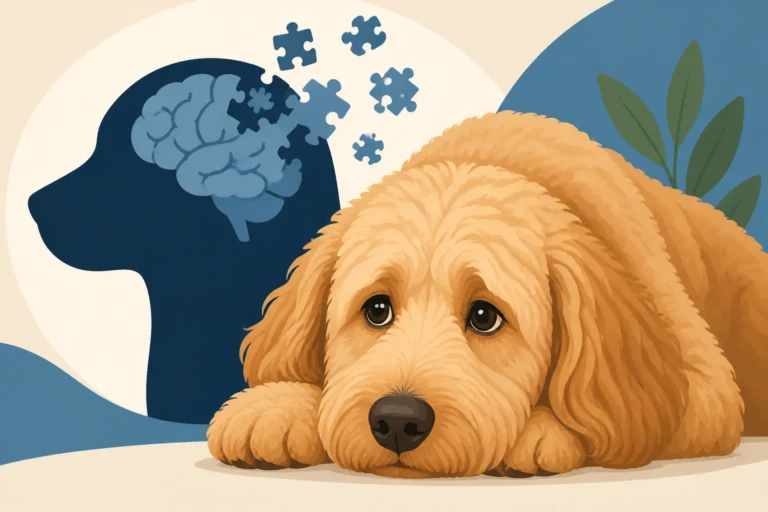
Your Goldendoodle has routines, quirks, and a personality that you know intimately. When these begin to change, even slightly, it's worth noting. Perhaps they used to greet you at the door with exuberant wiggles and now offer a mere tail wag from their bed. Maybe they’ve lost interest in their favorite squeaky toy, or they’re sleeping more soundly throughout the day, missing out on family activities they once reveled in. A Goldendoodle that stops recognizing the house or seems disoriented in familiar surroundings can be particularly distressing, indicating cognitive decline.
You might notice shifts in their eating or drinking habits. A decreased appetite, even for treats they once adored, can be a red flag. Conversely, excessive drinking might point to underlying medical issues like kidney disease or diabetes. Pay attention to how they interact with other pets or family members; a dog that was once the life of the party might start isolating themselves, or even show mild irritation at being disturbed. These aren't necessarily signs of a terminal illness, but they are indicators that something is amiss and warrants a closer look, especially as part of Senior Goldendoodle Care After the Age of Nine.
Physical Symptoms and Pain Management
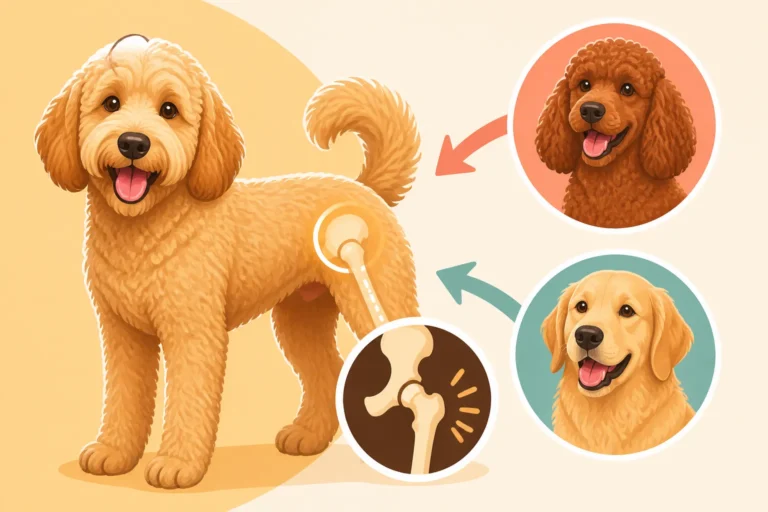
Beyond behavioral changes, physical symptoms are often more straightforward indicators that your Goldendoodle is in pain or discomfort. Limping, stiffness after lying down, or difficulty getting up or down stairs are classic signs of arthritis, which is common in aging dogs. You might notice them favoring a limb, or generally being less eager to jump into the car or onto the couch. Goldendoodles are often stoic, so any vocalization of pain, like a whimper or groan when moving, is a significant warning sign that needs immediate attention.
Other physical signs could include changes in breathing patterns, persistent coughing, or gastrointestinal issues like chronic diarrhea or vomiting. Weight loss, despite eating, or unexplained weight gain could also be tell-tale signs of metabolic or other internal problems. Regularly checking for Lumps Under a Goldendoodle Coat You Cannot See is also crucial, as older dogs are more prone to various forms of cancer. Your vet can assess these symptoms, often with blood tests or imaging, to provide a clearer picture of their health. Early intervention with pain management or other treatments can often significantly improve their comfort for a while.
Evaluating Quality of Life: A Difficult Assessment
This is perhaps the most challenging part of having an aging Goldendoodle: objectively assessing their quality of life. As pet parents, our love can sometimes cloud our judgment, making it hard to see the suffering through the lens of our affection. It's crucial to step back and try to look at their situation from their perspective, asking yourself if their good days still outweigh their bad ones, and if they're truly experiencing joy. This isn't about giving up; it's about ensuring their comfort and dignity.
The HHHHHMM Scale for Goldendoodles
One invaluable tool many veterinarians recommend is the HHHHHMM scale, developed by Dr. Alice Villalobos. This simple yet profound system helps you assess specific areas of your Goldendoodle's well-being on a scale of 0 to 10 (0 being worst, 10 being best). It forces you to look at objective criteria rather than just how much you love them.
Here's a breakdown of the HHHHHMM criteria:
| Criteria | Description | Score (0-10) |
|---|---|---|
| Hurt | Is your Goldendoodle in uncontrollable pain? Can medication manage it? Look for panting, restlessness, unwillingness to move. | Aim for 6 or higher with pain medication. |
| Hunger | Is your Goldendoodle eating enough? Are they still interested in food and treats? Do they finish meals? | A score of 6 or higher means they eat sufficient calories daily. |
| Hydration | Is your Goldendoodle drinking enough water? Are they dehydrated? (Check gum stickiness, skin turgor.) | They should not be dehydrated. If they are, intervention is needed. |
| Hygiene | Can your Goldendoodle keep themselves clean? Are they having accidents? Can they stand for grooming, or are they getting matted and soiled? | If they are soiled or cannot be kept clean without distress, this is low. |
| Happiness | Does your Goldendoodle still experience joy? Are they interested in their favorite activities, toys, or interactions? Do they greet you? | Look for enthusiasm, engagement, and typical Goldendoodle affection. |
| Mobility | Can your Goldendoodle move around on their own? Can they get up to potty? Do they need help to walk? Are they falling? Senior Goldendoodle Mobility and Arthritis is a common concern. | Can they get up and move around without significant pain or assistance? |
| More Good Days Than Bad | Overall, are the good days still outweighing the bad days? Do they have more moments of comfort and enjoyment than discomfort and suffering? | A subjective, but crucial, summary of their overall experience. |
By assigning a score to each category, you get a clearer, more quantifiable picture of your Goldendoodle's overall well-being. A total score significantly below 35 (out of 70) often indicates that the quality of life is severely compromised. It's a tough scale to use, but it provides a framework for these heart-wrenching decisions. You can often see improvements with effective Goldendoodle Arthritis After the Age of Eight management.
Consulting Your Veterinarian for an Unbiased View
While the HHHHHMM scale is a great starting point for your own assessment, your veterinarian is your most crucial partner in this process. They can provide an objective, medical perspective that's free from the emotional bias we naturally have. They've seen countless animals at the end of their lives and can help you interpret symptoms, assess pain levels, and understand prognosis. Don't hesitate to schedule an appointment specifically to discuss quality of life, rather than just treating symptoms.
During this consultation, your vet might perform a comprehensive physical exam, blood work, or other diagnostics as part of The Senior Panel a Goldendoodle Should Have at Nine. They'll ask you detailed questions about your Goldendoodle's daily routine, appetite, pain levels, and any changes you've observed. Be honest and open about everything, even the things that are hard to admit, like increased accidents in the house or a lack of interest in walks. They can help you determine if there are still viable treatment options to improve comfort, or if the time has come to consider palliative care or, ultimately, humane euthanasia. Often, discussing these difficult topics with a trusted professional, whose primary goal is your dog's welfare, can bring a sense of clarity and peace amidst the turmoil.
Navigating Pain Management and Comfort Care
When your Goldendoodle is nearing the end of their journey, the focus shifts from curing ailments to maximizing comfort and ensuring they live their remaining time with dignity and as little pain as possible. This is where palliative care comes into play – a holistic approach aimed at relieving suffering and improving quality of life. It’s about making every moment count, ensuring your Goldendoodle feels loved, safe, and comfortable in their familiar surroundings.
Medication Options for Chronic Pain and Illness
Many senior Goldendoodles develop chronic conditions like arthritis, cancer, or organ failure that cause persistent pain or discomfort. Fortunately, there's a wide range of medications available to help manage these issues. For musculoskeletal pain, non-steroidal anti-inflammatory drugs (NSAIDs) like Rimadyl or Galliprant are commonly prescribed. These can significantly reduce inflammation and pain, allowing your dog to move more freely. However, they require careful monitoring, especially for potential side effects on the liver and kidneys, which your vet will explain.
Beyond NSAIDs, other pain medications like gabapentin or tramadol can be added or used independently, particularly for neuropathic pain or when NSAIDs aren't enough. For dogs with specific illnesses, such as kidney disease, medications can manage symptoms like nausea or appetite loss. For dogs with Cognitive Decline in a Goldendoodle Past Ten, medications like selegiline or dietary supplements can sometimes slow the progression of symptoms and improve cognitive function. It's an ongoing conversation with your vet to find the right cocktail of medications and dosages, especially if your dog's condition changes. Don't be afraid to advocate for your Goldendoodle's comfort and explore every option; sometimes a slight adjustment can make a world of difference. When considering medication costs, having pet insurance like Healthy Paws can often alleviate some of the financial burden for chronic conditions.
Holistic Approaches and Environmental Adjustments
Medication isn't the only tool in your comfort care arsenal. Holistic therapies and simple environmental changes can profoundly impact your Goldendoodle's well-being. For example, joint supplements containing glucosamine and chondroitin, or omega-3 fatty acids, can support joint health and reduce inflammation, often complementing prescribed medications for Goldendoodle Joint Health by Size Category. Acupuncture, hydrotherapy, or therapeutic massage can also provide relief for chronic pain and improve mobility, especially in arthritic dogs.
At home, small adjustments can make a huge difference. Consider non-slip rugs on slick floors to prevent falls, which can be devastating for an older dog. Ramps or pet stairs can help them access favorite couches or beds without straining. A soft, orthopedic bed can relieve pressure on sore joints. For dogs with Vision Loss in an Old Goldendoodle or Hearing Loss in a Senior Goldendoodle, maintaining a consistent home layout, using scent markers, or establishing clear hand signals can reduce anxiety and confusion. Ensuring easy access to food and water bowls, perhaps even elevated ones, can also make eating and drinking more comfortable. These thoughtful considerations demonstrate your love and commitment to their comfort during their final chapter, making life easier for them, and for you. Don't forget that Grooming an Arthritic Goldendoodle Comfortably also plays a huge role in their physical comfort and well-being.
Making the Euthanasia Decision: When It's Time
This is the conversation every pet owner dreads. The decision to humanely end your Goldendoodle's life is arguably the most selfless, yet agonizing, act of love you can make. It's about preventing prolonged suffering when medical options are exhausted and quality of life is irreversibly compromised. There's no "right" time that applies to every dog, and the burden of this decision can feel unbearable. Yet, it is often the greatest kindness we can offer to our cherished companions. This is part of Goldendoodle End-of-Life Planning.
Understanding the Process and What to Expect
Once you've made the decision, your veterinarian will explain the euthanasia process in detail. It's a peaceful and painless procedure designed to ensure your Goldendoodle experiences no fear or discomfort. Typically, your vet will administer a sedative first. This is given by injection, often in the muscle, and helps your dog relax, drift off to sleep, and become unaware of what's happening. This step can also help minimize any anxiety they might have in the vet clinic setting.
After the sedative has taken effect and your Goldendoodle is deeply asleep, the veterinarian will administer the final injection. This is a concentrated anesthetic, usually sodium pentobarbital, given intravenously (into a vein, often in a leg, where a catheter might be placed beforehand). This medication rapidly causes the heart and brain to cease functioning. Your dog will simply drift from a deep sleep into unconsciousness, and then their heart will stop. It happens very quickly and without pain. You might see a few involuntary twitches, a gasp, or a final breath, which are simply reflexes and not signs of pain or awareness. Your vet will then confirm that their heart has stopped. It’s a very quiet and respectful process, allowing you to be present and say your final goodbyes without distress to your Goldendoodle.
Choosing the Right Setting for Saying Goodbye
The environment in which you say goodbye can profoundly impact your experience and your Goldendoodle's comfort. For many, the traditional vet clinic setting, while familiar for check-ups, can be stressful during such a sensitive time. The sounds and smells of a clinic might cause anxiety for your Goldendoodle, even when sedated. Recognizing this, many veterinary practices now offer quieter, more private rooms dedicated to euthanasia, sometimes even equipped with comfortable blankets or sofas.
Increasingly popular, and often deeply comforting, are in-home euthanasia services. This allows your Goldendoodle to remain in their most familiar, comfortable environment – their own home, surrounded by their family. They can be on their favorite bed, in your arms, or in their cherished spot in the living room. This minimizes stress for them and allows you to grieve in privacy. Many mobile veterinarians or specialized home-euthanasia services are available. Discuss these options with your regular vet, as they may offer this service or be able to recommend a trusted colleague. The ability to give your Goldendoodle a calm, peaceful departure, free from fear, can provide immense solace during this heartbreaking moment.
Coping with Grief and Honoring Your Goldendoodle's Memory
The love we share with our Goldendoodles is profound, and their loss leaves a gaping hole in our lives. Grief for a pet is real, valid, and often as intense as grieving a human family member. There’s no right or wrong way to mourn, and it’s important to give yourself permission to feel all the emotions that come with saying goodbye. This period is a journey, and honoring your Goldendoodle's memory can be a vital part of the healing process.
Support Systems and Grief Resources
You are not alone in your grief. Many people find immense comfort in sharing their feelings with others who understand the unique bond with a pet. Talk to trusted friends or family members who empathize with your loss. If you feel your grief is overwhelming or prolonged, consider seeking professional support. Pet bereavement counseling services are available, often offered by human therapists or specialized pet loss counselors. They can provide a safe space to process your emotions and develop coping strategies.
Online forums and local pet loss support groups can also connect you with others who are navigating similar losses. Sharing stories, crying together, and knowing that your feelings are normal and understood can be incredibly validating. Organizations like the Association for Pet Loss and Bereavement (APLB) offer chat rooms, hotlines, and resources to help. Remember that grief manifests differently for everyone; some find solace in immediate action, while others need time to withdraw and reflect. Be patient and kind to yourself during this difficult period. Even companies like Healthy Paws, while an insurance provider, often compile lists of grief resources on their websites, understanding the deep bond people have with their pets.
Memorializing Your Beloved Companion
Finding ways to honor your Goldendoodle's memory can be a powerful step in healing. This doesn't mean forgetting them, but rather integrating their memory into your life in a meaningful way. You might choose to create a physical memorial, such as a special spot in your garden with a memorial stone, planting a tree in their honor, or displaying their collar and a favorite photo. Many people keep a paw print or a lock of their fur as a tangible reminder of their presence.
Cremation is a common choice, and many services offer personalized urns, memorial jewelry, or even glass art infused with a small amount of their ashes. If you chose burial, creating a peaceful resting place can offer a place for reflection. Beyond physical objects, consider performing acts of kindness in their name. Donating to a local animal shelter, fostering a dog in need, or volunteering your time can be a beautiful way to keep their spirit alive and help other animals who need love. Some people find comfort in writing a letter to their Goldendoodle, journaling about their memories, or creating a photo album. Whatever path you choose, remember that the love you shared with your Goldendoodle will always be a part of you.
Disclaimer
The information provided in this article is for general informational purposes only and does not constitute veterinary advice. Always consult with a qualified veterinarian for any health concerns or before making any decisions about your Goldendoodle's care, especially concerning end-of-life decisions.