Why an F1 Goldendoodle Is the Least Predictable Healthwise
It's incredibly frustrating when you're looking for a Goldendoodle, hoping for that perfect blend of health and temperament, and you keep hearing that "F1 is the healthiest!" It's a common refrain that can actually lead to some unexpected heartache down the line. This guide is here to cut through the myths and explain why, from a health perspective, an F1 Goldendoodle can actually be the least predictable in terms of potential health issues, and what you really need to know before bringing one home.
Understanding Goldendoodle Generations and Hybrid Vigor
When you dive into the world of Goldendoodles, you quickly encounter terms like F1, F1b, F2, and Multigen. It can feel like decoding a secret language, but these terms actually describe the genetic makeup of your pup, and crucially, how predictable their health might be. The F1 Goldendoodle is often touted as the pinnacle of health due to "hybrid vigor," but the reality is a bit more nuanced and can lead to some surprises.
The F1 Goldendoodle Explained
An F1 Goldendoodle is the first-generation cross, meaning it's a direct result of breeding a purebred Golden Retriever with a purebred Poodle. Each parent contributes 50% of the puppy's genetic material. On paper, this sounds fantastic. You're getting the best of both worlds, right? The intelligence and low-shedding potential of a Poodle, combined with the friendly, eager-to-please nature of a Golden Retriever. Many breeders, and even well-meaning owners, often present F1s as the "original" and therefore the "healthiest" Goldendoodle, often referencing the concept of hybrid vigor.
However, the simple 50/50 split doesn't automatically confer perfect health. While you avoid the risks associated with inbreeding that can sometimes plague purebred lines if not carefully managed, an F1 is still drawing from two distinct genetic pools, each with its own predispositions to certain health conditions. It's like mixing two grab bags of potential genetic issues – you might get lucky, or you might end up with a challenging combination.
Hybrid Vigor in Theory vs. Practice for Goldendoodles
Hybrid vigor, also known as heterosis, is a real biological phenomenon. In its purest sense, it refers to the increased strength, health, and fertility in offspring produced by the crossbreeding of two distinct species or breeds. The idea is that by introducing new genetic material, you reduce the likelihood of a puppy inheriting two copies of the same recessive faulty gene from closely related parents. If a Golden Retriever parent carries a recessive gene for, say, a particular eye disease, and the Poodle parent doesn't carry that specific gene, the F1 offspring won't express the disease, even if they become a carrier themselves. This is why you'll often hear about The Goldendoodle Hybrid Vigor Claim and Where It Breaks.
However, the practical application of hybrid vigor in Goldendoodles, especially F1s, isn't as straightforward as many believe. True hybrid vigor is most pronounced when the parent lines are genetically diverse and meticulously health-tested. The issue isn't that Goldendoodles don't benefit from some level of hybrid vigor; it's that the benefit is often overstated and doesn't magically make an F1 immune to the health problems common in both parent breeds. If both the Golden Retriever and the Poodle parents happen to carry a recessive gene for the same condition, then an F1 puppy has a 25% chance of inheriting two copies and expressing the disease. For instance, both Poodles and Golden Retrievers can carry genes for hip and elbow dysplasia, so simply crossing them doesn't eliminate that risk.
The Genetic Roulette of an F1 Goldendoodle
The genetic makeup of an F1 Goldendoodle is a blend, but it's not a guaranteed "best of both." Instead, it's more like a genetic lottery, where the outcomes can be surprisingly varied. This variability is precisely why an F1 Goldendoodle can be the least predictable health-wise, especially if the parent breeds weren't rigorously screened.
Inheriting Recessive Genes from Both Parents
Both Golden Retrievers and Poodles, like all purebred dogs, have genetic predispositions to certain health conditions. When you breed them together to create an F1 Goldendoodle, you're essentially combining these genetic risks. What makes it unpredictable is that an F1 pup can inherit a mix of these traits. For example, What a Goldendoodle Inherits From Each Parent Breed isn't just about good looks and personality; it's also about potential health challenges.
Consider some of the major health concerns in these breeds:
- Golden Retrievers are known for a higher incidence of various cancers (lymphoma, hemangiosarcoma, mast cell tumors), hip and elbow dysplasia, heart conditions like subvalvular aortic stenosis (SAS), and certain eye diseases.
- Standard Poodles can be prone to Addison's disease, bloat (gastric torsion), sebaceous adenitis (a skin condition), hip dysplasia, various eye disorders including Progressive Retinal Atrophy (PRA), and certain blood clotting disorders like Von Willebrand's Disease.
Now, picture an F1 Goldendoodle. They might inherit a gene for cancer from their Golden side and a gene for Addison's from their Poodle side. Or, critically, they might inherit a recessive gene for hip dysplasia from both parents. This is where the "hybrid vigor" claim starts to break down. If both parents, even if healthy themselves, are carriers for the same recessive gene, their F1 offspring can still be affected. For instance, Goldendoodle Hip Dysplasia at 15 to 20 Percent can manifest because both parent breeds are susceptible. Similarly, Progressive Retinal Atrophy Carried by Both Goldendoodle Lines means this serious eye condition can still appear in F1s. The sheer number of potential combinations from two distinct genetic pools creates a wider, less predictable spectrum of health outcomes than many realize.
Why Predictive Health Testing is Crucial (and Often Overlooked for F1s)
Given this genetic blending, predictive health testing of the parent dogs is absolutely paramount for any Goldendoodle, but especially for an F1, where the genetic contributions are directly from two purebred lines. Without comprehensive testing, you're effectively rolling the dice on your puppy's future health. Reputable breeders understand that claiming "hybrid vigor" is no substitute for solid health clearances. They will meticulously screen their breeding dogs for conditions common to both Poodles and Golden Retrievers.
This involves a battery of tests:
- Orthopedic Evaluations: OFA (Orthopedic Foundation for Animals) clearances for hips and elbows are essential, as both breeds are prone to dysplasia. OFA Clearances on a Goldendoodle Sire and Dam are a non-negotiable part of responsible breeding.
- Eye Examinations: Annual eye exams by a board-certified veterinary ophthalmologist (CERF or OFA Eye) help screen for hereditary eye conditions, including various forms of PRA and cataracts.
- Cardiac Clearances: Especially important for Golden Retrievers, to rule out conditions like SAS.
- DNA Panels: Genetic testing can identify carriers for conditions like Progressive Retinal Atrophy (PRA), Von Willebrand's Disease (vWD), Ichthyosis, and others. A Poodle might be a carrier for PRA, and a Golden Retriever might also be a carrier for a different form of PRA or another genetic eye disease. The full The DNA Panel a Goldendoodle Breeder Should Run offers insights into many potential issues.
If a breeder simply says "it's an F1, so it's healthy" without providing verifiable documentation of these tests for both parents, that's a huge red flag. A carrier status means a dog is healthy but can pass on a problematic gene. If two carriers for the same recessive condition are bred, a percentage of their puppies will be affected. This is the core reason for the unpredictability of F1 health: without knowing the full genetic picture of both parents, you simply can't predict what combination of genes your puppy will inherit.
This is also where considering pet insurance early can be a smart move. While no one wants to think about their new puppy getting sick, the unpredictability of F1 genetics means that having a safety net like Healthy Paws pet insurance in place from a young age can be invaluable if unexpected health issues arise, helping to manage the financial burden of potential treatments and chronic conditions.
Common Health Concerns and the F1's Unique Position
While all dogs can face health challenges, the F1 Goldendoodle's unique genetic blend means they can inherit predispositions from both the Golden Retriever and the Poodle side. This doesn't make them inherently "unhealthy," but it does make their potential health landscape broader and, thus, less predictable.
Joint Issues: Hips, Elbows, and Patellas
Joint problems are a significant concern for Goldendoodle owners, and F1s are no exception. Both Golden Retrievers and Standard Poodles can be susceptible to hip and elbow dysplasia.
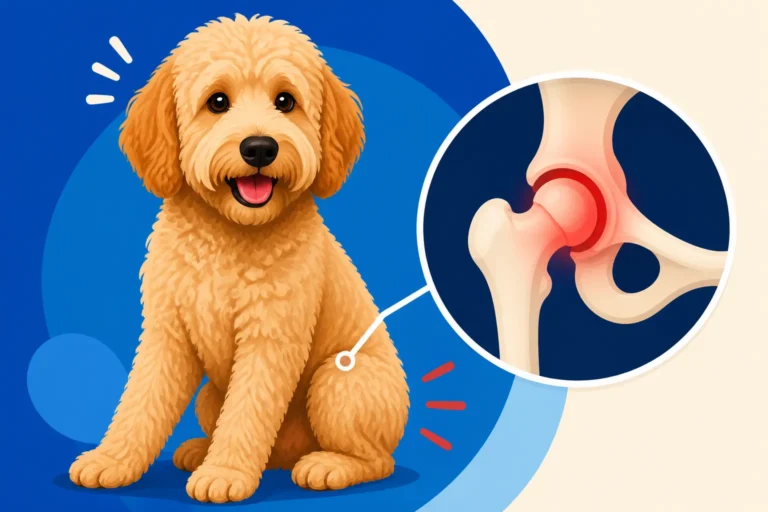
- Hip Dysplasia: This inherited condition involves abnormal formation of the hip socket, leading to pain and arthritis. It's prevalent enough in both parent breeds that F1 Goldendoodles are definitely at risk. A breeder providing OFA ratings for both the Golden Retriever and Poodle parents is crucial. Without these clearances, your F1 Goldendoodle could develop painful hip issues early in life, or later as they age.
- Elbow Dysplasia: Similar to hip dysplasia, this involves abnormal development of the elbow joint. It can lead to lameness and arthritis and is also present in both parent breeds.
- Patellar Luxation: This condition, where the kneecap slips out of place, is more commonly associated with smaller breeds, but can affect any size Goldendoodle, especially if the Poodle parent was a Miniature or Toy variety, or if the Standard Poodle line has a history of it. This is why considering Goldendoodle Joint Health by Size Category is so important, as smaller Goldendoodles might be prone to different joint issues than their larger counterparts. The concern with F1s is that they can inherit the predisposition from either side, making screening of both parents essential.
These conditions can lead to significant pain for your dog and costly surgeries or lifelong management for you. Investing in thorough research of a breeder's health testing practices can prevent a lot of heartache (and vet bills!) down the road.
Eye and Ear Health Vulnerabilities
The beautiful eyes and floppy, furry ears of a Goldendoodle are undeniable charms, but they also represent areas of potential health vulnerability that F1s inherit from their parent breeds.
- Eye Health: Both Golden Retrievers and Poodles can suffer from various hereditary eye diseases. Progressive Retinal Atrophy (PRA) is a particularly serious one, leading to blindness. It's critical that both parent dogs are DNA tested for PRA, and have regular eye exams by a veterinary ophthalmologist. Progressive Retinal Atrophy and the Goldendoodle Eye Test is something all prospective Goldendoodle owners should understand and verify. Other conditions like cataracts can also be inherited, affecting vision.
- Ear Health: Those adorable floppy ears, especially when combined with the Poodle's characteristic ear hair and the Golden Retriever's love for water, create a perfect environment for chronic ear infections. Goldendoodle Ear Infections Under a Furnished Ear are a common complaint. The Poodle's ear canals can be narrow and prone to hair growth inside, which traps moisture and debris. The Golden's predisposition to allergies can further exacerbate ear issues. An F1 Goldendoodle often inherits these physical traits, making diligent ear care a must. Without proper attention, these infections can become recurring and painful, sometimes leading to more serious conditions like hematomas from excessive head shaking. Should your Goldendoodle face chronic ear infections or require specialized eye treatments, having pet insurance like Healthy Paws can significantly ease the financial burden.
Autoimmune and Endocrine Disorders
Beyond structural and sensory issues, F1 Goldendoodles can also inherit predispositions to more complex internal conditions, particularly those affecting the immune and endocrine systems.
- Addison's Disease: This is a serious, often life-threatening condition where the adrenal glands don't produce enough hormones. It's notably more common in Standard Poodles and can be passed on to their Goldendoodle offspring. Addison's Disease a Goldendoodle Gets From the Poodle often presents with vague symptoms like lethargy, vomiting, and diarrhea, making it difficult to diagnose. An "Addisonian crisis" can be an emergency. Early diagnosis and lifelong medication are crucial for managing this condition.
- Thyroid Disease: Hypothyroidism (underactive thyroid) is another common endocrine disorder seen in both Golden Retrievers and Poodles. It can lead to weight gain, lethargy, skin problems, and coat loss. Screening of breeding dogs for thyroid function is an important part of a comprehensive health panel.
- Von Willebrand's Disease (vWD): While less common, this inherited blood clotting disorder is found in some Poodle lines and occasionally in Golden Retrievers. It can lead to excessive bleeding after injury or surgery. DNA testing for vWD is available and recommended for breeding dogs to ensure unaffected puppies.
The unpredictable nature of F1 Goldendoodle genetics means that while one puppy might sail through life without these issues, another from the same litter could unexpectedly develop a serious, chronic condition inherited from either parent line. This reinforces the need for thorough parental health testing and a commitment to lifelong care, which can sometimes be costly. Having a reliable pet insurance plan, such as one from Healthy Paws, can be an invaluable resource to help cover the costs associated with diagnosing and managing these often expensive, long-term conditions.
Mitigating Risk: What Prospective F1 Goldendoodle Owners Should Do
Understanding that an F1 Goldendoodle can be unpredictable health-wise isn't meant to discourage you, but rather to empower you. Knowing the potential pitfalls means you can take proactive steps to minimize risks and be prepared for whatever comes your way. It's all about choosing a responsible breeder and being a vigilant owner.
Demanding Transparency and Health Clearances
The single most important action you can take as a prospective Goldendoodle owner is to choose a breeder who is completely transparent about their breeding dogs' health and provides verifiable clearances. "Hybrid vigor" is a term often used by less scrupulous breeders to skirt around the necessity of comprehensive health testing. Don't fall for it.
Here's what you should expect and demand from any Goldendoodle breeder:
- OFA and CERF Documentation: Ask to see official OFA (Orthopedic Foundation for Animals) certificates for hips, elbows, and cardiac evaluations for both the Golden Retriever and Poodle parents. Look for "Good," "Fair," or "Excellent" hip ratings, and "Normal" for elbows and cardiac. For eyes, request current CERF (Canine Eye Registry Foundation) or OFA Eye certifications, renewed annually. These documents aren't just pieces of paper; they represent real efforts to screen for debilitating conditions.
- DNA Panel Results: Breeders should provide DNA test results for both parents for conditions prevalent in their respective breeds and common to Goldendoodles, such as Progressive Retinal Atrophy (PRA), Von Willebrand's Disease (vWD), and Ichthyosis (common in Goldens). Ensure they understand what a "carrier" status means and how it impacts breeding decisions. The DNA Panel a Goldendoodle Breeder Should Run is extensive, but a reputable breeder will prioritize it.
- Veterinarian References: A good breeder will have a strong relationship with their veterinarian. Ask for their vet's contact information (with the breeder's permission, of course) as an additional reference.
- Openness to Questions: A responsible breeder will welcome your questions and be happy to educate you about their breeding program, the parent dogs, and the specific health considerations of their lines. They should also be able to explain their rationale for breeding a particular F1 pair.
Remember, if a breeder is cagey, reluctant to show paperwork, or dismisses health testing with vague assurances, walk away. Verifiable health clearances from organizations like OFA are your best defense against the genetic unpredictability of an F1 Goldendoodle. Without them, you're not just taking a chance; you're actively setting yourself up for potential health issues.
Preparing for the Unexpected
Even with the most meticulous health testing and a responsible breeder, no dog is guaranteed perfect health for its entire life. Dogs are living beings, and like us, they can develop unforeseen conditions or genetic predispositions that even comprehensive testing couldn't catch. Therefore, being prepared for the unexpected is a critical part of Goldendoodle ownership.
This preparation involves several key areas:
- Lifelong Veterinary Care: Establish a relationship with a trusted veterinarian early on. Schedule regular check-ups, follow vaccination schedules (like the ones detailed in Goldendoodle Vaccination and Puppy Health Checks), and discuss preventive care for parasites, fleas, and ticks. Regular vet visits can catch potential issues early, often making them more manageable.
- Optimal Nutrition and Exercise: Provide a high-quality diet appropriate for your Goldendoodle's age and size. Maintain a healthy weight to reduce strain on joints. Ensure they get adequate exercise, both physical and mental, to support overall well-being.
- Grooming Routine: Due to their unique coats, Goldendoodles require consistent grooming to prevent painful matting and skin issues. Regular brushing and professional grooms are non-negotiable. Learn more about Brushing a Goldendoodle Often Enough to Stop Matting to keep their coat healthy.
- Pet Insurance: This is where preparation truly shines for an F1 Goldendoodle. Given the broader range of potential inherited issues from both parent lines, a comprehensive pet insurance policy can be an absolute lifesaver. Providers like Healthy Paws offer coverage for accidents, illnesses, surgeries, and emergency care, which can quickly add up to thousands of dollars. Enrolling your Goldendoodle when they're young and healthy ensures that pre-existing conditions won't be excluded. This financial safety net allows you to make medical decisions based on what's best for your dog, rather than being limited by cost. Understanding Goldendoodle Pet Insurance for a Dog With No Breed Papers is important, as insurers classify crossbreeds differently. Don't wait until an emergency strikes; proactive enrollment provides peace of mind against the unpredictable health landscape of any dog, especially an F1 Goldendoodle.
While the F1 Goldendoodle can be the least predictable health-wise without proper screening, responsible ownership and preparedness can help navigate these uncertainties, ensuring your furry companion lives the happiest, healthiest life possible.
| Health Issue | Golden Retriever Predisposition | Poodle Predisposition | F1 Goldendoodle Risk Factor |
|---|---|---|---|
| Hip Dysplasia | High | Moderate | High (from both lines) |
| Elbow Dysplasia | High | Moderate | High (from both lines) |
| Progressive Retinal Atrophy | Present | Present | Present (from both lines) |
| Addison's Disease | Low | High | Moderate to High (from Poodle side) |
| Bloat (GDV) | Moderate | High | Moderate to High (from Poodle side, larger size) |
| Cancers | High (various types) | Moderate | Moderate to High (from Golden side) |
| Ear Infections | Moderate (allergies) | High (ear structure, hair) | High (combined factors) |
| Thyroid Disease | Moderate | Moderate | Moderate (from both lines) |
| Von Willebrand's Disease | Low | Moderate | Low to Moderate (from Poodle side) |
Disclaimer
The information provided in this article is for general informational purposes only and is not a substitute for professional veterinary advice. Always consult with a qualified veterinarian for any health concerns or before making any decisions related to your pet's health and treatment.