Ear Cleaner Solutions Safe for a Goldendoodle
Oh, those Goldendoodle ears! They're so wonderfully soft and expressive, aren't they? But if you're a Goldendoodle parent, you probably already know they can also be a magnet for trouble, often leading to frustrating, recurring ear infections that leave your beloved pup shaking their head, scratching incessantly, and feeling miserable. It’s a common struggle for many of us, and finding the right way to keep those adorable floppy ears clean and healthy is paramount. This guide will walk you through exactly which ear cleaner solutions are safe and effective for your Goldendoodle, helping you prevent those nasty infections and keep your furry friend comfortable.
Why Goldendoodles Are Prone to Ear Infections
It’s not just bad luck that Goldendoodles seem to get ear infections more often than some other breeds. Their unique anatomy, a charming combination of their Golden Retriever and Poodle parents, actually sets them up for it. Understanding this predisposition is the first step in effective prevention. You can dive deeper into this topic by reading our article on Goldendoodle Ear Hair and Chronic Infection.
The Anatomy of a Goldendoodle Ear
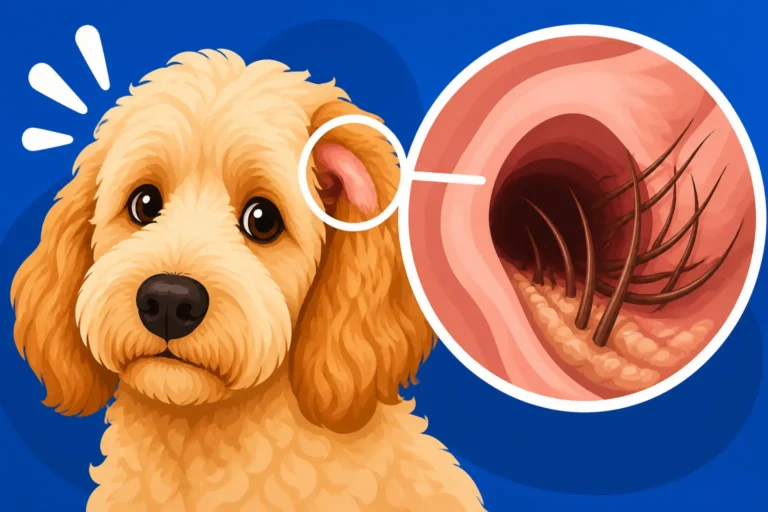
Think about the structure of your Goldendoodle's ear. Unlike breeds with upright, open ears that allow for plenty of airflow, Goldendoodles inherit those lovely, heavy, dropped ear flaps. These ear flaps, or pinnae, hang down, effectively covering the ear canal opening. This creates a warm, dark, and often humid microclimate inside the ear, which is exactly what yeast and bacteria thrive on.
But it’s not just the flap itself. Goldendoodles also typically have significant hair growth inside their ear canals, a trait largely passed down from their Poodle side. This hair traps debris, wax, and moisture even more effectively, making it nearly impossible for the ear to naturally dry out or for foreign particles to escape. The ear canal itself is also a bit of a winding road, often shaped like an 'L' in dogs, making it difficult for fluid or debris to drain out without assistance. It’s a perfect storm, really, for organisms to set up shop and cause inflammation and infection.
Moisture Trapping and Lack of Airflow
Imagine walking around with a damp, warm blanket over your ears all day. That's essentially what a Goldendoodle experiences. This lack of airflow means that once moisture gets into the ear canal, it stays there. And moisture is the number one culprit for creating an environment ripe for infection.
Consider these common scenarios:
- Baths: Even if you're careful, water often sneaks into the ear canal during bath time. If not thoroughly dried, that moisture lingers.
- Swimming: Goldendoodles, thanks to their retriever heritage, often love water! A romp in the lake or a dip in the pool can be a blast, but it's a guaranteed way to get water deep into those ear canals. Our article on Yeast in a Goldendoodle Ear After Swimming talks more about this common issue.
- Humidity: Even without direct water exposure, living in a humid climate can contribute to moisture buildup in those closed-off ear canals.
Without proper ventilation, the skin inside the ear canal doesn't get a chance to breathe and dry out. This constant dampness softens the skin, making it more susceptible to irritation and easier for opportunistic bacteria and yeast, which are always present in small numbers, to multiply out of control and cause a full-blown infection.
Understanding Safe Ear Cleaner Ingredients
When you're dealing with such a sensitive area, choosing the right ear cleaner is absolutely critical. You want something that will effectively clean and dry the ear canal without causing further irritation or damage. There are definitely ingredients to seek out and some to avoid like the plague.
Beneficial Ingredients to Look For
The best ear cleaners for Goldendoodles (and most dogs, really) are formulated with gentle, yet effective, ingredients that target the common issues: cleaning out wax and debris, drying the canal, and providing some antiseptic or anti-fungal properties. Look for solutions that explicitly state they are veterinarian-recommended or safe for regular use.
Here are some of the stars in the world of ear cleaning solutions:
- Acetic Acid (often derived from vinegar): This is a fantastic natural acid that helps to lower the pH inside the ear, creating an acidic environment that is less hospitable for yeast and bacteria. It also has mild antiseptic properties. Don't worry, it's diluted sufficiently in commercial cleaners not to sting on healthy skin.
- Boric Acid: Another mild acid, boric acid, acts as an antiseptic and also helps to dry out the ear canal. It's particularly good at tackling yeast.
- Salicylic Acid: Commonly found in acne treatments, salicylic acid is a keratolytic agent, meaning it helps to break down and shed dead skin cells and excess wax. This makes it easier to remove stubborn gunk from the ear.
- Chlorhexidine: This is a powerful, broad-spectrum antimicrobial agent that is effective against both bacteria and yeast. It's often found in medicated ear cleaners, but some preventive ones include it at lower concentrations. It provides a residual effect, continuing to work for a while after application.
- Witch Hazel: A natural astringent, witch hazel helps to dry out the ear canal and can reduce inflammation. It's generally very gentle.
- Aloe Vera: Known for its soothing properties, aloe vera can help calm irritated skin inside the ear, which is especially beneficial for dogs prone to sensitivity.
Many effective ear cleaners combine a few of these ingredients to create a synergistic effect. Always look for solutions that are clearly labeled for veterinary use and check the expiration date.
Ingredients to Avoid in Ear Cleaners
Just as important as knowing what to look for is knowing what to steer clear of. Some common household items or ingredients found in human products can be downright harmful to your Goldendoodle's delicate ear canals.
- Alcohol: While it evaporates quickly and seems like a good drying agent, alcohol is incredibly irritating to the sensitive skin inside a dog's ear. It can cause stinging, dryness, and inflammation, actually making your dog more prone to infection or making an existing one worse. Never use rubbing alcohol in your dog's ears.
- Hydrogen Peroxide: Another common household item, hydrogen peroxide, should be avoided. It can bubble aggressively, potentially damaging the delicate cells lining the ear canal. It's also not particularly effective at killing the bacteria and yeast common in dog ear infections and can leave behind irritating residue.
- Harsh Detergents or Soaps: These can strip the natural protective oils from the ear canal, leading to dryness and irritation. They can also leave residues that attract more debris or create an environment for irritation.
- Artificial Fragrances: While a sweet-smelling ear cleaner might appeal to us, strong artificial fragrances can be irritants for dogs. Their noses are far more sensitive than ours, and these chemicals can cause allergic reactions or simply make the ear itch more. Stick to unscented or naturally scented (e.g., with a hint of natural extracts) products.
- Any solution not specifically designed for dogs: Human ear drops or cleaners are formulated for human ear physiology and pH, which can be very different from a dog's. Always use a product designed and recommended for canine use.
Here's a quick comparison to help you remember:
| Safe & Beneficial Ingredients | Ingredients to Avoid / Use with Caution |
|---|---|
| Acetic Acid (Vinegar) | Alcohol (Rubbing Alcohol) |
| Boric Acid | Hydrogen Peroxide |
| Salicylic Acid | Harsh Detergents/Soaps |
| Chlorhexidine | Artificial Fragrances |
| Witch Hazel | Essential Oils (unless vet-approved) |
| Aloe Vera | Unknown or Human-Specific Products |
| pH-balanced formulas |
Step-by-Step Guide to Cleaning Your Goldendoodle's Ears
Regular, proper ear cleaning is your best defense against those recurring infections. It might seem daunting at first, especially if your Goldendoodle isn't a fan of ear handling, but with patience and the right technique, it becomes a routine your dog can tolerate, or even enjoy. Our article on Cleaning a Goldendoodle Ear Before It Gets Infected provides even more tips.
Gathering Your Supplies
Before you even call your Goldendoodle over, have everything you need laid out. This prevents you from fumbling around and potentially stressing your dog out.
You'll need:
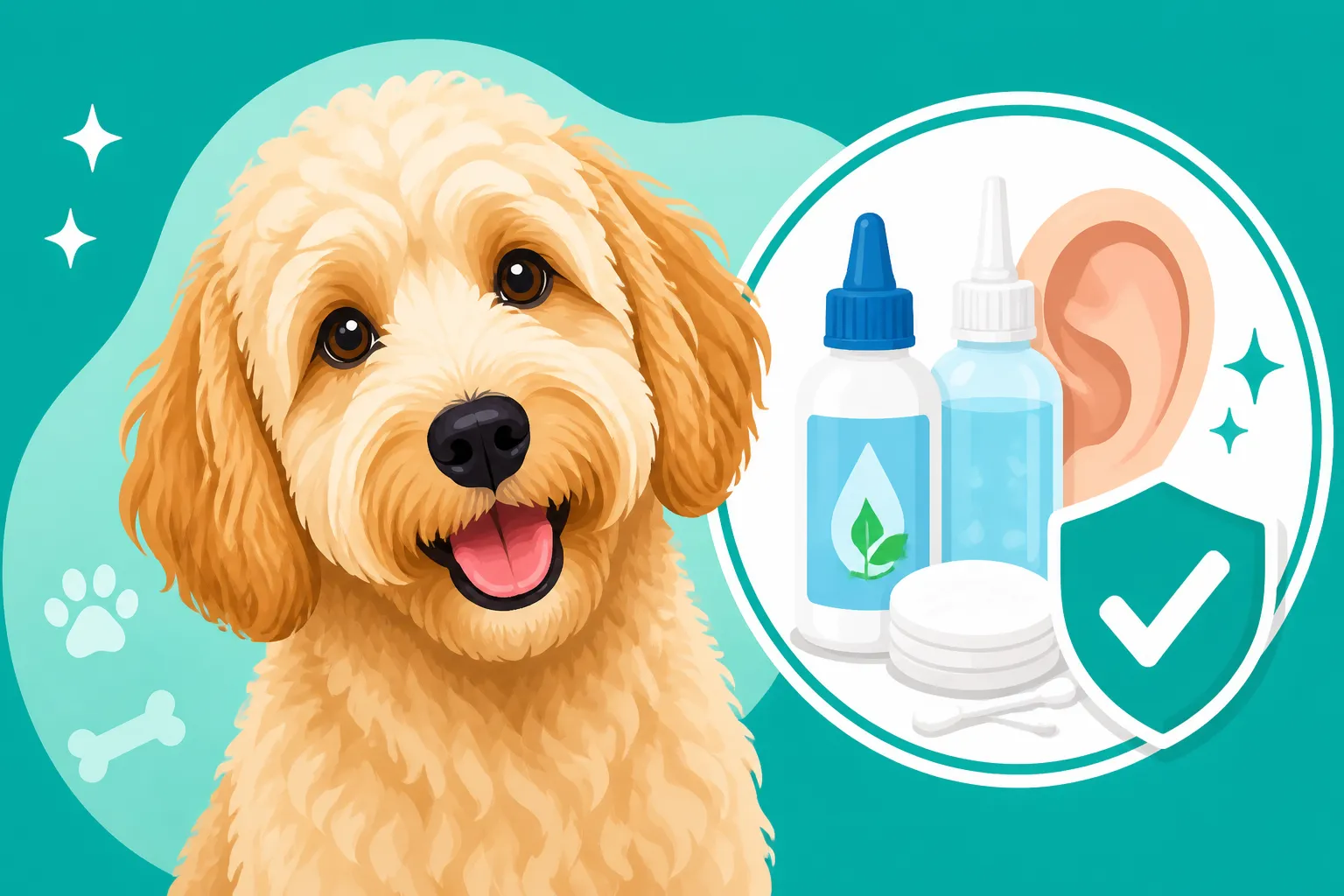
- A safe, veterinarian-approved ear cleaning solution: As discussed above, choose one with beneficial ingredients.
- Cotton balls or cotton pads: Avoid cotton swabs (Q-tips) as these can push debris deeper into the ear canal or injure the eardrum.
- Plenty of treats: High-value treats are a must for positive reinforcement!
- A towel: To catch any excess solution and for general cleanup.
- Optional: A helper: Especially for a wiggly Goldendoodle, an extra set of hands can make a world of difference, holding them gently or distracting them with treats.
- Optional: Grooming scissors/thinning shears: If your Goldendoodle has excessive hair around or just inside the ear canal opening, gently trimming it can improve airflow and make cleaning easier. Be extremely careful if you choose to do this; many owners prefer their groomer handle ear hair.
Choose a quiet, comfortable location where both you and your dog can relax, perhaps outdoors or in a bathroom with easily cleaned surfaces.
The Cleaning Process
This is where the magic happens! Take your time and be gentle.
- Prepare Your Goldendoodle: Start with positive reinforcement. Let your dog sniff the ear cleaner bottle, give a treat. Gently touch their ears, give a treat. The goal is to make this a calm, positive experience. If your Goldendoodle is anxious, a partner can hold them gently while offering a distraction like a Kong filled with peanut butter.
- Lift the Ear Flap: Gently lift your Goldendoodle’s ear flap to expose the opening of the ear canal.
- Apply the Solution: Hold the ear flap up and carefully squirt the ear cleaning solution directly into the ear canal. Don't be shy; you need enough to fill the canal. For a standard Goldendoodle, this might be 5-10 mL (about half a teaspoon to a full teaspoon). The goal is for the liquid to reach deep into the canal to loosen wax and debris.
- Massage the Base of the Ear: This is the most important step! With the ear flap still held up, gently but firmly massage the base of your dog's ear for about 30 seconds to a minute. You should hear a squishing sound as the solution works its way around and breaks up debris. Your dog might lean into it, or might try to pull away. Continue to reassure them and offer praise.
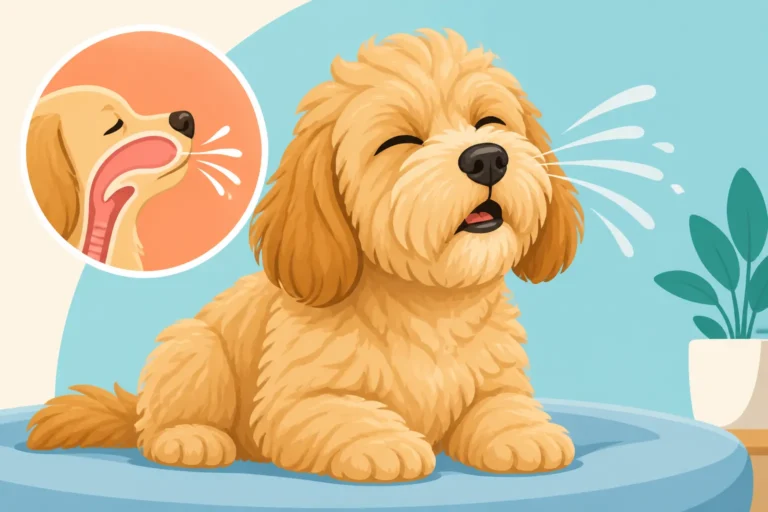
- Allow Your Dog to Shake Their Head: After massaging, release the ear flap and let your Goldendoodle shake their head vigorously. This is a crucial part of the cleaning process, as it helps dislodge all that loosened wax and debris. Be prepared for some solution (and gunk!) to fly out – this is why a towel or outdoor setting is helpful!
- Wipe the Visible Parts: After the head shake, take a cotton ball or pad and gently wipe away any visible solution, wax, and debris from the outer ear canal and the inside of the ear flap. Remember, never insert anything deep into the ear canal itself; just wipe what you can easily see and reach with your finger wrapped in cotton.
- Repeat if Necessary: If the cotton ball is very dirty, you might repeat the process with a fresh application of cleaner and another massage, though usually, one good soak and massage is sufficient for routine cleaning.
- Reward, Reward, Reward: Immediately follow up with lots of praise, affection, and high-value treats. You want your Goldendoodle to associate ear cleaning with positive outcomes.
- Clean the Other Ear: Repeat the entire process for the other ear.
How often should you do this? For most Goldendoodles prone to issues, once a week is a good preventative schedule. If your dog swims frequently, cleaning immediately after swimming is highly recommended to prevent moisture from lingering.
Dealing with Different Coat Types Around the Ear
Goldendoodles come with a variety of coat types, and this can impact ear care.
- Furnished Ears (most common): These Goldendoodles have the characteristic long facial hair, including a beard and eyebrows, and usually have hair growing inside their ear canals. This hair needs regular attention. While some groomers will pluck this hair (and some owners attempt it), it's a controversial practice as it can irritate the hair follicles and actually increase the risk of infection. A safer approach for these ears is to keep the hair around the ear canal opening neatly trimmed short with blunt-nosed scissors or small clippers. This helps improve airflow.
- Unfurnished Ears (rare, but possible): An unfurnished Goldendoodle has a smoother face, more like a Golden Retriever. These dogs typically have less hair growth inside the ear canal, which can be an advantage for airflow. However, they still have floppy ears, so moisture can still be an issue. Regular cleaning is still important, though perhaps not as intensive on hair management.
No matter the coat type, always ensure the hair around the ear opening is clear and clean, allowing the cleaner to penetrate and the ear to dry properly.
When to See the Vet
While regular cleaning with safe solutions is a powerful preventative measure, it's crucial to know when cleaning isn't enough and professional veterinary attention is needed. Missing the signs of an infection can lead to prolonged discomfort for your dog and more complicated, expensive treatments down the road. You can learn more about this in Catching a Goldendoodle Ear Infection Under the Hair.
Recognizing Signs of Infection
Your Goldendoodle can’t tell you their ear hurts, so it’s up to you to be vigilant. Keep an eye (and nose!) out for these common indicators of an ear infection:
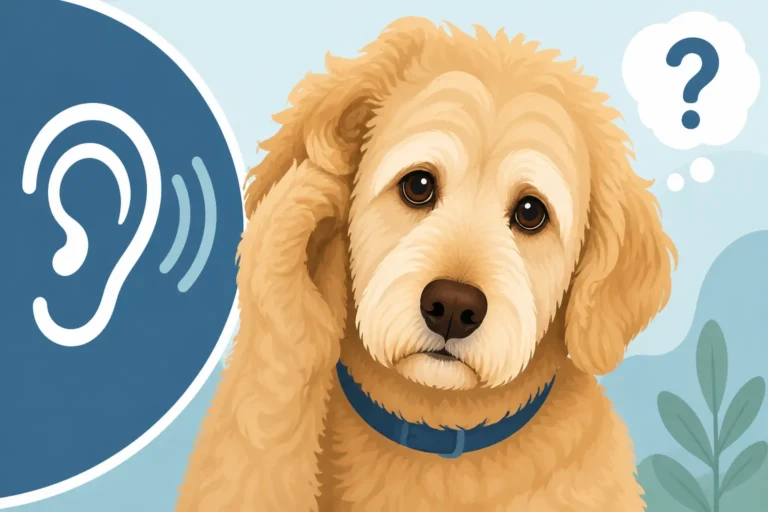
- Excessive Head Shaking: This is often one of the first and most obvious signs. If your Goldendoodle is shaking their head much more than usual, especially frequently throughout the day, it's a red flag. Sometimes, severe head shaking can even lead to an aural hematoma, a blood blister on the ear flap that requires surgery, as described in Goldendoodle Ear Hematomas From Head Shaking.
- Constant Ear Scratching: If your dog is constantly pawing at their ear or rubbing it along furniture or the ground, it's a clear sign of irritation or itchiness.
- Redness or Swelling: Gently lift your Goldendoodle's ear flap and look inside. Is the skin redder than usual? Is there any noticeable swelling around the ear canal opening?
- Strong, Unpleasant Odor: A healthy ear should have minimal to no odor. A sweet, yeasty smell or a pungent, foul odor is a definite sign of infection.
- Discharge: Look for any discharge coming from the ear canal. This could be dark brown, black, yellow, or greenish, and it might have a waxy, sticky, or pus-like consistency.
- Pain or Sensitivity: If your Goldendoodle yelps, flinches, or pulls away when you touch their ear, or acts aggressively when normally they wouldn't, it's a strong indicator of pain.
- Tilting the Head: Some dogs will consistently tilt their head to one side, trying to relieve pressure or discomfort in an infected ear.
- Changes in Behavior: Lethargy, loss of appetite, or general grumpiness can sometimes be subtle signs that your dog is unwell, including from an ear infection.
If you observe any of these symptoms, stop cleaning the ear yourself and make an appointment with your veterinarian as soon as possible. Continuing to clean an infected ear with a general solution can sometimes push the infection deeper or irritate it further.
Persistent Issues and Professional Help
Sometimes, despite your best efforts with preventative cleaning, your Goldendoodle might still develop ear infections. Or worse, you might be dealing with Goldendoodle Ear Infections That Return Every Month. This is where a professional diagnosis and treatment plan from your vet become absolutely essential.
A veterinarian can:
- Visually Inspect the Ear: Using an otoscope, they can look deep into the ear canal to assess the severity of the infection, check for foreign bodies (like grass awns), or examine the eardrum for damage.
- Take Samples for Cytology: They’ll often take a swab of the ear discharge and examine it under a microscope. This allows them to identify whether the infection is bacterial, yeast, or a combination, and which specific types are present. This is crucial for prescribing the correct medication.
- Prescribe Medicated Treatment: Depending on the diagnosis, your vet might prescribe antibiotic ear drops, anti-fungal drops, or a combination of both. They might also prescribe oral medications if the infection is severe or chronic.
- Discuss Underlying Causes: Recurring ear infections can sometimes be a symptom of an underlying issue, such as allergies (food or environmental), thyroid disease, or even autoimmune conditions. Your vet can help investigate these possibilities. For example, Goldendoodle Allergies and Itchy Skin can often manifest as ear infections.
Dealing with chronic ear infections can be financially draining due to frequent vet visits, diagnostic tests, and medications. This is where having pet insurance can be a huge relief. Many Goldendoodle owners find that a plan from Healthy Paws can significantly offset the costs of ongoing treatments for conditions like recurring ear infections. Knowing that a portion of those vet bills can be reimbursed, you can focus on getting your Goldendoodle the best possible care without added financial stress. Make sure to check out Whether Goldendoodle Insurance Covers Ear Infections for more details on what's typically covered.
Prevention is always better than cure, but when an infection strikes, prompt and professional veterinary care is the fastest route back to a happy, healthy Goldendoodle.
Disclaimer
The information provided in this article is for general informational purposes only and is not a substitute for professional veterinary advice. Always consult with a qualified veterinarian for any health concerns or before making any decisions related to your pet's health and treatment.