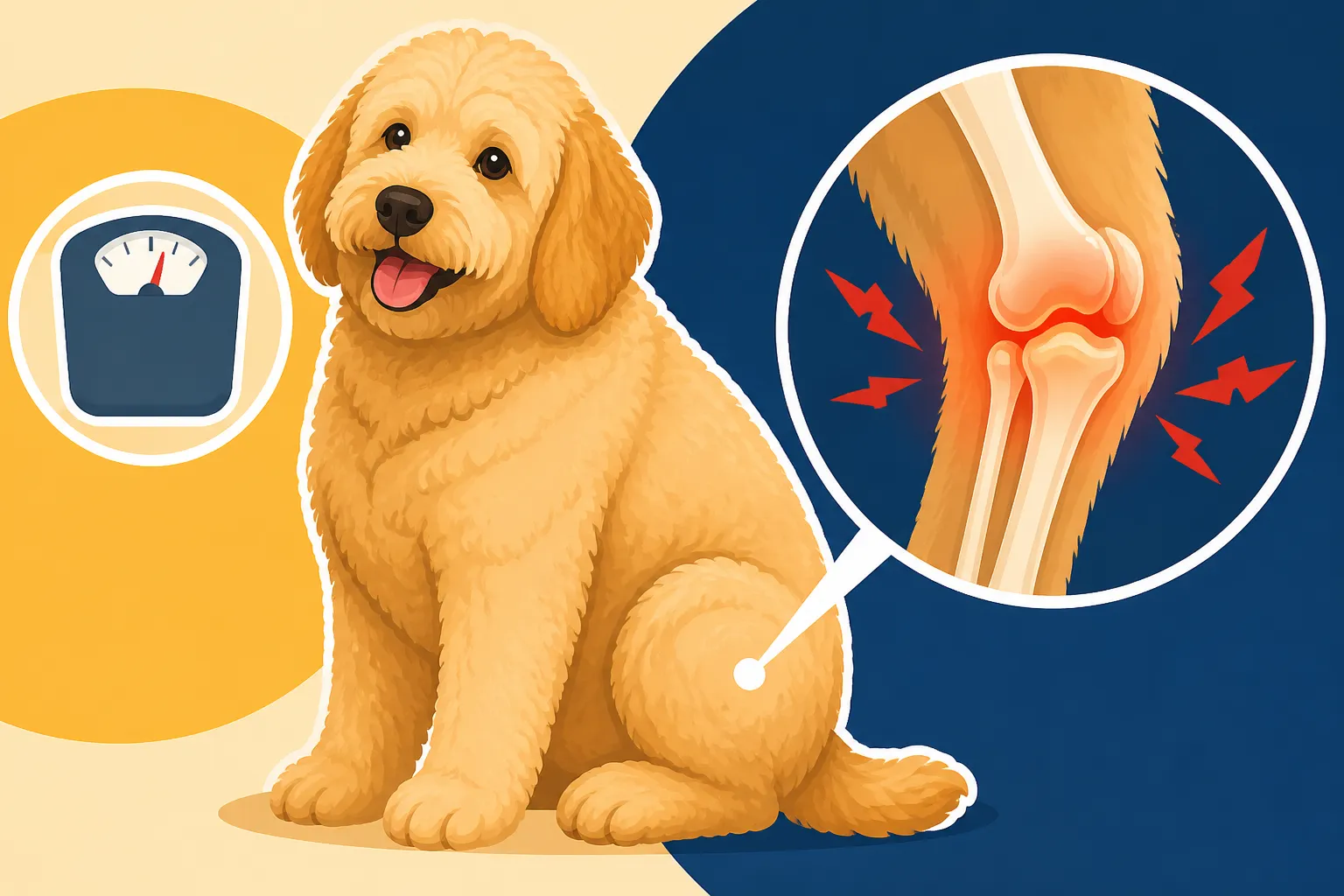
Goldendoodle Weight Gain and the Strain on Joints
It's a common, heartbreaking scenario many Goldendoodle parents face: you look at your fluffy companion, perhaps a bit rounder than before, and a pang of worry hits. Their thick, often curly coat can be a master of disguise, hiding those extra pounds until suddenly, you notice they’re not as spry as they once were, struggling a bit after a long walk, or hesitating before jumping onto the couch. This guide is here to shed light on how easily Goldendoodles can pack on weight and, more importantly, the serious strain those added pounds put on their precious joints, and what you can do to help them live a long, comfortable life.
The Sneaky Nature of Goldendoodle Weight Gain
Goldendoodles, with their perpetually happy expressions and often dense, curly, or wavy coats, can make it incredibly difficult to spot gradual weight gain. Those adorable rolls and that extra fluff might just seem like more to cuddle, but beneath the surface, it could be putting undue stress on their bodies. Understanding why they gain weight and how to tell is the first critical step.
Why Those Pounds Creep On So Easily
There are a few key reasons why Goldendoodles seem particularly prone to packing on weight. It's often a combination of factors, not just one single culprit.
First, let's talk about food. Goldendoodles are often highly food-motivated, thanks in large part to their Golden Retriever ancestry. They love to eat, and they're masters at convincing us they're still hungry! Those extra treats, table scraps, and even slightly over-generous portions at mealtime add up incredibly quickly. A single extra biscuit a day for a human might be negligible, but for a 50-pound dog, it can be the equivalent of you eating a whole extra meal. It's easy to fall into the habit of showering them with love in the form of food, especially when they give you those big, pleading eyes.
Secondly, their exercise needs, while significant, aren't always met consistently. A standard Goldendoodle, for example, needs a good hour or two of active movement daily. If life gets busy, or the weather turns sour, those walks might shorten, or play sessions might become less frequent. The calories still go in, but they're not burned off, leading to an energy surplus that turns into stored fat. This is especially true as they get older and may naturally slow down, but their owners often forget to adjust their food intake accordingly.
Lastly, biological factors play a role. Spaying or neutering can alter a dog's metabolism, often leading to a decrease in energy needs and an increased tendency to gain weight. This isn't a reason to avoid these procedures, as they have significant health benefits, but it's crucial to be aware and adjust diet and exercise after the surgery. Age also brings changes; a Senior Goldendoodle Care After the Age of Nine will naturally have a slower metabolism and reduced activity levels. Even certain medical conditions, though less common, like hypothyroidism, can lead to unexplained weight gain, which is why regular vet check-ups are so important.
Unmasking Weight Gain Under the Fluff
One of the biggest frustrations for Goldendoodle owners is just how good their dogs are at hiding weight gain. That lovely, flowing coat, whether wavy or curly, can easily mask a thickening waistline or a loss of definition. You might not see those ribs disappear until a significant amount of weight has been gained.
The best way to combat this sneaky weight gain is to use your hands. You need to regularly perform a "body condition score" check, usually weekly or bi-weekly. Gently run your hands along your Goldendoodle's sides. You should be able to feel their ribs without pressing hard, almost like feeling the back of your hand. If you have to dig your fingers in to feel them, your dog is likely overweight. Similarly, when you look down at your dog from above, you should see a discernible waistline just behind their ribs. If they look more like a straight cylinder, or even bulge out, it's a red flag. From the side, their abdomen should tuck up slightly, not hang low or be parallel to the ground.
Don't rely solely on the scale, especially if you have a large Goldendoodle. While important for tracking, the ideal weight for a Goldendoodle can vary significantly based on their size, build, and even their parentage. Instead, focus on that body condition score. Your vet can also help you assess this accurately during routine check-ups. It’s also important to remember that a Goldendoodle’s natural coat type can affect how much weight they carry. For instance, a Standard Goldendoodle with a dense, woolly coat might appear larger even at a healthy weight, making the "feel test" even more critical. Learning to correctly gauge Keeping a Goldendoodle Lean When the Coat Hides It is a skill every owner needs.
The Heavy Toll on Goldendoodle Joints
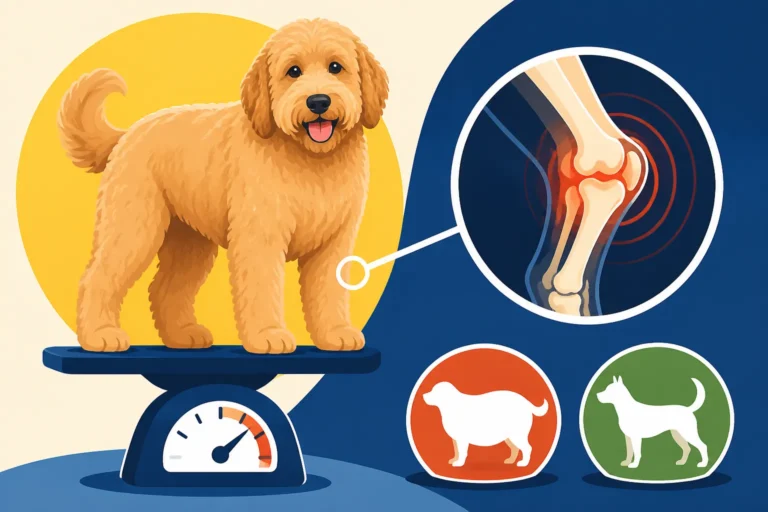
The connection between excess weight and joint strain in Goldendoodles is undeniable and often leads to a vicious cycle of pain and reduced activity. When your dog carries extra pounds, every step, jump, or even just standing still puts significantly more stress on their joints than they were designed to handle.
Exacerbating Existing Joint Conditions
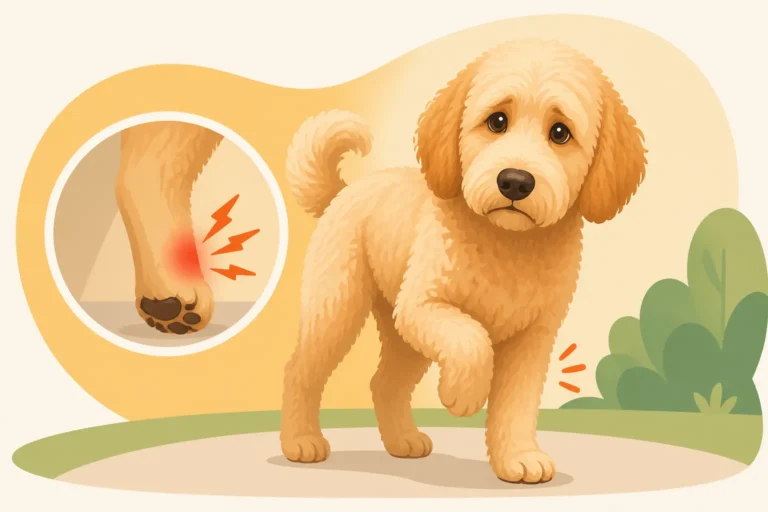
Goldendoodles are unfortunately predisposed to certain joint issues inherited from their Golden Retriever and Poodle parent lines. Conditions like hip dysplasia and elbow dysplasia are common concerns. Hip dysplasia, for instance, occurs when the ball and socket joint of the hip doesn't fit together properly. Even a dog with mild dysplasia might live a relatively normal life if kept lean, but add ten, fifteen, or even twenty extra pounds, and that ill-fitting joint grinds and wears down much faster. The pain increases, leading to inflammation, arthritis, and a reluctance to move. You can dive deeper into the specifics of Goldendoodle Hip Dysplasia and the OFA Numbers to understand genetic predispositions.
Similarly, elbow dysplasia, a complex condition affecting the elbow joint, is worsened by extra weight. The added pressure accelerates cartilage damage and bone spur formation, leading to chronic pain and lameness. These are not minor discomforts; they are debilitating conditions that significantly impact a dog's quality of life.
Increased Risk of Cruciate Ligament Tears
One of the most common and painful injuries for active dogs, especially those carrying extra weight, is a cranial cruciate ligament (CCL) tear in the knee. This is similar to an ACL tear in humans. The CCL stabilizes the knee joint, preventing the tibia from sliding forward relative to the femur. When a Goldendoodle is overweight, the constant stress and strain on this ligament, especially during sudden movements, jumps, or even just running, can lead to it tearing, either partially or completely.
A torn CCL is excruciatingly painful and often requires expensive and invasive surgery to correct. Recovery is lengthy, involving strict rest and often extensive physical therapy. Many Goldendoodle owners find themselves facing this exact scenario after years of their dog being a bit chunky. It’s a truly devastating injury, and unfortunately, once one knee has torn, the other often follows due to compensatory strain. This is a topic thoroughly explored in articles like Cruciate Ligament Tears in a Jumping Goldendoodle.
Patellar Luxation and Arthritis Acceleration
Smaller Goldendoodle varieties, such as Mini or Toy Goldendoodles, are more susceptible to patellar luxation, where the kneecap slips out of its groove. While this condition can be genetic, excess weight significantly aggravates it. The added pressure on the knee joint makes it easier for the kneecap to dislocate, causing pain, limping, and eventually leading to degenerative joint disease. The severity is often graded, and understanding Kneecap Grades One Through Four in a Goldendoodle can help you discuss this with your vet.
Beyond these specific conditions, chronic low-grade inflammation from obesity contributes to the acceleration of osteoarthritis in all joints. The cartilage, which normally cushions the bones, breaks down faster, leading to bone-on-bone friction, pain, stiffness, and reduced mobility. This means that even a Goldendoodle without a genetic predisposition to dysplasia can develop significant arthritis prematurely if they are overweight.
Strategizing for Healthy Goldendoodle Weight Management
The good news is that Goldendoodle weight gain is largely preventable and manageable with a thoughtful approach to diet, exercise, and regular veterinary oversight. It’s about creating sustainable habits that prioritize your dog's long-term health and mobility.
Tailoring Diet and Portion Control
The foundation of weight management starts in the food bowl. It’s not just about what they eat, but how much.
Quality Food: Choose a high-quality dog food appropriate for your Goldendoodle's life stage (puppy, adult, senior) and size. Look for foods with good protein sources and controlled fat content. If your dog is already overweight, your vet might recommend a specific weight-loss formula that is lower in calories but still provides essential nutrients. Brands like Purina Pro Plan Veterinary Diets or Royal Canin Veterinary Diet often have options developed for weight management.
Accurate Portions: This is where many owners unintentionally go wrong. Don't just eyeball it! Use a measuring cup or, even better, a kitchen scale to measure your dog's food precisely. The feeding guidelines on dog food bags are just a starting point; they assume an average activity level. Your vet can help you calculate the precise daily caloric intake your Goldendoodle needs to maintain a healthy weight or to safely lose weight. Remember that Daily Calories by Goldendoodle Size Category will differ significantly.
Treats and Table Scraps: This is often the biggest hidden calorie culprit. Treats should make up no more than 10% of your dog's daily caloric intake. Opt for low-calorie options like small pieces of carrots, green beans, or plain cooked chicken breast. Absolutely avoid table scraps, which are often high in fat, salt, and ingredients that are unhealthy or even toxic for dogs. It can be hard to say no to those pleading eyes, but it’s an act of love to protect their health.
Here's a quick comparison of common Goldendoodle sizes and their typical weight ranges, which can serve as a guide for discussion with your vet about ideal weight:
| Goldendoodle Size | Typical Weight Range | Best for Pet Parents Who… |
|---|---|---|
| Toy | 10-25 lbs | Want a smaller lap dog, live in apartments. |
| Mini | 26-35 lbs | Want a medium-sized dog, still energetic. |
| Medium | 36-50 lbs | Prefer a larger dog but not quite standard. |
| Standard | 51-90+ lbs | Have ample space, active lifestyle, want a big cuddly companion. |
Note: These are general ranges. Individual genetics and build can cause variation. Always consult your vet for your dog's ideal weight.
Crafting an Effective Exercise Routine
Exercise is the other half of the weight management equation. It's not just about burning calories; it's also crucial for maintaining muscle mass, improving joint flexibility, and boosting mental well-being.
Consistent Activity: Goldendoodles, regardless of size, thrive on consistent daily activity. For a Standard Goldendoodle, this might mean two vigorous walks totaling 60-90 minutes, plus some playtime in the yard. For a Mini, it could be 45-60 minutes of walking and fetch. The key is consistency. Break up walks if needed – a longer morning walk and an evening stroll.
Variety is Key: Don't let exercise become monotonous. Incorporate different activities like fetch, swimming (many Goldendoodles love water!), hiking, or even dog park visits. Mental stimulation through puzzle toys or training sessions also helps burn energy. If your Goldendoodle is already showing signs of joint discomfort, stick to low-impact activities like swimming or walking on soft surfaces like grass. High-impact jumps on hard surfaces should be minimized, especially for Why a Goldendoodle Should Not Jump Off Furniture due to the strain it puts on joints.
Listen to Your Dog: Always pay attention to your dog's cues. If they're limping, slowing down significantly, or showing signs of pain during or after exercise, it's time to consult your vet. Pushing an injured or arthritic dog too hard can do more harm than good. Start slow and gradually increase duration and intensity as their fitness improves.
The Role of Regular Vet Check-ups
Your veterinarian is your most valuable partner in weight management. They can accurately assess your Goldendoodle's body condition, recommend a target weight, and help you formulate a safe and effective weight loss plan.
During check-ups, your vet can rule out any underlying medical conditions contributing to weight gain and discuss appropriate food choices. They can also provide guidance on Goldendoodle Joint Health by Size Category and suggest supplements or other interventions if joint issues are already present. Don't hesitate to ask them for specific calorie targets and how to adjust food portions, especially if you're finding it difficult to gauge.
Supporting Joint Health While Shedding Pounds
Helping your Goldendoodle shed excess weight is incredibly beneficial, but it's also important to actively support their joints during this process and beyond. Managing existing pain and preventing further damage is paramount.
Targeted Nutritional Support and Supplements
Beyond a good diet, specific supplements can offer significant support for joint health, especially in dogs prone to joint issues or those actively losing weight.
Joint Supplements: Ingredients like glucosamine, chondroitin, and MSM are widely used to support cartilage health and reduce inflammation. Omega-3 fatty acids, particularly EPA and DHA found in fish oil, have powerful anti-inflammatory properties that can help ease joint pain and improve mobility. Look for veterinary-specific brands that have been tested for purity and efficacy. Your vet can recommend the appropriate dosage based on your Goldendoodle's size and condition. Remember, these are supplements, not magic pills, and work best as part of a comprehensive plan. For more on dosing, check out Joint Support Dosed to Goldendoodle Size Category.
Weight Loss Diets with Joint Support: Many prescription weight-loss diets now include enhanced levels of joint-supporting nutrients. These specialized foods can be a great option as they tackle both weight reduction and joint health simultaneously. Discuss these with your vet to see if they are a good fit for your Goldendoodle.
Physical Therapy and Environmental Adjustments
For Goldendoodles struggling with significant joint pain or recovering from injuries, professional physical therapy can be a game-changer.
Canine Physical Therapy: A certified canine rehabilitation therapist can develop a tailored exercise program to strengthen muscles supporting the joints, improve range of motion, and reduce pain. Techniques might include hydrotherapy (swimming or underwater treadmill), therapeutic exercises, massage, and even cold laser therapy. This can be incredibly effective, especially after surgery or for managing chronic arthritis. This approach is invaluable, particularly following procedures like those outlined in Physical Therapy After Goldendoodle Knee Surgery.
Creating a Joint-Friendly Home: Simple changes around your home can make a huge difference in your Goldendoodle's comfort and prevent further injury.
- Ramps and Steps: Provide ramps or pet steps for accessing furniture or beds, preventing jarring jumps that strain joints.
- Orthopedic Beds: Invest in a high-quality orthopedic bed that supports their joints and provides comfort, especially for older or arthritic dogs.
- Non-Slip Surfaces: If you have hardwood or tile floors, consider runners or rugs to provide better traction, reducing slips and falls that can exacerbate joint problems.
- Winter Protection: In colder climates, consider dog boots to protect paws from ice and salt, and ensure they don't get too cold, which can worsen joint stiffness.
Understanding the Financial Aspect of Care
Dealing with weight-related joint issues can be expensive, from special diets and supplements to vet visits, diagnostics (X-rays), medications, and potentially surgery or physical therapy. This is where having pet insurance can be a huge relief. Providers like Healthy Paws offer coverage for unexpected illnesses and accidents, which can certainly include conditions like cruciate ligament tears or severe arthritis that often stem from or are worsened by weight issues. While they might have waiting periods for certain orthopedic conditions, having a policy in place can alleviate the financial burden of managing these chronic and acute problems. It's definitely something to consider for a breed like the Goldendoodle, prone to joint issues. Early enrollment is always best, ideally before any conditions manifest.
Conclusion
Seeing your Goldendoodle struggle with mobility due to excess weight is a tough realization, but it's a problem with solutions. By taking proactive steps in managing their diet, ensuring consistent, appropriate exercise, and maintaining regular veterinary check-ups, you can significantly reduce the strain on their joints and vastly improve their quality of life. Remember, their fluffy coats are excellent at hiding those extra pounds, so consistent body condition scoring and vigilance are key. A lean, active Goldendoodle is a happy Goldendoodle, ready to enjoy many more years of joyful romps and cuddles by your side.
Disclaimer
The information provided in this article is for general informational purposes only and is not a substitute for professional veterinary advice. Always consult with a qualified veterinarian regarding your Goldendoodle's specific health concerns, diet, and exercise needs.