Goldendoodle Ear Infection Vet Visit Costs
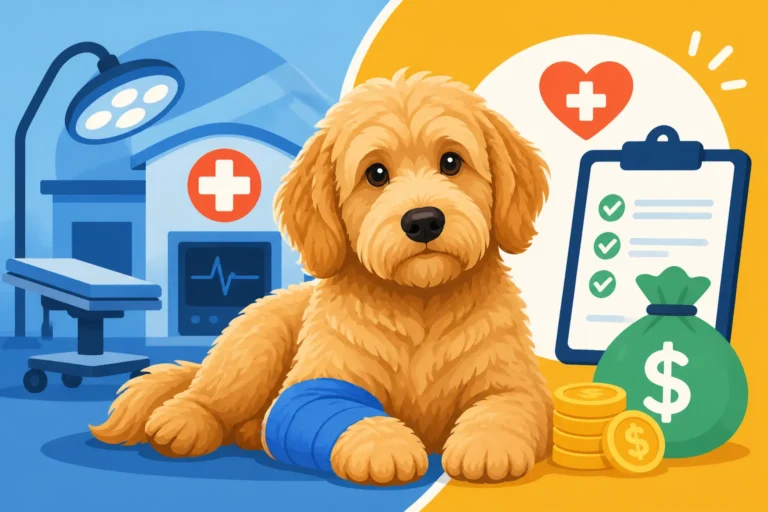
There’s almost nothing more frustrating for a Goldendoodle parent than that tell-tale ear funk. One minute your sweet pup is happy, the next they're shaking their head, scratching relentlessly, and giving you those sad, pleading eyes. And then comes the dread: another vet visit, another round of medication, and the inevitable question of how much this chronic issue is going to cost you this time. This guide is all about shedding light on the real costs associated with Goldendoodle ear infection vet visits, from the initial exam to ongoing management, so you can be prepared and find the best solutions.
The Frustrating Reality of Goldendoodle Ear Infections
If you own a Goldendoodle, you've probably already experienced the heartache (and wallet-ache) of an ear infection. It feels like a never-ending battle for some, and you're not imagining things – there are very real reasons why our beloved Doodles are so prone to these pesky problems. It's a source of constant frustration for owners because it affects their dog's comfort and your bank account.
Why Goldendoodles Are So Prone to Ear Issues
Let's face it, those adorable floppy ears are a big part of the Goldendoodle charm, but they're also a perfect breeding ground for trouble. Unlike dogs with upright ears, Goldendoodle ears hang down, effectively sealing off the ear canal from air circulation. This creates a warm, moist environment that yeast and bacteria absolutely love. Think of it like a humid, enclosed jungle for microorganisms. Add to that the fact that many Goldendoodles have a lot of hair growing inside their ear canals, which traps even more moisture and debris. This thick hair can make it incredibly difficult for the ear to dry out after a bath, a swim, or even just a particularly dewy morning walk.
It's a common complaint, and vets often see Goldendoodles come in with these issues. The combination of genetics from both the Golden Retriever (prone to allergies and skin issues) and the Poodle (known for ear hair and sensitive skin) creates a perfect storm for ear problems. It's not just about cleaning; it's about managing a predisposed condition, and understanding this is the first step in tackling the recurring costs. For a deeper dive, check out our article on Goldendoodle Ear Infections Under a Furnished Ear.
Early Signs of an Ear Infection You Might Miss
Catching an ear infection early can make a huge difference in both your Goldendoodle's comfort and the eventual vet bill. The longer an infection festers, the more entrenched it becomes, often requiring more aggressive and expensive treatments. It can be tricky, though, because Goldendoodles are often so good-natured they might try to hide their discomfort.
Initially, you might notice subtle changes: a bit more head tilting than usual, a slight increase in scratching around the ear, or rubbing their head against furniture. As it progresses, the signs become more obvious. You might start to notice a distinct, sometimes yeasty or foul, odor emanating from their ear. The inside of the ear flap might look red and inflamed, or you could see discharge – anything from dark brown, waxy buildup to yellow or green pus. Your Goldendoodle might whimper when you touch their ear or even become a little nippy due to the pain. Don't wait until it's really bad. That seemingly harmless bit of extra scratching could be the start of something that eventually costs hundreds to treat. Being vigilant about symptoms is key, as we discuss further in Catching a Goldendoodle Ear Infection Under the Hair.
When to Head to the Vet, Not Your Medicine Cabinet
It's tempting to try and play doctor at home when you spot those familiar ear infection signs. Maybe you have some leftover ear drops from a previous infection, or you've heard about home remedies. Please, resist the urge! Self-treating ear infections is almost always a bad idea for a few critical reasons, and it often ends up costing you more in the long run.
First, you don't know what kind of infection it is. Is it bacterial? Yeast? Both? Is there a foreign body lodged deep inside? Different types of infections require different medications. Using the wrong drops can be ineffective at best, and at worst, it can make the infection resistant to treatment or even damage your dog's ear. Second, the ear canal needs to be thoroughly cleaned by a professional before medication can penetrate effectively. A vet can properly visualize the eardrum, clean out debris safely, and ensure the right medication gets to where it needs to go. Delaying a vet visit by trying home remedies often means the infection becomes more severe, leading to deeper inflammation, more pain for your dog, and requiring more powerful, longer, and thus more expensive courses of treatment. Think of it as investing in an accurate diagnosis upfront to prevent a much larger bill (and more suffering for your Goldendoodle) down the line.
Deconstructing the Cost of a Goldendoodle Ear Infection Vet Visit
The minute you walk through the vet's door for an ear infection, a series of steps typically unfolds, each with its own associated cost. Understanding these components can help you mentally prepare for the bill, which can vary significantly depending on the severity of the infection and your geographic location. A routine ear check-up for a mild infection might be manageable, but chronic issues can quickly add up.
Initial Consultation and Diagnostic Fees
The first thing your vet will do is a thorough physical examination, which includes a specific focus on the affected ear(s). This initial consultation fee typically ranges from $50 to $100, depending on your clinic and whether it's an emergency visit. During this exam, the vet will use an otoscope to look deep into the ear canal, checking for redness, swelling, discharge, foreign bodies, and crucially, the integrity of the eardrum.
Following the visual inspection, the vet will almost certainly recommend a cytology – a fancy word for looking at a sample under a microscope. They'll take a swab of the discharge, roll it onto a slide, stain it, and examine it right there in the clinic. This helps them identify whether the infection is caused by bacteria, yeast, or a combination, and sometimes even mites. This cytology often adds another $30 to $70 to your bill. It’s a crucial step because it guides the treatment plan. Without knowing if it’s yeast or bacteria, treatment is just a guess, which, as we discussed, can make things worse and more expensive in the long run.
Medication Costs for a Typical Ear Infection
Once the vet has a diagnosis, they'll prescribe medication. This is where costs can vary quite a bit based on the type, duration, and brand of the treatment.
- Topical Ear Drops: These are the most common and often the first line of defense. They typically contain antibiotics, antifungals, or a combination, sometimes with a steroid to reduce inflammation and pain. A bottle of prescription ear drops might cost anywhere from $40 to $80. Brands like Otomax, Surolan, or Claro are frequently prescribed.
- Oral Medications: For more severe or deep-seated infections, or if your Goldendoodle is in a lot of pain, oral antibiotics or anti-inflammatory drugs (like NSAIDs) might be added. A course of oral antibiotics could run $30 to $100, while pain medication might be $20 to $50.
- Ear Cleaners: Often, the vet will also recommend a specific medicated ear cleaner to use at home, either before applying drops or as a maintenance solution once the infection clears. These can cost $15 to $30 per bottle.
It's worth noting that if your Goldendoodle has particularly large ears or a thick coat, you might need a larger quantity of topical medication, increasing the overall cost slightly.
Follow-Up Visits and Recheck Fees
Here's where many owners are surprised by additional costs. An ear infection isn't usually a "one-and-done" vet visit. Follow-up appointments are critical to ensure the infection has completely cleared and to prevent recurrence. A recheck typically happens 7-14 days after the initial diagnosis. During this visit, the vet will re-examine the ear and often perform another cytology to confirm that the yeast and/or bacteria are gone.
A follow-up consultation fee might be slightly less than the initial exam, ranging from $30 to $60, plus another $30 to $70 for the repeat cytology. If the infection hasn't cleared, your vet might extend the medication, change it, or recommend further diagnostics, starting the cycle of costs over again. Skipping these rechecks can be a false economy; an unresolved infection is almost guaranteed to return, often worse than before, leading to even higher treatment costs in the future.
Advanced Diagnostics and Specialist Referrals for Chronic Cases
Sometimes, despite initial treatments, a Goldendoodle's ear infection just won't go away, or it keeps coming back. This signals an underlying issue that requires more advanced investigation. This is when costs can really start to escalate.
- Ear Swab Culture and Sensitivity: If standard antibiotics aren't working, your vet might send a swab to an external lab for a culture and sensitivity test. This identifies the specific bacteria present and determines which antibiotics will be most effective against them. This test can cost $100 to $250.
- Deep Ear Cleaning/Flushing Under Sedation: For very painful, stubborn infections with a lot of debris, a thorough ear cleaning under sedation might be necessary. This allows the vet to properly flush the ear canal, remove all buildup, and get a better view. Sedation, monitoring, and the procedure itself can range from $300 to $800, depending on your Goldendoodle's size and the clinic.
- Allergy Testing: Chronic ear infections are often a symptom of underlying allergies. This can be food allergies or environmental allergies. Allergy testing can involve blood tests ($200-$400) or intradermal skin testing performed by a veterinary dermatologist ($500-$1,000+).
- Specialist Referrals: If your general vet is struggling to resolve the issue, they might recommend a referral to a veterinary dermatologist or internal medicine specialist. These specialists have advanced training and diagnostic tools. An initial specialist consultation alone can be $150 to $300, and any subsequent tests or treatments will be on top of that. This can also lead to more advanced interventions, like CT scans or even surgery for severe, irreversible ear canal disease (Total Ear Canal Ablation – TECA), which can cost several thousands of dollars.
| Cost Category | Estimated Range (USD) | What It Covers |
|---|---|---|
| Initial Vet Consultation | $50 – $100 | Physical exam, basic otoscope check |
| Ear Cytology (initial & recheck) | $30 – $70 | Microscopic analysis of ear discharge to identify bacteria/yeast |
| Topical Ear Drops | $40 – $80 | Prescription medication for common bacterial/yeast infections |
| Oral Antibiotics/Anti-inflamm. | $30 – $100 | For severe infections or pain |
| Medicated Ear Cleaner | $15 – $30 | For home cleaning and maintenance |
| Follow-up Vet Consultation | $30 – $60 | Recheck exam post-treatment |
| Culture & Sensitivity Test | $100 – $250 | Identifies specific bacteria and effective antibiotics |
| Deep Ear Cleaning (Sedated) | $300 – $800 | Thorough cleaning under anesthesia for severe cases |
| Allergy Blood Test | $200 – $400 | Identifies environmental/food allergens |
| Dermatology Specialist Consult | $150 – $300 | Initial visit with a specialized vet |
As you can see, the costs quickly climb from a routine check-up to complex diagnostics and treatments, underscoring the importance of prevention and early intervention.
Strategies to Mitigate Goldendoodle Ear Infection Costs
Facing recurring ear infection bills can feel overwhelming, but there are proactive steps you can take to not only keep your Goldendoodle healthier but also keep your veterinary costs down. A little effort consistently can save you a lot of money and stress in the long run.
Proactive Home Care to Prevent Infections
This is perhaps the most impactful strategy for Goldendoodle owners. Regular, diligent home care can significantly reduce the frequency and severity of ear infections. It’s all about creating an inhospitable environment for those pesky bacteria and yeast.
- Weekly Ear Cleaning: Make it a routine. Use a vet-approved ear cleaner that is safe for Goldendoodles. Gently flood the ear canal, massage the base of the ear, and then wipe away any debris with cotton balls or gauze. Never use cotton swabs inside the ear canal as you could push debris deeper or damage the eardrum. For detailed instructions, see our guide on Cleaning a Goldendoodle Ear Before It Gets Infected.
- Thorough Drying After Wetness: After baths, swimming, or rainy walks, ensure your Goldendoodle’s ears are completely dry. Use a towel to gently blot the outer ear and consider a low-heat hairdryer (held at a safe distance and on a cool setting) if your dog tolerates it. Remember, moisture is the enemy! This is particularly important because Yeast in a Goldendoodle Ear After Swimming is a very common issue.
- Regular Grooming: Keeping the hair around and inside the ear canal trimmed or plucked (if recommended by your vet or groomer) allows for better airflow. Discuss this with your professional groomer.
- Supplements: Some owners find success with supplements aimed at skin and coat health, particularly omega-3 fatty acids, which can help reduce inflammation and improve skin barrier function, potentially making ears less susceptible to irritation.
Investing in good quality ear cleaner, like Zymox or Epi-Otic, available at stores like Chewy, is a small cost compared to a vet bill.
The Role of Diet and Allergy Management in Ear Health
It might sound strange, but what your Goldendoodle eats can directly impact their ear health. Chronic ear infections are often a tell-tale sign of underlying allergies, and food allergies are a big one. When a Goldendoodle has a food allergy, their immune system overreacts to certain ingredients, leading to inflammation that can manifest as itchy skin, paw licking, and yes, recurrent ear infections.
Managing this can be a journey. It typically starts with an elimination diet trial, where your Goldendoodle is fed a novel protein or hydrolyzed protein diet for 8-12 weeks. This diet must be strictly adhered to, meaning no treats, table scraps, or flavored toys that aren't part of the trial. If the ear infections (and other allergy symptoms) resolve, you then reintroduce ingredients one by one to identify the culprit. This process can be time-consuming and expensive, as prescription diets can cost more than regular kibble. For instance, brands like Ollie that offer fresh, limited-ingredient diets can sometimes be a good option for managing sensitivities, though always consult your vet for guidance on elimination diets. Understanding Goldendoodle Food Allergies Showing on the Skin is vital for long-term ear health. Addressing allergies can be a significant upfront cost, but if it stops chronic infections, it’s a worthwhile investment in your dog’s health and your peace of mind.
Pet Insurance and Wellness Plans as a Financial Safety Net
When those unexpected vet bills hit, having a financial safety net can make all the difference. This is where pet insurance or a dedicated wellness plan comes into play.
- Pet Insurance: Pet insurance typically covers unexpected illnesses and accidents, which includes ear infections (as long as they are not pre-existing conditions). A good policy can reimburse you for a significant portion (70-90%) of vet bills after your deductible is met. However, it's crucial to understand the "pre-existing condition" clause. If your Goldendoodle already has a history of ear infections before you get the policy, those specific ear issues might not be covered. This is why it's always best to enroll your Goldendoodle when they are young and healthy. Providers like Healthy Paws are popular choices that can help offset substantial costs. Read our article on Goldendoodle Pet Insurance for a Dog With No Breed Papers to learn more about navigating insurance for crossbreeds.
- Wellness Plans: Some veterinary clinics or insurance providers offer wellness plans that cover routine care, including exams, vaccinations, and sometimes even a certain number of ear cleanings or basic diagnostic tests. These plans are paid monthly and can help budget for preventive care, potentially catching ear issues before they become full-blown infections. While they might not cover the full cost of a complex infection, they can reduce the cost of the routine visits that often lead to early detection.
Before signing up, carefully review policy details, deductibles, reimbursement percentages, and any exclusions to ensure it fits your needs and budget.
Finding a Goldendoodle-Savvy Vet and Groomer
Not all vets and groomers are created equal, especially when it comes to Goldendoodles and their unique needs. A vet who has extensive experience with Doodles will be more familiar with their common predispositions, including ear issues, and might offer more targeted advice or treatments. They'll understand the nuance of diagnosing and managing recurring infections in breeds with floppy, hairy ears.
Similarly, a groomer who truly understands Goldendoodle coats and ears is invaluable. They know how to properly trim or pluck ear hair without causing irritation, and they understand the importance of keeping the ear area clean and dry. A poorly done groom can actually contribute to ear infections by leaving too much hair or causing microscopic cuts. Don't be afraid to ask potential vets and groomers about their experience with Goldendoodles and how they approach ear care. Look for groomers who list "Doodle grooming" as a specialty. The right professionals can be a powerful part of your prevention strategy, ensuring your Goldendoodle gets the best care possible. Resources like Chewy’s online store might also offer specialized grooming tools or ear care products your Goldendoodle-savvy groomer recommends. The investment in a good groomer can pay off by preventing expensive vet visits, which is highlighted in Goldendoodle Grooming as the Biggest Line in the Budget.
Long-Term Management and Preventing Recurrence
Dealing with Goldendoodle ear infections often isn't a one-time fix; it's about long-term management and understanding the deeper causes beyond just the superficial infection. This ongoing commitment is key to keeping your furry friend comfortable and your vet bills predictable.
Understanding Underlying Causes Beyond Simple Bacteria
It's easy to think of an ear infection as just a localized bacterial problem, but with Goldendoodles, it's often more complex. As mentioned earlier, while bacteria are frequently present, they are often secondary invaders taking advantage of an ear environment made unhealthy by something else.
- Yeast (Malassezia): This fungal organism is a very common culprit, thriving in warm, moist, dark environments. It often accompanies bacterial infections and can be particularly itchy and smelly. Identifying whether yeast or bacteria (or both) are present is why cytology is so vital. If not addressed, yeast can quickly recolonize.
- Allergies: This is a huge one. Both environmental (pollen, dust mites, mold) and food allergies commonly manifest as recurrent ear infections in Goldendoodles. The constant inflammation and itching within the ear canal weaken its natural defenses, making it ripe for secondary infections. Treating the underlying allergy is paramount to truly breaking the cycle.
- Foreign Bodies: Sometimes, a grass seed, a tiny piece of debris, or even a clump of matted hair can get lodged deep in the ear canal, causing irritation and setting the stage for infection. These require veterinary removal.
- Anatomical Issues: Beyond the floppy ears and hair, some Goldendoodles might have narrower ear canals or other structural anomalies that predispose them to issues. In very rare, chronic, and severe cases, a Total Ear Canal Ablation (TECA) surgery might be considered by a specialist as a last resort to remove the diseased ear canal entirely, alleviating pain but also resulting in permanent hearing loss in that ear.
Successfully managing recurrent ear infections means getting to the root cause, which often requires more than just a course of ear drops.
Regular Grooming's Impact on Ear Health
Grooming isn't just about making your Goldendoodle look cute; it's a critical component of their health, especially when it comes to their ears. Regular professional grooming (typically every 6-8 weeks) plays a direct role in preventing ear infections.
A skilled groomer will address the hair growing inside the ear canal. This hair can act like a dam, trapping moisture, wax, and debris, creating that perfect breeding ground for bacteria and yeast. Groomers can either pluck this hair (if your dog tolerates it and your vet recommends it) or carefully trim it to open up the ear canal and allow for better air circulation. They will also trim the hair around the ear flap itself, preventing it from matting and trapping even more moisture close to the ear opening. Remember, Goldendoodle Ear Hair and Chronic Infection are closely linked. Discuss ear care with your groomer and vet to decide on the best approach for your specific Goldendoodle. Paying for regular professional grooms, which can run anywhere from $80 to $150, is often a far more cost-effective preventative measure than emergency vet visits for severe infections.
Lifestyle Adjustments for a Healthier Goldendoodle Ear
Beyond routine care and professional grooming, some lifestyle adjustments can significantly contribute to healthier ears for your Goldendoodle.
- Mindful Water Activities: While many Goldendoodles love to swim, frequent dips can exacerbate ear problems. If your Goldendoodle is a water lover, be extra diligent about drying their ears immediately after swimming. Consider placing cotton balls (never push them deep into the canal) lightly in their outer ear canal before swimming to act as a barrier, removing them immediately afterward.
- Climate Considerations: High humidity can make ear problems worse. If you live in a particularly humid climate, ensure your home environment is well-ventilated, and continue your diligent ear cleaning routine, perhaps even more frequently.
- Stress Management: Believe it or not, stress can impact a dog's immune system, potentially making them more susceptible to infections. Ensuring your Goldendoodle has a consistent routine, adequate exercise, and a calm environment can support their overall health, including their ears.
- Regular Vet Check-ups: Even if your Goldendoodle isn't showing obvious signs of an ear infection, include ear checks as part of their annual wellness exams. Your vet might spot subtle changes or underlying issues before they become full-blown problems. These routine visits are an important part of Goldendoodle Puppy Vaccination and Puppy Health Checks and continue throughout their life.
By adopting a holistic approach that combines regular cleaning, appropriate grooming, dietary considerations if allergies are suspected, pet insurance, and mindful lifestyle choices, you can dramatically improve your Goldendoodle’s ear health and minimize those frustrating, unexpected vet costs.
Disclaimer
The information provided in this article is for general informational purposes only and is not intended as a substitute for professional veterinary advice. Always consult with a qualified veterinarian for any health concerns or before making any decisions related to your Goldendoodle's health and treatment. Costs mentioned are estimates and can vary by location, clinic, and individual dog needs.