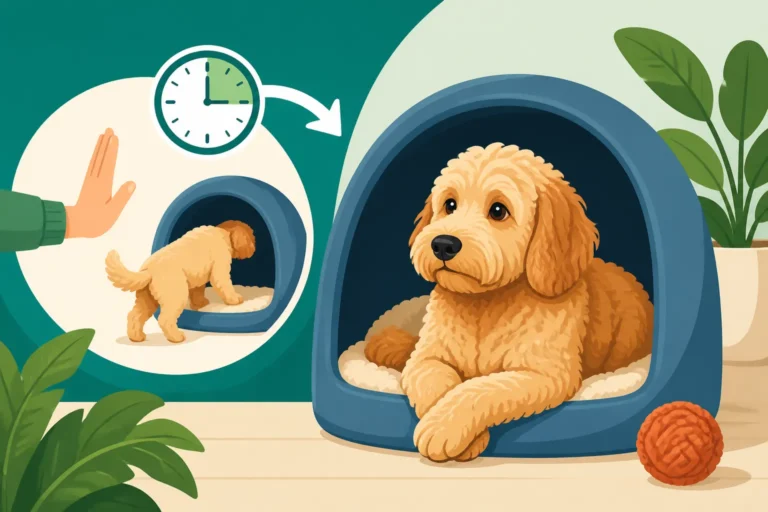
Goldendoodle Exercise at Thirty to Sixty Minutes
It’s a common frustration for Goldendoodle owners: you’ve heard they need exercise, but what does that really mean? Just tossing a ball in the yard for a few minutes often isn't enough, but a marathon isn't always feasible either. This guide is here to break down what thirty to sixty minutes of Goldendoodle exercise actually looks like, how to make it effective, and why hitting this sweet spot is crucial for a happy, well-adjusted companion.
Understanding Your Goldendoodle's Energy Levels
When you bring a Goldendoodle into your life, you're signing up for a dog with a delightful blend of two highly intelligent and energetic breeds. It's easy to assume they're just "fluffy and friendly," but underneath that charming coat lies a substantial engine that needs regular fuel in the form of physical and mental activity. Ignoring this fundamental need is one of the quickest routes to behavioral challenges.
Inherited Drives: The Golden Retriever's Stamina
Let's face it, the Golden Retriever side of your Goldendoodle brings a robust working dog heritage. These dogs were bred for endurance, for retrieving waterfowl all day long, often in challenging conditions. That innate drive for activity and perseverance doesn't just disappear because they've been mixed with a Poodle. You'll often see this in their enthusiasm for fetching, their love of swimming, and their seemingly endless reserves of energy when out on a walk. They’re not content with a quick sniff around the block; they want to go somewhere, to do something, and to experience the world with you.
This means your Goldendoodle likely possesses a good deal of stamina. They can often keep up with you on longer hikes or jogs, and they thrive on consistent movement. If they don't get an appropriate outlet for this energy, it doesn't just vanish. Instead, it can manifest as restless pacing, incessant barking, destructive chewing, or even an inability to settle down indoors. It’s not misbehavior; it’s simply stored energy finding an undesirable release.
Poodle Intelligence and Need for Engagement
Then there's the Poodle, a breed renowned not only for its elegant looks but for its keen intelligence and active mind. Poodles were originally water retrievers, too, so they also come with a working dog background. This means they need more than just physical exertion; they crave mental stimulation. A Goldendoodle often inherits this sharp intellect, which means a simple walk, while good for their body, might not fully satisfy their busy brain.
A bored Goldendoodle can be just as problematic as an under-exercised one. They might invent their own games, which could involve reorganizing your shoe collection, "redecorating" your couch cushions, or figuring out how to open the pantry door. Incorporating mental challenges into their daily routine is just as vital as physical activity. Think of it as exercising their mind muscles, which can actually tire them out more effectively than just endless running.
Why 'Thirty to Sixty Minutes' Isn't a Hard Rule
While "thirty to sixty minutes" is a great guideline, it's really more of a starting point than a strict rule for Goldendoodle exercise. The truth is, every Goldendoodle is an individual. Factors like their size, age, genetic makeup (some lean more Golden, some more Poodle), and even their individual personality will dictate their specific needs. A toy Goldendoodle, for instance, might be perfectly content with two energetic 20-minute play sessions, while a standard Goldendoodle might need closer to 90 minutes broken up throughout the day.
It's crucial to observe your own dog. Are they still bouncing off the walls after an hour-long walk? Do they settle down easily, or are they constantly pestering you for attention? These cues are your best indicators of whether you're hitting their personal exercise sweet spot. This general timeframe also often refers to structured, focused exercise, not just milling about in the yard. Remember that puppies and senior dogs will have different requirements, which we'll delve into later. For now, think of 30-60 minutes as the baseline for a healthy adult Goldendoodle, but be prepared to adjust it based on their unique needs and your vet's advice.
The Core Components of a Goldendoodle Exercise Routine
To truly meet your Goldendoodle's exercise needs, you'll want to think beyond just one type of activity. A well-rounded routine incorporates a variety of physical outlets, engaging both their body and their natural instincts. It’s about building a balanced lifestyle that keeps them happy, healthy, and engaged, rather than just waiting for the next burst of energy to be released.
Daily Walks: More Than Just a Potty Break
For most Goldendoodles, daily walks are the cornerstone of their exercise routine. But let's be honest, for many of us, a walk becomes a quick trip around the block for potty breaks and maybe a quick sniff. For a Goldendoodle, a walk should be an adventure. This means allowing them time to explore, sniff, and experience their environment. While a structured walk with good leash manners is important, don't underestimate the mental stimulation that comes from sniffing new smells and investigating interesting sounds. These sensory inputs can be just as tiring as physical exertion.
Aim for at least one longer walk (20-30 minutes) and perhaps a couple of shorter ones throughout the day. Consider varying your routes to keep things interesting. Exploring a new park, a different neighborhood, or even a local nature trail can provide a wealth of novel scents and sights. Equipping yourself with a comfortable harness, like those readily available on Amazon, can make these walks more enjoyable for both of you, especially if your Goldendoodle is still learning Goldendoodle Leash Pulling by Size Category. Remember, a walk isn't just about moving forward; it's about experiencing the world together.
Active Play Sessions: Fetch, Chase, and Tug
Beyond walks, active play sessions are where your Goldendoodle can really let loose and burn off steam in a more intense way. These are typically high-energy bursts that tap into their natural retriever instincts. Fetch is almost universally loved by Goldendoodles, whether it's with a tennis ball, a frisbee, or a favorite squeaky toy. The repetitive motion of running, chasing, and bringing back the toy is incredibly satisfying for them and excellent for cardiovascular health.
Tug-of-war is another fantastic option, especially for building a strong bond and teaching impulse control. Just ensure you set clear rules, such as "drop it" on command, so it remains a fun game and not a power struggle. Chase games, either with you or another dog, also allow them to use their speed and agility. These play sessions can be done in a securely fenced yard, a dog park, or even a spacious indoor area. Twenty minutes of vigorous fetch can be far more tiring than an hour of leisurely strolling, so incorporate these bursts of intensity into your daily routine. Don't forget, even indoor games can count towards their exercise quota, especially during bad weather. Consider interactive toys that you can use to initiate chase games inside.
Structured Activities and Dog Sports
For Goldendoodle owners who want to go the extra mile or have a particularly high-drive dog, structured activities and dog sports offer incredible outlets. Goldendoodles often excel in activities like agility, obedience, rally, and even dock diving, thanks to their intelligence, eagerness to please, and athletic build. These activities provide a powerful combination of physical exercise and mental challenge, requiring dogs to learn commands, navigate obstacles, and work closely with their human partners.
Even if competing isn't your goal, taking a class can be hugely beneficial. A basic obedience class, for example, not only refines manners but also provides a structured environment where your Goldendoodle has to focus and learn, which is incredibly mentally taxing. Look for local dog training clubs or facilities that offer introductory courses. You might find your Goldendoodle absolutely thrives on having a "job" to do, and these types of activities build confidence, strengthen your bond, and provide an excellent way to direct their energy productively. Many online programs, such as BAXTER & Bella, also incorporate elements of structured play and training that can lay a foundation for more advanced sports.
Making the Most of Your Goldendoodle's Daily Exercise
Getting your Goldendoodle enough exercise isn't just about the quantity of time; it's about the quality of the activity and how well it fits into your daily life. A smart approach can make a huge difference in how effective those thirty to sixty minutes truly are, and how sustainable the routine is for both you and your furry friend.
Consistency is Key: Building a Routine
Dogs, Goldendoodles included, thrive on routine. While occasional spontaneous adventures are great, having a consistent daily schedule for exercise provides stability and helps manage their energy levels. If your Goldendoodle knows roughly when their walk or play session is coming, they tend to be calmer and more settled in between. Imagine the difference between not knowing when your next meal is coming versus knowing it's always at the same time – it reduces anxiety!
Try to establish specific times for walks, backyard play, or trips to the park. For example, a brisk morning walk to start the day, an active play session in the afternoon, and a calmer evening stroll. This doesn't mean you need to be rigidly clock-watching, but aiming for similar blocks of time helps their internal clock and expectations. Consistency also allows you to track their energy levels better and notice any changes that might indicate a need for more or less activity, or even a health concern. Goldendoodle Puppy Vaccination Timing discussions often highlight routine importance in early life.
Varying Your Activities: Keeping Things Fresh
Monotony can make even the most enthusiastic Goldendoodle lose interest. Walking the exact same route every single day, or playing the same game of fetch endlessly, can become predictable and less mentally engaging. While consistency in timing is good, consistency in activity type can lead to boredom. To truly make those 30-60 minutes count, mix it up! One day, it might be a long sniffy walk in the woods; the next, a trip to a dog-friendly beach for swimming; and another, a high-energy game of fetch in the park.
Introducing variety stimulates their senses, challenges their brain, and keeps them excited about exercise. For example, if you usually do a sidewalk walk, try a grass field or a gravel path the next day. If fetch is your go-to, try hiding toys for them to "hunt" (a basic form of scent work). Even just taking a different loop in your neighborhood can offer new smells and sights. Think about what your Goldendoodle enjoys most and rotate through those activities, ensuring you hit both physical and mental stimulation. This keeps them guessing, engaged, and less likely to fall into a rut.
Exercising Safely: Weather and Health Considerations
When planning your Goldendoodle's exercise, safety should always be paramount. This means being mindful of weather conditions and your dog's individual health. Goldendoodles, especially those with thicker, curlier coats, can be prone to overheating in hot, humid weather. Their beautiful double coats, while great for insulation, can trap heat. During summer months, adjust exercise times to early mornings or late evenings when temperatures are cooler. Always carry water and offer frequent breaks. On the flip side, extremely cold weather can also pose risks, especially for paw pads, so consider dog booties for prolonged outdoor activities if you live in a snowy climate.
Beyond weather, be aware of your Goldendoodle's physical condition. A young puppy’s growth plates are still developing, so over-exercising with too much high-impact activity can lead to joint problems later in life, such as Goldendoodle Hip Dysplasia and the OFA Numbers. Senior Goldendoodles, on the other hand, might have arthritis or other age-related issues that require gentler, shorter bursts of activity. Always consult your vet if you notice limping, excessive panting, or unusual fatigue. Knowing your dog's Goldendoodle Joint Health by Size Category is crucial for appropriate exercise planning. For puppies, the general rule of thumb is 5 minutes of structured exercise per month of age, twice a day, until they're fully grown.
Beyond Physical: Mental Stimulation for Your Goldendoodle
Many owners focus solely on physical exercise, thinking that a tired dog is a good dog. While true to an extent, a Goldendoodle's intelligent Poodle lineage means their brain needs just as much of a workout as their body. Neglecting mental enrichment can lead to a dog that's physically exhausted but still prone to mischief and anxiety because their minds are under-stimulated.
Puzzle Toys and Enrichment Games
Puzzle toys are an absolute godsend for intelligent dogs like Goldendoodles. These toys require your dog to figure out how to get treats or kibble out, engaging their problem-solving skills and keeping them focused. Options range from simple treat-dispensing balls to more complex sniffle mats and interactive feeders that require multiple steps. You can find a huge variety of these on Amazon, often designed to suit different levels of difficulty. Starting with easier ones and gradually introducing more challenging puzzles can keep your Goldendoodle engaged and prevent frustration.
Beyond structured puzzle toys, you can create your own enrichment games. "Find It" is a simple but effective game where you hide treats around the house and encourage your Goldendoodle to sniff them out. This taps into their natural scenting abilities and provides immense mental satisfaction. Rotating these toys and games keeps them novel and exciting. Think of these as brain teasers that provide a quiet, focused way to expend mental energy, which can be surprisingly tiring for them. Consider feeding some or all of their meals in a puzzle feeder to make mealtime an enriching experience rather than just a quick gulp.
Training Sessions as Mental Work
Don't underestimate the power of training as a form of mental exercise. Even if your Goldendoodle knows all their basic commands, short, regular training sessions can be incredibly beneficial. Learning new tricks, practicing advanced obedience cues, or refining their existing skills requires focus, problem-solving, and self-control. This cognitive effort can be just as exhausting as a brisk walk, if not more so. Aim for 10-15 minute sessions a couple of times a day, keeping them fun and positive.
For example, you could teach your Goldendoodle to "put away" their toys, or to differentiate between different items by name. Working on impulse control exercises, like "leave it" with a tempting treat or waiting patiently at the door, provides immense mental benefit. Online training programs, such as BAXTER & Bella, often have structured lessons that blend physical activity with mental tasks, making it easier to integrate this into your routine. This kind of mental work not only tires them out but also strengthens your bond and improves their overall manners, making them a more pleasant companion. The Thinking Work That Actually Tires a Goldendoodle is truly invaluable.
Scent Work and Nose Games
Goldendoodles, with their Golden Retriever heritage, have fantastic noses. Tapping into this natural ability through scent work or nose games is a wonderful way to provide mental enrichment and can be done almost anywhere. Scent work involves teaching your dog to find specific odors, but you can start with simpler versions right at home. Hide-and-seek with a favorite toy or a handful of kibble is a great entry point. Start easy, letting them see where you hide it, then gradually increase the difficulty.
You can hide treats under cups, in different rooms, or even outdoors in the grass. Encourage them to use their nose, praising them enthusiastically when they succeed. This activity is naturally calming and highly engaging because it requires deep concentration. It’s also incredibly accessible; you don’t need any fancy equipment, just some treats and a willingness to play. Even a short 15-minute session of nose games can leave your Goldendoodle feeling satisfied and pleasantly tired, proving that not all exercise needs to be high-impact. It's a fantastic way to engage their primal instincts in a safe and fun way.
Common Goldendoodle Exercise Mistakes and How to Avoid Them
Even with the best intentions, it's easy to fall into common traps when it comes to exercising your Goldendoodle. Understanding these pitfalls can help you fine-tune your approach and ensure your furry friend is getting exactly what they need, without inadvertently causing problems.
Under-Exercising Leads to Problem Behaviors
One of the most frequent mistakes owners make is underestimating their Goldendoodle's exercise needs. This isn't just about physical exertion; it's about failing to provide sufficient outlets for both their physical stamina and their sharp minds. When a Goldendoodle is consistently under-exercised, that pent-up energy and boredom have to go somewhere, and it rarely manifests in ways we appreciate. You might suddenly find your shoes chewed to bits, frantic barking at every sound, constant "zoomies" around the house, or persistent nipping and jumping.
These aren't signs of a "bad" dog; they're often clear signals of a dog crying out for more appropriate stimulation. Think of it from their perspective: they have all this energy, all this intelligence, and nothing to do with it. Your antique chair might just become the most exciting thing they can find to engage with. If you're struggling with behavioral issues, honestly assess your Goldendoodle's daily routine. Are they truly getting 30-60 minutes of quality physical exercise, plus dedicated mental work? Often, increasing and diversifying their exercise can resolve many unwanted behaviors without needing more complex training interventions. Goldendoodle Behavior Problems That Start in Puppyhood can often be mitigated by consistent, appropriate exercise.
Over-Exercising a Developing Puppy
While under-exercising is a common issue, over-exercising a Goldendoodle puppy can be just as detrimental, if not more so, in the long run. Goldendoodle puppies, like all large and medium-sized breeds, have developing growth plates in their bones. These soft areas don't fully close until they are 12-18 months old, depending on their size. Too much high-impact, repetitive activity before these plates are closed can cause serious damage and lead to lifelong joint problems like arthritis or even exacerbate predispositions to conditions such as Goldendoodle Hip Dysplasia at 15 to 20 Percent.
This means no forced long runs, no excessive jumping, and no intense, prolonged fetch sessions with a young puppy. Their enthusiasm often masks their physical limitations. Instead, focus on shorter, more frequent play sessions (think 5 minutes per month of age, twice a day, as a general guide) and free play in a safe, soft environment like grass. Let them dictate the pace and duration of play, and intervene if they seem to be overdoing it. A good breeder will emphasize this, and discussions about Goldendoodle Puppy Growth Chart by Size should always include exercise moderation. It's far better to err on the side of caution when it comes to protecting their developing joints.
Ignoring the Need for Impulse Control
Goldendoodles are often exuberantly friendly and full of zest, but this boundless energy can sometimes manifest as a lack of impulse control. This isn't just about jumping on guests; it extends to how they interact with their environment during exercise. A Goldendoodle that pulls frantically on the leash, lunges at other dogs or squirrels, or can't calm down after an exciting play session is struggling with impulse control. These behaviors can make walks stressful and less enjoyable, and even dangerous in certain situations.
Incorporating impulse control exercises into your training and daily routine is crucial. This means teaching "wait" before opening the door, "leave it" when encountering interesting smells or objects on a walk, and "settle" when playtime is over. Games like "fetch with a wait" (where they have to wait for your release cue before chasing the ball) are excellent for this. The BAXTER & Bella online program places a strong emphasis on these skills. When your Goldendoodle learns to control their impulses, their exercise becomes more productive and safer, and their overall demeanor becomes calmer and more manageable. Goldendoodle Impulse Control Exercises are as important as the physical activity itself.
Adjusting Exercise for Different Goldendoodle Life Stages
Just like humans, Goldendoodles' exercise needs change throughout their lives. What's appropriate for a rambunctious puppy won't be suitable for a mellow senior, and failing to adjust can lead to health problems or behavioral issues. Understanding these life stages is key to providing optimal care.
Puppy Play: Protecting Growing Joints
Goldendoodle puppies are bundles of boundless energy, and it can be tempting to let them run and play endlessly. However, as we discussed, their developing growth plates are extremely vulnerable. During puppyhood (roughly 8 weeks to 12-18 months, depending on size), focus on controlled, low-impact exercise. Short, frequent play sessions are ideal. Think of several 10-15 minute bursts of activity spread throughout the day, rather than one long hour-long session.
Good puppy exercise includes gentle games of fetch on soft surfaces like grass, exploring a safe, fenced yard, or supervised play with other calm, vaccinated puppies. Avoid activities that involve repetitive jumping, long-distance running on hard surfaces, or extensive stair climbing. Even walks should be shorter and more focused on exploring and sniffing rather than covering long distances. This period is also crucial for Goldendoodle Puppy Vaccination Timing to ensure they're protected before extensive outdoor adventures. Prioritizing mental stimulation through puzzle toys and short training sessions can help tire them out without stressing their joints.
Adult Goldendoodles: Maintaining Fitness
Once your Goldendoodle reaches adulthood (typically around 12-18 months, depending on their mature size), their exercise needs generally settle into that 30-60 minute sweet spot per day, sometimes more for particularly high-energy individuals. At this stage, their growth plates have closed, and they can safely engage in a wider range of activities. This is the time to really build their fitness and stamina.
Adult Goldendoodles benefit from a mix of activities: daily brisk walks or jogs, enthusiastic games of fetch, swimming (if they enjoy it), and opportunities for off-leash running in secure areas. If you're an active person, your Goldendoodle might be a great companion for hiking or trail running. Mental stimulation remains crucial; incorporate training, puzzle toys, and scent games regularly. Maintaining a healthy weight through proper nutrition and exercise is paramount for preventing joint issues later in life. Keep an eye on their body condition, especially since their fluffy coat can hide weight gain; you should be able to feel their ribs without pressing too hard. Goldendoodle Weight and the Load on Its Joints directly correlates with overall fitness and longevity.
Senior Goldendoodle Modifications
As your Goldendoodle enters their senior years (typically around 8-10 years old, again, depending on size), their exercise needs will gradually shift. They might not have the same stamina or desire for intense play, and underlying conditions like arthritis or joint stiffness become more common. This doesn't mean stopping exercise; it means modifying it to ensure comfort and continued mobility.
Focus on shorter, more frequent, and gentler activities. Daily slow walks, perhaps multiple times a day for 10-20 minutes each, can help maintain muscle tone and joint flexibility without causing pain. Swimming can be excellent for seniors as it’s non-weight-bearing. Mental stimulation is still vital; gentle nose games and easy puzzle toys can keep their minds sharp. Pay close attention to any signs of discomfort like limping, stiffness, or reluctance to move. Your vet can recommend supplements or pain management strategies to keep them comfortable. Regular vet check-ups are especially important during these years, as discussed in Senior Goldendoodle Vet Visits After Nine, to monitor their health and adjust their exercise plan accordingly. The goal is to keep them moving and engaged for as long as possible, adapting to their changing capabilities.
Disclaimer
This article is for general informational purposes only and does not constitute professional advice. Laws, prices and regulations vary by location and change over time. Consult a qualified professional for guidance on your specific situation.