Goldendoodle Dog Park Manners
Taking your Goldendoodle to the dog park can feel like a rite of passage, a way to let them burn off energy and socialize. But often, the reality falls short of the ideal, leaving you pulling your enthusiastic pup away from an overwhelmed peer, or worrying about an unexpected squabble. This guide is here to walk you through how to properly prepare your Goldendoodle for the unique dynamics of a dog park, ensuring a safer and more enjoyable experience for everyone involved.
Understanding Goldendoodle Play Style at the Dog Park
Goldendoodles are often celebrated for their friendly and outgoing personalities, which sounds perfect for a dog park, right? Well, sometimes their very enthusiasm can be a double-edged sword. While their intent is almost always pure, their execution of play can sometimes be misunderstood by other dogs, leading to less-than-ideal interactions. Understanding your Goldendoodle's natural tendencies is the first step toward successful dog park visits.
The Goldendoodle's Inherited Eagerness to Greet
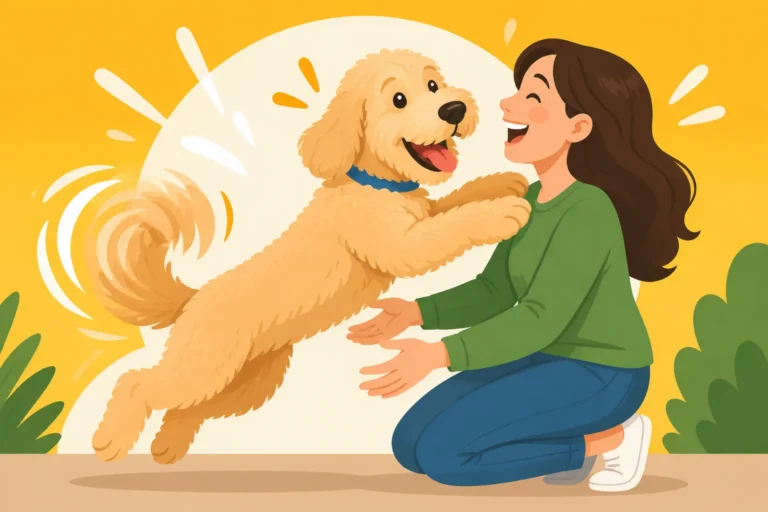
Goldendoodles inherit a wonderful blend of traits from their Golden Retriever and Poodle parents. From the Golden Retriever side, you often get that classic, happy-go-lucky, "everyone's my friend" attitude. They love people, they love other dogs, and they approach life with an almost boundless optimism. This can manifest as a very eager greeting, rushing up to new dogs and people with a wagging tail and an open mouth, sometimes even jumping.
However, not all dogs appreciate such a boisterous welcome. A smaller, shyer, or more reserved dog might find this direct, high-energy approach intimidating or even threatening. What your Goldendoodle sees as an invitation to play, another dog might perceive as rude or aggressive. It's crucial for us, as their guardians, to understand that our Goldendoodle's good intentions don't automatically translate into good manners in a diverse dog crowd. It's really about teaching them how to modulate that enthusiasm. If you're curious about the building blocks of their personality, take a look at What a Goldendoodle Inherits From Each Parent Breed.
Managing Over-Exuberance and Jumpiness
That inherited eagerness often comes with a healthy dose of exuberance, especially in younger Goldendoodles. They can be incredibly playful, wanting to run, chase, and engage with every dog they see. This energy is fantastic for physical exercise, but it needs to be channeled appropriately. Unchecked jumpiness on other dogs or people, even in play, can lead to accidental injuries, fear responses from other animals, or simply annoyance from their owners.
It’s easy to let this slide in the moment, thinking, "Oh, they're just playing!" But allowing your Goldendoodle to practice over-the-top greetings or play without interruption reinforces these behaviors. The dog park isn't a free-for-all; it requires constant supervision and intervention from you to ensure your Goldendoodle is being a polite member of the canine community. Before you even set foot in a dog park, there's some groundwork that can make a world of difference in managing these tendencies.
Essential Training Before Your First Dog Park Visit
Thinking about unleashing your Goldendoodle into the wild world of the dog park? Hold up! A successful and safe dog park experience isn't about hoping for the best; it's about preparation. There are a few foundational training pieces that are absolutely non-negotiable for any dog, especially a Goldendoodle, that you plan to take to an off-leash environment with other dogs and people. Without these, you're rolling the dice on potential problems.
Solid Recall is Non-Negotiable
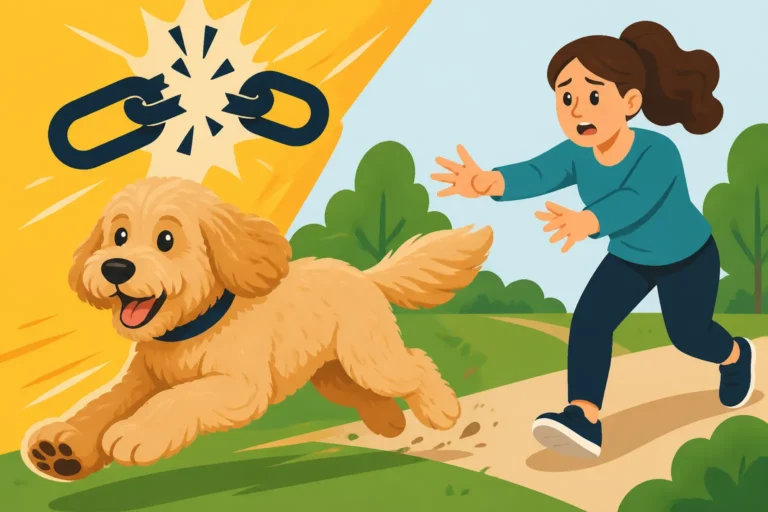
This is perhaps the most critical skill for a dog park dog. Your Goldendoodle must come back to you every single time you call, no matter how exciting the distractions. Imagine a situation where your Goldendoodle is playing too roughly, or charging toward a dog that's clearly giving "leave me alone" signals, or even worse, heading toward an open gate or street. If your recall isn't rock solid, you're putting your dog and others at risk.
Start practicing recall in low-distraction environments like your backyard, using high-value treats and enthusiastic praise. Gradually increase distractions, like a friend playing with another dog in the distance. Many Goldendoodles have a strong retriever drive, which can be an asset here – make recall a fun game of coming back to you for a reward! Consider investing in a long line from Amazon to safely practice recall in larger, open spaces before fully trusting them off-leash. This way, you can build up their reliability without the risk of them running off. You can find more tips on this in Goldendoodle Recall and the Retriever Half and Long Line Practice With a Goldendoodle.
Practicing Impulse Control in Distracting Environments
Goldendoodles are intelligent and eager to please, which means they're usually quick learners. This is fantastic when it comes to teaching them impulse control, a skill vital for dog park success. Impulse control means your Goldendoodle can resist the urge to do something exciting (like chase a squirrel, jump on a new dog, or snatch a dropped treat) until you give them the okay. Commands like "Leave It," "Stay," and "Wait" are your best friends here.
Practice "Leave It" with tempting objects like toys or food on the ground. Gradually move this practice to more stimulating environments, such as a busy sidewalk or an outdoor cafe. The goal is for your Goldendoodle to look to you for direction, rather than acting on every impulse. This kind of self-control not only keeps them safe but also makes them a much more enjoyable companion in any public setting. Programs like BAXTER & Bella offer structured guidance on building these foundational behaviors from puppyhood, which can be incredibly helpful. Understanding Goldendoodle Impulse Control Exercises will set your pup up for success.
On-Leash Manners and Entering the Dog Park Safely
The moment you step foot near a dog park, the energy shifts. The smells, the sounds, the sight of other dogs playing—it's incredibly stimulating for your Goldendoodle. This is where good on-leash manners become paramount, not just for safety, but for setting a positive tone for their entire visit. How you handle the entrance can significantly impact the rest of your time there.
Avoiding the Frantic Leash Greetings
It's a common sight: a dog on-leash spies another dog and immediately starts pulling, barking, or whining in anticipation. For Goldendoodles, their friendly nature can easily translate into this kind of frantic greeting behavior. However, leashed greetings at the dog park gate are a recipe for disaster. Dogs are often more reactive and tense on leash, and a direct, high-energy approach from your Goldendoodle can trigger defensiveness or fear in another leashed dog.
Instead, teach your Goldendoodle to walk calmly past other dogs and people on the leash. Practice a loose-leash walk well before you get to the park. As you approach the gate, ask for a sit or a heel, and wait for a moment of calm before you enter. If your dog is dragging you in, turn around and try again. The goal is to teach them that the fun only begins when they are calm and polite. You want to walk in, not be pulled in. If leash manners are a struggle, check out Goldendoodle Leash Pulling by Size Category for more specific training tips.
Reading Dog Body Language (Yours and Others')
One of the most valuable skills you can develop as a dog park regular is the ability to read canine body language. This goes for your Goldendoodle, the other dogs in the park, and even yourself. Is your Goldendoodle's tail high and stiff, or relaxed and wagging? Are they making direct eye contact with another dog in a challenging way, or are they offering play bows and looking away? Are the other dogs enjoying the interaction, or are their hackles raised, ears pinned back, or are they trying to disengage?
Beyond that, be mindful of your own body language. If you're tense and anxious, your Goldendoodle will pick up on that. Project calm confidence. Pay attention to the subtle cues. A quick lip lick, a yawn, or turning away can signal stress in your dog or another. Learning these signals allows you to intervene before a situation escalates. Don't be afraid to pull your Goldendoodle aside, or even leave, if you sense the dynamics are shifting negatively. Knowing when to simply walk away is a sign of a responsible owner.
Supervising Play and Knowing When to Leave
Once inside the dog park, the real work begins: active supervision. It’s not a place to scroll through your phone or chat with friends while your Goldendoodle runs wild. Your job is to be an engaged observer and, when necessary, a proactive intervener. Goldendoodles, with their energy and often boisterous play, require careful monitoring to ensure they are being good citizens.
Intervening in Inappropriate Play
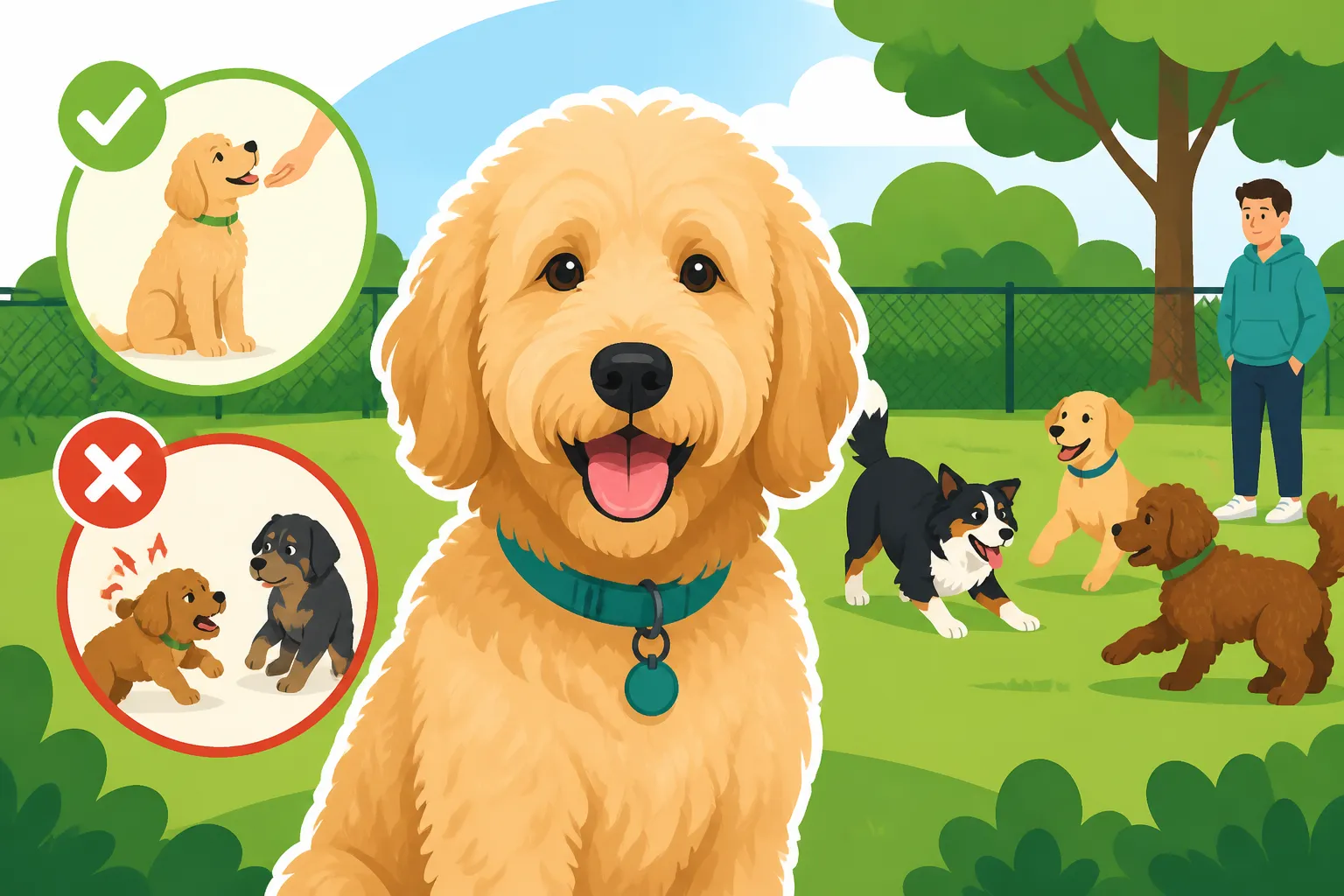
Goldendoodles typically love to play, but their play style can range from gentle to quite rough. It's crucial to distinguish between healthy, consensual play and something that's crossing the line. Signs of inappropriate play include: constant bullying (one dog always chasing another without roles reversing), excessive humping, growling that sounds genuinely aggressive (not play growls), dogs ganging up on a single dog, or a dog repeatedly pinning another down. Your Goldendoodle might also engage in too much mouthing or puppy biting, which some older or more sensitive dogs won't appreciate.
If you see these behaviors, intervene immediately. Call your Goldendoodle away, put them on a short leash for a brief "time out," or redirect them with a toy or a quick training exercise. Don't be shy about advocating for your dog or for another dog in the park. A simple "let's take a break" and guiding your dog away can de-escalate a situation. Remember, the goal is for everyone to have a positive experience, and that sometimes means stepping in. Understanding Goldendoodle Puppy Biting and Mouthing can help you differentiate play bites from something more concerning.
Signs Your Goldendoodle Needs a Break or to Go Home
Even the most social Goldendoodle can get overstimulated or tired at the dog park. Knowing when it's time to take a break or head home is just as important as knowing when to intervene in play. Watch for signs of fatigue, such as excessive panting, lagging behind, or seeking shade and solitude. Overstimulation can also manifest as increased jumpiness, nipping, or an inability to settle. Some Goldendoodles might even start to display "stress behaviors" like excessive sniffing, self-grooming, or lip-licking when they're no longer enjoying themselves.
It’s always better to leave on a good note than to wait until a problem arises. If your Goldendoodle has had a good 20-30 minutes of play and is starting to show signs of winding down or getting a bit too rowdy, that's your cue. End the visit positively with a treat and praise, and then calmly head out. Consistency in ending visits on a good note will help ensure your Goldendoodle continues to associate the dog park with positive experiences. For more insights on how Goldendoodles engage with their peers, read Goldendoodle Play Style With Other Dogs.
| Behavior Type | Positive Dog Park Manners | Behaviors to Intervene/Correct |
|---|---|---|
| Greetings | Approaches calmly, sniffs politely, offers play bow | Rushes, jumps, barks excessively, makes direct hard eye contact |
| Play | Takes turns chasing, self-handicaps (e.g., lies down for smaller dogs), takes breaks, seeks owner attention | Constant pinning, body slamming, relentless chasing, aggressive growling, bullying one dog |
| Recall | Comes immediately when called, even from play | Ignores commands, "selective hearing," continues playing |
| Impulse Control | Leaves dropped items, waits patiently at gates | Sniffs other people's bags, tries to steal toys/treats, counter-surfs on picnic tables |
| Overall Demeanor | Relaxed body language, appropriate energy levels, checks in with owner | Stiff body, raised hackles, excessive panting/stress signals, frantic/uncontrolled energy |
Remember, a tired Goldendoodle isn't just physically tired; they've also had mental stimulation. Sometimes, a good long walk or The Thinking Work That Actually Tires a Goldendoodle can be more beneficial than an overstimulating dog park visit. Building Socializing a Goldendoodle Beyond Hyper-Friendliness is also key to creating a well-adjusted companion, not just a friendly one.
Disclaimer
This article is for general informational purposes only and does not constitute professional advice. Laws, prices and regulations vary by location and change over time. Consult a qualified professional for guidance on your specific situation.