Goldendoodle Hip Dysplasia and the OFA Numbers
It's incredibly disheartening and often financially terrifying to imagine your beloved Goldendoodle, full of life and boundless energy, suddenly struggling with a painful condition like hip dysplasia. The worry about their future mobility and the potential costs of treatment can weigh heavily on any dog parent. This comprehensive guide is here to unravel the complexities of Goldendoodle hip dysplasia, specifically focusing on the critical role of OFA numbers in understanding, preventing, and managing this challenging health issue.
Understanding Goldendoodle Hip Dysplasia
Hip dysplasia is a complicated condition that affects many large breed dogs, and unfortunately, Goldendoodles are not immune. It’s more than just a little limp; it’s a structural issue that can lead to significant pain and mobility problems over time.
What is Hip Dysplasia Anyway?
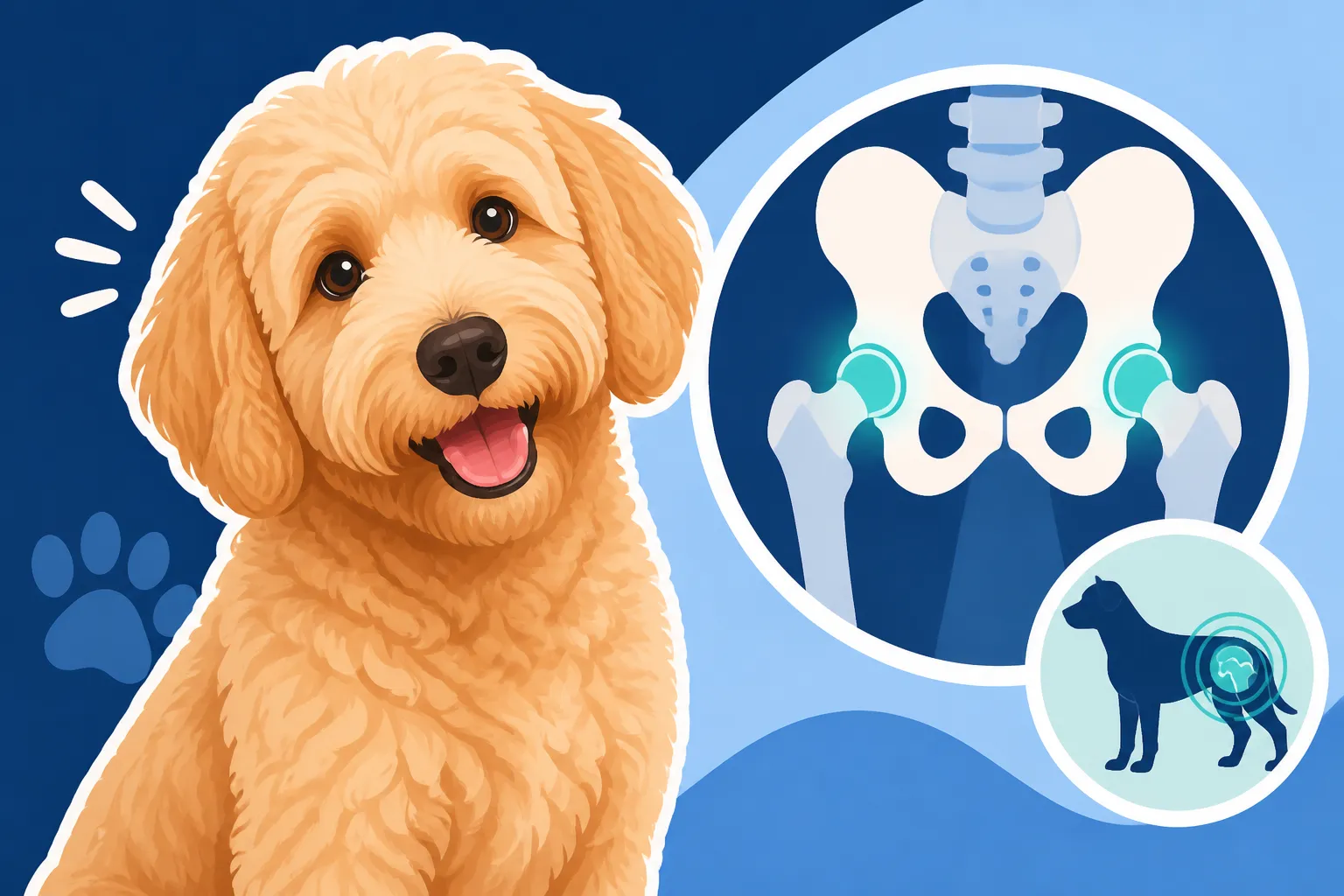
At its core, hip dysplasia is a malformation of the hip joint. Imagine a ball-and-socket joint – the "ball" is the head of the femur (thigh bone), and the "socket" is the acetabulum, part of the pelvis. In a healthy hip, these fit snugly together, allowing for smooth, fluid movement. With hip dysplasia, this fit isn't quite right. The socket might be too shallow, the ball might be flattened, or the ligaments holding them together might be too loose. This poor fit causes instability, leading to grinding, laxity, and eventually, the breakdown of cartilage and the development of painful arthritis.
While genetics play a huge role, it's not the only factor. Environmental influences like rapid growth, inappropriate exercise for puppies, poor nutrition, and excessive weight gain can all exacerbate a predisposition to hip dysplasia. It’s a classic nature-nurture interplay, which makes it even more frustrating for owners trying to do everything right. It's not just a defect; it's a progressive disease that worsens with age and activity if not managed.
Why Goldendoodles Are Prone to It
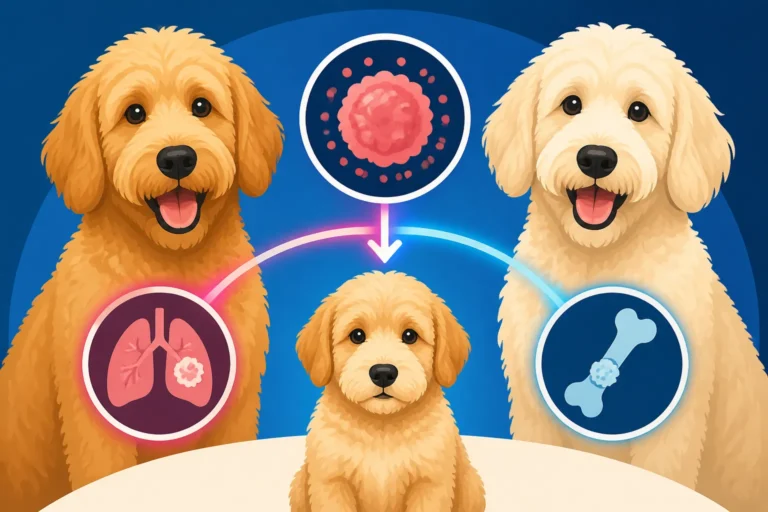
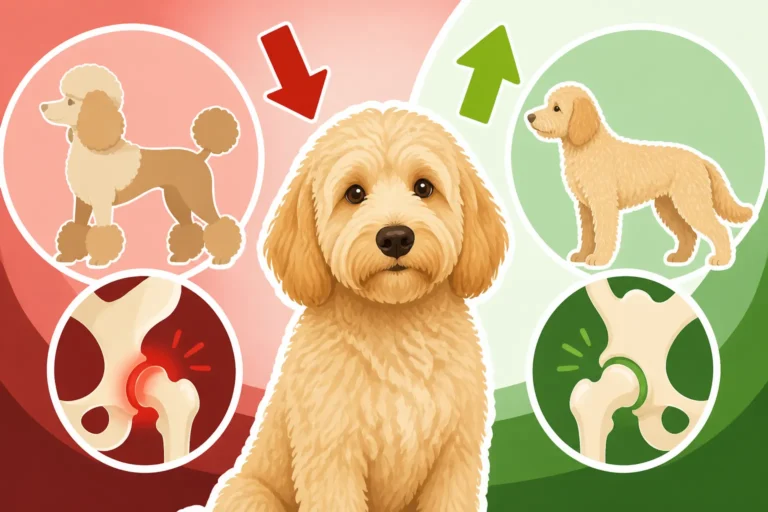
Goldendoodles inherit their genetic blueprint from two wonderful, but large, breeds: the Golden Retriever and the Poodle. Both of these parent breeds have known predispositions to hip dysplasia. Golden Retrievers, in particular, have a well-documented history of the condition, with studies often showing a significant percentage affected. Poodles, especially Standard Poodles, also carry a risk. When you combine these two lines, even with the concept of "hybrid vigor," the potential for passing on genes for hip dysplasia remains a real concern.
Estimates for Goldendoodle hip dysplasia can vary, but generally, figures like Goldendoodle Hip Dysplasia at 15 to 20 Percent are often cited, indicating that a notable portion of the population might be affected to some degree. This prevalence underscores why understanding the health history of a Goldendoodle's parents is absolutely paramount. It’s not about fear-mongering, but about being realistic and proactive. If you have an active Goldendoodle who loves to jump and run, any underlying joint weakness can become a bigger issue over their lifetime, potentially leading to conditions like Cruciate Tears in an Active Goldendoodle or early onset Goldendoodle Arthritis After the Age of Eight.
Early Signs and Symptoms
Detecting hip dysplasia early can make a big difference in managing the condition and maintaining your Goldendoodle’s quality of life. The tricky part is that symptoms can be subtle, especially in younger dogs who might mask their discomfort, or in those with milder forms of the disease.
Common signs to watch out for include:
- Limping or lameness: This might be intermittent or more noticeable after exercise or when getting up from rest. It can affect one or both hind legs.
- "Bunny hopping": Instead of moving each hind leg independently, your Goldendoodle might use both hind legs simultaneously to propel themselves forward, almost like a rabbit. This is an attempt to reduce strain on the hips.
- Reluctance to play or exercise: They might hesitate to jump, climb stairs, or engage in activities they once loved. A Goldendoodle is typically very playful, so a sudden decrease in enthusiasm for fetch could be a red flag.
- Difficulty getting up: You might notice them struggling to rise from a lying or sitting position, especially in the morning or after a nap.
- Stiffness or soreness: They might seem stiff, especially after periods of rest, or be sensitive to touch around their hips and hindquarters.
- Changes in gait: Their stride might seem shorter, or they might swing their hind legs instead of stepping normally.
- Muscle atrophy: Over time, you might observe a loss of muscle mass in their hind legs, as they try to avoid using the painful muscles.
If you notice any of these signs, don't delay in speaking with your veterinarian. Early diagnosis allows for a broader range of treatment options and can significantly improve your Goldendoodle's comfort and long-term prognosis.
The OFA Certification Process Explained
For decades, the Orthopedic Foundation for Animals (OFA) has been the gold standard for evaluating hip and elbow health in breeding dogs. For anyone looking to bring a Goldendoodle into their family, understanding OFA certifications is absolutely essential. It’s your window into a breeder’s commitment to health.
What the Orthopedic Foundation for Animals Does
The OFA is a not-for-profit organization established in 1966. Their primary mission is to promote the health and welfare of companion animals through health certification and research. While they cover a wide range of inherited diseases, their hip and elbow dysplasia database is perhaps their most well-known contribution. When a breeder submits X-rays to the OFA, they are reviewed by a panel of three independent, board-certified veterinary radiologists. These experts evaluate the structural integrity of the hip joints and assign a score based on a standardized grading system.
The goal of the OFA is to reduce the incidence of hip and elbow dysplasia in future generations by providing breeders with objective information about the health status of their breeding animals. This allows responsible breeders to make informed decisions, ideally breeding only those dogs that have demonstrably healthy hips and elbows. Without organizations like the OFA, or comparable programs like PennHIP, it would be much harder for prospective dog owners to gauge a breeder’s commitment to genetic health.
The X-Ray Procedure and Positioning
Obtaining an OFA hip certification isn't just about taking any old X-ray. There's a very specific protocol to ensure consistency and accuracy in the evaluation. Your veterinarian will need to take a single ventrodorsal extended hip view. This means the dog is positioned on its back, with its hind legs extended straight out and parallel to each other, and rotated slightly inward. This precise positioning is crucial because it allows the radiologists to clearly see the femoral heads and acetabula, and to assess joint laxity and conformation accurately.
Because this positioning can be uncomfortable, and dogs need to remain perfectly still for a clear image, sedation is almost always required. Your veterinarian will typically administer a mild sedative, ensuring the dog is relaxed and still during the procedure. This is not just for the dog’s comfort, but also for the quality of the X-ray, as even slight movement can blur the image and lead to an inconclusive reading. The X-rays are usually taken after the dog is 24 months old, as the hip joints are considered fully developed by this age, providing a more definitive assessment of their adult conformation.
Decoding OFA Hip Scores
Once the X-rays are submitted to OFA, the panel of radiologists evaluates them against specific criteria. They look for signs of joint laxity, bone spurs, shallow sockets, and other indicators of dysplasia. Based on their findings, they assign one of seven possible hip ratings:
- Excellent: Superior hip conformation. The femoral head fits deeply and snugly into a well-formed acetabulum.
- Good: Well-formed hip joint with good congruence. The femoral head fits well into the acetabulum.
- Fair: Passable hip conformation. The joint is open slightly, indicating minor laxity, but still considered within normal limits.
- Borderline: These hips are considered ambiguous. There are minor irregularities that prevent a definitive "normal" rating, but no clear evidence of dysplasia. OFA often recommends re-screening at a later date.
- Mild: Minor evidence of hip dysplasia, such as slight flattening of the femoral head or a shallow acetabulum.
- Moderate: Significant evidence of hip dysplasia, with noticeable subluxation of the femoral head and/or a shallow acetabulum.
- Severe: Marked evidence of hip dysplasia, with nearly complete subluxation, significant flattening, and often secondary arthritic changes.
For breeding purposes, only dogs rated Excellent, Good, or Fair are considered to have "passing" hip scores. Breeders aiming for the healthiest litters will often prioritize Excellent or Good ratings in their breeding stock. Understanding these scores is vital when reviewing a potential Goldendoodle puppy's parents' health records.
Interpreting OFA Hip Ratings for Goldendoodle Parents
When you're looking for a Goldendoodle puppy, one of the most important things a responsible breeder will share with you are the OFA hip ratings of the sire and dam. These aren't just arbitrary letters and words; they are crucial indicators of the genetic health a puppy might inherit.
What a "Passing" Score Really Means
As we just discussed, an OFA hip score of Excellent, Good, or Fair is considered "passing." For a breeder, this means the dog is deemed structurally sound enough in its hips to be used in a breeding program. However, there's a nuance here. While "Fair" is technically a passing grade, many top breeders strive for "Good" or "Excellent" ratings for their breeding stock. Why? Because while a Fair hip is within normal limits, it still indicates a slight degree of laxity or less-than-ideal conformation compared to an Excellent or Good hip. The goal is always to improve the health of the next generation, and breeding two Fair-rated dogs might produce offspring with a higher likelihood of Borderline or even Mild dysplasia.
Conversely, a Borderline, Mild, Moderate, or Severe rating indicates that the dog should absolutely not be bred. These dogs are either showing ambiguous signs that need re-evaluation (Borderline) or clear evidence of hip dysplasia. Breeding a dog with any of these non-passing scores is considered irresponsible, as it significantly increases the chances of their puppies inheriting the condition and experiencing pain and mobility issues later in life.
The Importance of Parent Clearances
This is where the rubber meets the road for prospective Goldendoodle owners. You must insist on seeing the OFA hip clearances for both parents of any puppy you are considering. A reputable breeder won't just tell you they had their dogs tested; they will provide you with the actual OFA certificates, which will include the dog's registered name, registration number, breed, date of birth, and the specific hip rating. Many OFA results are publicly searchable on the OFA website using the dog's registered name or number. This transparency is a cornerstone of ethical breeding.
Looking at the OFA results for both the sire (father) and dam (mother) allows you to gauge the genetic predisposition for hip dysplasia in the litter. If one parent has an "Excellent" rating and the other a "Good" rating, that's generally a very strong indicator of a breeder prioritizing hip health. If a breeder is only willing to show you one parent's results, or worse, offers vague assurances without documentation, that should be a major red flag. For a deeper dive into what to look for, refer to Reading an OFA Hip Result on a Goldendoodle Parent. Remember, you're not just buying a cute puppy; you're investing in a lifetime of health, and these clearances are your best defense against predictable inherited conditions.
Why You Won't Find a Goldendoodle "Breed" OFA Database
Here's where things get a little tricky for Goldendoodles. Because the Goldendoodle is a crossbreed, not a recognized purebred by organizations like the American Kennel Club (AKC), there isn't a dedicated "Goldendoodle breed" health scheme or an aggregated OFA database specifically for Goldendoodles as a whole. Each Goldendoodle's parents will be registered as either Golden Retrievers or Poodles (or other Goldendoodles in multigen lines). This means that while individual Goldendoodles can absolutely undergo OFA testing, and their results can be registered, there isn't a singular, comprehensive breed database for Goldendoodles like there would be for purebred Golden Retrievers or Poodles.
This lack of formal breed club recognition means that Goldendoodle breeders aren't typically held to a universal standard by a governing body. It places a greater burden on you, the prospective buyer, to meticulously research and verify the health testing practices of the individual breeder. This is why when looking for a Goldendoodle, it's crucial to understand Why a Goldendoodle Has No Breed Club Health Scheme and to hold breeders accountable for performing these critical tests on their breeding stock, even if there isn't a central "Goldendoodle" registry tracking it all. Each parent's OFA results will be under their respective purebred names (e.g., "Golden Retriever" or "Standard Poodle"), or the Goldendoodle name if they are multi-generational.
Beyond OFA: Other Hip Screening Methods and Considerations
While OFA is widely recognized, it's not the only method for evaluating hip health, nor is it the only factor to consider. A truly comprehensive approach to ensuring hip health in Goldendoodles involves understanding alternative screening methods, recognizing the limitations of genetic tests, and acknowledging the significant role of environmental factors.
PennHIP: A Different Approach
The PennHIP method, developed at the University of Pennsylvania Hip Improvement Program, offers an alternative and, some argue, more predictive way to assess hip laxity. Unlike OFA, which uses a single extended hip view, PennHIP utilizes three distinct radiographic views: the standard extended view (similar to OFA), a compression view, and a distraction view. The distraction view is key, as it provides a quantitative measurement of hip joint laxity, expressed as a "Distraction Index" (DI). A lower DI indicates tighter hips and a lower susceptibility to hip dysplasia.
One significant advantage of PennHIP is that it can be performed on puppies as young as 16 weeks, offering a much earlier indication of hip health compared to OFA's 24-month requirement. This allows breeders to identify potential issues sooner. While OFA provides a subjective, qualitative score (Excellent, Good, Fair), PennHIP offers an objective, quantitative measurement that can be compared to the DI of other dogs within the same breed, giving a percentile ranking. This comparison is particularly useful for breeders trying to select breeding stock with hips tighter than the breed average. For a more detailed comparison, check out PennHIP Against OFA for a Goldendoodle. Both methods have their merits, and some top breeders might even use both to get the most comprehensive picture of their dogs' hip health.
The Role of DNA Testing
It's a common misconception that DNA testing can directly diagnose or screen for hip dysplasia. Unfortunately, this isn't quite true. Hip dysplasia is a complex polygenic trait, meaning it's influenced by multiple genes working together, not just one. As such, there isn't a single, simple DNA test that can definitively say whether a dog will develop hip dysplasia or not.
However, DNA testing does play a crucial role in overall Goldendoodle health. While it can't directly screen for hip dysplasia, it can screen for other genetic diseases that are prevalent in the parent breeds, such as Progressive Retinal Atrophy and the Goldendoodle Eye Test, Von Willebrand Disease, or Addison's Disease a Goldendoodle Gets From the Poodle. Reputable breeders will run a full The DNA Panel a Goldendoodle Breeder Should Run on their breeding stock to ensure they are not passing on known genetic disorders that can be screened for via DNA. By eliminating these other genetic health risks, breeders can focus their efforts on reducing the incidence of polygenic conditions like hip dysplasia through careful selection based on OFA or PennHIP results. DNA testing is an important piece of the health puzzle, just not the piece that directly solves the hip dysplasia question.
Environmental Factors That Influence Hip Health
Even with impeccable genetic clearances, environmental factors play a huge role in the development and severity of hip dysplasia. A puppy with good genes can still develop problems if not properly managed, and conversely, a puppy with a genetic predisposition might live a comfortable life with careful environmental controls.
Key environmental factors include:
- Nutrition: Feeding a high-quality, balanced diet specifically formulated for large breed puppies is critical. Rapid growth, often encouraged by overfeeding or diets too high in certain nutrients (like calcium), can put undue stress on developing joints. Maintaining a lean body condition throughout life is paramount.
- Exercise: While Goldendoodles need plenty of exercise, appropriate exercise for puppies is key. High-impact activities like excessive jumping, long runs on hard surfaces, or frequent stair climbing should be avoided during their rapid growth phases (typically up to 12-18 months). Over-exercising a puppy can put excessive strain on their soft, developing growth plates and joints. Structured play and moderate walks are much better than intense, uncontrolled activity.
- Weight Management: This cannot be stressed enough. Goldendoodle Weight and the Load on Its Joints is a direct correlation. Even a few extra pounds can significantly increase the stress on hip joints, accelerating the progression of arthritis in dogs with or without a predisposition to dysplasia. Keeping your Goldendoodle lean and fit throughout their life is one of the most impactful things you can do to protect their joint health.
- Slippery Surfaces: Repeated slipping and splaying on hardwood or tile floors can put unnatural stresses on a puppy's developing hips. Providing rugs or runners in high-traffic areas can help.
By understanding and controlling these environmental factors, owners can do their part to support their Goldendoodle's hip health, complementing the genetic efforts made by responsible breeders.
Managing and Treating Goldendoodle Hip Dysplasia
Receiving a diagnosis of hip dysplasia for your Goldendoodle can feel overwhelming, but it's important to remember that there are many effective ways to manage the condition and ensure your dog maintains a good quality of life. The approach often depends on the severity of the dysplasia, the dog's age, and your financial capabilities.
Non-Surgical Treatment Options
For many Goldendoodles, especially those with mild to moderate hip dysplasia, non-surgical (conservative) management can be highly effective in controlling pain and maintaining mobility. These approaches focus on reducing inflammation, supporting joint health, and building compensatory muscle strength.
- Pain Management: Non-steroidal anti-inflammatory drugs (NSAIDs) like carprofen (Rimadyl) or meloxicam (Metacam) are commonly prescribed to reduce pain and inflammation. Your vet might also suggest other pain relievers or nerve pain medications as needed.
- Joint Supplements: Glucosamine, chondroitin, MSM, and Omega-3 fatty acids are popular supplements that can help support cartilage health, reduce inflammation, and improve joint lubrication. Brands like Dasuquin or Cosequin are often recommended. It’s crucial to get the Joint Support Dosed to Goldendoodle Size Category correctly, as smaller Goldendoodles will need different dosages than standard ones.
- Weight Management: As mentioned earlier, maintaining a lean body weight is paramount. Reducing excess weight significantly lessens the load on already compromised joints, making a huge difference in comfort and progression of arthritis.
- Controlled Exercise: While strenuous activity should be avoided, regular, moderate exercise is important to maintain muscle mass and joint flexibility. Low-impact activities like swimming or controlled leash walks are ideal. Physical therapy, including underwater treadmill sessions, can also be incredibly beneficial.
- Physical Therapy and Rehabilitation: A certified canine rehabilitation therapist can develop a tailored exercise program to strengthen the muscles surrounding the hip joint, improve range of motion, and reduce pain. Techniques like therapeutic exercises, massage, laser therapy, and hydrotherapy can be transformative. This is similar to the kind of therapy an active dog might need after other joint issues, as discussed in Physical Therapy After Goldendoodle Knee Surgery.
- Lifestyle Adjustments: Providing orthopedic beds, using ramps to get into cars or onto furniture, and avoiding slippery floors can all contribute to your Goldendoodle's comfort.
Surgical Interventions
When conservative management is no longer sufficient to control pain or maintain an acceptable quality of life, surgical options become a consideration. These procedures aim to either alleviate pain directly or reconstruct the joint.
- Femoral Head Ostectomy (FHO): This procedure involves removing the head and neck of the femur. The body then forms a "false joint" with scar tissue, which, while not a true hip joint, eliminates the painful bone-on-bone rubbing. FHO is typically recommended for smaller dogs or those who are not candidates for other surgeries. Recovery involves physical therapy to build muscle and achieve good mobility.
- Triple Pelvic Osteotomy (TPO) / Double Pelvic Osteotomy (DPO): These procedures are generally performed on younger dogs (typically under 10 months to a year) who have hip laxity but minimal existing arthritis. They involve cutting and rotating parts of the pelvis to improve the coverage of the femoral head by the acetabulum, creating a more stable joint.
- Total Hip Replacement (THR): This is considered the most effective long-term solution for severe hip dysplasia, offering excellent results in terms of pain relief and restoration of function. It involves replacing both the femoral head and the acetabulum with prosthetic implants. THR is a complex and expensive surgery, but it can provide a new lease on life for severely affected dogs. The costs associated with such surgeries can be substantial, as highlighted in Goldendoodle Hip Surgery Costs.
The choice of surgery depends on many factors, including the dog's age, size, severity of dysplasia, presence of arthritis, and the owner's financial considerations. Your veterinarian will work with you to determine the best course of action.
The Lifelong Commitment to Care
Whether your Goldendoodle undergoes surgery or is managed conservatively, hip dysplasia often requires a lifelong commitment to care. This means regular veterinary check-ups, consistent adherence to medication and supplement regimens, ongoing physical therapy, and strict weight management. The goal is always to maximize comfort and mobility, allowing your Goldendoodle to live as full and happy a life as possible.
As your Goldendoodle ages, especially into their senior years, the arthritic changes in their hips may become more pronounced. Senior Goldendoodle Mobility and Arthritis often become significant concerns. This is when adjustments to their care plan, perhaps including stronger pain medications or additional supportive therapies, might be needed. This long-term care can indeed become costly, and this is where pet insurance can be a real lifeline. Companies like Healthy Paws can help alleviate the financial burden of managing chronic conditions or covering the high cost of surgical procedures, allowing you to make medical decisions based on what’s best for your Goldendoodle, not just your wallet. It's wise to consider enrolling your Goldendoodle in a plan early in life, before any pre-existing conditions are diagnosed, to ensure comprehensive coverage.
Finding a Responsible Goldendoodle Breeder
Given the genetic component of hip dysplasia, choosing a breeder who prioritizes health testing is the single most important decision you can make. A responsible breeder will be transparent, knowledgeable, and proactive in screening their breeding dogs for common inherited conditions.
Questions to Ask About Hip Health
When you interview a potential Goldendoodle breeder, don't be shy about asking direct and detailed questions about hip health. Here are some essentials:
- "Can I see the OFA or PennHIP clearances for both the sire and dam?" Don't just take their word for it. Insist on seeing the official certificates or accessing the public database. A picture of a certificate is good, but being able to verify it online is even better. Look for "Excellent," "Good," or "Fair" OFA ratings, or good DI scores on PennHIP. For detailed verification, refer to OFA Clearances on a Goldendoodle Sire and Dam.
- "At what age were the parents tested?" Remember that OFA hips are typically done at 24 months or older, while PennHIP can be done earlier. This shows they waited for mature joints to be assessed.
- "Do you have health guarantees related to hip dysplasia?" Most reputable breeders will offer a health guarantee, often for a period of one or two years, covering serious genetic conditions like hip dysplasia. Understand the terms of this guarantee, including what it covers and what steps you would need to take if an issue arises.
- "How many generations back have you done health clearances on your breeding lines?" A breeder truly dedicated to health will not just test the immediate parents, but will be aware of the health history of grandparents and beyond, trying to breed away from lines with known issues.
- "What steps do you take to ensure proper nutrition and exercise for the puppies to support healthy joint development?" This shows their understanding of environmental factors in addition to genetics.
A good breeder will welcome these questions and be eager to educate you on their practices.
Red Flags to Watch Out For
Unfortunately, the popularity of Goldendoodles has attracted some less-than-reputable breeders. Knowing what red flags to look for can protect you from unknowingly supporting unethical practices and from bringing home a puppy with a higher risk of health problems.
- No health testing at all: This is the biggest red flag. If a breeder states they don't do hip testing because "Goldendoodles are hybrids and don't need it" or "hybrid vigor prevents it," walk away. The concept of The Goldendoodle Hybrid Vigor Claim and Where It Breaks is often misunderstood and does not negate the need for parent health testing, especially for complex polygenic conditions.
- Vague answers or excuses: If a breeder is evasive about providing documentation, or claims the vet "lost the papers," it's a huge warning sign. Transparency is key.
- "Limited registration" to avoid health issues: Some breeders might try to sell puppies without official health clearances for the parents under the guise of "limited registration" or imply it doesn't matter for a pet. This is not acceptable for hip and elbow clearances.
- Puppies available year-round or from multiple breeds: This often points to a high-volume breeder or puppy mill prioritizing profit over health and welfare.
- No interest in screening you: A good breeder will ask you as many questions as you ask them. They want to ensure their puppies are going to responsible, prepared homes.
- Only showing you the puppy, not the parents: You should always have the opportunity to meet the dam (mother) in person, observe her temperament, and see where the puppies are raised.
Trust your gut. If something feels off, it probably is. The initial cost of a puppy from a reputable, health-tested breeder might be higher, but it is a small investment compared to the potential costs and heartbreak of dealing with severe genetic health issues down the line.
What Health Guarantees Mean
Most responsible Goldendoodle breeders will offer a health guarantee, often for 1-2 years, against specific severe genetic health conditions, including hip dysplasia. It’s crucial to read this guarantee very carefully and understand its terms.
Typically, a health guarantee will state that if your Goldendoodle is diagnosed with severe hip dysplasia (usually requiring OFA certification of the condition) within the guarantee period, the breeder will offer a replacement puppy, a partial refund, or sometimes reimbursement for a portion of treatment costs. However, it's vital to note a few things:
- Limitations: Guarantees rarely cover the full cost of expensive surgeries like Total Hip Replacement. They are usually designed to cover the cost of the puppy itself.
- Proof required: You will almost certainly need veterinary documentation, including OFA or PennHIP results confirming the diagnosis, to invoke the guarantee.
- Conditions: Guarantees often have conditions, such as requiring you to feed a specific type of food, maintain a healthy weight, and avoid over-exercising during growth.
- "Rehoming" clause: Some guarantees stipulate that the dog must be returned to the breeder for a replacement. This can be heartbreaking if you've already formed a deep bond.
While a health guarantee is a good sign of a breeder's confidence in their lines, it shouldn't be your only protection. It's a backup, not a substitute for thorough parent health testing. For instance, Do F1b Goldendoodles Have Fewer Health Problems? is a nuanced question, and even with robust breeding practices, guarantees offer an extra layer of peace of mind. For ongoing health expenses, especially those that might emerge after a guarantee expires or aren't fully covered, pet insurance from providers like Healthy Paws can be an invaluable asset, covering a broader range of vet bills for the lifetime of your Goldendoodle.
Goldendoodle OFA Hip Scores
Below is a table summarizing the OFA Hip Score classifications and what each means for your Goldendoodle and potential breeding considerations. This can be a helpful tool when reviewing health certificates.
| OFA Hip Score | Description | Breeding Recommendation (for sire/dam) | Implications for Pet Goldendoodle |
|---|---|---|---|
| Excellent | Near-perfect hip conformation; deeply seated femoral head, tight joint. | Ideal choice for breeding stock. | Indicates very strong genetic predisposition for healthy hips; still manage environmental factors (weight, exercise) for optimal joint health throughout life. |
| Good | Well-formed and congruent hip joint; slightly less perfect than "Excellent." | Excellent choice for breeding stock. | Strong indicator of good hip health; continue with preventative care. |
| Fair | Passable hip conformation; minor laxity or structural irregularities, but within normal limits. | Acceptable for breeding, but many top breeders strive for "Good" or "Excellent." | Generally considered healthy for a pet, but watch for signs of arthritis as they age. Environmental management (weight, exercise) is even more critical. |
| Borderline | Ambiguous findings; minor irregularities but no definitive evidence of dysplasia. | Re-screen recommended; typically not bred until re-evaluation shows "Fair" or better. | Might or might not develop dysplasia. Re-screening is important. Careful monitoring of joint health and strict environmental management is advised. |
| Mild | Minor evidence of hip dysplasia; slight subluxation or flattening. | Not suitable for breeding. | Has hip dysplasia. May or may not show symptoms, depending on severity and environmental factors. Requires careful management, pain control, and potentially surgery later in life. |
| Moderate | Significant evidence of hip dysplasia; noticeable subluxation, shallow acetabulum, early arthritis. | Not suitable for breeding. | Has hip dysplasia. Likely to show symptoms. Requires diligent management, pain control, physical therapy, and high likelihood of needing surgical intervention to maintain quality of life. |
| Severe | Marked evidence of hip dysplasia; pronounced malformation, almost complete subluxation, severe arthritis. | Not suitable for breeding. | Has severe hip dysplasia. Will almost certainly experience significant pain and mobility issues. Requires intensive management, likely multiple surgeries, and a strong commitment to care to ensure any quality of life. |
Disclaimer
The information provided in this article is for general educational purposes only and is not intended to be a substitute for professional veterinary advice, diagnosis, or treatment. Always seek the advice of your veterinarian or other qualified animal health provider with any questions you may have regarding a medical condition or the health and welfare of your Goldendoodle. Never disregard professional veterinary advice or delay in seeking it because of something you have read here.