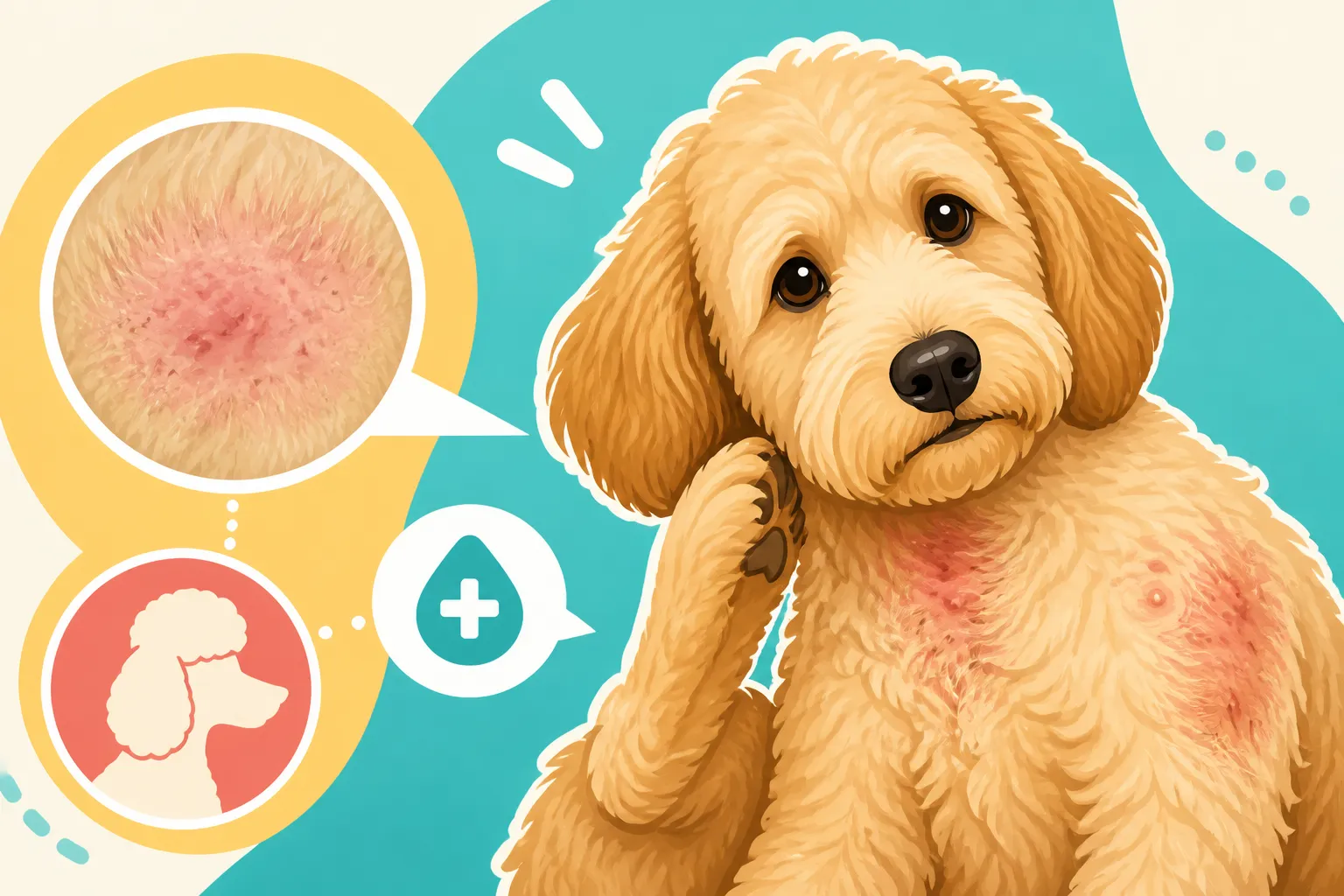
The Skin Disease a Goldendoodle Gets From the Poodle Line
It’s a heart-sinking moment when you notice something isn't quite right with your beloved Goldendoodle’s skin or coat. You brought them home envisioning a fluffy, low-shedding companion, only to find yourself dealing with persistent itching, strange patches, or frustrating hair loss. Many of these issues, particularly those related to the skin, can often be traced back to the Poodle side of their genetic makeup. This comprehensive guide will walk you through the common skin diseases Goldendoodles can inherit from their Poodle lineage, helping you understand, identify, and manage these challenging conditions.
The Poodle's Genetic Blueprint for Goldendoodle Skin
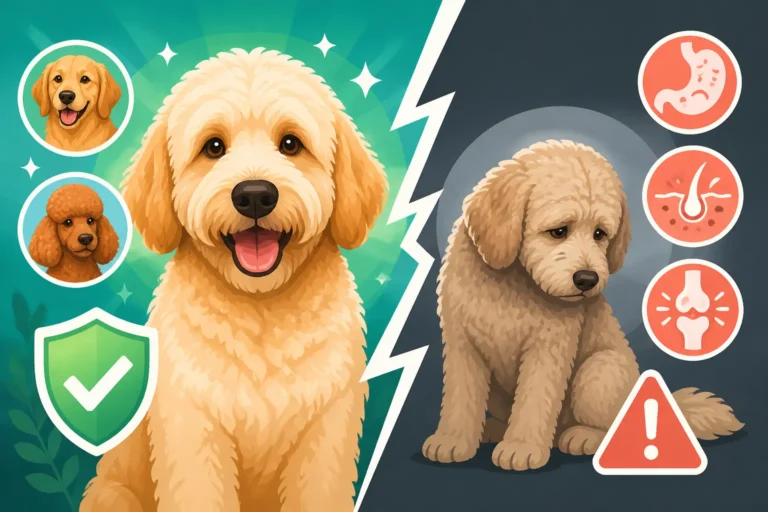
When you welcome a Goldendoodle into your home, you’re essentially bringing together a beautiful mix of traits from two distinct breeds: the Golden Retriever and the Poodle. While this blend often results in that charming temperament and unique coat, it also means your dog inherits a combination of genetic predispositions, including those that can affect their skin health. The Poodle, with its tightly curled coat and specific genetic lines, contributes a unique set of vulnerabilities to this equation.
Unpacking the Poodle's Predispositions
Poodles, whether Standard, Miniature, or Toy, are known for certain hereditary conditions that can manifest as skin issues. These aren't always immediately obvious and can sometimes be overlooked in the excitement of puppyhood, only to surface later in life. One of the reasons Goldendoodles were initially bred was to potentially combine the best traits of both parents and theoretically reduce the incidence of breed-specific diseases, a concept sometimes referred to as "hybrid vigor." However, this doesn't eliminate all risks, especially when both parent breeds carry a predisposition for the same or similar issues, or when a cross introduces specific Poodle vulnerabilities into a Golden Retriever mix. It’s important to remember that a Goldendoodle, particularly one that is an F1b Goldendoodle, meaning it's 75% Poodle, will lean more heavily on the Poodle's genetic contributions, including its skin tendencies.
How Genes Play a Role in Skin Vulnerability
Think of your Goldendoodle's DNA as a complex instruction manual. Some pages come from the Golden Retriever, some from the Poodle. Certain sections of the Poodle's manual contain instructions for skin structures and immune responses that, while normal for a Poodle, can sometimes lead to problems in a Goldendoodle. These genetic vulnerabilities can make your Goldendoodle more susceptible to specific skin diseases, not because they are "faulty," but because the Poodle lines historically carry genes for certain conditions. For instance, some genes might dictate a particular type of hair follicle development or immune system regulation that, when expressed, can lead to chronic skin irritation or hair loss. Understanding these genetic underpinnings is the first step toward effective prevention and management. This is why good breeders will often conduct comprehensive The DNA Panel a Goldendoodle Breeder Should Run on their breeding dogs, trying to screen out known genetic issues before they pass them on.
Sebaceous Adenitis: A Silent Threat from the Poodle Line
One of the more frustrating and often misdiagnosed skin conditions that Goldendoodles can inherit from their Poodle ancestry is Sebaceous Adenitis (SA). This is a serious inflammatory disease that affects the sebaceous glands, which are responsible for producing the oily sebum that lubricates the skin and coat. When these glands become inflamed and are eventually destroyed, the skin loses its natural protective barrier, leading to a host of problems. It’s a condition that can often be mistaken for allergies or simple dry skin, making diagnosis challenging but crucial for your dog's long-term comfort.
Recognizing the Subtle Signs of SA
Sebaceous Adenitis often starts subtly, which is why it can be so hard for owners to pinpoint. You might first notice a dullness in your Goldendoodle's coat, perhaps some minor scaling or flaking, especially along the back, neck, and tail. In dogs with a thick, curly Goldendoodle coat, these changes can be incredibly difficult to spot until they become more advanced. You might feel a waxy buildup or notice patches of hair loss that gradually expand. The skin underneath might appear thickened, reddish, or even develop secondary infections due to the compromised barrier. Unlike typical allergies where your dog might chew their paws or scratch their ears constantly, SA often presents more with coat quality deterioration and skin flaking. If you're noticing significant Sebaceous Adenitis and a Goldendoodle Losing Coat, SA should definitely be on your radar.
Diagnosis and Long-Term Management Strategies
Diagnosing Sebaceous Adenitis requires a vet, usually a veterinary dermatologist, to take a skin biopsy. This involves removing a small piece of skin tissue for microscopic examination to confirm the destruction of the sebaceous glands. It’s a definitive test, as there are no simple blood tests for SA. Once diagnosed, there’s no cure, but effective management can significantly improve your Goldendoodle's quality of life. Treatment typically involves a multi-pronged approach:
- Topical Therapies: Frequent bathing with medicated shampoos (keratolytic and moisturizing) to remove scales and hydrate the skin. You might also use specific oil treatments (like mineral oil or coconut oil) to help replenish lost lipids.
- Oral Medications: Omega-3 fatty acid supplements are often recommended for their anti-inflammatory properties. In some cases, veterinarians may prescribe immune-modulating drugs like cyclosporine to help stop the immune system from attacking the glands.
- Grooming Adjustments: Regular, gentle brushing and keeping the coat at a manageable length can help with product application and monitoring skin health. Over-grooming or harsh brushing, however, can exacerbate irritation.
Managing SA is a lifelong commitment, and finding the right balance of treatments will often require trial and error with your vet. It's a condition where Skin Biopsies for a Goldendoodle With Coat Loss are really the only way to get a definitive answer, so don't hesitate to ask your vet about this diagnostic step if you suspect SA.
The Impact on Your Goldendoodle's Coat and Comfort
The physical toll of Sebaceous Adenitis on your Goldendoodle is significant. Without healthy sebaceous glands, the coat becomes dry, brittle, and prone to breakage. The hair follicles can get clogged, leading to widespread scaling and hair loss, sometimes in symmetrical patterns. Imagine having constantly dry, irritated skin that just won't heal – that's what your dog experiences. Beyond the physical discomfort, SA can also lead to secondary bacterial or yeast infections, causing itchiness, odor, and further skin inflammation. This can dramatically impact their overall comfort and happiness. While it doesn't typically cause internal organ damage, the chronic skin issues can certainly affect their mood and willingness to play. Keeping their skin healthy is not just about aesthetics; it's about their daily well-being.
Addison's Disease: More Than Just Hormones Affecting Skin
Addison's Disease, also known as hypoadrenocorticism, is another condition that Goldendoodles can inherit from their Poodle side, particularly Standard Poodles. While it’s primarily a hormonal disorder affecting the adrenal glands, its wide-ranging impact on the body can certainly manifest in subtle ways on the skin and coat. It’s often called the "great imitator" because its symptoms can mimic so many other conditions, making it notoriously difficult to diagnose in its early stages.
The Systemic Nature of Addison's and Skin Clues
Addison's Disease occurs when the adrenal glands don't produce enough cortisol and, in typical cases, aldosterone. Cortisol is a crucial stress hormone that affects almost every system in the body, including the skin. When cortisol levels are consistently low, it can lead to a variety of non-specific symptoms, which can include changes in skin and coat quality. You might notice your Goldendoodle's coat becoming duller, drier, or even thinning out in certain areas. Skin pigmentation changes, such as hyperpigmentation (darkening of the skin), can also occur, though these are more common in other conditions. However, the skin signs are rarely the primary indicators of Addison's and are usually accompanied by more obvious systemic symptoms like lethargy, decreased appetite, vomiting, diarrhea, and increased thirst. Learning about Addison's Disease Signs in a Goldendoodle can help you connect these seemingly unrelated symptoms.
When to Suspect Addison's Behind Skin Changes
If you're noticing a combination of general malaise, gastrointestinal upset, and subtle skin or coat changes, it's worth discussing Addison's with your vet. For instance, if your Goldendoodle seems "off" for days, bounces back, then gets "off" again, or experiences a sudden "crash" where they become extremely weak or collapse, this is a serious red flag. While skin issues alone are rarely the sole reason to suspect Addison's, they can be part of a larger picture that prompts investigation. A definitive diagnosis involves blood tests, specifically an ACTH stimulation test, which measures the adrenal glands' response to a synthetic hormone. Early diagnosis is critical because untreated Addison's can lead to life-threatening crises. Many Goldendoodle owners have found that having pet insurance like Healthy Paws can be incredibly helpful when facing the costs of diagnosing and managing complex conditions like Addison's, as repeated blood work and specialist visits can add up quickly.
Navigating Lifelong Treatment and Its Effect on the Coat
Once diagnosed, Addison's Disease is managed with lifelong medication to replace the hormones the adrenal glands aren't producing. This typically involves daily oral corticosteroids (like prednisone) and, for typical Addison's, monthly injections of mineralocorticoids (like desoxycorticosterone pivalate, or DOCP). With proper medication, most Goldendoodles with Addison's can lead full, active lives. The good news is that as the underlying hormonal imbalance is corrected, any skin and coat issues related to the disease usually resolve or significantly improve. The coat should regain its luster and thickness, and any dry, flaky patches or changes in pigmentation should diminish. However, finding the right balance of medication can take time, and regular veterinary check-ups and blood tests are essential to ensure the dosage is appropriate. You can read more about the long-term commitment in Lifelong Medication for an Addisonian Goldendoodle.
Allergic Reactions: The Poodle's Contribution to Itchy Skin
Allergies are a common bane for dog owners, and Goldendoodles are certainly not immune. Both Golden Retrievers and Poodles are prone to allergies, meaning Goldendoodles can inherit a double dose of predisposition for itchy, irritated skin. This is one of the most frequent reasons owners seek veterinary care for skin issues, and it can be incredibly frustrating to pinpoint the exact triggers.
Environmental Allergies and Skin Flare-ups
Just like us, dogs can suffer from environmental allergies (atopy) triggered by pollen, dust mites, molds, and other airborne irritants. Poodles are known for their sensitive skin and propensity for atopic dermatitis, and Goldendoodles frequently inherit this sensitivity. When exposed to allergens, their immune system overreacts, leading to inflammation that often manifests as intense itchiness. For Goldendoodles, this can mean excessive licking of paws, rubbing their face, scratching their armpits, belly, or ears, and developing red, inflamed skin. Chronic scratching can lead to secondary bacterial or yeast infections, which then compound the discomfort, creating a vicious cycle of itch, scratch, and infection. Recognizing the patterns of Goldendoodle Environmental Allergies by Season can be key to managing these flare-ups.
Food Sensitivities and Their Skin Manifestations
While less common than environmental allergies, food sensitivities or allergies can also cause significant skin problems in Goldendoodles. The Poodle line, along with other breeds, can pass on a genetic tendency towards adverse food reactions. Unlike environmental allergies, food allergies typically cause year-round itching and can manifest with gastrointestinal upset in addition to skin issues. Common culprits include proteins like beef, chicken, dairy, wheat, and soy. The skin signs are often very similar to environmental allergies – generalized itchiness, redness, ear infections, and paw licking. Identifying Goldendoodle Food Allergies Showing on the Skin often requires a strict elimination diet under veterinary guidance, which can be a lengthy and challenging process, but ultimately rewarding for your dog's comfort.
Holistic Approaches to Managing Goldendoodle Allergies
Managing Goldendoodle allergies is rarely a one-size-fits-all solution; it usually requires a multi-modal approach combining veterinary treatments with home care.
- Veterinary Interventions: This can include anti-itch medications (like Apoquel or Cytopoint injections), antibiotics or antifungals for secondary infections, and often, allergy testing to identify specific environmental triggers. Immunotherapy (allergy shots or oral drops) is a long-term solution that desensitizes the dog to their allergens.
- Topical Treatments: Medicated shampoos, conditioners, and soothing sprays can help calm irritated skin and prevent secondary infections. Regular bathing, even with non-medicated, hypoallergenic shampoos, can wash away environmental allergens from the coat.
- Dietary Management: For food allergies, sticking to a novel protein or hydrolyzed protein diet is essential. For environmental allergies, high-quality diets rich in omega-3 fatty acids can help support skin barrier health.
- Environmental Control: Minimizing exposure to known environmental allergens (e.g., frequent vacuuming, air purifiers, wiping paws after outdoor excursions).
Dealing with chronic allergies is incredibly taxing, both for your dog and for you. It requires patience and persistence. Many Goldendoodle owners find peace of mind with pet insurance providers like Healthy Paws, which can help cover the ongoing costs of diagnostics, specialist visits, and medications for chronic conditions like allergies. Knowing you have support for Goldendoodle Allergy Testing and Immunotherapy can alleviate a huge financial burden.
Other Poodle-Influenced Skin Concerns and Management
Beyond the more prominent conditions like Sebaceous Adenitis and Addison's disease, Goldendoodles can inherit a few other skin and coat challenges from their Poodle ancestry. These might not be as widespread but are certainly worth knowing about as a responsible Goldendoodle owner.
Hair Follicle Dysplasia and Its Impact
Hair Follicle Dysplasia (HFD) is a group of genetic conditions where the hair follicles develop abnormally, leading to poor hair growth, patchy hair loss, and often changes in coat color. While it can affect various breeds, Poodles, particularly some color lines, are known to carry forms of HFD. In Goldendoodles, this might manifest as a sparse or unusually thin coat, areas of complete alopecia (hair loss), or a dull, brittle texture. It’s not necessarily itchy or painful unless secondary infections develop due to the compromised skin barrier.
The challenge with HFD is that there's no cure, and treatment is primarily supportive. This involves ensuring good skin hygiene to prevent infections, using gentle, moisturizing shampoos, and providing dietary supplements like omega fatty acids to support overall skin and coat health. Sometimes, the hair loss can be significant, leading to increased sensitivity to sun or cold, so protective clothing might be necessary. It’s a cosmetic condition for the most part, but it still requires dedicated care to keep your Goldendoodle comfortable and minimize further complications.
Ear Infections Leading to Secondary Skin Issues
One of the most common and recurring issues for Goldendoodles, stemming largely from their Poodle heritage and the "furnishings" gene that gives them their characteristic beard and wavy/curly coat, is chronic ear infections. The Poodle's long, floppy ears, combined with the Goldendoodle's often thick ear hair, create a warm, moist, and poorly ventilated environment that is a perfect breeding ground for bacteria and yeast.
These persistent Goldendoodle Ear Infections Under a Furnished Ear can quickly lead to painful inflammation within the ear canal. If left untreated, the inflammation can spread to the surrounding skin, causing redness, itchiness, and a greasy discharge around the ear flap. Dogs will often shake their heads, scratch their ears vigorously, and might even develop Goldendoodle Hot Spots Under a Thick Coat on their cheeks or neck from the constant irritation. These secondary skin issues are a direct result of the primary ear infection and require treating the root cause. Regular ear cleaning and hair plucking (if recommended by your vet) are crucial preventative measures. Addressing Goldendoodle Ear Hair and Chronic Infection proactively is one of the best things you can do for your dog's overall skin health.
The Importance of Proactive Grooming and Veterinary Care
For Goldendoodles with any Poodle-influenced skin issues, proactive and consistent care is paramount. This isn't just about making them look good; it's about their health and comfort.
- Regular Grooming: For hair follicle dysplasia, gentle brushing and moisturizing baths can help. For ear-related issues, diligent ear cleaning and keeping the ear canal clear of excessive hair are non-negotiable. For conditions like SA, specific bathing protocols are essential. Neglecting their unique coat can lead to severe matting, which further exacerbates skin problems by trapping moisture and allergens, leading to irritation and infection.
- Veterinary Partnership: Establishing a strong relationship with your veterinarian and potentially a veterinary dermatologist is vital. They can guide you through diagnostics, prescribe appropriate medications, and help you develop a long-term management plan. Don't hesitate to seek a second opinion if you're not seeing improvement or if your vet seems stumped.
- Observation: As an owner, you are your dog's best advocate. Pay close attention to any changes in their skin, coat, behavior (like increased scratching or licking), or appetite. Early detection of a problem can make a significant difference in outcomes.
Living With and Loving a Goldendoodle with Poodle-Linked Skin Issues
Discovering your Goldendoodle has a chronic skin condition derived from their Poodle lineage can be disheartening. It often means a commitment to ongoing care, specific routines, and sometimes, a financial burden. But with the right approach, you can ensure your furry friend lives a happy, comfortable life.
Daily Routines and Specialized Products
Managing Poodle-linked skin conditions often revolves around establishing consistent daily and weekly routines. This isn't just about quick fixes; it's about creating an environment and regimen that supports their delicate skin barrier.
- Bathing Protocols: For conditions like Sebaceous Adenitis or severe allergies, regular medicated baths might be necessary. Your vet might recommend shampoos with ingredients like chlorhexidine, miconazole, or benzoyl peroxide for infections, or colloidal oatmeal for soothing. Always follow the instructions for contact time – lathering up and letting the shampoo sit for 5-10 minutes is often crucial for effectiveness.
- Moisturizing and Conditioning: Post-bath, a good conditioner or leave-in moisturizing spray is often vital to rehydrate the skin and coat. Products containing ceramides or essential fatty acids can help rebuild the skin's natural barrier.
- Brushing and Detangling: Even with hair loss, gentle brushing helps distribute natural oils and stimulates circulation. For dogs with coats prone to matting, daily line brushing is non-negotiable to prevent mats from forming and exacerbating skin irritation.
- Ear Care: For Goldendoodles prone to ear infections, a weekly ear cleaning routine with a vet-approved solution is essential. After swimming or baths, thoroughly dry their ears to prevent moisture buildup.
It's a lot, I know. It can feel like a full-time job at times, but these routines are your first line of defense against flare-ups and discomfort.
Building a Strong Partnership with Your Vet
Your veterinarian is your most important ally in managing your Goldendoodle's skin health. This isn't a passive relationship where you just follow orders; it's a partnership where you actively communicate, ask questions, and share your observations.
- Open Communication: Don't hesitate to call your vet if you notice new symptoms or if existing ones worsen. Keep a journal of flare-ups, treatments, and how your dog responds. This data is invaluable for your vet.
- Specialist Referrals: If your general practice vet is struggling to diagnose or manage a complex skin condition, don't be afraid to ask for a referral to a veterinary dermatologist. These specialists have advanced training and diagnostic tools that can make a huge difference.
- Understanding Treatment Plans: Always ask for clarification on medications, dosages, potential side effects, and why a particular treatment is being used. Understand the long-term prognosis and what to expect.
- Financial Planning: Chronic conditions can be expensive. Discuss costs transparently with your vet. Consider pet insurance; policies from providers like Healthy Paws can often cover a significant portion of the costs for diagnostics, medications, and specialist visits for chronic conditions once waiting periods are met. It's truly a lifesaver for conditions requiring lifelong care, such as those discussed in Goldendoodle Pet Insurance for a Dog With No Breed Papers.
The Emotional Toll on Owners and How to Cope
Let's be real, dealing with a pet's chronic health issue is incredibly stressful and can take an emotional toll. It's heartbreaking to see your Goldendoodle uncomfortable, itchy, or losing their beautiful coat. The frustration of endless vet visits, expensive treatments, and the constant vigilance can lead to burnout.
- Acknowledge Your Feelings: It's okay to feel overwhelmed, frustrated, or sad. These are normal reactions to a challenging situation. Don't minimize your own experience.
- Seek Support: Talk to other Goldendoodle owners in online forums or local groups. They often have invaluable advice and a listening ear. Your vet can also be a source of support and reassurance.
- Celebrate Small Wins: Each day your Goldendoodle is comfortable, or a treatment shows even slight improvement, celebrate it. Focus on the progress, not just the challenges.
- Prioritize Self-Care: You can't pour from an empty cup. Make sure you're taking care of your own well-being. A walk in the park with your Goldendoodle, even if it's just a short one, can be good for both of you.
Remember, your Goldendoodle loves you unconditionally, regardless of their coat or skin condition. Your dedication to their care speaks volumes, and with persistence and the right support, you can help them thrive.
Common Poodle-Derived Skin Conditions in Goldendoodles
To help you distinguish between the various possibilities, here’s a quick overview of the skin conditions a Goldendoodle can inherit from its Poodle lineage:
| Condition | Primary Cause | Key Goldendoodle Symptoms | Management Approach | Poodle Linkage Strength |
|---|---|---|---|---|
| Sebaceous Adenitis (SA) | Autoimmune destruction of sebaceous glands | Progressive hair loss (often symmetrical), scaling, dull brittle coat, waxy skin | Medicated baths, oil treatments, immune-modulating drugs, supplements, regular grooming | Strong: Known Poodle predisposition, especially Standard Poodles |
| Addison's Disease | Adrenal gland insufficiency (hormonal) | (Skin is secondary) Dull coat, hyperpigmentation, thinning hair. Accompanied by lethargy, GI upset. | Lifelong hormone replacement medication (corticosteroids, mineralocorticoids). Skin issues resolve with treatment. | Strong: Higher incidence in Standard Poodles |
| Atopic Dermatitis (Environmental Allergies) | Immune overreaction to environmental allergens | Chronic itching, paw licking, ear infections, red inflamed skin, secondary infections | Anti-itch meds, immunotherapy, medicated baths, diet support, allergen avoidance | Strong: Poodles are prone to environmental allergies |
| Food Allergies | Adverse immune reaction to food ingredients | Year-round itching, skin inflammation, ear infections, gastrointestinal upset | Elimination diet, novel protein or hydrolyzed protein diet, medication for secondary issues | Moderate: Poodles can have food sensitivities |
| Hair Follicle Dysplasia (HFD) | Abnormal hair follicle development | Patchy or generalized hair loss, sparse coat, changes in hair color/texture, usually non-itchy | Supportive care, moisturizing, preventing secondary infections, supplements. No cure. | Moderate: Specific forms can affect Poodle color lines |
| Chronic Ear Infections (leading to skin issues) | Floppy ears, excessive ear hair, moisture retention | Head shaking, scratching, discharge, redness, odor; secondary skin irritation around ears, hot spots | Regular cleaning, ear hair plucking (if advised), medicated ear drops, addressing underlying allergies/moisture | Strong: Poodle ear structure + Goldendoodle furnishings |
Disclaimer
The information provided in this article is for general informational purposes only and is not intended as a substitute for professional veterinary advice. Always consult with a qualified veterinarian regarding any medical condition or health concerns of your Goldendoodle. Early diagnosis and treatment are crucial for the best outcomes.