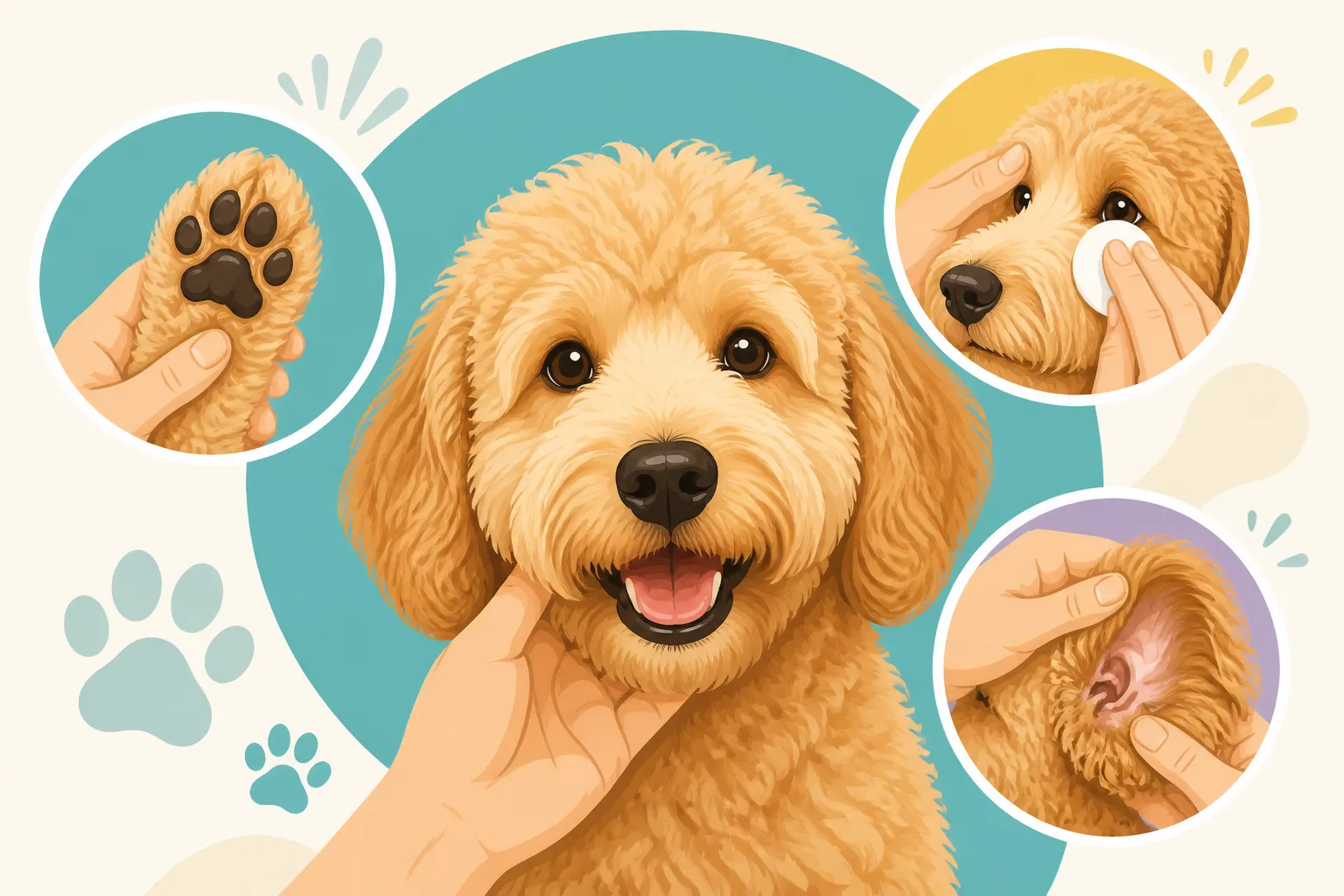
Handling a Goldendoodle’s Feet, Face and Ears
The adorable, fluffy Goldendoodle you bring home is a bundle of joy, but those luscious locks, floppy ears, and expressive eyes come with a catch: they require consistent, hands-on care. Many owners find themselves in a wrestling match just trying to trim nails or clean ears, leading to stress for both dog and human. This comprehensive guide will walk you through building a positive relationship around handling your Goldendoodle's feet, face, and ears, turning potential struggles into cooperative care sessions.
Why Early Handling is Crucial for Goldendoodles
Bringing a Goldendoodle puppy home is an exciting time, but amidst all the cuddles and play, it's easy to overlook the foundational work of cooperative care. Goldendoodles, with their Poodle intelligence and Golden Retriever biddability, are often eager to please, but without early and consistent exposure, handling can quickly become a dreaded chore for both of you. The longer you wait, the harder it becomes to introduce these necessary routines without resistance.
Starting from Puppyhood
The absolute best time to introduce handling is the moment your Goldendoodle puppy steps into your home. Think of their first few weeks with you as a critical window for socialization and desensitization to all sorts of experiences, including gentle handling. During this period, puppies are like sponges, absorbing information and forming associations that will last a lifetime. Every touch, every peek into an ear, every tap on a paw should be a positive experience.
Start with tiny, almost imperceptible touches. While your puppy is relaxed, perhaps even sleepy, gently touch a paw for a second, then immediately reward with a high-value treat and praise. Repeat this many times a day, gradually increasing the duration and intensity of the touch. Don't push it. The goal is to build positive associations, not to get the job done in one sitting. This slow, steady approach is crucial for dogs that might otherwise become defensive or anxious about these procedures later on.
Desensitization vs. Flooding
It's vital to understand the difference between desensitization and flooding when it comes to handling. Desensitization is the gradual process of exposing your dog to something they might be wary of, at a low enough intensity that it doesn't cause a strong negative reaction. Flooding, on the other hand, involves overwhelming your dog with the scary stimulus, forcing them to "get over it." With handling, flooding might look like holding your puppy down and forcing a nail trim, which will almost certainly create a lasting negative association and make future attempts exponentially harder.
For example, if your Goldendoodle is anxious about nail trimming, desensitization would involve just showing them the clippers, rewarding them, then putting the clippers away. The next step might be touching the clippers to a paw, then rewarding. Eventually, you might touch a nail, and so on. This slow progression ensures your dog remains under their stress threshold, learning that the clippers, or the act of handling, predict good things. Remember, we’re training for a lifetime of care, not just one session. Goldendoodle Puppy Biting and Mouthing is another area where early desensitization to handling the mouth can be a game-changer.
The Role of Positive Reinforcement
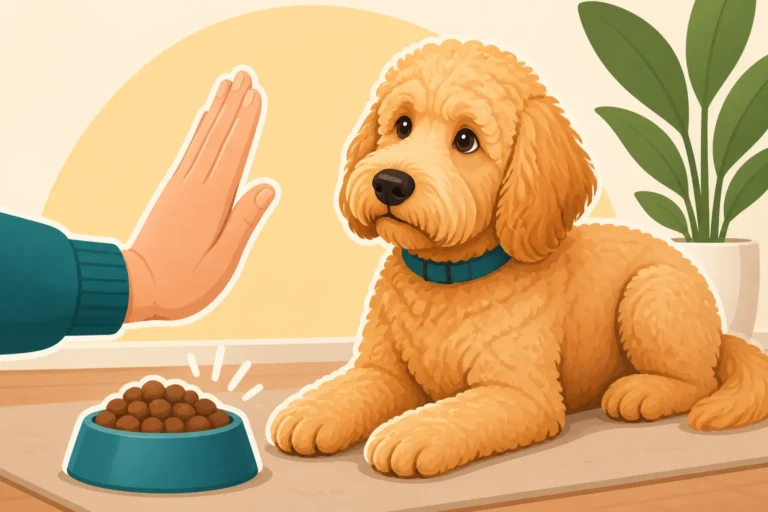
Positive reinforcement is the cornerstone of successful handling training. It means rewarding your Goldendoodle for offering desired behaviors, even small approximations of them. For a Goldendoodle, who often loves attention and treats, this method is incredibly effective. Every time you touch a paw and they don't pull it away, offer a treat and cheerful praise. Every time you lift an ear flap without a struggle, celebrate it.
You want your Goldendoodle to choose to cooperate, not to simply tolerate handling because they are forced to. This builds trust and makes future grooming and vet visits less stressful for everyone involved. Keep the treats high-value – think small pieces of cheese, cooked chicken, or specially reserved training treats. Some owners find that having an online puppy program, such as one from BAXTER & Bella, provides structured guidance on how to implement positive reinforcement effectively for these crucial early handling sessions. They often lay out step-by-step methods that ensure you're building a solid foundation.
Tackling the Feet: Paws and Nails
Goldendoodles have adorable, often fluffy paws that can quickly become a source of frustration if not managed properly. Their fast-growing nails, coupled with the hair that sprouts between their paw pads, demand regular attention. Neglecting their feet can lead to discomfort, slipping, and even painful infections or torn nails.
Getting Comfortable with Paw Touches
Many dogs are notoriously sensitive about their paws. For a Goldendoodle, getting them used to having their paws handled is paramount, not just for nail trims, but also for checking for mats, burrs, or injuries after walks. Start with the "touch and treat" method described earlier. While your Goldendoodle is calm, gently stroke their leg, then their paw, quickly rewarding any non-resistance. Gradually hold the paw for a few seconds longer, always followed by a reward.
Once they tolerate a static hold, practice gently spreading their toes and looking at the pads. This helps them get used to the sensation of inspection, which is critical for future care. Make it a game: "Paw!", gentle touch, treat. Repeat on all four paws, cycling through them. You might find that some paws are more sensitive than others, so adjust your approach accordingly. If you notice your Goldendoodle Paw Licking and What It Means, it's a good time to check those paws for irritations or developing issues.
Nail Trimming Made Easier
Long nails are not only unsightly, but they can also be painful for your Goldendoodle. They can affect their gait, leading to joint issues over time, and are prone to breaking or tearing, which often requires an emergency vet visit. The challenge is that many Goldendoodles despise nail trims, often because of a negative past experience (like being "quicked," which is cutting too far back into the sensitive quick).
Introduce the tools gradually:
- Show the clippers/grinder: Let your Goldendoodle sniff them, reward. Repeat.
- Touch the tool to their paw/nail: Don't trim, just touch. Reward.
- Mimic the sound: If using clippers, snip them in the air near your dog. If using a grinder, turn it on briefly, reward for calm behavior.
- Perform tiny trims: When you actually trim, take off the tiniest sliver, just the very tip. Even one nail successfully trimmed with a treat is a win. Build up slowly.
- Use high-value rewards: Make every step incredibly positive. Consider spreading peanut butter or cream cheese on a lick mat to distract them during the actual trim.
Consistency is key here. Rather than one stressful, long session every month, aim for touching the clippers to a nail a few times a week, and maybe trimming just one or two nails in a session. Products like styptic powder should always be on hand in case of a quick. For more specific guidance on this tricky area, you might find valuable tips in Trimming Goldendoodle Nails at Home.
Dealing with Paw Pad Hair
Goldendoodles often grow a surprising amount of hair between their paw pads. This hair can collect dirt, debris, and moisture, leading to matting, irritation, and even yeast infections. In winter, snow can ball up in these areas, causing discomfort. Keeping this hair trimmed is an essential, yet often overlooked, part of paw care.
To trim paw pad hair:
- Get a small, quiet trimmer: A cordless, quiet trimmer designed for paw pads (often available on Amazon) can make a huge difference.
- Position carefully: Hold your Goldendoodle's paw gently, splaying the pads slightly to expose the hair.
- Trim flush: Carefully trim the hair so it's flush with the pads. Be extremely careful not to cut the pads themselves. Always point the trimmer blades away from the pads.
- Check frequently: Make this a part of your regular grooming routine, perhaps every few weeks, or whenever you notice excess hair.
Regularly trimming this hair not only helps with hygiene but also gives your Goldendoodle better traction on hard floors, preventing slips and potential injuries. Trimming Hair Between Goldendoodle Paw Pads offers more detailed guidance on how to do this safely and effectively.
Mastering the Face: Eyes, Beards, and Muzzles
A Goldendoodle's face is arguably its most charming feature, with those soulful eyes and often a fluffy beard. However, these features also present unique grooming and handling challenges. Consistent care of the face is vital for comfort, hygiene, and preventing issues like eye irritation or matting around the mouth.
Eye Area Care and Cleaning
Goldendoodles, especially those with longer face furnishings, are prone to eye gunk, tear staining, and hair growing too close to their eyes. Neglecting this area can lead to discomfort, infections, or even vision problems if hair continually irritates the cornea.
Here’s how to keep their eyes healthy:
- Daily checks: Make it a habit to check your Goldendoodle's eyes every day. Look for redness, discharge, or any signs of irritation.
- Gentle cleaning: Use a soft, damp cloth (or a specialized pet eye wipe) to gently clean away any crust or discharge from the corners of their eyes. Always wipe away from the eye.
- Keep hair clear: Trim any hair that consistently pokes into your Goldendoodle's eyes. This often requires small, blunt-nosed scissors or a tiny clipper, used with extreme caution. If you're nervous, a professional groomer can do this for you.
- Desensitize early: From puppyhood, gently touch around their eyes, lifting their floppy ears to expose the area, and reward them. This makes future cleanings much easier.
Remember that persistent redness, excessive discharge, or squinting warrants a vet visit, as these could be signs of an infection or injury. Keeping Hair Out of a Goldendoodle's Eyes is a great resource if you're battling persistent irritation in this delicate area.
Managing the Goldendoodle Beard
That adorable Goldendoodle beard, or "furnishings," is a magnet for food, water, and debris. While charming, it requires diligent care to prevent mats, odors, and skin irritation underneath. A dirty beard can also be a breeding ground for bacteria.
To maintain that magnificent beard:
- Post-meal wipe-downs: After every meal, take a damp cloth or a piece of paper towel and gently wipe your Goldendoodle's beard clean. This prevents food from drying and matting in the hair.
- Dry after drinking: Goldendoodles tend to get their beards soaked when drinking. Use a towel to blot the beard dry, or consider a "water-friendly" bowl design that limits how much their face gets wet.
- Daily combing: Incorporate a small comb into your daily routine to work through the beard. This helps prevent tangles and mats from forming, which can be very painful to remove once they set in.
- Regular trimming: Depending on how fast their facial hair grows and your preferred style, you'll need to trim the beard every few weeks to keep it manageable and clean. Again, blunt-nosed scissors are your friend, used with extreme care around the mouth.
A neglected beard can quickly become a matted, smelly mess. Starting these habits early, when your Goldendoodle is a puppy, makes them much more accepting of the routine as adults. You can find more targeted advice on how to keep your Goldendoodle's face clean in Cleaning a Goldendoodle Beard After Every Meal.
Muzzle Training for Safety and Comfort
While it might sound intimidating, muzzle training is an incredibly valuable skill for any dog, especially a Goldendoodle that might one day need a vet procedure or grooming session where they feel uncomfortable. A properly introduced and fitted muzzle is not a punishment, but a tool for safety and stress reduction. It allows necessary care to happen without fear of nipping from a stressed or painful dog.
Here’s how to introduce a muzzle positively:
- Positive association: Start by placing treats inside the muzzle. Let your Goldendoodle sniff and eat the treats from it. Don't try to put it on yet.
- Gradual introduction: Slowly, as they become comfortable, encourage them to put their nose further into the muzzle to get the treat.
- Short durations: Once they willingly put their nose in, gently fasten the straps for just a second or two, then immediately remove and reward. Build up the time very gradually.
- Pair with good things: Always associate the muzzle with high-value rewards, special treats, or fun activities. Never use it as a punishment.
The goal is for your Goldendoodle to see the muzzle as a neutral or even positive thing, predicting good treats. This means that if they ever need one for a vet visit or an emergency, it won't add to their stress. Basket muzzles are generally preferred as they allow panting, drinking, and taking treats. Remember, a muzzle should always be introduced calmly and positively. You can explore Muzzle Training a Goldendoodle for the Groomer for a deeper dive into this important aspect of cooperative care.
Conquering the Ears: Cleaning and Inspection
Goldendoodles' floppy ears are undeniably cute, but they are also a notorious hotspot for health issues. Their long, pendulous ear flaps, combined with the often abundant hair growth inside the ear canal, create a warm, moist environment that is a perfect breeding ground for bacteria and yeast. Regular cleaning and inspection are non-negotiable for preventing painful and recurring ear infections.
Weekly Ear Cleaning Routine
Preventative ear cleaning is much easier and less stressful than treating an active infection. Establishing a weekly routine from puppyhood will save you and your Goldendoodle a lot of discomfort and vet bills down the line.
Here’s a simple weekly routine:
- Gather supplies: You'll need a vet-approved ear cleaning solution and cotton balls or soft gauze pads. Avoid cotton swabs, as they can push debris deeper into the ear canal.
- Position your Goldendoodle: Have your dog sit or lie down comfortably. Offer praise and treats throughout.
- Lift the ear flap: Gently lift their ear flap to expose the ear canal.
- Apply cleaner: Carefully fill the ear canal with the cleaning solution, following the product's instructions.
- Massage the base: Gently massage the base of the ear for 30-60 seconds. You should hear a squishing sound as the solution works its way down.
- Let them shake: Stand back and let your Goldendoodle shake their head, which helps dislodge debris.
- Wipe clean: Use a cotton ball or gauze to wipe away any excess solution and debris from the outer ear and visible parts of the canal. Don't go deep into the canal.
Always reward generously after each ear. If you notice any redness, foul odor, excessive discharge, or signs of pain, stop cleaning and contact your vet, as it could be an infection that requires medication. You'll find more information on this essential routine in Cleaning a Goldendoodle Ear Every Week.
Hair Management Inside the Ear
Another unique challenge for Goldendoodles is the hair that grows inside their ear canals. This hair can trap moisture and debris, further contributing to ear infections. There's a debate among owners and groomers about whether this hair should be plucked.
- Plucking: Some groomers routinely pluck ear hair, believing it opens up the canal for better air circulation and easier cleaning. However, plucking can be painful, irritate the sensitive skin, and potentially introduce bacteria into hair follicles, leading to infections.
- Trimming: Others prefer to carefully trim hair at the entrance of the ear canal with tiny, blunt-nosed scissors or a small clipper, avoiding going deep. This method is generally less irritating.
- Professional advice: The best approach is to discuss ear hair management with your veterinarian and professional groomer. They can assess your Goldendoodle's specific ear health and recommend the best strategy for your dog.
Regardless of the method, ensure that the hair inside the ear does not become matted, as this can be incredibly painful and difficult to remove. When considering whether Plucking Ear Hair Prevents Goldendoodle Infections, it's important to weigh the pros and cons carefully.
Recognizing Signs of Infection
Despite your best efforts, Goldendoodles can still get ear infections. Being able to spot the early signs is crucial for prompt treatment, which can prevent prolonged discomfort and more severe issues.
Look out for these symptoms:
- Head shaking: More frequent or vigorous head shaking than usual.
- Ear scratching: Pawing at the ears or rubbing them against furniture.
- Redness or swelling: Inside the ear flap or visible ear canal.
- Discharge: Yellow, brown, or black discharge, sometimes waxy or pus-like.
- Odor: A noticeable, often yeasty or foul smell coming from the ear.
- Pain: Whining, yelping, or flinching when the ear is touched.
- Tilting head: Holding their head to one side.
If you observe any of these signs, contact your veterinarian immediately. They can accurately diagnose the type of infection (bacterial, yeast, mites) and prescribe the appropriate medication. Self-treating can worsen the problem or mask symptoms. For a detailed look at what to watch for, check out Catching a Goldendoodle Ear Infection Under the Hair.
Tools and Techniques for Stress-Free Grooming
Having the right tools and knowing how to use them effectively can transform grooming from a battle into a bonding experience. Goldendoodles require specific grooming equipment to manage their unique coats, and a little preparation goes a long way in making these sessions successful.
Essential Grooming Tools
Investing in quality grooming tools from the start will make a significant difference in your Goldendoodle's comfort and the ease of your routine. These tools are readily available online through retailers like Amazon, ensuring you can find everything you need with ease.
Here’s a basic kit:
- Slicker brush: Essential for daily brushing to get through the coat and prevent matting. Look for one with fine, bent wire bristles.
- Long-toothed metal comb: Critical for finding mats the slicker brush misses, especially behind the ears, in the armpits, and on the tail. A greyhound comb with both wide and narrow teeth is ideal.
- Detangling spray: Helps to work out tangles and conditions the coat, reducing static and breakage.
- Nail clippers or grinder: Choose what you're most comfortable using. A grinder tends to be less stressful for many dogs if introduced properly.
- Ear cleaning solution: Vet-approved, for regular maintenance.
- Cotton balls/pads: For wiping ears.
- Small, blunt-nosed scissors: For carefully trimming hair around eyes and paw pads.
- Quiet clippers (optional, but recommended): A small, cordless trimmer for paw pads and sanitary trims can be a game-changer.
- High-value treats: To reward cooperation during grooming.
- Non-slip mat: To place on your grooming surface (table or floor) for stability.
Having all these items within reach before you start means you won't have to break a session to hunt for a forgotten tool, which can interrupt your Goldendoodle's focus and make them antsy. The Slicker Brush and Comb a Goldendoodle Needs provides excellent insights into selecting these vital tools.
Creating a Positive Environment
The environment in which you groom your Goldendoodle plays a huge role in their willingness to cooperate. A calm, comfortable, and consistent space signals to your dog that it's grooming time, not playtime or punishment.
Consider these aspects:
- Quiet space: Choose a quiet area away from distractions (other pets, noisy children, ringing phones).
- Stable surface: A non-slip surface, like a grooming table with a mat or a bathroom counter with a towel, provides stability and raises your Goldendoodle to a comfortable working height. This also helps save your back!
- Calm demeanor: Your energy is contagious. If you're stressed or frustrated, your Goldendoodle will pick up on it. Take a deep breath, stay calm, and speak in a soothing voice.
- Familiarity: Keep the setup consistent. If you always groom in the kitchen, they'll learn that the kitchen table means grooming, and they'll be more prepared mentally.
- Comfort: Ensure your Goldendoodle is comfortable. Don't force them into an awkward position that causes them pain or anxiety.
Think of it as creating a spa-like experience, where they get treats and gentle handling, making it something they look forward to, or at least tolerate happily.
Short, Frequent Sessions
This is perhaps the most important technique for Goldendoodle grooming and handling. Instead of trying to do an hour-long, full-body groom once a week or month, break it down into much shorter, more frequent sessions. A Goldendoodle's attention span, especially as a puppy, is limited, and longer sessions can quickly become overwhelming and negative.
- Five-minute rule: Aim for 5-10 minute sessions, perhaps once or even twice a day, focusing on one area. One session might be just paw handling, another just ear checks, a third a quick brush-through of the beard.
- End on a positive note: Always try to end the session before your Goldendoodle gets fed up or starts resisting. Finish with a treat and praise, leaving them wanting more. This helps build a positive association for the next session.
- Integrate into daily life: Make grooming part of your everyday routine, like after a walk or before cuddle time. This normalizes the process and prevents it from becoming a big, scary event.
This "little and often" approach is far more effective for building long-term cooperation and prevents the dread that can build up around infrequent, lengthy sessions. You can learn more about managing these brief, impactful sessions in Five Minute Goldendoodle Training Sessions.
Troubleshooting Common Handling Challenges
Even with the best intentions and consistent effort, you might encounter resistance or specific challenges when handling your Goldendoodle. It's important to remember that these are common and solvable, often requiring patience, consistency, and sometimes, professional help.
When Your Goldendoodle Fights You
It's disheartening when your sweet Goldendoodle turns into a squirming, nipping, or growling bundle of resistance during handling. If your dog starts actively fighting you, it's a clear sign that you've gone too far, too fast, or that there's an underlying issue.
Here’s what to do:
- Stop and reassess: Immediately stop the session. Pushing through will only make things worse.
- Identify the trigger: What specifically caused the reaction? Was it the clippers, a certain body part, or the duration?
- Go back to basics: Revisit the very first steps of desensitization, at a much lower intensity. For example, if they fight nail trims, just show the clippers and reward, without even touching a paw.
- Rule out pain: Sometimes, resistance to handling, especially sudden resistance, can be due to pain. A hidden injury, developing arthritis, or an infection (like an ear infection) can make a dog react defensively. A vet check is always a good first step if resistance is new or severe.
- Manage your own frustration: It's tough, but try not to get angry. Your frustration will only heighten your Goldendoodle's anxiety. Take a break, come back later with a fresh perspective.
Remember, cooperative care is a dance, not a wrestling match. If your Goldendoodle is still a puppy, revisiting Why Goldendoodle Grooming Training Starts Week One might provide some clarity on early intervention strategies.
Seeking Professional Help
There's no shame in admitting you need a little help! If you're consistently struggling with handling, or if your Goldendoodle exhibits fear, aggression, or extreme anxiety, it's time to call in the professionals.
Consider consulting:
- Your veterinarian: As mentioned, to rule out any medical causes for resistance or pain. They can also offer advice on safe handling techniques or recommend sedation for necessary procedures if absolutely required.
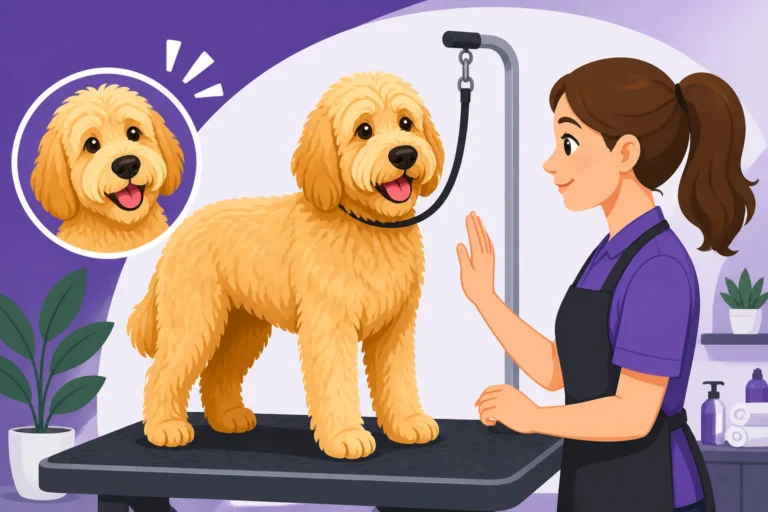
- A professional groomer: A skilled groomer who specializes in Goldendoodles understands their quirks and can often get things done safely and efficiently. They can also provide tips for home care or even offer "puppy intro" grooming sessions that focus purely on positive exposure.
- A certified professional dog trainer or behaviorist: For more entrenched behavioral issues, a positive reinforcement trainer can teach you specific techniques for desensitization and counter-conditioning. A veterinary behaviorist might be needed for severe anxiety or aggression, as they can also prescribe medication if necessary.
An expert can identify subtle cues you might be missing and provide a tailored plan to help you and your Goldendoodle overcome handling hurdles. Don't let the problem fester; early intervention is key.
Maintaining the Routine
The biggest mistake many Goldendoodle owners make is relaxing their handling and grooming routine once their dog seems "trained." Unfortunately, cooperative care is not a one-and-done deal; it's a lifelong commitment. Your Goldendoodle's coat is constantly growing, nails are extending, and ears are always at risk.
To maintain success:
- Consistency is paramount: Stick to your weekly ear checks, daily brush-throughs, and regular paw inspections.
- Don't skip the "easy" parts: Even if your Goldendoodle is a dream for nail trims, continue to do short, positive sessions to reinforce the behavior.
- Adjust as they age: As your Goldendoodle ages, they might develop new sensitivities or joint pain, making certain positions uncomfortable. Be flexible and adjust your techniques to suit their changing needs. Senior Goldendoodle Mobility and Arthritis can provide insights into how age might impact their comfort during handling.
- Celebrate successes: Continue to reward and praise your Goldendoodle for their cooperation, no matter how small. This keeps the positive association strong.
By weaving these essential handling routines into the fabric of your daily life, you ensure that your Goldendoodle remains comfortable, healthy, and happy, making vet visits and professional grooming sessions much less stressful for everyone involved.
| Area | Frequency | Tools Needed | Key Actions | Common Challenges |
|---|---|---|---|---|
| Feet | Daily/Weekly | Slicker brush, comb, nail clippers/grinder, small trimmer, treats | Touch paws, spread toes, trim nails, trim paw pad hair | Sensitivity, quicking, matting |
| Face | Daily | Soft cloth, blunt-nosed scissors, comb, treats | Wipe eyes, clean beard, comb beard, trim eye/mouth hair | Tear staining, food in beard, mats |
| Ears | Weekly | Ear cleaner, cotton balls, treats, (optional) small trimmer | Lift flap, apply solution, massage, wipe clean, check for hair | Infections, moisture, painful plucking |
Disclaimer
This article is for general informational purposes only and does not constitute professional advice. Laws, prices and regulations vary by location and change over time. Consult a qualified professional for guidance on your specific situation.