Getting a Goldendoodle to Accept Ear Handling
If you've ever tried to clean your Goldendoodle's ears or just peek inside, only to be met with a dramatic head shake, a quick retreat, or even a frustrated snap, you're not alone. Those adorable floppy, furnished ears are a breeding ground for trouble, and getting your furry friend to cooperate with essential ear care can feel like an Olympic event. This guide will walk you through empathetic, step-by-step methods to transform ear handling from a dreaded chore into a comfortable, even pleasant, routine for both you and your Goldendoodle.
Why Goldendoodle Ear Handling Is Such a Big Deal
Let's be real: Goldendoodle ears are cute, but they are also a high-maintenance area. Unlike dogs with upright ears, the design of a Goldendoodle's ear creates unique challenges that make regular handling and cleaning absolutely crucial for their health and comfort. Ignoring this vital aspect of their care can lead to painful, recurring issues that no doodle parent wants to deal with.
The Anatomy of a Goldendoodle Ear and Why It's Prone to Trouble
Think about the structure of your Goldendoodle's ear. It’s floppy, right? That long, often heavily-furred flap hangs down, covering the ear canal opening like a cozy blanket. This seemingly innocent design means that air circulation into the ear canal is naturally restricted. Warmth and moisture get trapped inside, creating an ideal environment for bacteria and yeast to thrive. It’s like a little sauna for microbes!
To add another layer of complexity, many Goldendoodles inherit a significant amount of hair growth inside their ear canals, a trait they get from their Poodle ancestors. This hair acts like a magnet for wax, debris, and moisture, essentially creating tiny dams that prevent the ear from airing out and naturally expelling buildup. This combination of trapped moisture and excess hair makes Goldendoodles particularly susceptible to ear infections. It’s why you'll often hear discussions about Goldendoodle Ear Hair and Chronic Infection. Regular inspection and cleaning aren't just good practice; they're essential preventative medicine for your Goldendoodle. Without it, you’re practically rolling out the welcome mat for painful infections.
The Pain and Fear Cycle of Unpleasant Ear Experiences
Many Goldendoodle owners find themselves in a tricky situation because their dog has already developed a strong negative association with ear handling. Perhaps they had a painful ear infection as a puppy, and the necessary cleaning or medication was uncomfortable. Or maybe, in an attempt to get the job done, an owner or groomer had to hold them down, making the experience frightening and intrusive.
Once a dog associates ear handling with pain, fear, or restraint, they become very adept at resisting. You might see them pull their head away, paw at your hands, duck, run, or even resort to growling or snapping as a desperate attempt to communicate their discomfort and create distance. This creates a frustrating cycle: you need to handle their ears for their health, but their fear makes it almost impossible, and any forced interaction only reinforces their negative feelings. It's a tough spot to be in, and it's completely understandable to feel like you're fighting a losing battle. Breaking this cycle requires patience, empathy, and a commitment to making future ear interactions positive and voluntary.
Building a Foundation of Trust and Positive Association
The key to successful ear handling, especially if your Goldendoodle has already developed an aversion, is to completely reset their perception. You need to transform ear care from something scary or uncomfortable into a routine that involves positive reinforcement, treats, and calm interactions. It's all about building trust and showing them that ear handling can actually lead to good things!
Starting Early and Making It a Game, Not a Chore
If you have a Goldendoodle puppy, you're in the perfect position to establish a positive routine from day one. Don't wait until they develop an infection or resistance. Make gentle ear handling a part of your daily cuddle time. Start by simply touching their ear flap for a second, then immediately follow with a high-value treat and verbal praise. Think of it as a fun little game: "Touch ear, get yummy treat!"
Keep these sessions incredibly short – literally a few seconds at first. The goal isn't to clean their ears yet, but to build a strong, positive association. Over days and weeks, you can gradually increase the duration of the touch or the area you touch. For example, once they're comfortable with a quick touch to the outside, try gently lifting the ear flap for a moment before rewarding. This slow, steady desensitization and counter-conditioning approach teaches them that human hands near their ears mean good things are coming. Many online puppy schools, like those offered by BAXTER & Bella, emphasize this kind of cooperative care training right from the start, understanding its lifelong benefits. It's similar to the foundational work you'd do for Training a Goldendoodle Puppy for the Grooming Table.
The Right Environment and Tools for Stress-Free Sessions
Setting the stage for success is just as important as the technique itself. Choose a time and place where both you and your Goldendoodle are relaxed and free from distractions. A quiet corner of the living room, perhaps after a walk when they're a little tired, can work wonders. Avoid trying to do this when you're stressed or rushed, as your dog will pick up on your tension.
Before you even touch their ear, gather all your supplies: a generous handful of high-value treats (think tiny pieces of chicken, cheese, or hot dogs – whatever truly motivates them!), a veterinarian-approved ear cleaner, and plenty of cotton balls or gauze. Make sure your chosen ear cleaner is one of the Ear Cleaner Solutions Safe for a Goldendoodle. Having everything within arm's reach prevents you from fumbling around, which can make your Goldendoodle anxious. You can easily find suitable ear cleaners, grooming wipes, and soft cotton balls on platforms like Amazon, ensuring you have gentle, dog-specific products.
It's also crucial to remember that your approach needs to be gentle and patient. Never force their head or pin them down, as this will instantly undermine trust and set you back. The goal is voluntary cooperation, not submission.
Step-by-Step Cooperative Ear Handling Techniques
Now that we've laid the groundwork for a positive association, let's get into the nitty-gritty of how to gradually introduce and manage ear handling, respecting your Goldendoodle's comfort level every step of the way. Remember, this isn't a race; it's a marathon of gentle persuasion and consistent rewards.
Touch, Treat, Release: The Core Method
This method is all about breaking down the intimidating task of ear cleaning into tiny, achievable steps, each followed by immediate positive reinforcement. It’s the essence of Positive Reinforcement and Why It Suits a Goldendoodle.
Here’s how you can approach it:
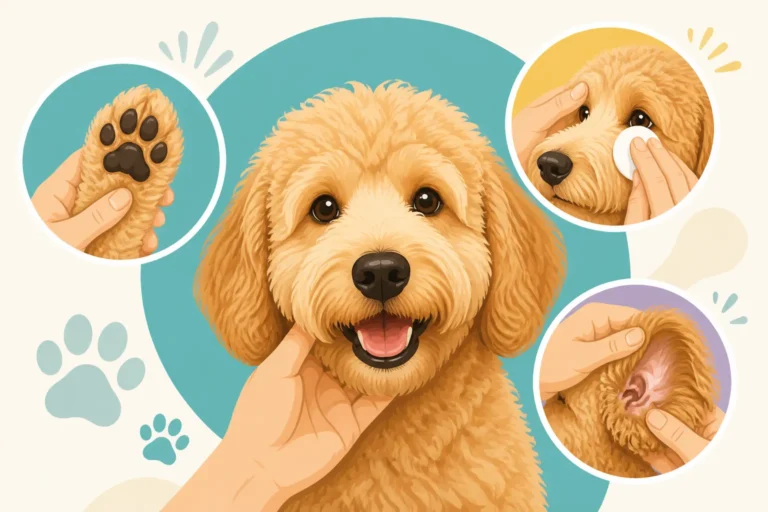
- Step 1: The Feather-Light Touch. Start by simply touching the outside of one of their ear flaps, for just a split second. The moment your finger makes contact, say "Yes!" (or use a clicker if you're clicker training), and immediately give them a high-value treat. Then, remove your hand. Repeat this 3-5 times per ear, keeping it short and sweet. If they remain relaxed, great! If they pull away, your touch might have been too long or too firm, or the treat not good enough. Adjust and try again.
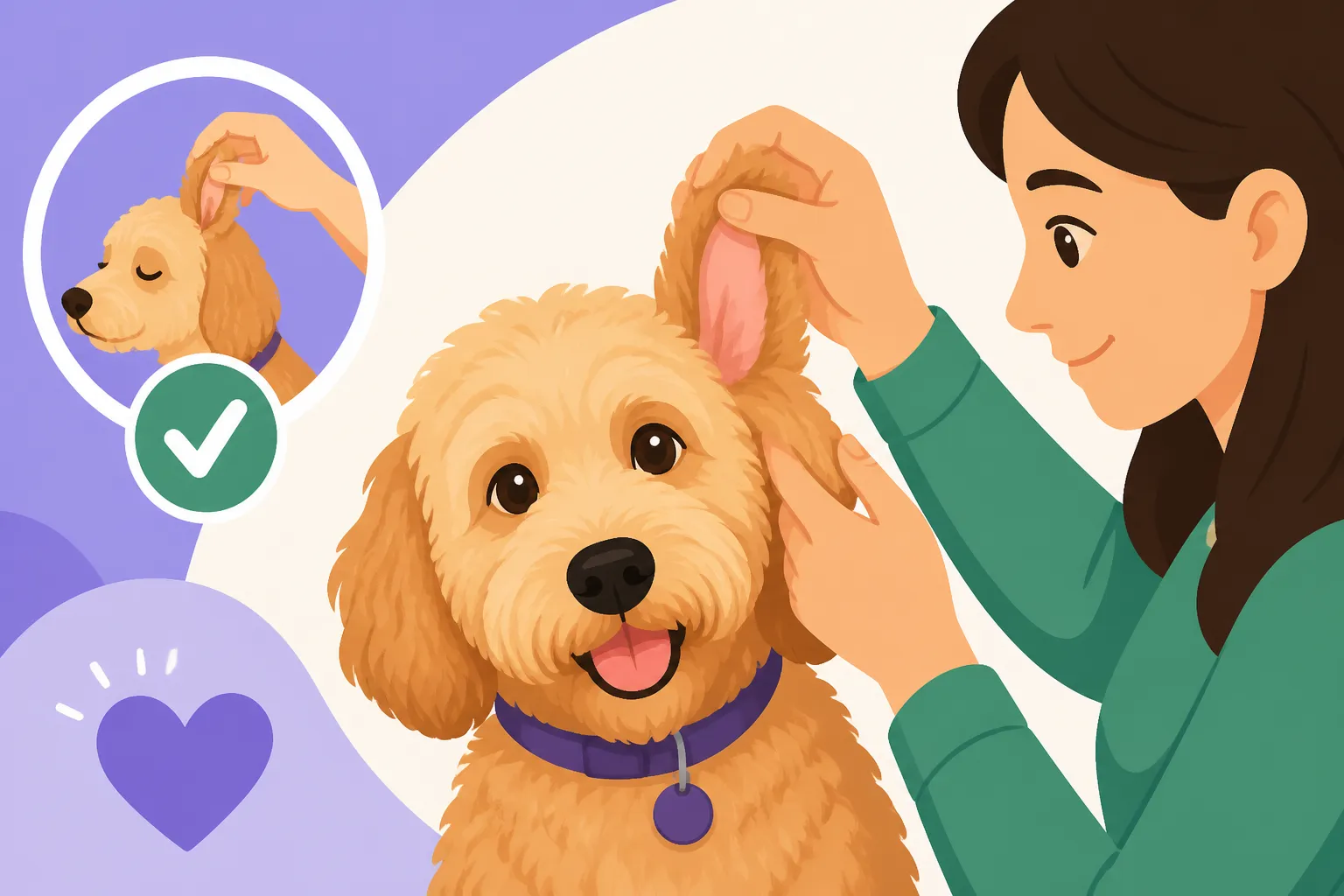
- Step 2: Lift and Peek. Once they're comfortable with just a touch, gently lift the ear flap to expose the opening of the ear canal. Hold it for just a second, say "Yes!", treat, and release. Again, repeat 3-5 times per ear. This helps them get used to the ear being moved, which is necessary for proper cleaning.
- Step 3: Gentle Inner Touch. Progress to gently touching the very outer edge of the ear canal opening with your fingertip. This is often where things get sensitive, so be extra gentle. "Yes!", treat, release. This step familiarizes them with the sensation of something nearing the sensitive parts of their ear.
Never rush. If your Goldendoodle shows any signs of discomfort – licking lips, yawning, turning their head away, tensing up – you've moved too fast or held the touch too long. Go back to the previous step where they were comfortable and build up again more slowly. Watch their body language closely; it tells you everything. You can find more details on why Goldendoodles often need this type of gradual approach when it comes to sensitive areas in Goldendoodle Ear Infections Under a Furnished Ear.
Introducing the Ear Cleaner and Cotton Balls
Once your Goldendoodle is relaxed with you touching and lifting their ears, it's time to introduce the actual cleaning tools.
- Desensitize to the Bottle: Before you squirt anything, let them see and sniff the ear cleaner bottle. Gently tap the bottle against their ear flap (outside) and immediately treat. Then, with the cap on, hold the bottle near their ear and make a light squeezing sound, treat, then put the bottle away. This helps them get used to the sound and presence without the wetness.
- Cotton Ball Introduction: Take a dry cotton ball and gently touch the outside of their ear, then inside the flap, then finally the very entrance of the ear canal, always following with a treat. Once they’re okay with the dry cotton ball, dampen one with a little ear cleaner and repeat the process, focusing on the smell and damp sensation.
- The Actual Cleaning: When you're ready to clean, have your dog in a comfortable position, ideally with you kneeling beside them. Gently lift the ear flap. Hold the ear canal upright. Apply the prescribed amount of ear cleaner into the ear canal. Don't worry if some spills out; the important thing is getting it in. Immediately follow with a treat! Then, gently massage the base of the ear for 20-30 seconds. You'll often hear a squishing sound, which means the cleaner is working its way down. After massaging, allow your Goldendoodle to shake their head – they will! That's them getting the loosened debris out. Once they've shaken, take a fresh cotton ball and gently wipe away any visible gunk from the inner ear flap and the entrance of the canal. Do not insert cotton swabs or anything else deep into the ear canal, as this can damage the eardrum. For more detailed instructions on the physical cleaning, refer to Cleaning a Goldendoodle Ear Before It Gets Infected.
What to Do If Your Goldendoodle Resists or Shows Discomfort
Resistance is normal, especially if they have a history of pain or fear. The absolute golden rule is: never force it. If your Goldendoodle backs away, growls, or tries to bite, stop immediately. Forcing them will only escalate their fear and make future attempts even harder.
Instead:
- Back Up a Step: Revert to the last step where they were completely comfortable. Spend more time there, reinforcing with even higher-value treats.
- Reassess Your Treats: Are you using their absolute favorite? If not, upgrade! A Goldendoodle might tolerate a slight discomfort for a piece of hot dog that they wouldn't for a bland biscuit.
- Change the Environment: Is there too much noise? Too many distractions? Try a quieter room or a different time of day.
- Shorten Sessions: Make them even briefer than before. Think 5-10 seconds total.
- Seek Professional Help: If you’re consistently struggling, or if your Goldendoodle shows strong aggression, it’s time to call in the pros. A certified professional dog trainer specializing in positive reinforcement can help you with cooperative care techniques. If you suspect pain (redness, odor, head tilting, pawing), a vet visit is paramount. Sometimes, the resistance is due to underlying discomfort that needs medical attention, which can unfortunately lead to Goldendoodle Ear Infections That Return Every Month if left unchecked. A vet can also demonstrate proper cleaning techniques. Remember that Goldendoodle Behavior Shifts That Mean Something Hurts, so listen to their cues.
| Training Step | Dog's Comfort Level | Action to Take | Reward Type |
|---|---|---|---|
| Touch outside ear flap | Relaxed, curious | Proceed to next step | High-value treat |
| Touch outside ear flap | Withdraws, tenses | Shorten touch, use higher treat, repeat Step 1 | Extra high-value treat |
| Lift ear flap briefly | Relaxed, allows | Proceed to next step | High-value treat |
| Lift ear flap briefly | Ducks head, stiffens | Back to Step 1, ensure gentleness, higher treat | Extra high-value treat |
| Touch ear canal opening | Relaxed, allows | Introduce tools (dry cotton ball) | High-value treat |
| Touch ear canal opening | Pulls away, licks lips | Revisit Step 2, shorter touches, higher treat | Special high-value treat |
| Apply cleaner/wipe | Allows, tolerates | Maintain routine, praise | Moderate-value treat |
| Apply cleaner/wipe | Resists, growls | Stop, consult vet for pain, then trainer | (No reward while resisting) |
Maintaining Ear Health and Preventing Future Issues
Consistent, gentle care is the ultimate secret weapon against Goldendoodle ear problems. It's not just about cleaning when things get bad; it's about making ear health a proactive part of your pet parenting journey.
Regularity Is Key: Incorporating Ear Care into Your Routine
Once your Goldendoodle is comfortable with ear handling, the goal is to maintain that comfort and prevent issues from arising. This means establishing a routine that works for both of you. For many Goldendoodles, especially those with very hairy ears or a love for swimming, a weekly ear inspection and cleaning might be necessary. Other Goldendoodles might only need it every couple of weeks. Factors like humidity in your environment can also play a role, as Why a Furnished Goldendoodle Ear Stays Damp highlights.
Think of it like brushing your own teeth; it's a regular maintenance task that prevents bigger problems down the line. Incorporate "ear check time" into a calm part of your day, perhaps while you're relaxing on the couch or after their evening walk. Keep the treats coming, even if it's just for a quick peek inside and a gentle wipe. Making it a positive ritual reinforces their acceptance and ensures you catch any budding problems early. I often remind owners that consistency, even for just a minute or two, is far more effective than an hour-long battle once a month. For a detailed routine, check out The Weekly Goldendoodle Ear Routine Step by Step.
Knowing When to Call the Vet: Red Flags and Symptoms
Despite your best efforts with preventative care, Goldendoodles can still get ear infections. It’s crucial to know the warning signs so you can seek veterinary attention promptly. Early intervention can prevent a minor irritation from escalating into a painful, chronic condition.
Be on the lookout for any of these red flags:
- Redness or Swelling: The inside of the ear flap or the ear canal looks inflamed.
- Discharge: Any brown, yellow, or black discharge, especially if it's thick or resembles coffee grounds.
- Odor: A noticeable, often yeasty or pungent smell coming from the ear.
- Pain or Sensitivity: Your Goldendoodle yelps, flinches, or pulls away when you touch their ear, even gently.
- Head Shaking or Tilting: Excessive head shaking, or consistently tilting their head to one side.
- Pawing or Rubbing: Your dog constantly paws at their ear or rubs it against furniture or the ground.
- Hearing Loss: A sudden or gradual decrease in their ability to hear.
If you notice any of these symptoms, don't delay – contact your veterinarian immediately. They can diagnose the exact cause of the problem, whether it's a bacterial infection, a yeast infection (common, especially after swimming, as discussed in Yeast in a Goldendoodle Ear After Swimming), ear mites, or something else. Prompt treatment is vital to alleviate pain and prevent the infection from becoming more severe or chronic. Your vet can also guide you on medicated ear cleaners or treatments and confirm that the products you're using, such as specific Ear Cleaner Solutions Safe for a Goldendoodle, are appropriate for any current issues.
Disclaimer
This article is for general informational purposes only and does not constitute professional advice. Laws, prices and regulations vary by location and change over time. Consult a qualified professional for guidance on your specific situation.